GHL Wet Granulation: Separate Physical Intermediate Assessment from Nonsterile Microbiological Quality
By QUANPIN
A high shear granulator trial can show whether a formulation forms the intended physical intermediate. That observation does not establish the microbiological quality of a nonsterile pharmaceutical product.
Granule size, moisture and handling observations describe physical attributes. Microbiological evaluation addresses a different quality question using an appropriate product-specific control and testing strategy.
Physical and Microbiological Questions Are Different
Nonsterile does not mean that microbial quality is irrelevant. It also does not mean that a material trial must be interpreted as a demonstration of sterility.
Keep the physical and microbiological decisions distinguishable before a trial. The applicable product requirements and laboratory responsibilities should be established by the manufacturer’s qualified quality personnel.
Define the Equipment and Quality Boundaries
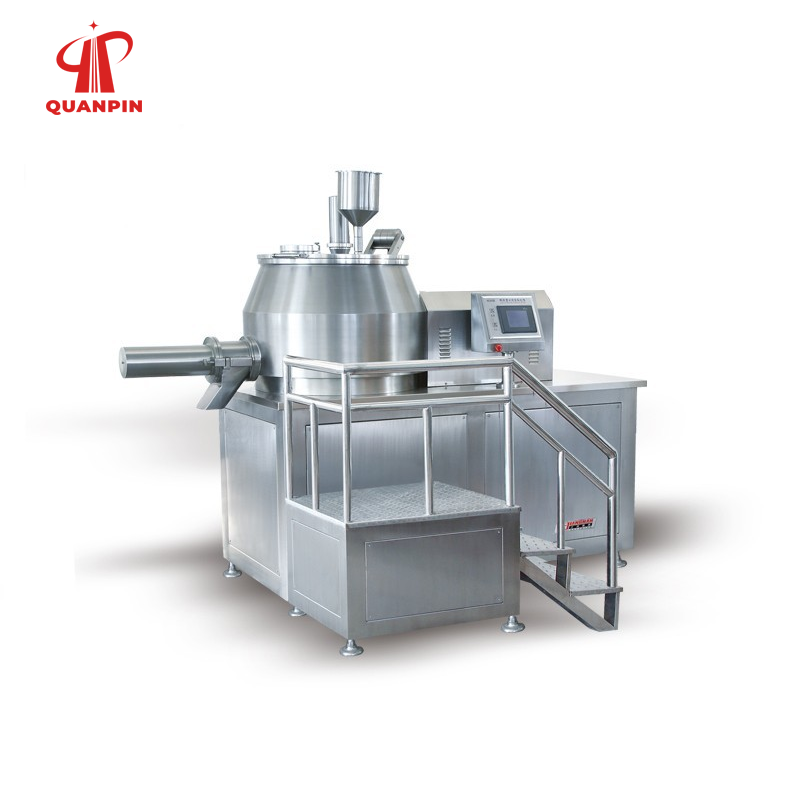
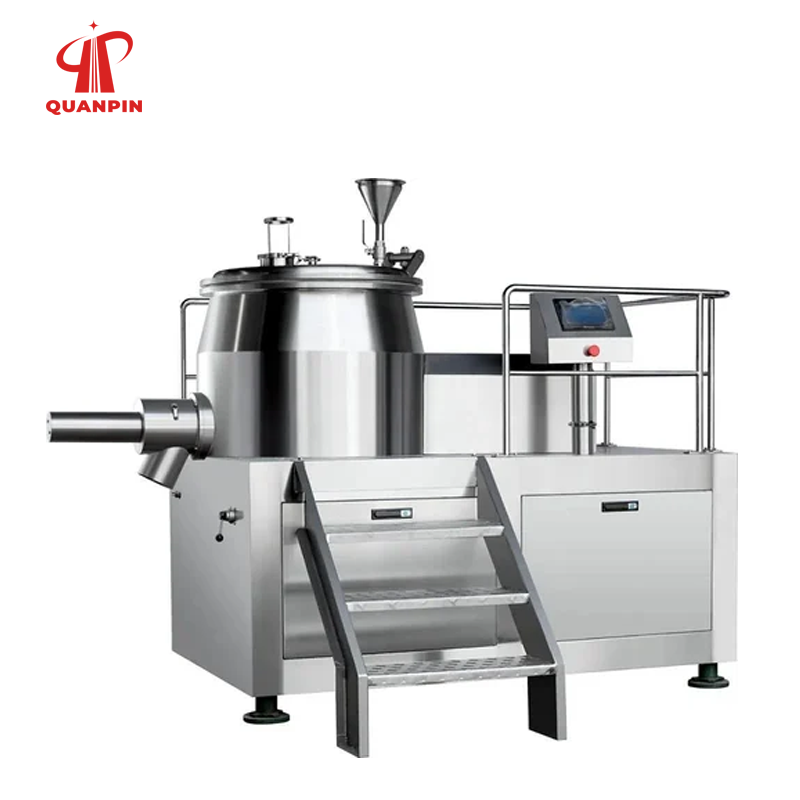
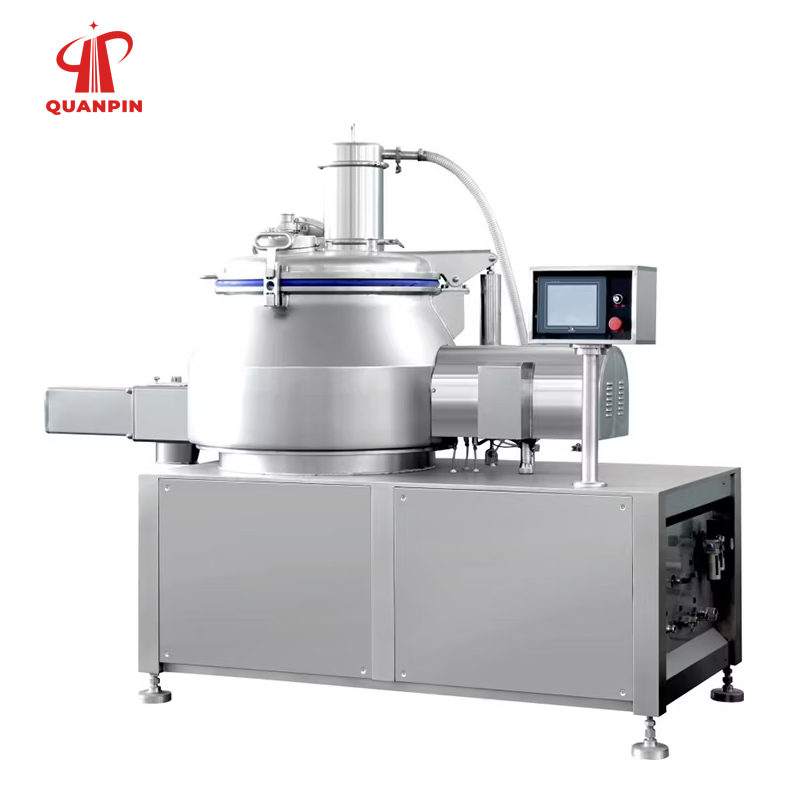
For a rapid mixer granulator enquiry, identify the actual pharmaceutical formulation and processing duty. No microbial reduction or sterilization function is assumed included.
The official documents discussed here explain different assessment boundaries. They do not qualify a commercial GHL machine or prescribe an acceptance decision for an individual formulation.
Five Inputs for Specimen Assessment
Product context
Identify the material and its intended nonsterile dosage-form route. Product context matters when deciding what microbiological information the development programme requires.
Incoming materials
Record the relevant incoming materials and their quality status. An observation about the finished granule cannot independently establish the condition of every component charged.
Specimen stage
Define the specimen collection stage and material fraction. A sample of an incoming powder and a sample after wet processing represent different process histories.
Analytical suitability
Assign the microbiological method and its suitability assessment to the appropriate laboratory. A familiar method name does not establish suitability for every product matrix.
Acceptance basis
Keep the acceptance basis separate from the analytical procedure. Knowing how a test is performed does not independently establish the appropriate product decision.
Keep Method Suitability Distinguishable
Preserve the physical evaluation plan as a separate part of development. Neither a favourable sieve result nor a favourable microbial result replaces the other assessment.
The official Q4B Annex 4A document addresses microbial enumeration tests for nonsterile products.
The document concerns recognition of selected pharmacopoeial enumeration texts. It also retains the relevance of demonstrating that a chosen procedure is suitable for a specific material or product.
For a high shear mixer granulator programme, this means the method question remains distinguishable from equipment operation. A granulation observation cannot supply a laboratory suitability demonstration.
Six Stages from Material to Review
Trial formulation
First identify the formulation and quality questions associated with the trial material. Record whether the specimens are intended for physical investigation, laboratory assessment or both.
Ingredient records
Next preserve incoming ingredient identities and relevant material records. Avoid treating a visually unchanged ingredient as evidence about its microbiological status.
Wet processing
Record the actual wet-processing sequence and material history. This provides context for evaluation without assuming that mixing or later water removal constitutes microbial treatment.
Specimen collection
Collect the defined specimens using the procedure assigned by responsible personnel. Keep collection stage and specimen identity associated with the subsequent laboratory result.
Physical evaluation
Evaluate the physical intermediate using its agreed methods. Report those findings without adding an unsupported statement that the same observation proves microbiological acceptability.
Joint review
Review laboratory and physical findings through the established quality process. State which observations support each decision and which questions remain unresolved.
Separate Enumeration from Specified-Organism Tests
Specified organisms
The official Q4B Annex 4B document concerns tests for specified microorganisms in nonsterile products.
These tests address a different analytical question from microbial enumeration. An observation about total numbers and an observation concerning specified organisms should not be silently substituted for one another.
The annex belongs to the same Q4B harmonization programme as the enumeration document. It is a distinct chapter evaluation rather than an independent experimental granulation study.
Acceptance criteria
The official Q4B Annex 4C document addresses acceptance criteria for pharmaceutical preparations and substances for pharmaceutical use.
This third annex evaluates acceptance-criteria texts rather than describing a physical equipment trial. Its existence does not establish a universal limit for every intermediate or intended product.
The applicable criteria and interpretation remain matters for the manufacturer’s product-specific quality system. An equipment enquiry should identify the responsible decision-maker rather than invent numerical limits.
Draft guidance and case context
A high shear wet granulator trial should therefore distinguish specimen generation from product disposition. A supplier’s material demonstration is not itself the manufacturer’s complete quality assessment.
The official FDA September 2021 draft guidance discusses microbiological quality considerations in nonsterile drug manufacturing.
The FDA document discusses development, risk assessment and manufacturing considerations for nonsterile drugs, including solid dosage forms. It is explicitly a draft with nonbinding recommendations, not for implementation.
Distinguish Criteria from Trial Observations
Its discussion supplies context for identifying relevant quality questions. It should not be presented as a final mandatory instruction or as evidence that a particular granulation batch meets requirements.
The official FDA 2023 case presentation discusses microbiological quality considerations and objectionable organisms in nonsterile drug manufacture.
The presentation explains why microorganisms may be objectionable in their product and patient context. Its liquid-drug contamination case is not experimental evidence about contamination or microbial destruction in granules.
The useful boundary is interpretive: a narrowly applied indicator result need not answer every relevant quality question. The actual product assessment still belongs with qualified personnel.
Read Official Guidance within Its Scope
For a high shear granulator price discussion, distinguish mechanical supply from sampling, microbiological testing and product-release responsibilities. A quotation cannot replace the manufacturer’s analytical and quality decisions.
Explain the intended development route and available laboratory support. Confirm which specimens the equipment trial can provide for those separately defined evaluations.
Interpret Separate Findings Together
If granules meet physical targets but a microbiological question remains unresolved, report both facts. Physical acceptability cannot resolve an unmeasured or unexplained microbial observation.
If a laboratory result is satisfactory but granule handling is unsuitable, retain the handling finding. Microbiological evidence does not establish the physical performance of the intermediate.
If enumeration and specified-organism findings differ, preserve their separate meanings. They address distinct questions and should be reviewed against the relevant product context.
If the product matrix changes, review the basis for analytical suitability through the responsible laboratory. A previously selected procedure should not be presumed applicable without that assessment.
If the specimen stage changes, document the new material history. Comparing results from different fractions or processing stages requires an identifiable and appropriate comparison basis.
If a draft document is referenced, state its status accurately. Its recommendations should not become an unsupported claim of legal compliance or product acceptance.
Prepare the Pharmaceutical Enquiry
Prepare the enquiry with material identity, intended pharmaceutical route and the physical granulation objective. Identify separately any microbiological specimens needed during development.
Describe the laboratory and quality responsibilities already assigned by the manufacturer. Clarify specimen collection arrangements without promising a microbial outcome from an equipment demonstration.
Confirm Laboratory and Quality Responsibilities
Review the proposed scope for mixing, transfer and downstream processing. No sterilization, validated microbial reduction or finished-product release function is inferred from the cited documents.
A useful trial report distinguishes physical findings, laboratory findings and quality decisions. It records what the work established without calling an untested granule sterile or acceptable.
Frequently Asked Questions
Does appearance establish microbial quality?
No. Granule appearance and size describe physical properties. They do not independently establish microbial numbers, organism identity or the appropriate product-quality decision.
Is wet granulation sterilization?
No. The proposed wet mixing operation is not presented as sterilization. Any claimed microbial treatment would need its own appropriately established evidence and scope.
Are the two test categories interchangeable?
No. Enumeration and tests for specified organisms address different analytical questions. Their selection and interpretation require the relevant product and laboratory context.
Is the cited FDA draft final?
No. The FDA September 2021 document cited here is a draft, not for implementation, and contains nonbinding recommendations rather than a batch-specific acceptance decision.
Does a liquid-drug case prove granule behaviour?
No. The FDA presentation concerns a nonsterile liquid-drug case. It illustrates assessment boundaries and does not demonstrate microbial behaviour during a granulation operation.
What should the enquiry include?
Provide the material identity, physical objective, specimen stages and assigned laboratory responsibilities. Keep microbiological assessment and the manufacturer’s quality decision separate from the mechanical equipment trial.
Discuss Your Granulation Application
Discuss the material, processing objective and required trials with QUANPIN. Review the equipment information and the relevant industry applications, or send an enquiry through our contact page.
Email sales@qpdryer.com or stacie@qpdryer.com. Call +86 19850785582 or contact WhatsApp +86 15921493205 to discuss the proposed scope.
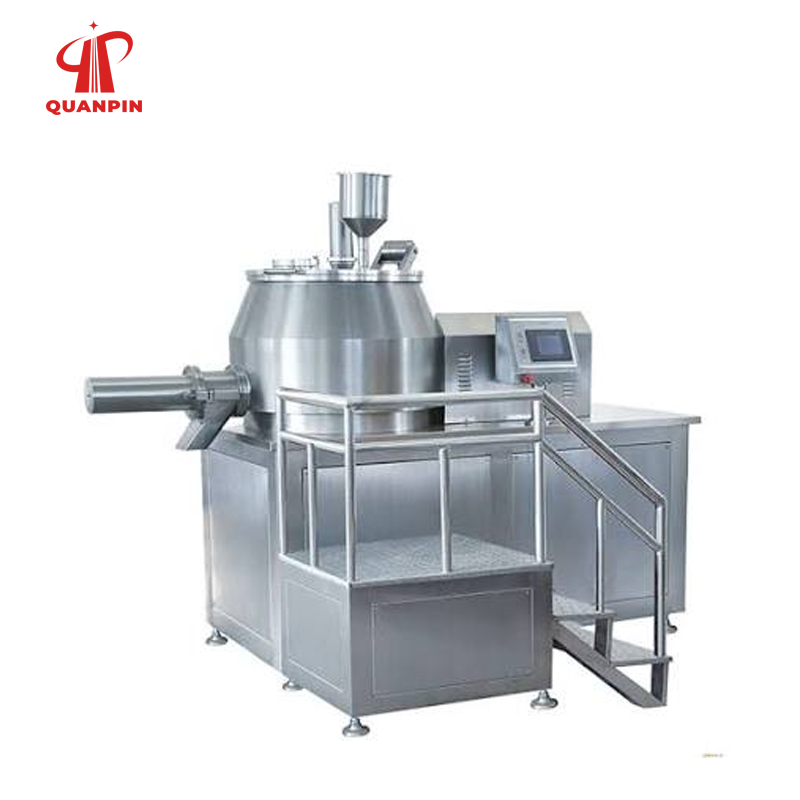
For process evaluation, consider the high speed mixer granulator for high-shear preparation of a suitable wet granulating mass. Confirm suitability with representative material, the required product properties and the proposed process conditions.