Wet-Mass Preparation Before Extrusion: Define the Granulator Handover for Pellet Trials
By QUANPIN
Preparing wet mass for a downstream pellet process requires a defined handover, not simply a declaration that granulation is complete. The receiving extrusion operation needs material that is suitable for its own processing and product objectives.
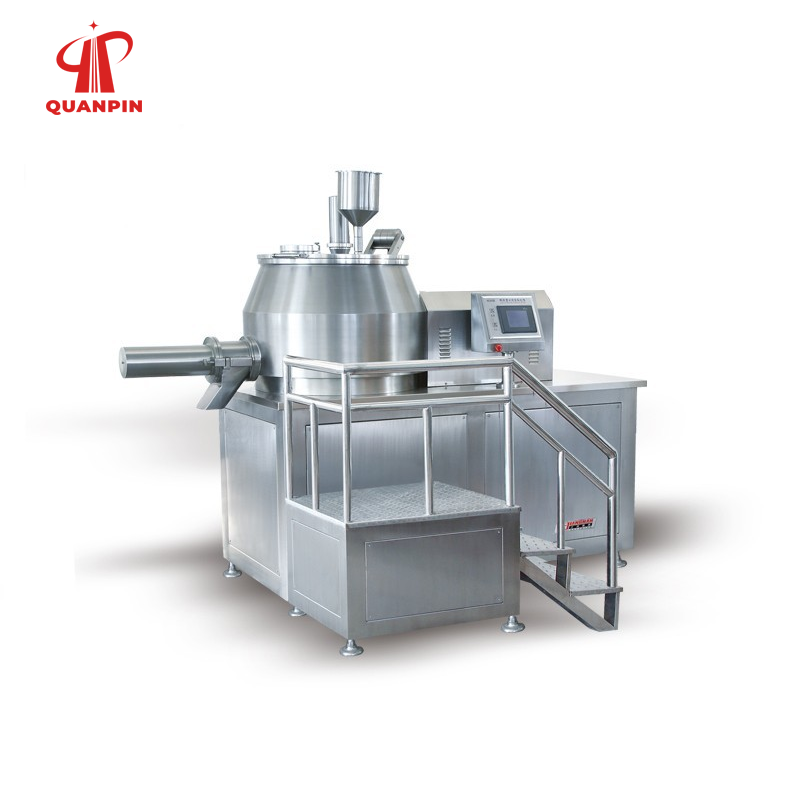
A high shear granulator can be discussed as an upstream wet-mass preparation option. It should not be described as performing extrusion or spheronization: those are separate operations requiring their own equipment and experimental assessment.
Start with the Finished Pellet Requirements
Begin with the final pellet requirements and work backward to the wet intermediate. Identify which attributes will be assessed after extrusion, rounding and drying, and which observations can be collected during wet-mass preparation.
A successful upstream trial does not eliminate the need for downstream evaluation. Material that appears cohesive in a mixing bowl may behave differently when forced through an extrusion screen and subsequently rounded.
Define Readiness at the Handover
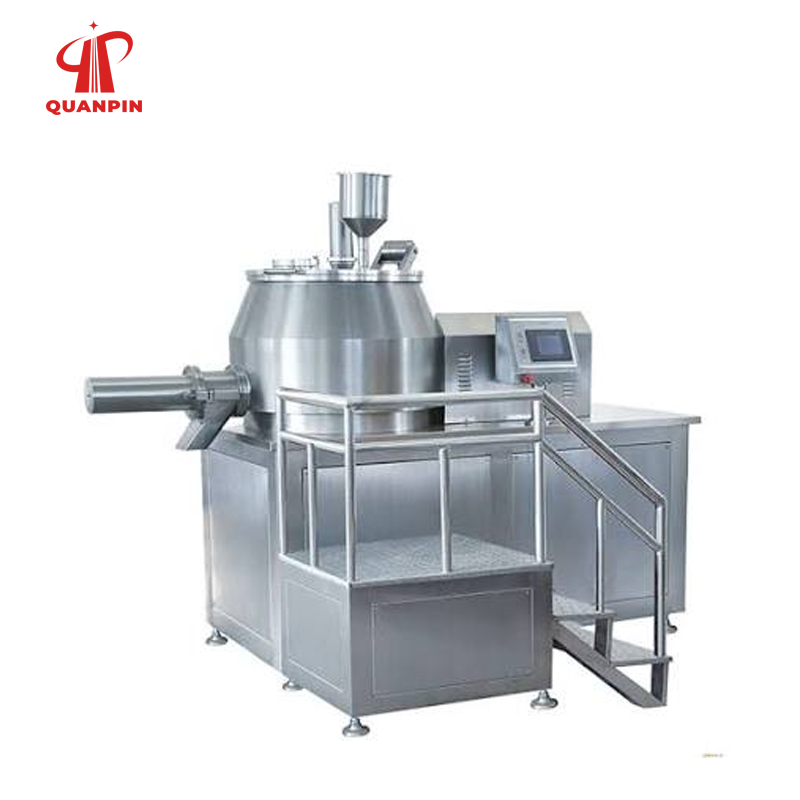
Define the interface between the rapid mixer granulator and the receiving operation. State what will be transferred, how it will be contained and how elapsed time will be recorded.
Agree the basis for judging readiness before comparing preparation conditions. A hand impression or a single water-content result can be useful context without being a complete specification for downstream performance.
Five Inputs That Belong in the Trial Record
Formulation and excipient grades
Identify the formulation, including the precise grades of materials used as pelletization aids. A material name alone may conceal differences relevant to water requirement and downstream shaping behavior.
Wetting and mixing history
Record the quantity and method of liquid addition, together with the actual mixing history. Retain deviations because the same total liquid quantity need not imply identical preparation conditions.
Condition at transfer
Describe the wet material at the point of discharge and again at the receiving operation where practical. This makes a transfer-related change distinguishable from a difference created inside the mixing bowl.
Elapsed time and exposure
Record the time and conditions between preparation and extrusion. Unrecorded waiting or exposure can make a nominally identical intermediate an unreliable comparator in a development study.
Pellet evaluation methods
Define the methods for evaluating extrudates and dried pellets. Keep size, shape, mechanical behavior and any required product tests distinct rather than treating one result as a proxy for all the others.
Design an Interpretable Preparation Study
A useful preparation study changes selected upstream conditions while keeping downstream treatment sufficiently consistent to interpret the comparison. Avoid changing every operation at once simply to obtain acceptable-looking pellets.
Retain information about the full output, including oversized material, fines and rejected shapes. Reporting only a selected desirable fraction can conceal a route that works poorly overall.
When the formulation changes, reconsider the experiment rather than assuming that the previous preparation window remains appropriate. The receiving process responds to the combined material system, not just its water percentage.
Specify how samples are selected for image analysis or other measurements. A small hand-picked group of round pellets does not describe the shape distribution of the complete batch.
Follow Six Steps Through the Trial
Confirm the materials
First confirm the material identity and condition. Check that the ingredients and grades match the development record before interpreting a change as an equipment or process effect.
Record the sequence
Next document wetting and mixing as they occur. A time-linked record helps distinguish a deliberate preparation difference from an interruption, addition error or change in the operating sequence.
Sample the handover
Then collect samples at the defined handover. Preserve their identity and handling history so that each downstream result can be traced to the material that actually entered extrusion.
Observe the receiving operation
Run the agreed downstream process and retain its observations. Extrusion resistance, extrudate condition and subsequent rounding are different observations and should not be reduced to a single description of success.
Evaluate the dried output
Evaluate the dried pellets using the agreed methods. Compare complete distributions and material recovery, and connect any required product tests to the specimens produced under each preparation condition.
Challenge the preparation window
Finally challenge the proposed preparation window with justified additional trials. State the limits of the comparison and the response when upstream observations disagree with downstream results.
What Original Formulation Studies Establish
Downstream operational variables
An original piroxicam pellet study investigated operational variables across extrusion-spheronization and drying. Its findings show why downstream treatment belongs in the evaluation rather than assuming that the wet intermediate alone determines final pellet properties.
The operational-variable investigation supports evaluating the complete route. Its formulation-specific observations are not universal operating instructions or a guaranteed result for GHL equipment.
For a practical trial, preserve both the preparation history and the downstream conditions. Otherwise a difference observed in dried pellets may be attributed to the wrong stage of processing.
Carrageenan formulation and process
Another original study systematically varied processing factors for carrageenan-containing formulations and evaluated the resulting pellets. Its design considered several pellet attributes rather than treating spherical appearance as a complete quality assessment.
The carrageenan process study illustrates why preparation and receiving-process conditions belong in the trial record. The response of one formulation does not establish interchangeability with another pellet system.
When a formulation change accompanies a preparation change, treat them as separate development factors. Their interaction may matter more than a simple comparison of mixing times.
Material exchange during rounding
A study that combined different extrudates during spheronisation quantified material exchange between pellets. The work examined a mechanism that cannot be explained solely by rounding each original fragment independently.
The mass-transfer investigation is useful when interpreting pellet formation. Its quantified experimental outcomes are not performance claims for an upstream granulator or evidence that a particular product will behave identically.
The implication for a handover study is to evaluate the actual finished distribution rather than assume that every final pellet preserves the identity and composition of one initial fragment.
Understand the Receiving Process
Earlier original work visualized material transfer during spheronization and discussed its role alongside deformation. This reinforces the need to consider the receiving operation as a process that can change the material.
The pelletization-mechanism study provides context for that assessment. It should not be read as a guarantee of particle shape, content distribution or yield for a new formulation.
An original pectin-based formulation study screened the effects of formulation and granulation-liquid factors on processability and resulting pellets. Different pectin types responded differently to the modifications investigated.
The pectin factor-screening study supports specifying the actual material system. It does not justify a solvent recommendation or an assumption that the same treatment will work in another formulation.
Investigate Downstream Disagreement
If wet material meets the intended preparation observation but extrusion or rounding fails, investigate the interface and formulation. Do not automatically increase mixing time until the downstream result changes.
If selected pellets appear acceptable while the complete output contains substantial rejects, preserve that distinction. Shape measurements and recovered usable material address different aspects of route performance.
Prepare the Wet-Mass Equipment Enquiry
Provide the formulation constraints and the intended downstream operations when enquiring about a high shear mixer granulator. Explain whether the trial concerns wet-mass preparation alone or an integrated process evaluation.
Identify the receiving equipment and the proposed transfer arrangement. A supplier cannot infer all interface requirements from the phrase pellet production, particularly when several downstream operations are already installed.
State which observations and analytical tests will be available. This helps define a realistic development plan and avoids promising a readiness decision that the proposed trial cannot actually support.
Include the required handling, cleaning and containment conditions. Suitability for a specific material or solvent must be confirmed for the actual proposed configuration rather than assumed from the equipment family.
Agree who will interpret the analytical results and approve the preparation window. Equipment commissioning, development research and product-release decisions are related activities with different responsibilities.
When reviewing high shear granulator price, compare the confirmed upstream supply and trial scope. Extruders, spheronizers and dryers should not be assumed to be included in a granulator quotation.
Confirm the Upstream Equipment Duty
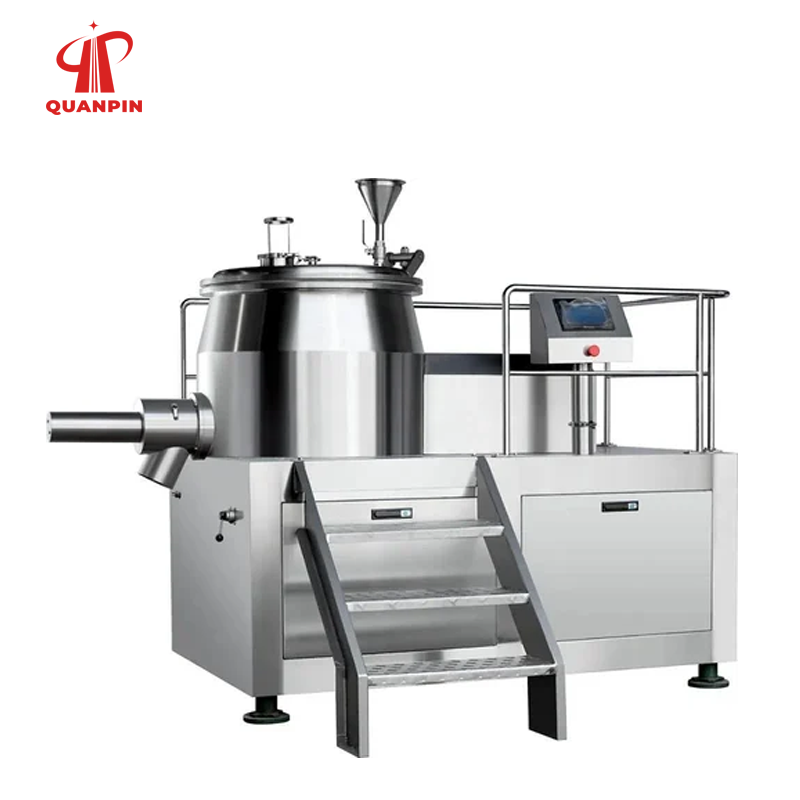
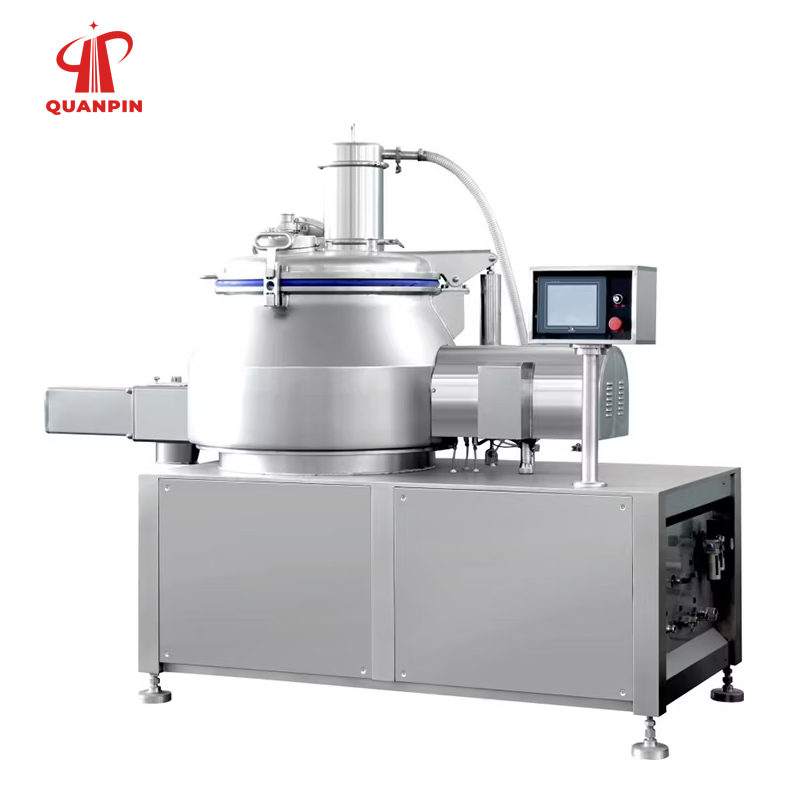
Use the GHL information to discuss wet-mass preparation and request confirmation of the required operating and discharge arrangements. Product photographs do not establish downstream pellet-making capability.
A high shear wet granulator should be selected for its confirmed preparation duty. Compatibility with an extrusion-spheronization route requires appropriate testing of the complete formulation and processing sequence.
Preserve the Tested Preparation Window
The development record should state the tested materials, preparation conditions, transfer history and downstream evaluation. Include the boundaries beyond which the proposed readiness criterion has not been demonstrated.
Keep observations that did not fit the preferred explanation. They may identify the next useful experiment and prevent a narrow development result from being mistaken for a general manufacturing rule.
Frequently Asked Questions
Does GHL perform extrusion and spheronization?
No. Wet-mass preparation, extrusion and spheronization are separate operations. A GHL proposal should describe its confirmed upstream duty without implying that it performs the downstream shaping steps.
Is water content a complete readiness test?
No. Water content is an important recorded condition, but it does not by itself describe the formulation, preparation history or the behavior of the material in the receiving process.
Does the material type matter?
Yes. Original research with different pectin types found differences in their response to formulation modifications. Record the actual material type and grade rather than assuming equivalence from a generic ingredient name.
Does rounding only deform individual fragments?
Not necessarily. Original studies show that material transfer can occur during spheronization. Evaluate the real finished output rather than assuming that rounding only changes each initial fragment’s shape.
Do selected good pellets demonstrate batch success?
No. Compare the full output, usable recovery and agreed attributes. A selected group of attractive pellets cannot establish the performance of the whole preparation and downstream route.
What should the enquiry include?
Provide the formulation, intended receiving operations, transfer arrangement, trial measurements and acceptance criteria. Confirm which equipment and services are included before treating an enquiry as a complete pellet-production specification.
Discuss Your Granulation Requirements
Discuss the material, processing objective and required trials with QUANPIN. Review the equipment information and the relevant industry applications, or send an enquiry through our contact page.
Email sales@qpdryer.com or stacie@qpdryer.com. Call +86 19850785582 or contact WhatsApp +86 15921493205 to discuss the proposed scope.
For process evaluation, consider the extrusion granulator for shaping suitable wet mass by extrusion. Confirm suitability with representative material, the required product properties and the proposed process conditions.