GHL Wet Granules After Discharge: Plan a Drying-Route Transfer Study
By QUANPIN
Wet granules do not stop changing when they leave the granulator. Discharge, transfer and drying can modify the material presented to a sizing operation or tablet press, so a development trial should follow that material through the complete route.
For a high shear granulator enquiry, describe both the wet-granulation duty and the intended handover. An acceptable wet mass does not, by itself, establish that the selected downstream route will preserve the required granule attributes.
Define What the Route Change Must Preserve
A route-transfer study asks whether the same intended intermediate remains suitable after a different discharge or drying arrangement. It is not simply a comparison of how quickly two dryers reach a selected moisture result.
Define the attributes that must remain acceptable before beginning the comparison. Those may include size distribution, strength and downstream behavior, with analytical methods chosen for the actual pharmaceutical formulation.
Map the Handover from the Granulator
Identify each operation between the bowl and the next manufacturing stage. A container change, wet-sizing step or transfer device can become part of the material history and should appear in the trial record.
Keep the rapid mixer granulator conditions identifiable when investigating the downstream route. Changing granulation and drying simultaneously can make it difficult to determine which operation caused a measured difference.
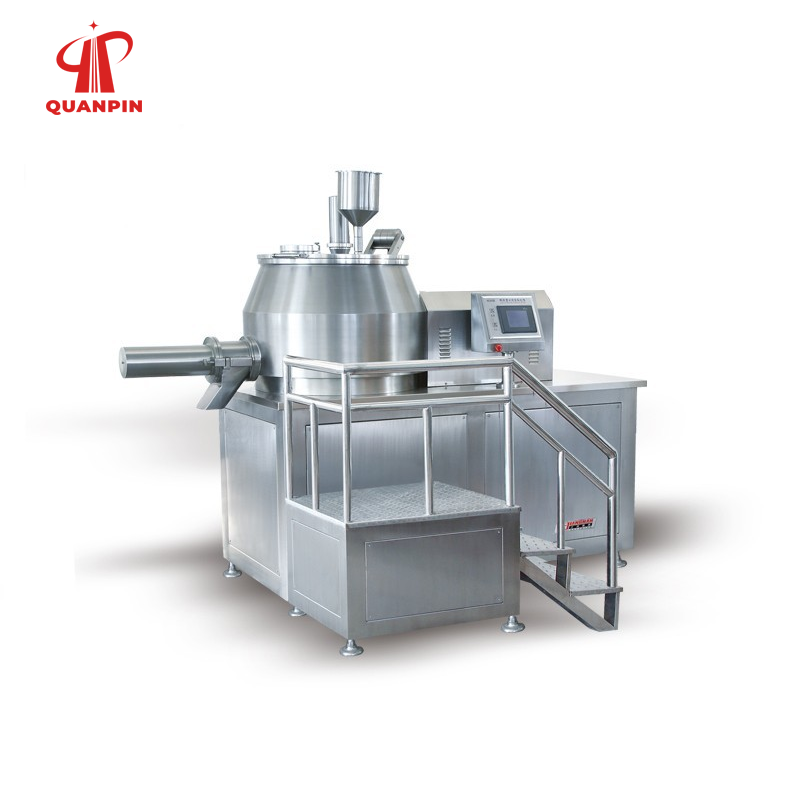
Five Records Needed for a Fair Comparison
Wet-feed condition
Record the wet material entering transfer, including its moisture result and sampling method. A moisture number is useful only when the specimen and the measurement represent the material being compared.
Discharge and transfer
Record the discharge arrangement and the receiving container. Include relevant transfer settings, interruptions and visible material retention rather than describing the whole operation merely as unloading.
Drying history
Record the drying configuration, loading and actual process history. An inlet temperature alone does not describe the material exposure, air movement or distribution within a loaded drying system.
Collection and sizing
Record the collection and sizing procedure after drying. Changes in milling or screening can alter the final size distribution and obscure the effect of the operation under investigation.
Analytical traceability
Record the tests performed on both intermediates and final specimens. Preserve the link between each analytical result and its corresponding batch, route, sampling point and downstream treatment.
Design the Route Comparison
Begin with a written comparison plan that identifies the reason for the route change. Capacity, process organization and available equipment are different motivations and need not lead to the same experimental priorities.
Choose a reference condition with sufficient documentation to interpret the results. A previous successful batch is a weak comparator if its transfer and drying histories were not recorded.
Where feasible, compare equivalent wet feed material under the alternative downstream conditions. If a split-batch design is inappropriate, explain how between-batch variability will be addressed.
Set acceptance criteria before interpreting the comparison. Avoid defining success solely from the attributes that happen to look most similar after the experimental results have been collected.
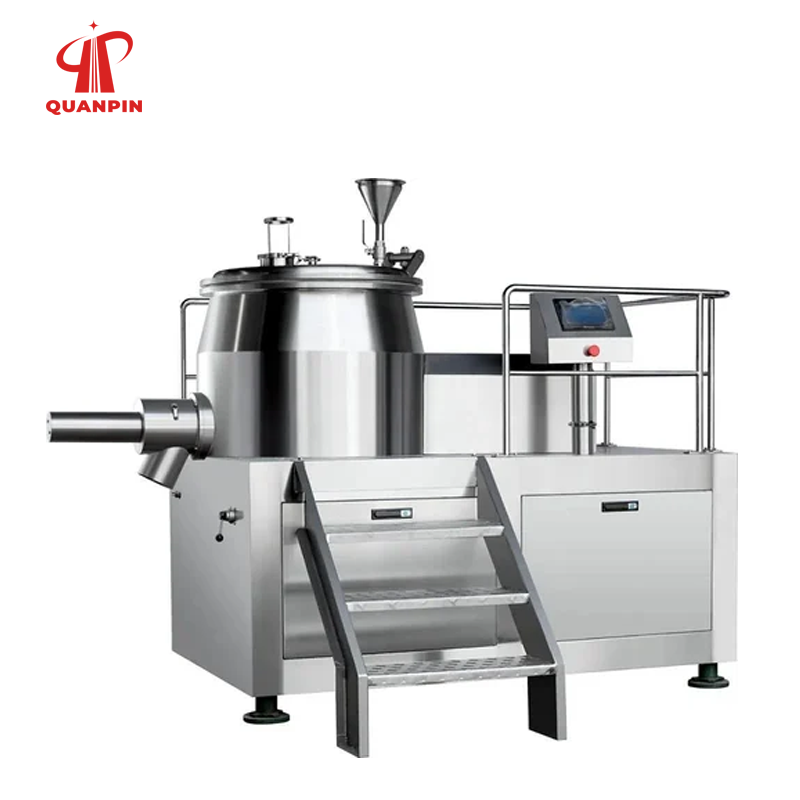
Follow the Material Through Six Checks
Establish the feed sample
First establish a representative wet-feed sample. Document collection timing and handling because waiting, evaporation or segregation before analysis can change the apparent starting condition.
Track the transfer
Next track the discharge and transfer sequence. Collect appropriate observations before and after the transfer so that changes are not automatically attributed to the drying stage.
Record the trajectory
Then record the drying trajectory rather than only the final endpoint. Retain the observations needed to understand whether samples experienced different histories while reaching apparently similar final moisture values.
Test before sizing
Evaluate the dried intermediate before any corrective sizing step masks a difference. Retain the full distribution and test method rather than reporting only an average particle diameter.
Follow downstream behavior
Continue through the intended downstream evaluation when required by the development objective. A route that produces usable granules still needs appropriate evidence for the product that those granules will become.
Account for recovery
Finally document deviations and material recovery. A comparison that excludes retained, broken or out-of-range material can present an incomplete picture of the route’s practical performance.
What Original Process Studies Show
Feed and formulation effects
Research in a semi-continuous fluid-bed drying system investigated both process and formulation influences. Its findings support including the incoming material and granulation conditions in the drying comparison.
The original drying-behavior study does not provide a universal drying recipe. Use its experimental questions to plan a relevant assessment, while recognizing the differences between its apparatus and a proposed batch route.
For equipment selection, confirm how the wet material is presented to the dryer. The feed condition is part of the development problem rather than an incidental detail outside the granulation discussion.
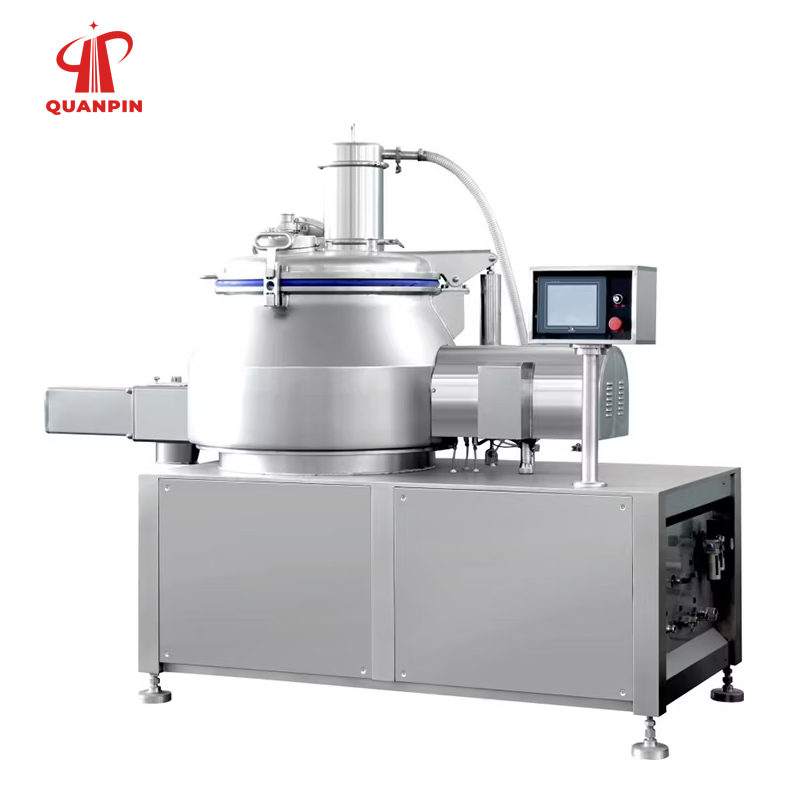
Breakage across operations
A separate original investigation examined breakage across transport, filling and drying in a semi-continuous system. This helps explain why a final distribution can contain the combined effects of several handling operations.
The granule-breakage investigation supports sampling at meaningful boundaries. Its reported operating ranges belong to the studied formulation and system; they must not be copied as a general specification for GHL equipment.
When practical, determine whether fines were present before transfer, formed during filling or increased during drying. That distinction makes a corrective action more useful than simply selecting a gentler-looking final setting.
Industrial root-cause analysis
An industrial root-cause study considered interactions between material properties and process variables affecting tablet hardness. Wet discharge and drying were among the variables examined alongside upstream factors.
The industrial investigation illustrates the value of following an apparent tablet issue back through the process. It does not establish a numerical hardness improvement or a guaranteed control strategy for another formulation.
Use the same principle when investigating a route change: preserve enough evidence to test competing explanations. A single final moisture result cannot reconstruct the complete history of the intermediate.
Compare Drying Methods with Their Limits
An experimental agitation-fluidized-bed study assessed changes in granule properties and drying behavior under different operating conditions. The apparatus combined drying with mechanical movement, so both influences were relevant to interpretation.
The original agitation-bed study is a reminder that the drying method can also impose mechanical treatment. Its material-specific findings should not be generalized to every tray, vacuum or fluid-bed arrangement.
A university-held original comparison investigated granules produced in a single-pot granulator and dried through different routes. The work examined interactions between process and formulation rather than treating the dryer as an isolated unit.
The single-pot comparison provides a useful example of route-dependent evaluation. It does not mean that any particular drying arrangement will be superior for a new product or that a standalone granulator performs an integrated drying function.
Investigate Conflicting Results
If final moisture is comparable but granule properties differ, investigate mechanical history, sample distribution and the drying trajectory. Do not dismiss the difference merely because the chosen endpoint number was achieved.
If tablet behavior changes without an obvious size-distribution change, examine additional intermediate attributes and downstream processing. A similar median diameter cannot exclude differences in structure, strength or material distribution.
Prepare the Route-Transfer Enquiry
Provide the intended wet-granulation recipe and the rationale for the downstream change. State the required product attributes and the analytical work available to judge the result.
Describe the route between the high shear mixer granulator and the dryer, including any wet-sizing or receiving arrangement. Explain which components already exist and which require a confirmed supply proposal.
Define the trial records needed from each operation. Time-linked observations and batch identifiers make it possible to connect an unexpected final result with the actual processing history.
Clarify cleaning, containment and transfer-interface requirements for the specific material. A general equipment photograph cannot confirm that a proposed connection or operating procedure meets those requirements.
Agree responsibility for sampling and analytical testing. The equipment supplier’s trial observations should not be confused with an independent product-release decision or a validated manufacturing specification.
When evaluating high shear granulator price, compare the same supply boundaries. Transfer devices, dryers, trial work and data recording can materially change what is being offered.
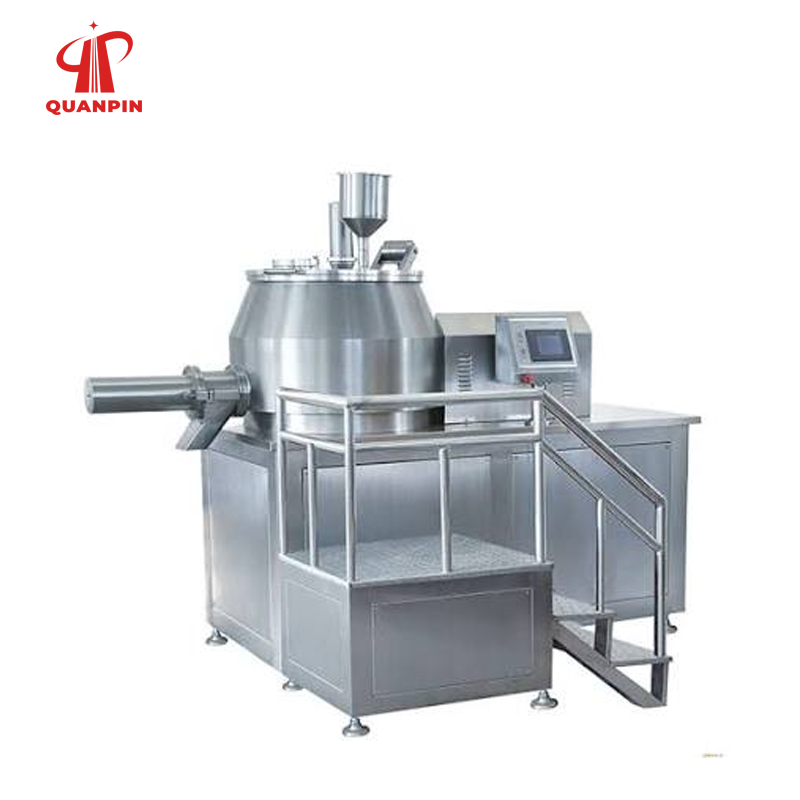
Confirm Equipment and Interfaces
Use the GHL product information to start a configuration discussion and request confirmation of the proposed discharge arrangement. Do not infer unlisted handling or monitoring functions from the equipment family name.
A high shear wet granulator and a drying system perform different duties within a route. Confirm the selected equipment and interfaces separately before treating a proposed production line as an agreed configuration.
Write a Traceable Decision Record
The final report should identify the reference route, alternative route, tested material and limits of the comparison. Keep the raw observations available when summarizing whether the proposed change met the agreed criteria.
Record unresolved questions explicitly. A development comparison may identify the next experiment without yet establishing an approved operating range or a final manufacturing instruction.
Frequently Asked Questions
Does the granulator determine final granule quality?
No. The granulator forms the wet intermediate, while later operations can change its condition. A route assessment should include the operations necessary to evaluate the actual material supplied downstream.
Is matching final moisture sufficient?
No. Equal final moisture does not guarantee equal size distribution, mechanical history or downstream behavior. Define the attributes required for the specific formulation and test them appropriately.
Do fines necessarily originate in drying?
Not automatically. Identifying transfer and filling as separate sampling boundaries can help determine where a distribution changed, rather than attributing every new fine particle to drying.
Can different routes be compared?
Yes, if the comparison plan accounts for material and batch differences. The purpose is to judge the defined intermediate and product attributes, rather than simply compare equipment labels.
Can published settings be copied?
No. Published operating conditions describe the studied formulation and apparatus. They can guide questions and trial design but cannot replace a product-specific assessment of another route.
What belongs in the enquiry?
Provide material information, wet-granulation duty, the intended transfer and drying sequence, required records and acceptance criteria. Confirm the supply scope before using the proposal as a complete line specification.
Discuss Your Granulation Requirements
Discuss the material, processing objective and required trials with QUANPIN. Review the equipment information and the relevant industry applications, or send an enquiry through our contact page.
Email sales@qpdryer.com or stacie@qpdryer.com. Call +86 19850785582 or contact WhatsApp +86 15921493205 to discuss the proposed scope.
For process evaluation, consider the high speed mixer granulator for high-shear preparation of a suitable wet granulating mass. Confirm suitability with representative material, the required product properties and the proposed process conditions.