Freeze-Dried Fruit Snacks: Build a Mechanical and Acoustic Texture Acceptance Test
By QUANPIN
A freeze-dried fruit snack can break easily without delivering the crisp bite that a customer expects. Evaluate the fracture pattern and the sound generated during a controlled test, rather than choosing a process from one maximum-force number.
For a Vacuum Freeze Dryer trial, define whether the intended product is a snack, a cereal inclusion or a rehydrated ingredient. Those uses place different demands on texture, and one acceptance method will not describe all of them.
Define the bite before choosing the programme
Hardness commonly refers to resistance measured under a particular loading method. Crispness and crunchiness involve a sequence of fractures and sound as well as force; the terms should not be treated as interchangeable instrument labels.
Record the test geometry and deformation method whenever reporting texture. Compression, puncture and bending impose different stresses, so their peak-force results cannot be compared as though the test method had no effect.
Match the test to the intended fruit product
Begin with a target eating or processing experience. A fragile fruit inclusion intended for yoghurt may require a different assessment from a snack that should retain a crisp bite until it is eaten.
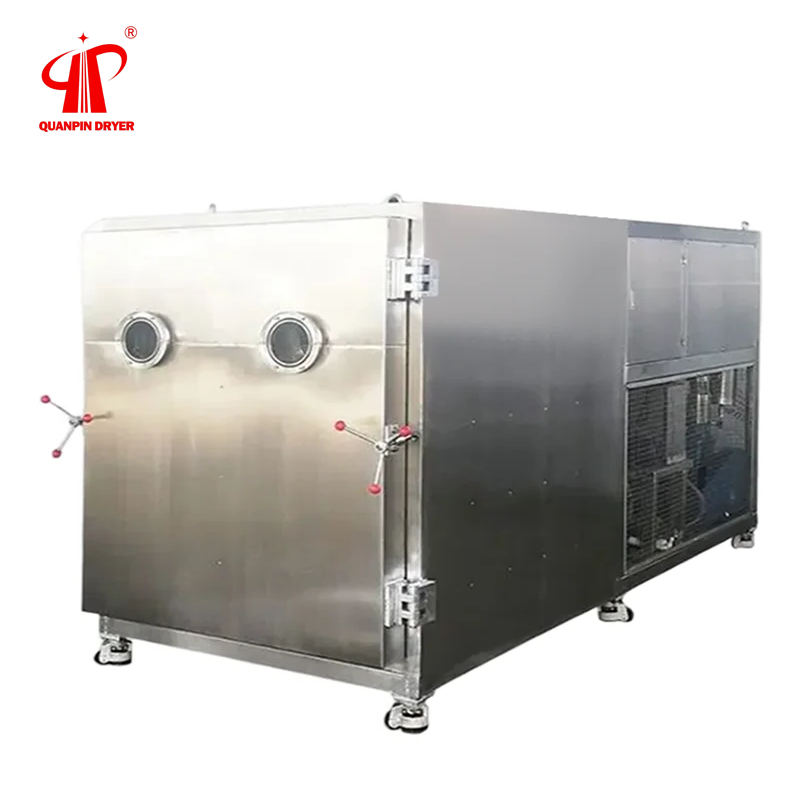
The Vacuum Freeze Dryer Machine enquiry should therefore describe the specimen and quality test alongside the drying duty. The machine name alone cannot define a customer’s desired texture.
Control five specimen and measurement inputs
Fruit maturity and tissue
Choose a traceable fruit lot and maturity range. Where one fruit contains visibly different tissue regions, define how specimens will be selected instead of testing whichever pieces happen to survive handling.
Dimensions and orientation
Keep dimensions and orientation consistent. A thicker piece can resist a higher load simply because more material is being compressed, not because the drying method produced a more desirable texture.
Pretreatment and solids
Record all pretreatments and added solids. Osmotic soaking, pulping, carriers and changes in formulation can alter the structure that remains after ice removal.
Post-drying exposure
Define post-drying exposure before testing. Time outside sealed packaging and the surrounding conditions can change the specimen, making comparisons between batches difficult to interpret.
Instrument configuration
Preserve the instrument setup: probe, support, loading speed, microphone or sensor arrangement, and event threshold. A different sound-detection threshold can change the apparent count of acoustic events.
Why peak force alone is insufficient
In an original study of osmotically treated freeze-dried strawberries, researchers combined compression and acoustic-emission measurements. The treatment associated with the hardest product was not the treatment giving the highest instrumental crunchiness.
That result does not prescribe a preferred sugar treatment for every snack. It shows why a development team should state which texture response matters before comparing proposed processes.
A product can satisfy a moisture endpoint while missing the intended bite. Keep dryness, mechanical behaviour and sensory acceptance as separate observations in the trial report.
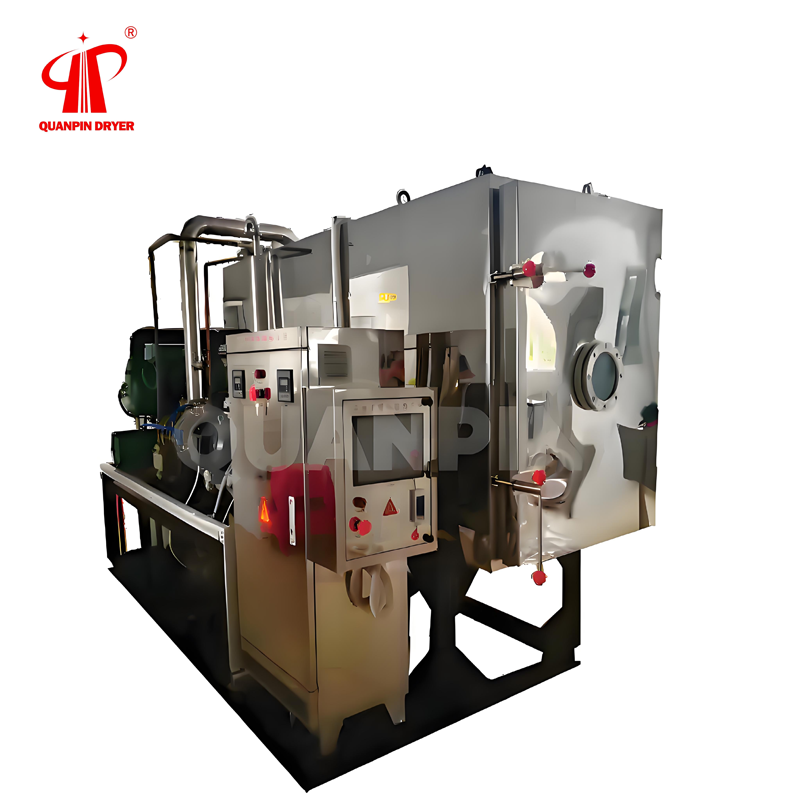
Describe a vacuum freeze drying machine as part of the proposed process, not as a guarantee of a universal crispness result. The actual formulation and process need their own demonstration.
Build the texture test in six steps
Choose the reference
Start by choosing a representative product reference. Record its source, packaging condition and age so the comparison can be repeated rather than relying on a remembered eating experience.
Allocate matched specimens
Allocate matched specimens to moisture, structural and mechanical measurements. Destructive measurements should use separate, equivalently prepared portions rather than repeatedly testing a damaged piece.
Record complete force traces
Collect force against displacement throughout the test. Preserve the full trace: a single maximum hides the sequence of small fractures that may distinguish brittle material from a more continuous deformation.
Synchronize acoustic data
Where acoustic testing is available, synchronize sound events with mechanical loading. Define the background-noise treatment and retain raw recordings so event detection can be reviewed.
Repeat transparently
Repeat the test on multiple pieces from each defined group. Report variability and damaged specimens transparently, including the rule used to exclude a result.
Validate product relevance
Compare instrumental observations with a suitable product assessment. Agree the sensory procedure and intended-use conditions rather than claiming that an instrument directly measures consumer preference.
Use original experiments without transferring their limits
Reconstructed fruit gels
Research on apple gels and freeze-dried materials varied composition and preparation. The effects on mechanical and acoustic behaviour were different for wet gels and their dried forms, so testing only the starting gel would have missed relevant changes.
A structured fruit formulation should consequently be assessed after the actual drying route. A conclusion about intact fruit tissue should not be silently applied to an agar-based fruit gel.
For a new formulation, identify whether a change arose before drying, during structure formation or during subsequent exposure. This makes the comparison more informative than simply ranking final samples by hardness.

Maturity and alternative drying
An ultrasound-assisted hot-air apple study measured both mechanical and acoustic responses and considered maturity. It provides evidence that sample history can matter; it is not evidence that ordinary freeze-drying equipment includes ultrasound treatment.
Keep the raw-material comparison distinct from an equipment comparison. If fruit maturity changes together with the process, the final texture difference cannot be attributed to the dryer alone.
When considering a different technology, test it as a separately identified process route. Do not combine unrelated apparatus results into a single claimed specification for a commercial machine.
Dry texture versus rehydrated quality
A whole-strawberry micro-perforation study evaluated drying time and quality after rehydration. Rehydrated texture is a different endpoint from the acoustic crispness of the dry snack.
Likewise, research comparing sliced and pulped strawberries before freeze-drying investigated drying behaviour and physicochemical quality. A preparation giving useful drying results does not automatically provide the geometry required for a crisp whole-fruit snack.
These examples support a test plan with clearly named endpoints. They do not establish a universal pretreatment, a QUANPIN production rate or a guaranteed customer preference.
Read force and sound together
Inspect the force trace for abrupt fractures, repeated peaks and continuous deformation. Use a consistent analysis rule and show representative traces, rather than choosing the most dramatic-looking example.
Read acoustic-event counts together with energy and force measurements. Many detectable small events and a few energetic events describe different behaviours and may need different interpretation.
Check whether an apparent difference survives reasonable variation among pieces. Irregular natural fruit can create substantial variation even when the process is held constant.
If results disagree, first review dimensions, maturity, exposure and test settings. Repeating a changed method more often does not make it comparable to the original method.
Connect measurements with intended use
Use sensory work to connect an instrumental signature to the intended product. Record how samples are presented and handled so testing itself does not erase their differences.
Keep conclusions proportional to the evidence. A panel or instrument result from one formulation supports that comparison, not every fruit product bearing the same equipment description.
Prepare a freeze-dryer trial enquiry
Supply the fruit identity, cut geometry and preparation route for an equipment enquiry. Include whether the sample contains skins, added solids or a reconstructed gel structure.
State the intended product use and the reference texture. Explain whether breakage during transport or eating quality is the principal concern, since these may require separate tests.
Describe the proposed freezing history and drying observations. Any required product-temperature measurement or endpoint method should be agreed as part of the trial scope.
Identify the tray arrangement and actual loading proposal. A texture study using a small specimen does not demonstrate a production batch’s drying uniformity.
Document unloading and packing conditions. Define who controls exposure between removal from the dryer and sealing of the specimens for comparative testing.
Ask which process and quality measurements are included in the quotation. Drying Equipment should be compared on an agreed duty and demonstrated results rather than an unsupported texture adjective.
Evaluate the proposed configuration
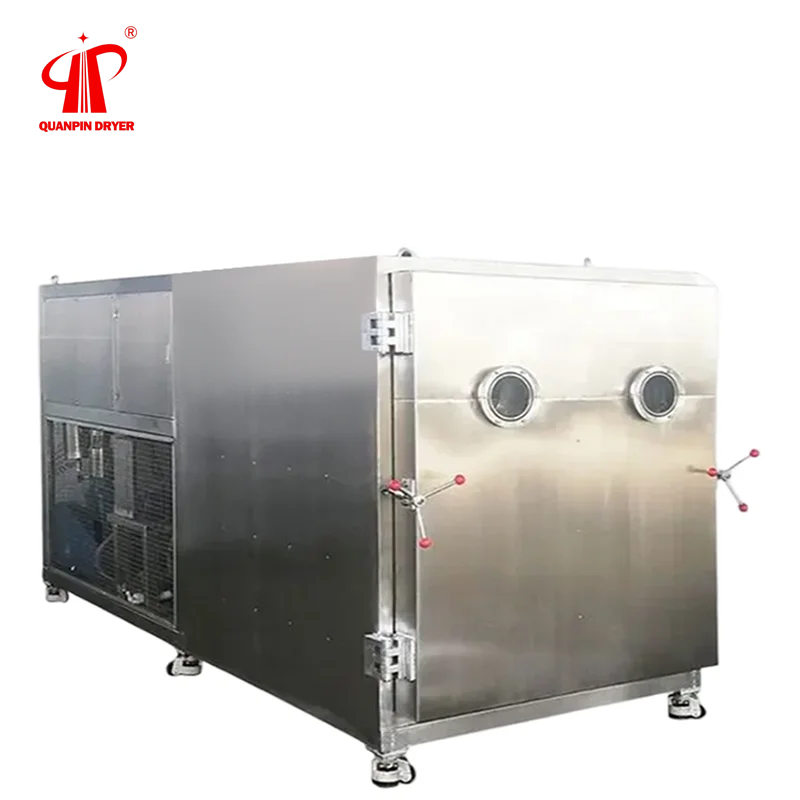
Select a configuration after reviewing the material and proposed trial. The relevant question is whether the process can be evaluated against the defined product criteria, including handling and packing.
Do not use a published experiment’s shelf programme as an automatic commercial recipe. Formulation, geometry, load and apparatus differences need to be addressed by the project team.
Decide what constitutes a demonstrated result
A useful acceptance package combines traceable specimens, declared test settings, replicate force data, relevant acoustic observations and the agreed product assessment.
If the required texture has not been achieved, retain the result as development evidence. It can guide the next controlled change without being described as a successful production demonstration.
Frequently Asked Questions
Does harder mean crisper?
No. Maximum force describes resistance under the selected method. Crispness involves fracture behaviour and often acoustic information; a harder product is not necessarily a crisper product.
Can different piece sizes be compared?
Not without controlling specimen geometry and loading method. Different dimensions or support conditions can change the measured force independently of the desired eating quality.
Is sound measurement useful?
It can provide useful evidence when collected and analysed consistently with the force trace. It does not replace defining the product, controlling specimens or validating the intended-use assessment.
Is rehydrated texture equivalent?
No. Rehydration changes the material and the relevant endpoint. Test the dry snack and the rehydrated ingredient separately when both uses matter.
Can recipes share the same result?
No. Added solids and preparation history can change the structure formed during freezing and drying. Evaluate the actual recipe rather than borrowing another formulation’s texture result.
What should the first trial include?
Bring a traceable material, a reference product, the intended use and the proposed test method. Agree the sampling, handling and acceptance rules before comparing trial programmes.
Discuss Your Fruit Freeze-Drying Trial
Discuss the material, processing objective and required trials with QUANPIN. Review the equipment information and the relevant industry applications, or send an enquiry through our contact page.
Email sales@qpdryer.com or stacie@qpdryer.com. Call +86 19850785582 or contact WhatsApp +86 15921493205 to discuss the proposed scope.
For process evaluation, consider the food vacuum freeze dryer for a freeze-drying route when the formulation and quality targets justify it. Confirm suitability with representative material, the required product properties and the proposed process conditions.