Hot-Air Grain Drying Trials: Evaluate Tempering Time and Delayed Kernel Cracking
By QUANPIN
Pausing a grain-drying trial can change the moisture distribution within a kernel, but the pause also consumes real process time. Assess drying and tempering as one documented schedule, then inspect delayed cracking rather than accepting the grain from its immediate appearance alone.
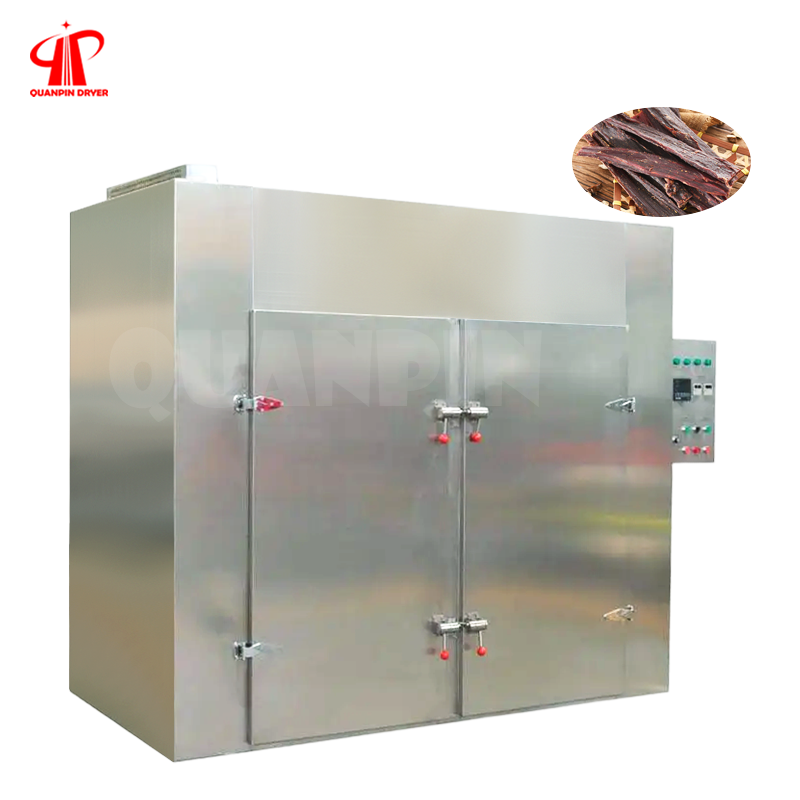
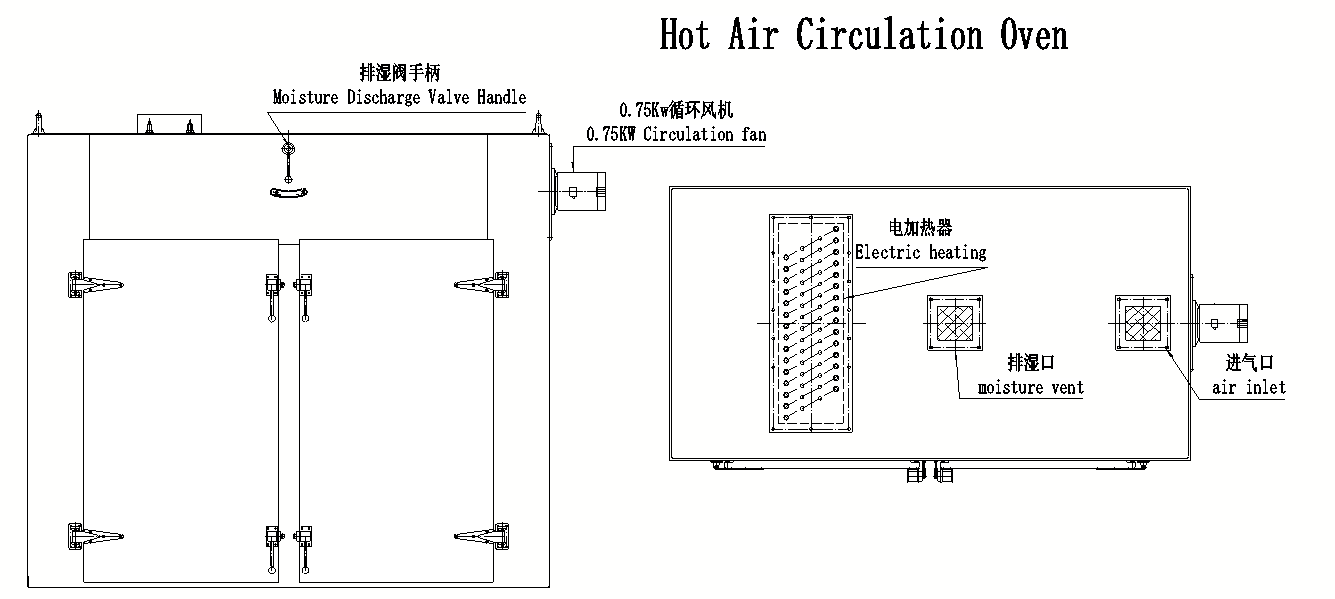
A hot air circulation oven can support suitable small batch material investigations. A paddy recirculating dryer, a laboratory thin-layer apparatus and an oven are different systems; published grain schedules do not demonstrate an untested QUANPIN configuration.
Define tempering as a controlled stage
Tempering is a defined holding stage between drying periods. Its purpose in a study is to investigate redistribution of heat and moisture, not simply to leave an undocumented gap in the drying record.
Specify where the material is held and whether temperature and humidity are controlled during that period. A warm sealed hold and exposure to cool room air are different treatments.
Keep the material and apparatus explicit
Start with a clear product identity: rough rice, brown rice and fortified extruded kernels are not interchangeable specimens. Their structures and downstream quality requirements differ.
For a hot air drying oven development enquiry, provide the actual material and intended test. Present literature as evidence for questions to investigate, rather than as a ready-made industrial programme.
Record five inputs before comparing schedules
Initial grain condition
Record variety and lot, initial moisture and the existing cracked-kernel fraction. A test cannot attribute pre-existing defects to the proposed drying schedule.
Bed and specimen geometry
Specify the bed depth, specimen mass and supporting surface. Moisture movement in a thin layer need not represent a deeper production bed or a recirculating bulk load.
Air conditions and locations
Measure the relevant drying-air conditions and identify sensor locations. A temperature setpoint does not describe every aspect of the air that reaches the specimen.
Stage definitions and transitions
Define each drying period, each hold and the transition between them. Record elapsed time continuously so interruptions cannot disappear from the comparison.
Delayed inspection conditions
Choose inspection times after the process as well as at discharge. Delayed defects require a declared holding condition before they can be compared reproducibly.
Use staged-drying evidence within its scope
A two-stage variable-temperature paddy study used a recirculating grain dryer and compared material quality as well as drying behaviour. Its findings were explicitly limited to the rice variety and investigated arrangement.
This supports testing a staged programme against the actual product criteria. It does not establish that changing temperature at the same nominal moisture value will produce the same result in an unrelated apparatus.
Separate the proposed mechanism from a demonstrated outcome. Moisture redistribution is a useful reason to investigate tempering; reduced cracking still needs measurement on the relevant material.
A tray dryer trial brief should identify both its moisture endpoint and its structural-quality assessment. Neither observation alone describes the complete process result.
Run a drying and tempering comparison
Prepare comparable portions
Prepare comparable portions of one characterized lot. Include an appropriate reference programme, and keep initial moisture and the handling route consistent between groups.
Choose experimental factors
Define the experimental factors and the number of independent runs. Change a manageable set of variables so a difference can be interpreted without several uncontrolled changes competing for explanation.
Log every stage
Log drying and tempering transitions. Identify whether the pause occurs inside the chamber or after transfer, including any exposure during weighing or movement.
Measure moisture consistently
Determine moisture by the agreed method and report its basis. If a rapid instrument is used for decisions during the trial, document its relation to the reference measurement.
Inspect retained specimens
Retain portions for later crack inspection under defined conditions. Record the scoring method, observer procedure and denominator used to calculate the fraction of damaged kernels.
Assess downstream quality
Measure the relevant downstream response separately, such as an agreed milling or cooking test. A crack count is not automatically equivalent to every finished-product quality measure.
Read original rice studies critically
Tempering models and ratio definitions
Research on drying accumulated temperature and tempering fitted models to specific rice experiments. A reported favourable tempering ratio belonged to that experimental domain, rather than being a general constant for every grain.
State how a ratio is defined before comparing reports. Hold time divided by drying time is a different quantity from hold time as a fraction of the complete elapsed schedule.
A model with a good fit remains tied to its observations. Validate any proposed prediction outside the original material, initial condition or apparatus before using it for an acceptance decision.
Multiple process and quality responses
In a multivariable rice-quality study, researchers considered drying temperature, humidity, initial moisture, air velocity and tempering ratio. They recorded net drying time and total time as distinct responses.
That distinction matters commercially: a schedule can reduce active drying while extending the elapsed batch duration. Compare both measures before discussing throughput or utility implications.
Use a study design that includes the quality outcome as well as time. Optimizing a single time metric can miss an unacceptable change in the material.
Delayed damage and different heating methods
A Kyushu University brown-rice experiment observed that cracking could develop after drying. It selected a later inspection time after examining how the cracking response changed during holding.
The original fortified-rice microwave study also assessed tempering and fissures, but its microwave heating and extruded material differed from hot-air paddy drying. Only the experimental question, not its power settings, transfers to this discussion.
Keep those material and technology differences visible in the report. Evidence from a distinct process helps identify possible confounders; it cannot certify another system’s operating conditions.
Present time and damage without ambiguity
Plot moisture against complete elapsed time and mark each stage. Add the active-drying duration so the apparent benefit of a pause can be reviewed transparently.
Show the initial cracked fraction, the immediate observation and the later observation separately. Combining them into one unexplained number conceals when damage was detected.
Compare quality at a reasonably matched final condition. A wetter specimen may have experienced a milder drying duty, making a simple programme ranking misleading.
Where results vary substantially, review lot variation and the measurement procedure before fitting a more complicated model. Preserve unsuccessful or inconsistent runs as part of the evidence.
Define the next bounded trial
Translate findings into a bounded next trial: the material, stage definitions, measured domain and quality checks. Specify which changes remain untested.
Avoid calling the longest hold the safest or the shortest schedule the best. Select according to the agreed balance of product condition, elapsed process time and operational feasibility.
Prepare the equipment and testing enquiry
Provide the actual grain or kernel description for an equipment review. Include whether the objective is material research or a demonstrated production duty.
Supply measured initial moisture and the desired final condition. Describe the measurement method and distinguish project requirements from values mentioned in research papers.
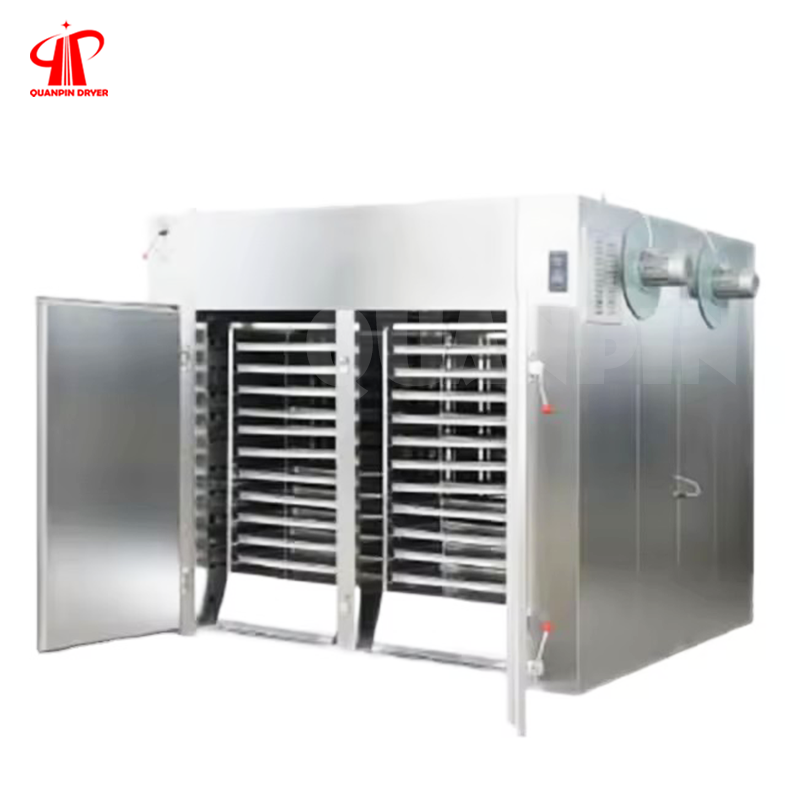
Describe loading and unloading, the proposed bed or tray arrangement and any separate tempering container. Transfers can be part of the schedule rather than invisible auxiliary steps.
Identify the air conditions and product observations the trial must record. Discuss how a proposed system could provide that evidence without assuming features that have not been confirmed.
Agree the post-drying specimen hold and delayed inspection. Confirm who performs crack scoring and any downstream milling or cooking assessment.
Compare hot air tray dryer price only against a defined scope. A quotation cannot be meaningfully ranked if tempering, handling and quality-testing responsibilities are left different between proposals.
Match the equipment to the real grain duty
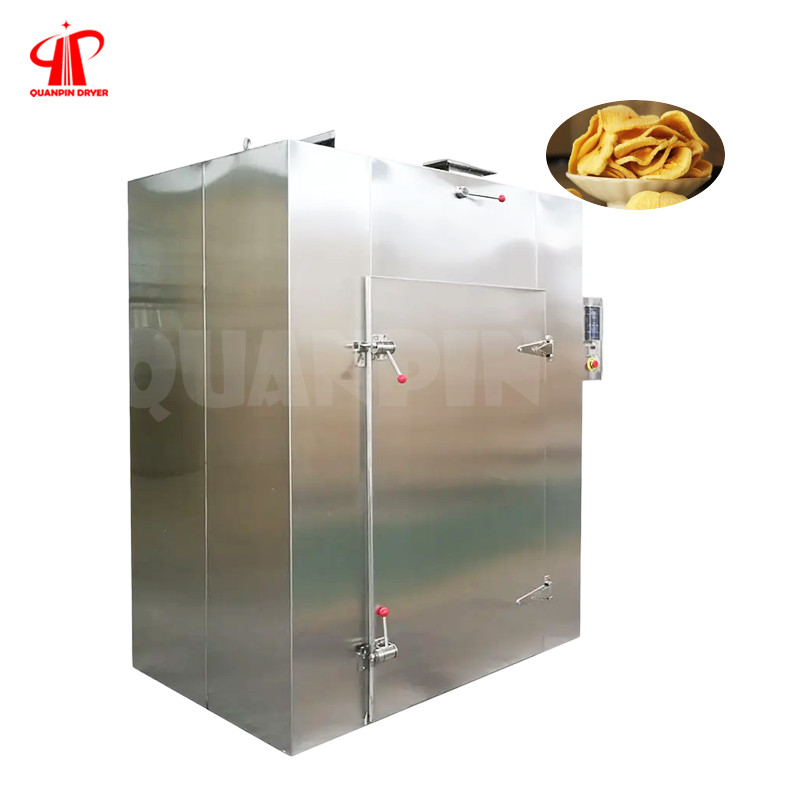
Select the appropriate equipment route after reviewing the real duty. A batch tray investigation does not demonstrate the capacity or circulation behaviour of a specialized grain-drying line.
Published temperatures, moisture thresholds and hold ratios are not guaranteed settings for a new project. A suitable configuration and programme need material-specific trials.
Agree a complete acceptance record
A defensible result includes a complete time log, moisture measurements, declared holding conditions and replicated quality observations at agreed times.
If delayed cracking remains unmeasured, report that limitation. It is more useful to identify the missing observation than to accept the programme from an immediate photograph.
Frequently Asked Questions
What is tempering?
It is a defined holding stage used to investigate redistribution of heat and moisture. Its conditions and duration must be specified; an unexplained interruption is not a reproducible treatment.
Is discharge inspection enough?
No. Studies on brown rice show that cracks may become apparent later. Select inspection times and holding conditions appropriate to the actual material and study objective.
Can all rice materials be combined?
No. Hulls, prior processing and formulation affect structure. Rough rice, brown rice and fortified extruded kernels should remain separately identified throughout the trial.
Why report elapsed time?
Because the hold also occupies time. Reporting net drying alone can make an extended schedule appear faster even when the full batch takes longer.
Can microwave settings guide hot-air operation?
No. Microwave power settings and responses in fortified kernels do not establish a hot-air programme. They can help frame a separate study, with the technology difference stated.
What should an enquiry include?
Bring a characterized lot, a proposed schedule and a clear quality requirement. Agree active and elapsed time, the moisture method, delayed inspection and the handling interfaces before the trial.
Discuss Your Controlled Drying Trial
Discuss the material, processing objective and required trials with QUANPIN. Review the equipment information and the relevant industry applications, or send an enquiry through our contact page.
Email sales@qpdryer.com or stacie@qpdryer.com. Call +86 19850785582 or contact WhatsApp +86 15921493205 to discuss the proposed scope.
For process evaluation, consider the hot air oven for batch tray drying with circulating hot air. Confirm suitability with representative material, the required product properties and the proposed process conditions.