High Shear Granulator Development: Interpret Binder Viscosity alongside Powder Wetting
By QUANPIN
A high shear granulator study should examine binder behaviour in contact with the actual powder. A viscosity value alone cannot explain every change in wetting, granule growth or composition.
For pharmaceutical development, define the liquid, powder and intended observations together. A binder description becomes useful when its measurement conditions and formulation context remain clear.
Define the Liquid-Powder Question
Viscosity describes resistance to flow under stated conditions. Wetting concerns interaction between the liquid and the powder surface, so the two terms should not be treated as synonyms. The incoming powder also matters. Particle characteristics and agglomerate condition can change how liquid reaches the material and how the resulting wet mass responds.
A rapid mixer granulator comparison should identify what actually changed. Polymer grade, concentration and liquid composition can introduce several differences simultaneously.
Describe the Complete Comparison
Keep the equipment arrangement explicit. Research on another formulation or apparatus provides context rather than a validated operating instruction for QUANPIN equipment.
Record the binder identity, preparation method and intended condition at addition. A commercial polymer name does not fully describe the prepared granulating liquid.
Record Five Material Inputs
Binder preparation
Describe the viscosity measurement and its conditions. Preserve the original method rather than comparing unqualified values from different preparation histories.
Viscosity measurement
Identify the actual powder formulation and lot. Powder differences can influence interpretation even when the nominal binder preparation remains unchanged.
Powder identity
Describe the agreed liquid-addition arrangement and sequence. The same total addition does not establish identical local liquid distribution.
Liquid-addition arrangement
State which observations will evaluate the granules. Size, composition and mechanical behaviour need methods suited to their distinct questions.
Granule evaluation
An original high-speed mixer experiment measured binder distribution across granule size fractions in a pharmaceutical model formulation. Its binder was introduced using a dry-mixing addition method.
Interpret Distribution and Power Evidence
The binder-distribution experiment found that process conditions affected size, strength and the distribution of binder across the collected fractions. The median fraction alone did not describe every fraction.
This supports investigating actual distribution rather than inferring it from a nominal binder addition. Its experimental findings do not specify QUANPIN operating conditions or a universal endpoint.
Define the evidence required before attributing an observation to binder behaviour. A plausible mechanism can guide study design without replacing the experiment.
Before preparation, confirm powder and binder identities. Keep formulation revisions visible so a later comparison describes the actual materials tested.
Follow Six Development Stages
Before preparation
During binder preparation, preserve the sequence and observations. Incomplete preparation or unexplained appearance changes deserve attention before results are interpreted.
During binder preparation
At addition, record delivery arrangements and interruptions. Local exposure can differ even when recorded total liquid quantities appear similar.
At addition
During wet massing, retain actual operation and observations within approved procedures. Do not make unreviewed adjustments simply to reproduce a published curve.
During wet massing
At collection, identify the material represented by each specimen. A selected granule portion does not describe every other size fraction.
At collection
During later evaluation, preserve drying and analytical preparation history. These steps help define the specimen behind each reported result.
During subsequent evaluation
A high shear mixer granulator comparison should distinguish measured liquid properties from inferred mechanisms. Label an explanation as a hypothesis when supporting observations are absent.
Separate Measurements from Mechanisms
Consider physical state
Compare preparations under an explicit plan where feasible. Changing powder, liquid and delivery arrangements together complicates a single-property explanation.
Preserve findings that contradict the expected trend. They can reveal a material difference, sampling limitation or unrepresented mechanism.
Binder type and molecular weight can influence several properties simultaneously. A viscosity-only explanation may therefore hide changes in the polymer system or formulation.
Read rheology findings carefully
An original binder molecular-weight experiment examined PVP and HPMC using agitating-fluidized granulation. Granule size and strength varied with the studied binder preparations.
That apparatus differs from a batch high-shear granulator. Its findings illustrate formulation dependence, not a universal viscosity setting or a validated QUANPIN performance relationship.
Wetting and composition need separate attention. An overall granule-size description does not establish equal ingredient distribution across every collected portion.
Keep conclusions formulation-specific
Research into the origins of content non-uniformity found contributions from dry-stage segregation and redistribution during wet massing in a model pharmaceutical blend.
Keep both stages in the interpretation. Do not attribute every composition difference to liquid wetting while disregarding the starting dry mixture.
A high shear wet granulator study should connect its proposed explanation with appropriate collection and analysis. Identify which observation can test each hypothesis.
Connect Wetting with Composition
Water incorporated into wet granules need not have the same molecular mobility in every formulation. Fillers and binders can change the state investigated by a suitable analytical method.
An original time-domain NMR experiment used a high-speed granulator and examined water mobility in granules containing different fillers. Binder-related differences remained detectable after granulation.
This supports considering the actual liquid-solid system rather than relying on total water quantity alone. NMR observations do not independently supply a viscosity value or prove an operating mechanism for another formulation.
A model can help investigate particle interactions without directly measuring every mechanism. Its usefulness depends on the material representation and the experimental observations used for comparison.
Compare Formulations within Their Boundaries
An original experimental and numerical high-shear granulation study compared predicted growth with laboratory measurements using microcrystalline cellulose and an aqueous PVP binder. It connected its particle-contact model with the observed evolution of granule size.
This comparison did not establish a universal binder-viscosity relationship. It supports checking a model against relevant experiments, while retaining the formulation and laboratory equipment boundaries before applying predictions elsewhere.
Investigate Conflicting Observations
If size changes without the expected composition pattern, retain both observations. They measure different attributes of the collected material.
If a power signal changes without a corresponding granule observation, investigate context before selecting an explanation. Neither result should be dismissed merely because they disagree.
Prepare a wet granulation enquiry with the formulation family, binder preparation and processing objective. Identify observations needed to evaluate the equipment duty.
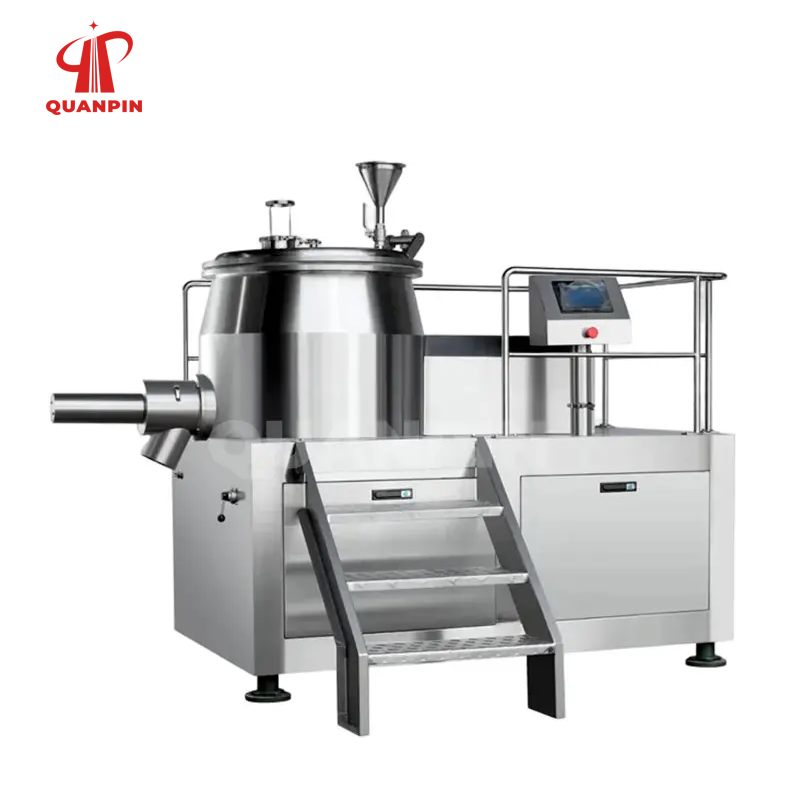
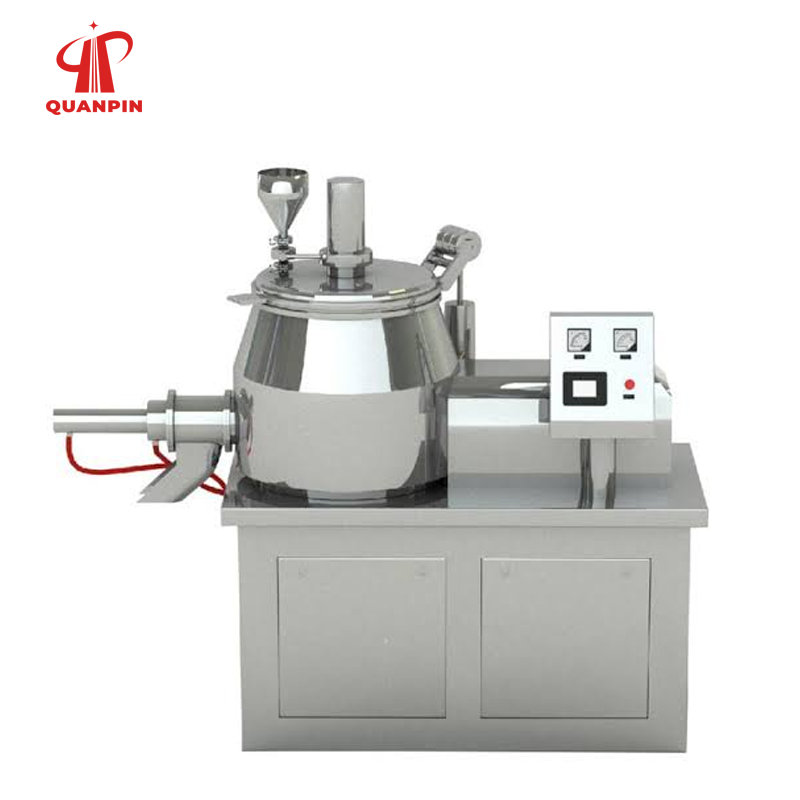
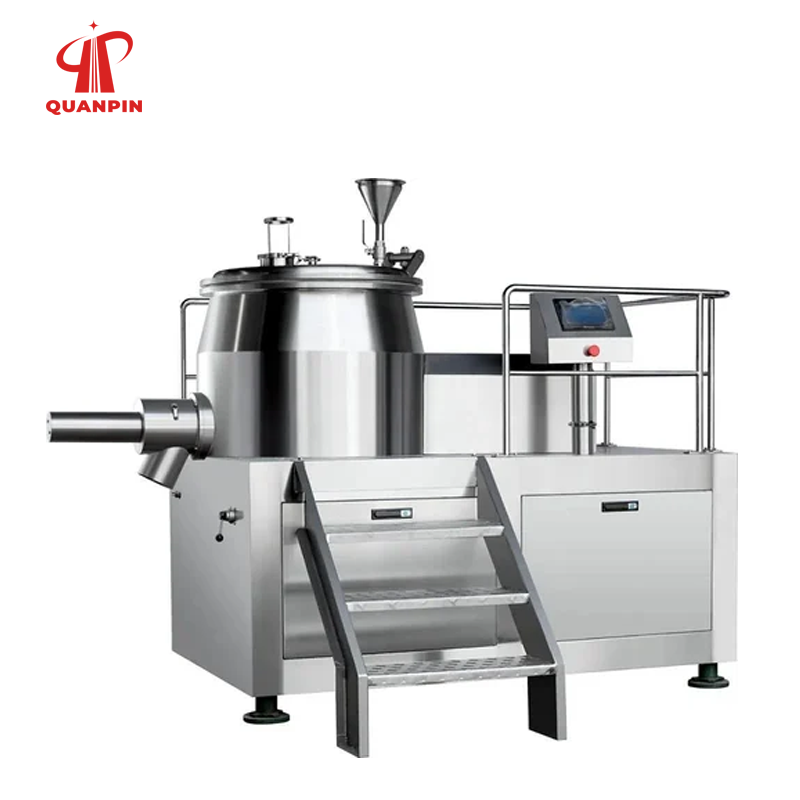
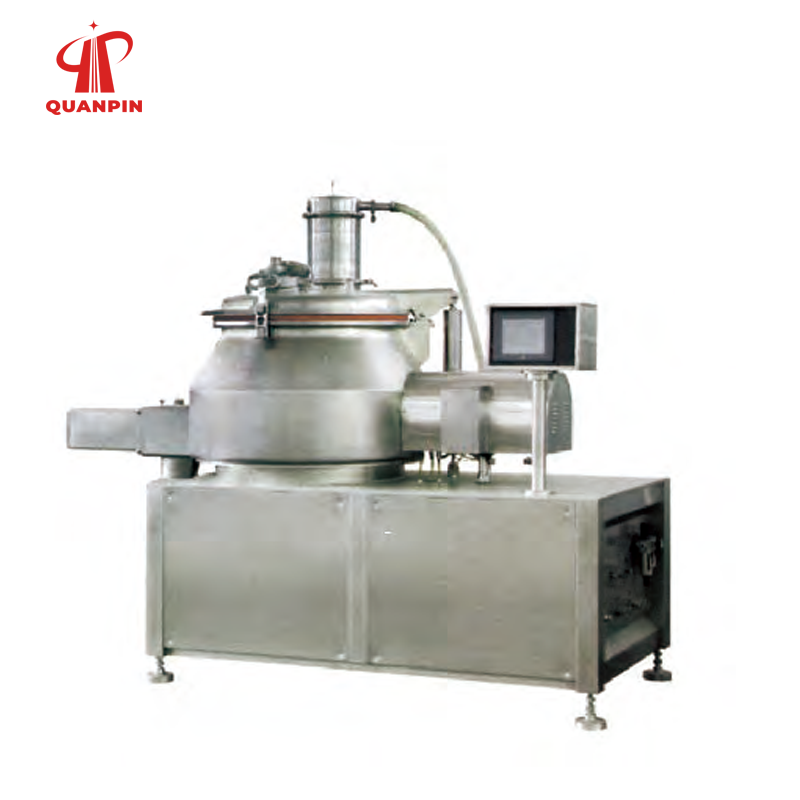
Ask QUANPIN to confirm liquid-addition and operating interfaces. A photograph does not establish every accessory, control function or installation condition.
Separate supplier observations from pharmaceutical acceptance decisions. Identify who prepares materials, performs analyses and reviews applicability before the trial.
Agree how unresolved findings will be handled. A useful proposal identifies remaining questions rather than implying guaranteed granule properties.
Prepare the Granulation Enquiry
Retain preparation details, specimen identities and analytical reports together. Reviewers should be able to trace conclusions to the actual material history.
State limitations alongside findings. Explaining what an experiment did not establish helps define the next development decision.
Retain Evidence and Limitations
Discuss the proposed granulation application with QUANPIN through the verified product and contact links below. Explain which material interactions require investigation.
A representative study connects binder behaviour with actual powder and equipment. Keep conclusions within the obtained evidence and make remaining uncertainties visible.
Frequently Asked Questions
Does viscosity measure wetting?
No. Viscosity and wetting describe different aspects of the liquid-powder system. Evaluate their relationship under actual material and measurement conditions.
Is higher viscosity always better?
No universal benefit is established. Binder state, powder properties and preparation route can change the observed response.
Can power establish viscosity?
No. Equipment power is a process response rather than a direct viscosity measurement. Interpretation requires evidence for the actual formulation and arrangement.
Can findings from another granulation arrangement be transferred directly?
Not automatically. A flow-assisted or laboratory granulation arrangement differs from the proposed high-shear mixer. Research findings require an assessment of materials, apparatus and measurements before being applied to another process.
Does granule size establish composition?
No. Granule size and ingredient distribution are separate properties. Appropriate analysis is needed for the actual composition question.
What information supports a trial?
Provide powder formulation, binder identity and preparation, relevant measurements, addition arrangements and required tests. Identify restrictions and analytical responsibilities.
Discuss Your Granulation Development
Discuss the QUANPIN GHL mixing granulator with QUANPIN. Use our contact page or the enquiry form to explain the intended material-processing application.
Email sales@qpdryer.com or stacie@qpdryer.com. Call +86 19850785582, or contact us on WhatsApp: +86 15921493205.