KZL Granulator-Crusher: Review Repeat-Sizing Authorization before Reprocessing a Pharmaceutical Batch
By QUANPIN
Returning an unsatisfactory pharmaceutical granulation to a KZL requires more than selecting another screen. The team must distinguish a new authorized processing instruction from an improvised attempt to obtain a preferred result.
A High-Speed Granulator/Crusher enquiry should identify whether the intended duty is normal sizing, development work or a specifically reviewed reprocessing operation. Explore pharmaceutical applications.
KZL Sizing Principle and Authorization Limits
The KZL uses its working rotor and fitted screen to size material. Its mechanical action does not decide whether material may be processed again.
The high speed granulator name supplies no automatic reprocessing permission. Product quality decisions and the authorized manufacturing instructions remain separate from the equipment’s sizing function.
Define the Material Stage and Proposed Operation
Start by identifying the granulation’s present stage and status. Wet material, dried granules and a rejected batch do not define the same processing question.
This review concerns authorization, identification and time boundaries before repeat sizing. It does not propose a reprocessing recipe, microbial limit or release specification.
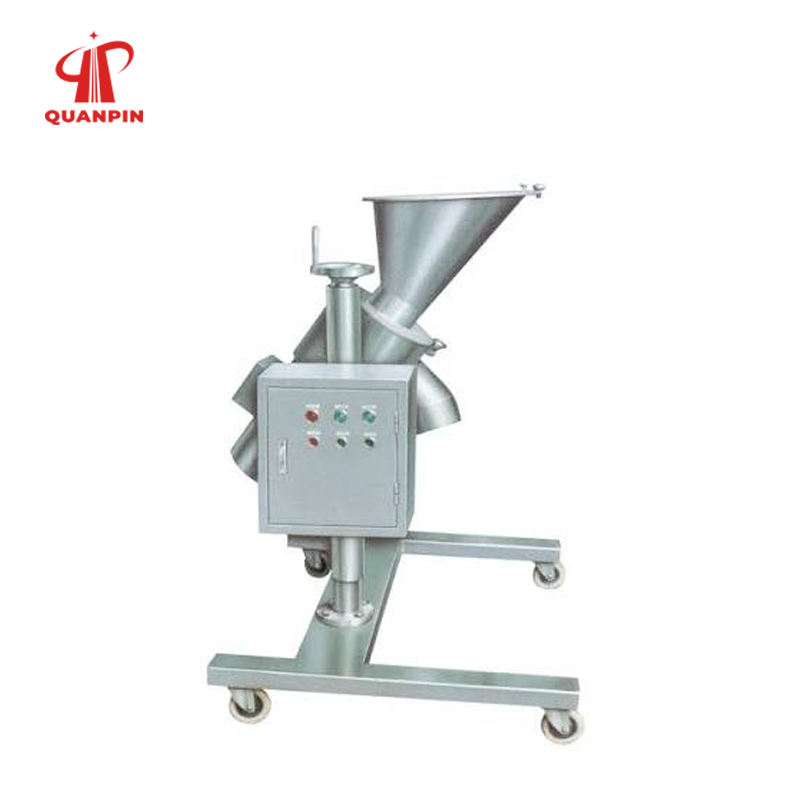
Five Steps before an Additional Sizing Pass
Identify the reason for another pass
Identify the actual material and reason for the proposed additional pass. Preserve the earlier observation rather than replacing it with the desired outcome.
Review authorized production instructions
Locate the authorized production instructions and determine whether the proposed operation is included or requires a separately reviewed procedure.
Identify material and equipment status
Record the material’s identity, current stage and the equipment involved. Keep the proposed additional operation distinguishable from the completed original sequence. Major equipment and processing lines require appropriate identification of their contents and processing stage. See 21 CFR 211.105: Equipment identification (2025 published edition).
Preserve time and handling history
Review relevant time and handling conditions before proceeding. Where an applicable limit exists, an extra sizing pass does not reset the material’s prior history.
Confirm the required quality approval
Define the quality review and approval required for the proposal. Confirm the authorized action before instructing an operator to repeat the operation. Reprocessing requires established procedures and quality-unit review and approval. See 21 CFR 211.115: Reprocessing (2025 published edition).
Keep Mechanical Changes Separate from Approval
A process screen change can alter the mechanical sizing duty. It cannot itself establish whether reprocessing is permissible for the pharmaceutical material concerned.
Likewise, collecting apparently improved granules does not cancel an earlier discrepancy. Preserve both the original record and the subsequent observations.
If the proposal concerns development rather than commercial material, state that boundary. Development activity should not silently become an authorized manufacturing instruction.
Granulation equipment selection must therefore begin with the actual material stage, proposed operation and decision owner, rather than a generic request to remove oversize.
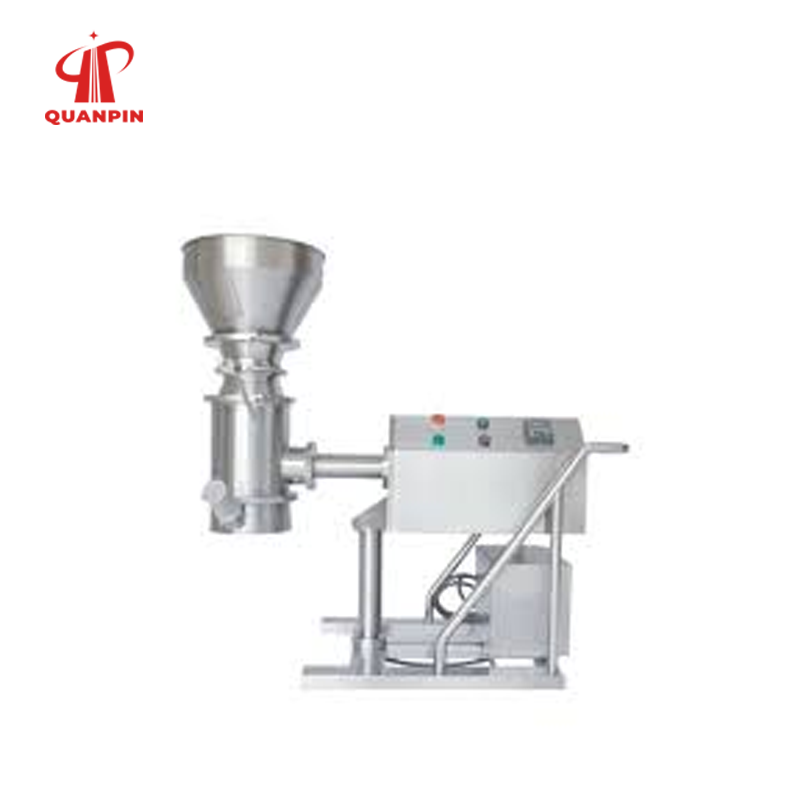
Six Repeat-Processing Interfaces
Incoming material container
The incoming container identifies the material entering the proposed operation. Its label must remain consistent with the reviewed status and processing stage.
Working rotor
The rotor supplies mechanical action. Its configuration and actual use belong to the equipment record, not to an assumed standard repeat-pass recipe.
Fitted screen
The fitted screen defines a physical sizing interface. Confirm what is installed without assuming that an aperture alone determines product acceptability.
Discharge collection
The discharge collection arrangement preserves the identity of the resulting material. Avoid mixing distinct operations before their records and status are understood.
Authorized production record
The production record links the equipment operation to its authorized instructions. A verbal request cannot supply missing written review or approval.
Receiving process
The receiving process defines the next boundary. Material must meet the applicable requirements before an additional operation or transfer can be justified.
Evaluate the Actual Reason for Reprocessing
Define the material and operation
Suppose a team proposes another pass after an unsatisfactory granule observation. First establish what was unsatisfactory and how it was measured.
An oversize observation, a moisture concern and a microbiological concern are different problems. A sizing operation should not be assumed to resolve all three.
For nonsterile pharmaceutical products, appropriate controls for objectionable microorganisms remain relevant where the material and process create that concern. Written controls for objectionable microorganisms apply to nonsterile pharmaceutical products as appropriate. See 21 CFR 211.113: Microbiological contamination (2025 published edition).
Keep responsibilities and evidence separate
A pharmaceutical granulator does not establish those controls merely through mechanical processing. The responsible organization evaluates the material and proposed handling conditions. Time limits for production phases, where appropriate, protect product quality. See 21 CFR 211.111: Time limitations (2025 published edition).
Where production-phase time limits apply, preserve actual elapsed time. Moving material to another container or repeating sizing does not create a fresh history. Master production and control records define the authorized manufacturing instructions. See 21 CFR 211.186: Master production records (2025 published edition).
The master instructions provide the authorized reference sequence. A proposed departure requires its own evaluation rather than an informal reinterpretation of the original instruction.
Confirm the specific equipment scope
If the additional operation is approved, distinguish its observations from the first pass. The record should make the actual sequence understandable later.
If it is not approved, do not imply that equipment availability provides permission. The material’s status remains subject to the responsible quality decision.
The same distinction matters in wet granulation development. A trial can investigate a defined question without authorizing routine repetition in manufacturing.
Benefits of an Authorized Mechanical Duty
A clear authorization boundary reduces ambiguity about why the KZL is being considered for an additional operation.
It also helps an equipment review focus on the actual mechanical duty instead of asking the machine supplier to make a pharmaceutical disposition decision.
These benefits concern traceability and project clarity. They do not demonstrate an improved product result or establish that reprocessing will be acceptable.
The useful commercial question is whether the confirmed configuration can be evaluated for the specifically authorized material and operation.
Prepare the Material and History Record
Provide the formulation context, material stage, reason for repeat processing and relevant observations that led to the enquiry.
Include the actual processing history and applicable time or handling restrictions. Identify missing information instead of reconstructing a preferred sequence.
Preserve Approval and Safe Handling Evidence
The authorization record should identify the reviewed procedure, responsible decision and scope of the permitted operation.
The equipment record should identify the fitted configuration and collection arrangement. Preserve the distinction between proposed and actually used components.
The material assessment should retain applicable test methods and results. A mechanical observation is not a substitute for every required quality examination.
Keep original and subsequent records together so the study or manufacturing history remains interpretable without relying on memory.
Repeat processing still requires safe equipment access and material handling. Do not inspect a screen or remove retained material while components are moving.
Containment and cleaning arrangements must reflect the actual powder and operation. No universal safe handling conditions are established by this discussion.
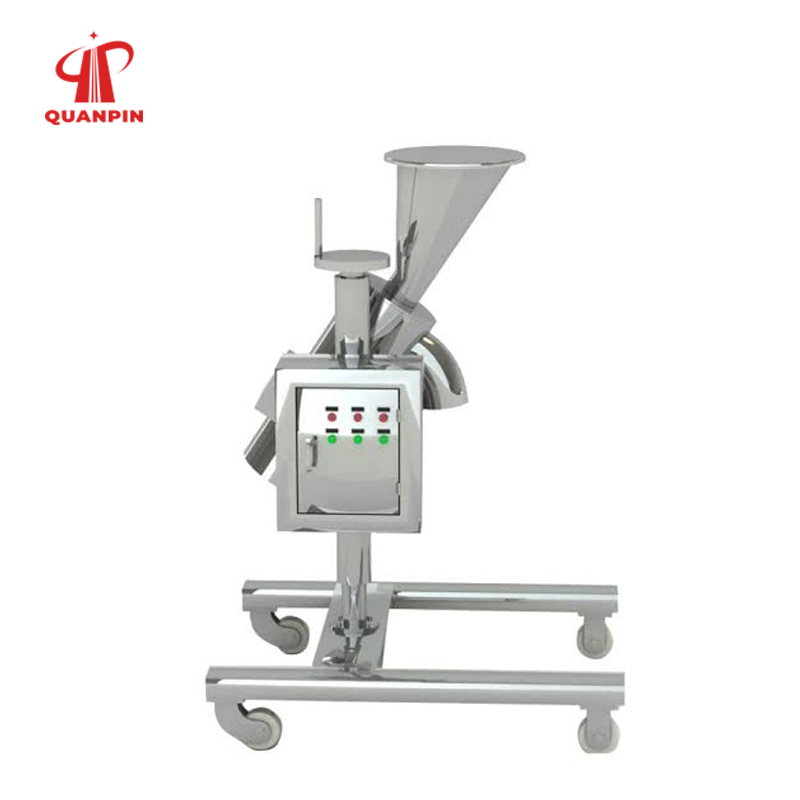
Describe the Authorized KZL Application
Send QUANPIN the authorized sizing objective, actual material stage, relevant history and proposed configuration requirements.
Explain whether the enquiry concerns development, normal manufacturing or reviewed reprocessing, so the equipment discussion addresses the correct duty.
Understand the Production-Control Boundary
The cited provisions concern production controls and authorization. They do not validate a KZL process or approve a particular reprocessing proposal.
No new parameters are introduced here. Material-specific suitability and the quality decision require their respective evidence and responsible review.
Frequently Asked Questions
Does another screen authorize reprocessing?
No. Screen selection is a mechanical decision and does not itself authorize reprocessing of pharmaceutical material.
Will repeat sizing resolve every granule problem?
Not automatically. First establish the actual problem; an additional sizing operation cannot be assumed to resolve moisture or microbiological concerns.
Does another pass reset material time history?
Keep the original processing history and applicable time limits visible. Another pass does not reset elapsed time or remove prior observations.
Does development work amend manufacturing instructions?
No. State the development purpose and limits; a trial result does not silently amend authorized commercial manufacturing instructions.
Can a later result replace the original discrepancy?
Preserve the earlier discrepancy and the actual approved subsequent operation. A later satisfactory observation does not erase the earlier record.
What should a repeat-sizing enquiry identify?
Provide the material status, reason for the proposed operation, authorized scope and relevant handling restrictions for an equipment review.
Discuss the Confirmed Sizing Duty
Discuss the confirmed KZL High-Speed Granulator/Crusher application with QUANPIN. Use the enquiry form or the contact page to describe your project.
Email sales@qpdryer.com or stacie@qpdryer.com. Call +86 19850785582, or contact us on WhatsApp: +86 15921493205.