Pharmaceutical V Blender: Keep Mixing Evidence Separate from Final Packaging and Storage Decisions
By QUANPIN
A pharmaceutical powder blend can leave a V blender before the final dosage form, package and distribution conditions are established. Those later decisions should not be implied by a successful mixing observation.
When specifying a V mixer, distinguish the powder-mixing duty from the downstream manufacturing and packaging decisions that remain with the pharmaceutical organization. Explore pharmaceutical applications.
V-Blender Principle and Downstream Limits
The rotating V-shaped vessel tumbles its contents to promote mixing. The actual formulation and operating study determine what observations can be drawn from that operation.
A V cone blender does not form a finished package or establish container compatibility. Its output remains a material at a defined manufacturing stage.
Identify the Material Stage after Mixing
This boundary matters when a project describes the same powder as a blend, bulk product and packaged product without identifying the intervening operations.
The review concerns how to keep mixing evidence distinct from packaging and storage evidence. It supplies no shelf life, packaging specification or pharmaceutical release approval.
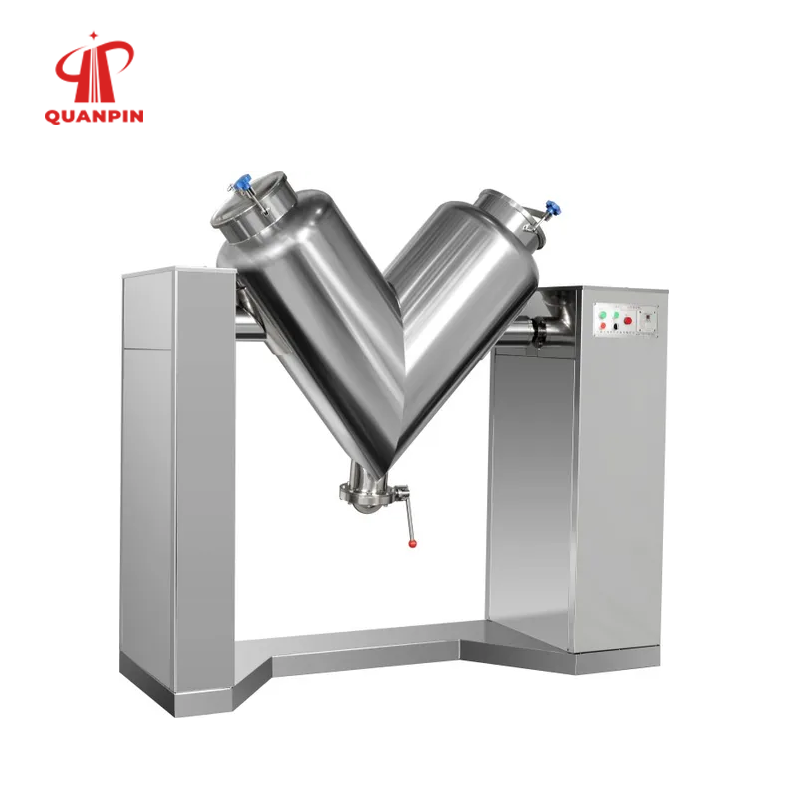
Five Steps to Define the Handover Boundary
Identify the next material operation
Identify the material leaving the blender and its next intended operation. State whether it proceeds to dosage formation, intermediate storage or another reviewed manufacturing step.
Describe the receiving container
Describe the actual receiving container and handling arrangement. Do not assume the temporary collection vessel is the final marketed drug-product package.
Separate mixing and package decisions
Separate the mixing acceptance decision from the container and closure suitability decision. Each needs evidence appropriate to its own purpose.
Identify unresolved downstream requirements
Identify which packaging, storage and dating questions remain open. A completed mixing study should not conceal those unresolved downstream requirements.
Record the handover responsibilities
Record the handover responsibilities so the equipment scope and the pharmaceutical organization’s remaining decisions are understandable to everyone reviewing the project.
Keep Equipment Scope and Finished Product Distinct
A V type mixer may be one operation in a longer solid-dosage process. Its quotation should describe the confirmed equipment rather than imply an entire finished-product system.
For example, an intermediate transfer container may be selected for moving a blend. That selection does not establish suitability for long-term packaged drug-product storage.
Likewise, a package label communicates product information; it is not a substitute for a manufacturing record identifying the blend that was actually prepared.
The equipment review becomes clearer when it names the material stage and receiving operation instead of using the word product for every boundary.
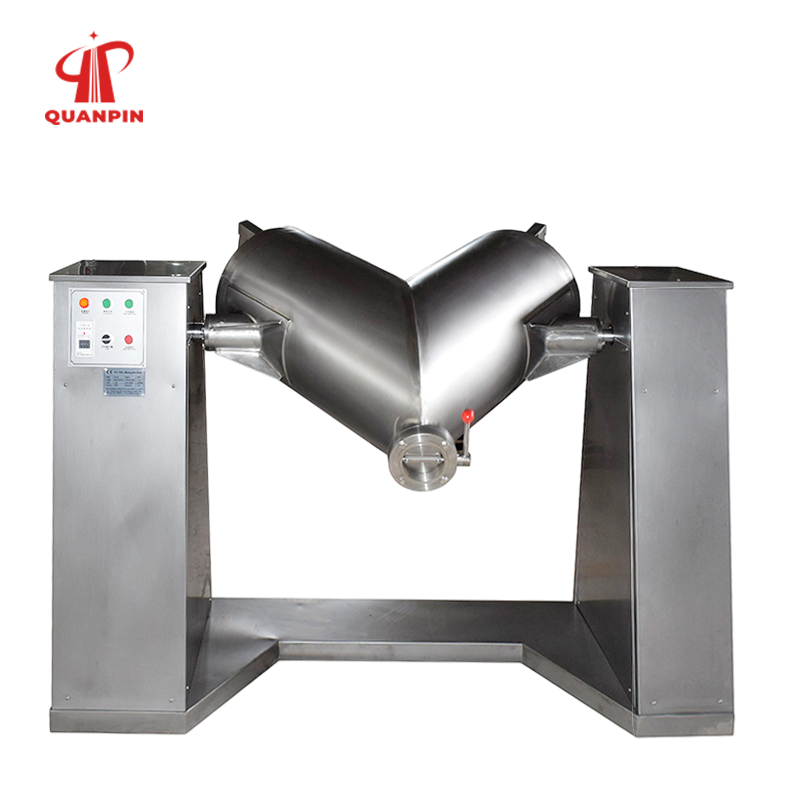
Six Mixing and Downstream Interfaces
Mixing vessel
The vessel contains the material during mixing. Its confirmed construction and arrangement belong to the equipment scope under review.
Loading connection
The loading connection defines how ingredients enter the vessel. It does not define the final packaging presentation or marketed dosage configuration.
Discharge connection
The discharge connection identifies the exit from the blending operation. Confirm the proposed receiving arrangement without inventing a transfer accessory.
Intermediate container
The intermediate container has a specific handling role. Its function should be described separately from that of the final drug-product container and closure.
Next manufacturing operation
The next manufacturing operation determines what the discharged material must support. A powder observation alone cannot establish all later process requirements.
Packaging and storage responsibilities
The packaging and storage organization owns another evidence boundary. Its procedures and decisions should not be attributed to the blender by association.
Review a Package Change on Its Own Evidence
Define the material and operation
Consider a project that changes the final package while retaining the same mixing equipment. The package change still needs its own appropriate evaluation.
The fact that powder mixing was unchanged cannot demonstrate container compatibility or the suitability of a new closure system. Drug-product container and closure suitability is a separate requirement from powder-blending performance. See 21 CFR 211.94: Drug-product containers and closures (2025 published edition).
Conversely, satisfactory packaging information does not establish that a proposed mixing arrangement will achieve the required powder condition.
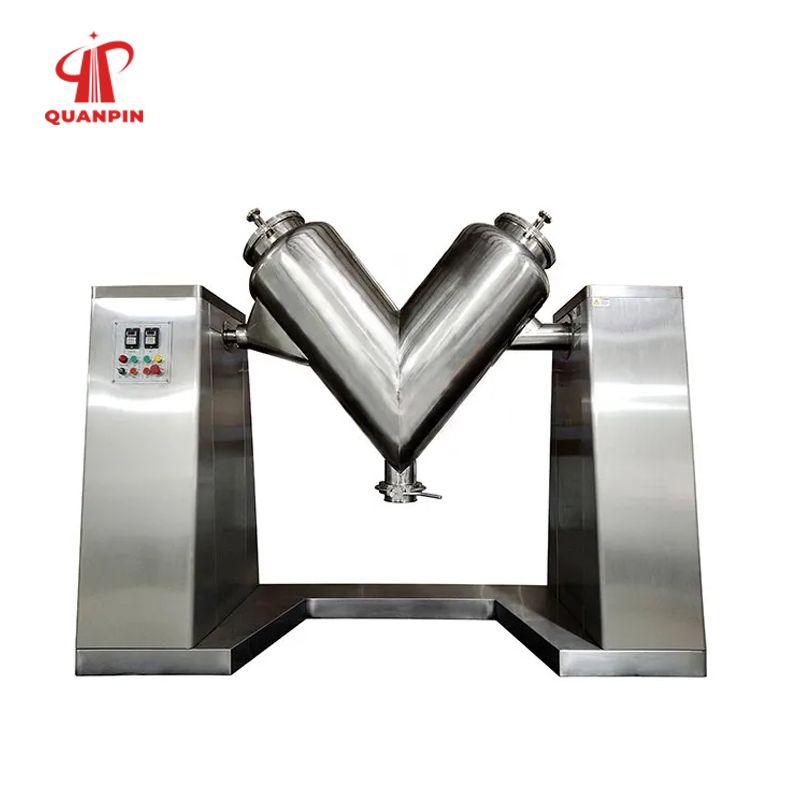
Keep responsibilities and evidence separate
For a V powder blender enquiry, keep both questions visible: the actual mixing duty and the requirements imposed by the next operation.
Warehousing conditions also have an independent role. A material’s location, status and storage conditions should remain identifiable after discharge. Written warehousing procedures address quarantine and appropriate storage conditions. See 21 CFR 211.142: Warehousing procedures (2025 published edition).
An intermediate hold should not be described as final product storage unless that is its actual authorized role. Preserve the material’s manufacturing stage. Expiration dating is supported by appropriate stability information; a blending result alone does not establish it. See 21 CFR 211.137: Expiration dating (2025 published edition).
Confirm the specific equipment scope
Expiration dating requires appropriate supporting information. A mixing result or an equipment photograph cannot establish the shelf life of a packaged drug product. Distribution procedures include lot identification so distribution can be determined when necessary. See 21 CFR 211.150: Distribution procedures (2025 published edition).
Distribution traceability concerns the finished product and its lot identification. It should remain connected to the manufacturing history without being confused with a mixer sample label.
These distinctions prevent a single satisfactory observation from becoming an unsupported statement about the entire product lifecycle.
Benefits of Clear Mixing and Packaging Scope
The practical benefit is a clearer equipment specification. QUANPIN can review the material and discharge interface actually required for the pharmaceutical V blender.
The pharmaceutical team can then identify which downstream requirements need separate evidence, procedures or coordination with another responsible party.
This improves scope clarity without promising packaging performance, stability or regulatory acceptance. Each conclusion remains tied to the evidence supporting it.
Commercial comparison should therefore distinguish the supplied mixing equipment from any separately specified transfer, packaging or warehousing arrangements.
Describe the Discharged Material and Next Operation
The material record should identify formulation context, manufacturing stage, actual ingredients and the condition required at the blender outlet.
The process record should identify the next operation and any agreed intermediate storage or handling restrictions relevant to the equipment interface.
Preserve Supply and Downstream Records
The supply record should state which loading, discharge and receiving components are confirmed. Illustrations do not establish that every depicted accessory is included.
The packaging record belongs to the appropriate downstream review. It should identify the intended container and closure rather than a generic description of a bag or drum.
The labeling-material record has its own examination and approval purpose. Keep it distinct from equipment identification and temporary manufacturing labels. Packaging and labeling materials have their own examination, approval and control requirements. See 21 CFR 211.122: Packaging and labeling controls (2025 published edition).
Storage and distribution procedures require the relevant status and lot information. The blender name cannot supply those controls automatically.
Handling arrangements must reflect the actual powder and receiving container. No universal manual-transfer procedure is established here.
Cleaning, inspection and access require the applicable stopped and isolated condition. Downstream handover pressures do not justify unsafe equipment access.
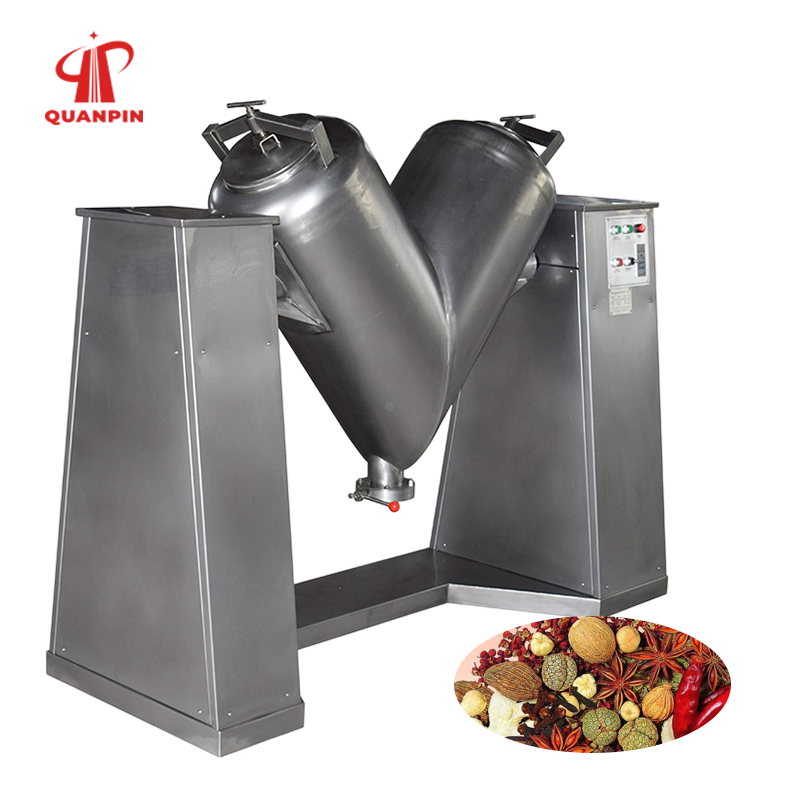
Define the Actual Blender Discharge Interface
Provide QUANPIN with the formulation context, intended mixing duty, material stage at discharge and proposed receiving interface.
Identify the next operation and which downstream requirements are already confirmed, so unresolved packaging assumptions do not enter the equipment proposal.
Understand What the Sources Establish
The cited provisions address distinct pharmaceutical packaging and storage duties. They do not establish blender performance or certify a complete production line.
No new equipment parameter or shelf-life claim is made. Confirm each proposed function and its evidence within the actual project scope.
Frequently Asked Questions
Does mixing establish final-package suitability?
No. A powder-mixing observation does not establish container and closure suitability for a finished pharmaceutical package.
Is a transfer vessel the marketed package?
Not necessarily. An intermediate transfer vessel and a marketed drug-product package serve different purposes and need the appropriate separate evaluation.
Can the blender establish shelf life?
No. Expiration dating needs its applicable supporting information; the model name and a mixing result do not establish shelf life.
What remains important after powder discharge?
The material must remain identifiable at its actual stage and status, with the applicable storage and handling arrangements maintained.
Are sample labels and distribution records equivalent?
Keep both connected to the manufacturing history, but distinguish temporary sample identity from finished-product distribution lot traceability.
What should the downstream-interface enquiry include?
Describe the mixing duty, actual discharge material, receiving arrangement and next operation, while identifying packaging decisions that remain outside the equipment scope.
Discuss the Confirmed Blending Application
Discuss the confirmed ZKH(V) V-Type Mixer application with QUANPIN. Use the enquiry form or the contact page to describe your project.
Email sales@qpdryer.com or stacie@qpdryer.com. Call +86 19850785582, or contact us on WhatsApp: +86 15921493205.