Pharmaceutical Pulverizer: Map Operator Hygiene and Facility Interfaces before Installation
By QUANPIN
A pharmaceutical pulverizer installation includes people moving powder, inspecting connections and managing waste. Equipment construction alone cannot define the hygiene arrangements surrounding these activities.
When selecting a pulverizer machine, identify which operations expose material and which responsibilities belong to the facility, the operator or an external specialist. Explore pharmaceutical applications.
Pulverizing Principle and Hygiene Limits
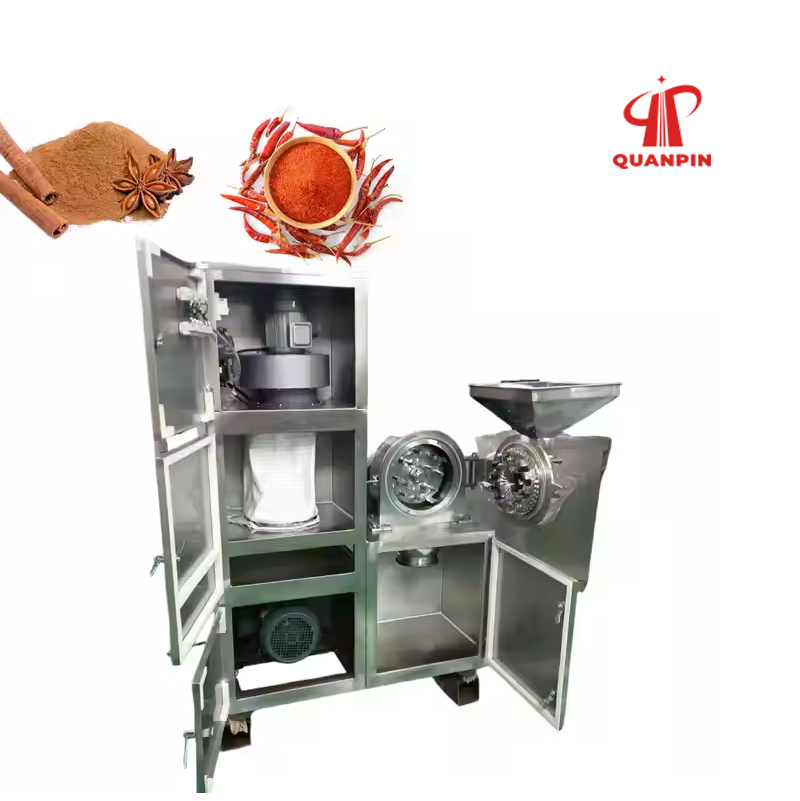
Mechanical pulverizing reduces material size through the configured working elements. The actual powder route includes feeding, grinding and collection arrangements confirmed for the project.
The term universal pulverizer does not mean universal contamination protection. Material hazards, room practices and equipment interfaces require application-specific review.
Separate Equipment Cleaning from Personnel Hygiene
Personnel hygiene addresses how people enter and work in the processing environment. Machine cleaning addresses equipment condition; neither automatically establishes the other.
The review here concerns human and facility interfaces around a nonsterile pharmaceutical powder operation. It does not claim sterile suitability or prescribe a complete hygiene program.
Five Steps to Map the Working Tasks
Map actual powder-handling tasks
Map the actual tasks, beginning with receiving the material container and ending with collected-powder transfer, cleaning and waste removal.
Assign the responsible roles
Identify who performs each task. Distinguish routine operators from maintenance personnel, cleaners, laboratory samplers and specialists advising the project.
Identify material exposure points
Describe the exposure points created by each task. A closed connection during operation may still require controlled opening during preparation or cleaning.
Review surrounding facility provisions
Check the surrounding facilities needed for those activities, including lighting, handwashing access and the route used to remove refuse.
Record equipment and site responsibilities
Record the agreed responsibilities in the project scope. An unassigned facility provision does not become part of the machine supply through assumption.
Identify Open Questions before Installation
An industrial pulverizer can be evaluated mechanically while hygiene questions remain unresolved. Keep that distinction visible before describing an installation as ready.
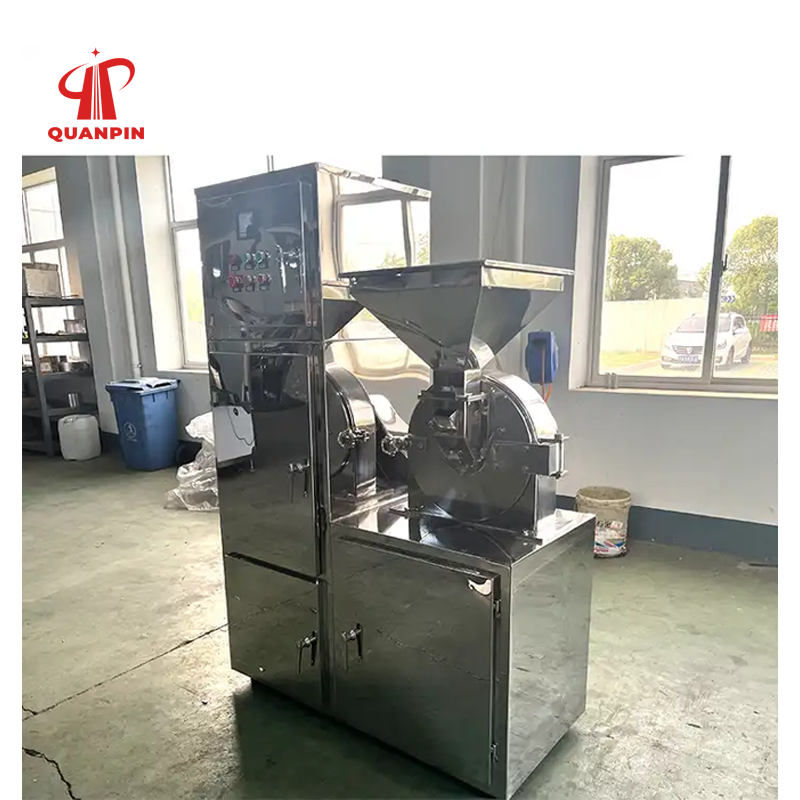
For example, a proposed feed station may require the operator to handle an opened ingredient container. Discuss the actual task rather than relying on a photograph of the closed machine.
Similarly, a collected-powder container may be moved manually after processing. The transfer procedure and destination are part of the application context.
An equipment quotation should make relevant interfaces reviewable without implying that one document approves the site’s entire contamination-control system.
Six Personnel and Facility Interfaces
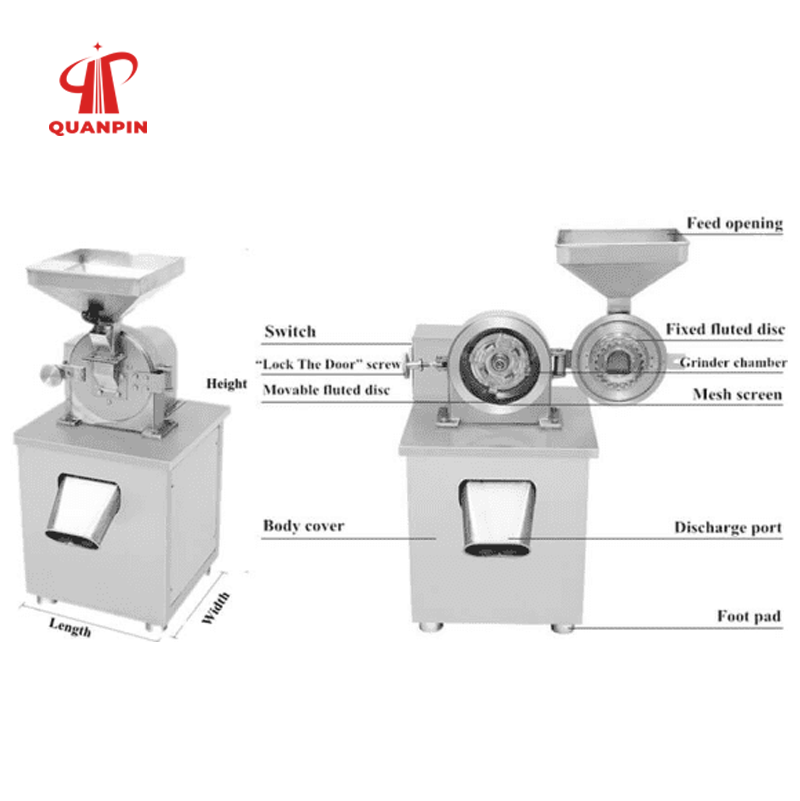
Feeding position
The feeding position is a personnel interface. Confirm access and the intended method for introducing material without inventing a loading arrangement.
Grinding chamber access
The grinding chamber is a mechanical interface. Inspections and cleaning require the authorized safe procedure rather than access during motion.
Powder collection point
The powder collection point is a handling interface. Identify how containers are connected, identified and removed in the proposed installation.
Contact components and connections
Contact components and connections require their own construction and cleaning review. Apparel or room practices cannot establish the suitability of those components.
Work-area lighting
The surrounding work area needs adequate visibility for the actual tasks. Lighting is a facility consideration, distinct from a machine’s motor rating. Adequate lighting supports the work performed in the manufacturing area. See 21 CFR 211.44: Lighting (2025 published edition).
Refuse-handling route
Waste movement is another facility interface. Describe how refuse leaves the operation without treating the product collection route as a waste route.
Follow People through the Actual Operation
Define the material and operation
Review a typical changeover by following the people involved. Identify when equipment is stopped, material is removed and parts are handled.
The operator may complete one task while another person cleans an accessory. Preserve the distinction so responsibilities are not lost within a single general instruction.
Personnel may move between rooms or activities. The responsible organization determines appropriate hygiene and protective-apparel arrangements for the actual risks. Personnel hygiene and protective apparel address contamination risks at the operation. See 21 CFR 211.28: Personnel hygiene (2025 published edition).
Keep responsibilities and evidence separate
Do not assume an external consultant has the same role as the equipment manufacturer. Record the specific service and qualifications relevant to that advice. Consultant qualifications and the service provided require appropriate records. See 21 CFR 211.34: Consultants (2025 published edition).
A powder grinding machine supplier can describe equipment interfaces. Approval of local hygiene procedures remains a separate responsibility of the pharmaceutical organization.
If the proposed room lacks necessary provisions, identify the issue before installation. An equipment image cannot establish handwashing facilities outside its frame. Handwashing and toilet facilities are facility provisions, separate from machine construction. See 21 CFR 211.52: Washing and toilet facilities (2025 published edition).
Confirm the specific equipment scope
Refuse arrangements also need practical review. Avoid creating a route that confuses rejected material, cleaning waste and powder intended for further processing. Disposal arrangements for sewage and refuse belong to the facility contamination-control boundary. See 21 CFR 211.50: Sewage and refuse (2025 published edition).
The discussion should remain proportionate to actual work. It should not invent a cleanroom classification or a containment performance level from equipment appearance.
Record any unresolved task as an open interface question. This is more useful than describing the entire operation as hygienic without supporting details.
Benefits of Explicit Responsibilities
Task mapping helps purchasing teams see what the equipment quotation actually includes and what the site must arrange separately.
It also helps operations teams identify where an instruction needs a named role rather than an undefined reference to personnel.
These benefits concern clarity of responsibility. They do not establish reduced contamination, a validated cleaning outcome or pharmaceutical approval.
When comparing an industrial pulverizer price, compare the confirmed supply scope and required site provisions, not just a family name.
Document Material and Room Context
The application record should identify the powder, intended product route, known hazards and expected manual handling activities.
Include the proposed room arrangement and access restrictions when available. Identify assumptions that still need confirmation with the responsible site team.
Preserve Responsibilities and Safe Access
The responsibility record should state who prepares, operates, samples, cleans and maintains the installation, including any specialist involvement.
Where advice comes from a consultant, identify the service provided and relevant qualifications. Do not convert advice into an unsupported equipment certification.
The facilities record should distinguish equipment connections from room lighting, washing facilities and refuse handling arrangements.
Keep actual procedures available for review. General hygiene language should not conceal an undefined task at an exposed powder connection.
Personnel protection must reflect the specific material and task. This article establishes no universal apparel combination or exposure limit.
Maintenance and cleaning access require stopping and isolation according to the applicable procedure. Hygiene objectives do not justify working near moving components.
Define Equipment and Site Interfaces
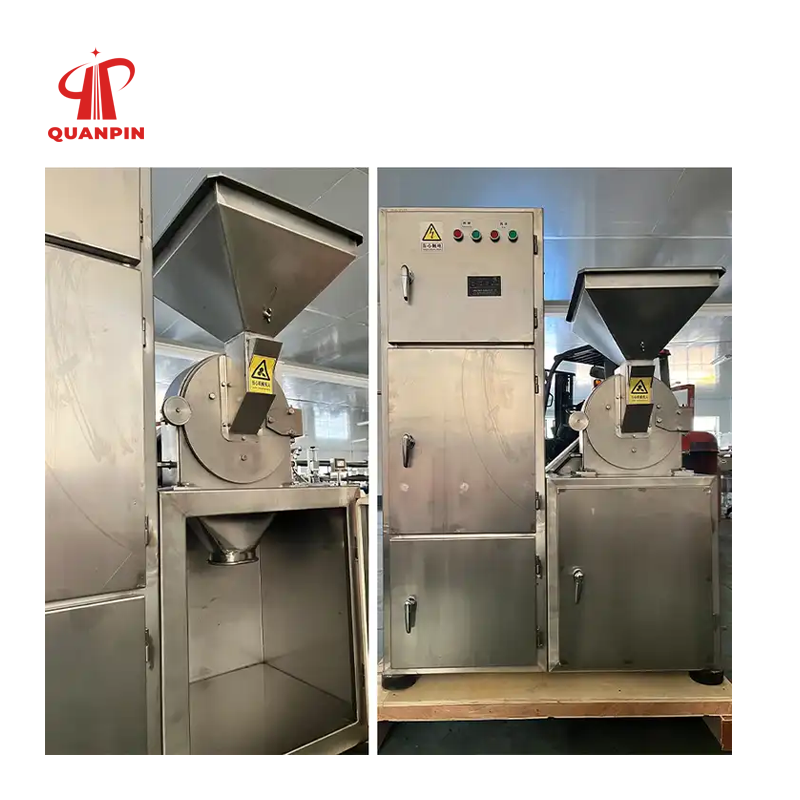
Provide QUANPIN with the actual powder route and list the manual tasks expected at feeding, collection and changeover.
Ask which interfaces are included in the proposed equipment scope and which need coordination with the site or another responsible party.
Understand the Source and Readiness Limits
The cited provisions address personnel and facility conditions. They do not prove pulverizing capacity, containment efficiency or compliance of a particular installation.
Machine selection and facility readiness remain linked project questions with different evidence. Confirm both before making a broad readiness claim.
Frequently Asked Questions
Does universal pulverizer mean universal hygiene protection?
No. The equipment name describes its mechanical duty; it cannot establish the hygiene program for every material and room.
Are personnel hygiene and equipment cleaning equivalent?
They are connected but distinct. Personnel hygiene, equipment cleaning and facility provisions need their own applicable procedures and evidence.
Can a photograph establish facility readiness?
No. A photograph cannot establish all surrounding facilities, actual tasks or the approved handling procedures for an installation.
How should consultant advice be identified?
Identify the service provided and the relevant qualifications. Keep that advice separate from unverified claims of equipment certification or site approval.
What should a price comparison include?
Compare the actual equipment and interface scope. An attractive price does not explain who supplies or approves surrounding facility provisions.
What information helps review personnel interfaces?
Describe the material, manual tasks, room context and assigned responsibilities so QUANPIN can review the proposed equipment interfaces.
Discuss the Actual Pulverizing Duty
Discuss the confirmed High-Efficiency Pulverizer Unit application with QUANPIN. Use the enquiry form or the contact page to describe your project.
Email sales@qpdryer.com or stacie@qpdryer.com. Call +86 19850785582, or contact us on WhatsApp: +86 15921493205.