Hopper Mixer Procurement: Build a Pharmaceutical User-Requirements Checklist
By QUANPIN
A pharmaceutical hopper mixer user-requirements checklist should describe the intended material, operations and evidence needed from the project. Starting with those needs is more useful than treating a catalogue model name as a complete equipment specification.
The checklist gives purchasing, engineering and quality reviewers a common application reference without inventing unconfirmed machine capabilities. Explore matching pharmaceutical applications.
What Must the Proposed Mixer Actually Support?
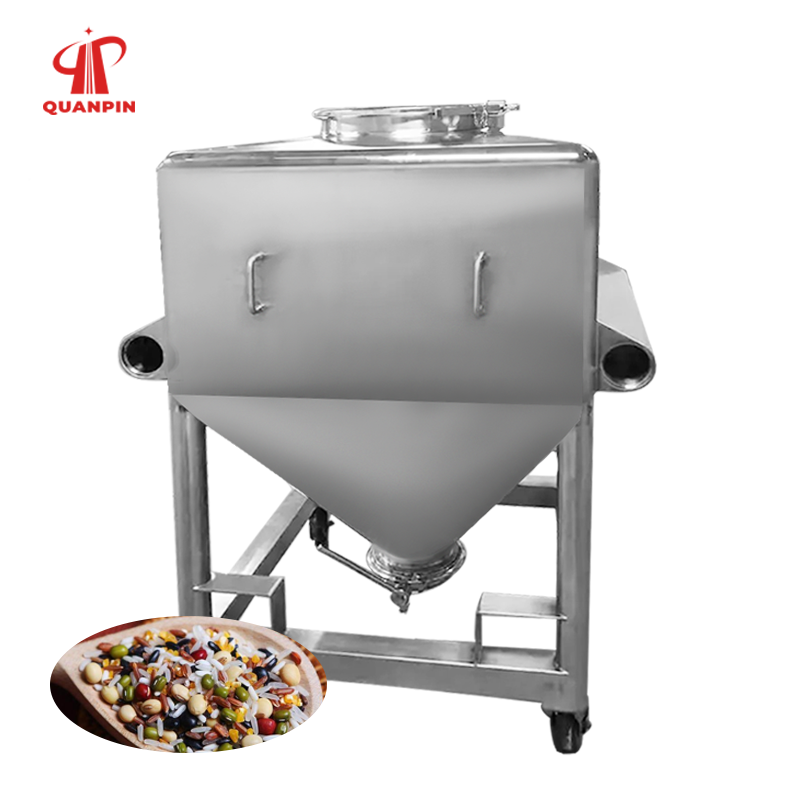
The verified hopper mixer machine is reviewed as a hopper-based blending arrangement for compatible pharmaceutical powders.
Its actual container, mounting, loading and discharge scope must be confirmed against the proposed project. Equipment characteristics, intended use and relevant documentation need review within an actual transfer project. See WHO pharmaceutical technology-transfer guidance.
Hopper Configuration and Confirmed Project Scope
A bin blender requirement should explain what the equipment must support and how that need will be reviewed.
Separate a confirmed requirement from an assumption or an unresolved supplier question so that missing information remains visible.
Five Steps to Build the Requirements Checklist
Describe the intended duty
Describe the pharmaceutical product and intended blending duty.
Map operating stages
Map charging, blending, discharge and receiving operations.
Identify critical interfaces
Identify contact, cleaning and facility interfaces requiring review.
Define review evidence
Define the relevant supplier information and acceptance evidence.
Assign open questions
Assign owners to unresolved requirements before finalizing the scope.
Four Types of Project Requirement
A product requirement identifies the actual material attributes and intended use.
An operating requirement describes the tasks the configured system must support.
An interface requirement identifies a connection or responsibility shared with another part of the process.
An evidence requirement states what documentation or assessment is needed to review the proposed arrangement.
Equipment and Facility Interfaces to Define
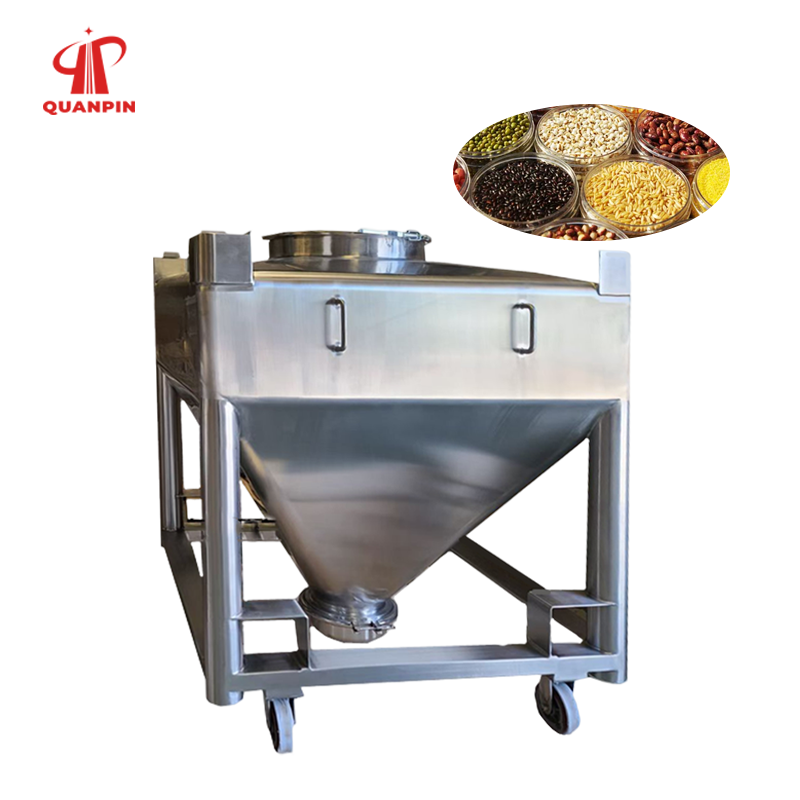
Product hopper
The product hopper establishes the material-holding boundary.
Loading connections
Loading closures and connections define entry to the reviewed blending scope.
Mixing arrangement
The configured mixing arrangement belongs to the actual equipment proposal.
Discharge and receiving
Discharge and receiving connections identify the onward material path.
Contact parts and cleaning access
Product-contact components and cleaning access need review for the real formulation.
Controls and facility services
Controls, facility services and any additional accessories require their own confirmed scope.
Turning Application Needs into Supplier Questions
Start with actual material
For a powder blender, begin the material section with actual ingredient forms and relevant handling observations.
Do not fill an unknown product attribute using a value from a different formulation.
Describe the receiving operation so that blending and later handling responsibilities can be distinguished.
Align proposal boundaries
A powder mixer requirement should identify routine operation and any separate cleaning or service task that matters to the installation.
State the expected documentation without assuming the supplier includes an unconfirmed qualification or validation service.
When comparing proposals, align the actual supply boundary rather than count accessory names without their functions.
Review changes against intended use
Identify which functions are included, optional, customer-supplied or still unresolved.
Review proposed changes against the intended duty instead of allowing a revised quotation to silently replace an agreed requirement.
The responsible pharmaceutical team should decide how the completed equipment and product evidence support the actual use.
Pharmaceutical Review and Evidence Limits
A shared checklist can reveal that two departments have used the same equipment term for different tasks.
It also gives supplier responses a defined place to resolve a technical question. Defined user requirements provide a reference for the qualification lifecycle; a supplier quotation is not complete product validation. See EU GMP Annex 15: qualification and validation.
The checklist does not establish pharmaceutical product validation or suitability of an unidentified room.
Qualification and application acceptance need the appropriate evidence for the confirmed configuration and actual material.
Document Product and Process Identity
Record the product description and intended use.
Identify the process stages and material boundaries. Equipment suitability and installation need consideration for the intended pharmaceutical use. See EU GMP Chapter 3: premises and equipment.
Requirement Records, Responsibilities and Safety
List contact, cleaning, access and facility requirements.
Specify the supplier documents and proposed review evidence.
Record responsibility for each external connection or activity.
Keep open questions, changes and the agreed final scope traceable. Shared-facility cross-contamination questions need appropriate product-specific assessment rather than an assumed universal threshold. See EMA shared-facility exposure-limit guidance.
Review material hazards and safe operating, sampling and service requirements for the proposed installation.
Shared-facility and cross-contamination questions need appropriate product-specific assessment rather than a generic safe-use assurance.
Provide QUANPIN with a Response-Ready Checklist
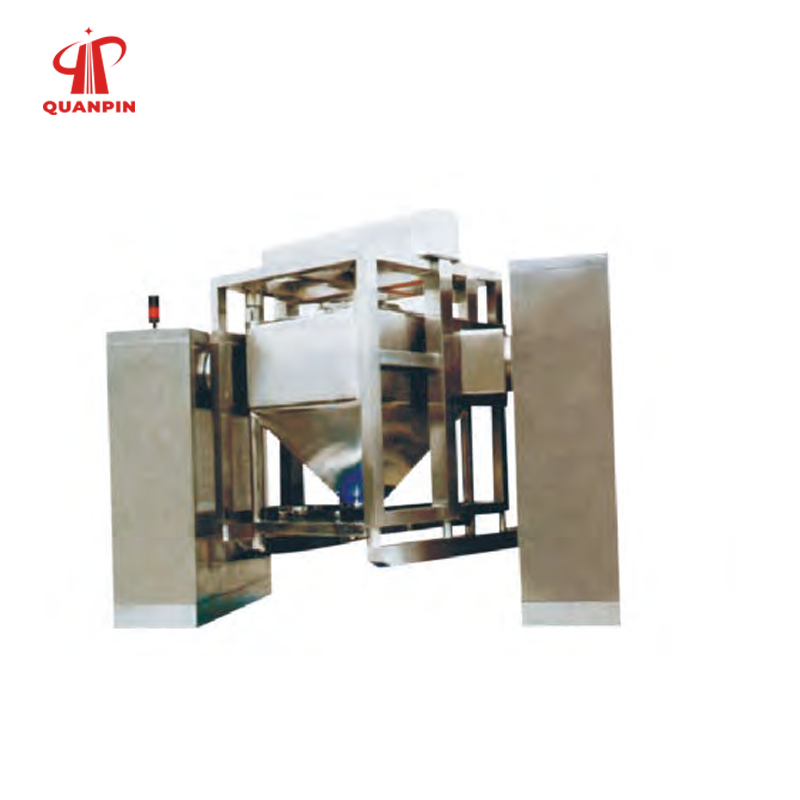
Send QUANPIN the checklist with the actual material and process description.
Request a response that identifies confirmed scope, options, exclusions and information still needed from the customer.
Retain Approved Requirements and Supporting Evidence
The enquiry should establish an understandable engineering discussion without turning an equipment quotation into untested product evidence.
Retain the approved requirements with the configuration information and the assessments used to review the project. Prioritise unresolved requirements using the actual product and process risks. See WHO quality risk-management guidance.
Frequently Asked Questions
Does a model name replace a requirements list?
A model name is not a complete user-requirements specification.
How should unknown material properties be handled?
An unknown product property should remain unresolved until appropriate evidence is available.
Why identify interface ownership?
Supplier, customer and external-interface responsibilities should be identified explicitly.
What should accessory listings explain?
An accessory list should state actual functions and inclusion status.
Does a checklist establish validation?
A checklist supports review but does not independently establish validation or product acceptance.
What should the procurement enquiry connect?
The enquiry should connect intended use, operations, interfaces, evidence and unresolved technical questions.
Discuss Your Hopper-Mixer Procurement Requirements with QUANPIN
Discuss the matching QUANPIN equipment with QUANPIN. Use the enquiry form or our contact page to describe the actual application.
Email sales@qpdryer.com or stacie@qpdryer.com. Call +86 19850785582, or contact us on WhatsApp: +86 15921493205.
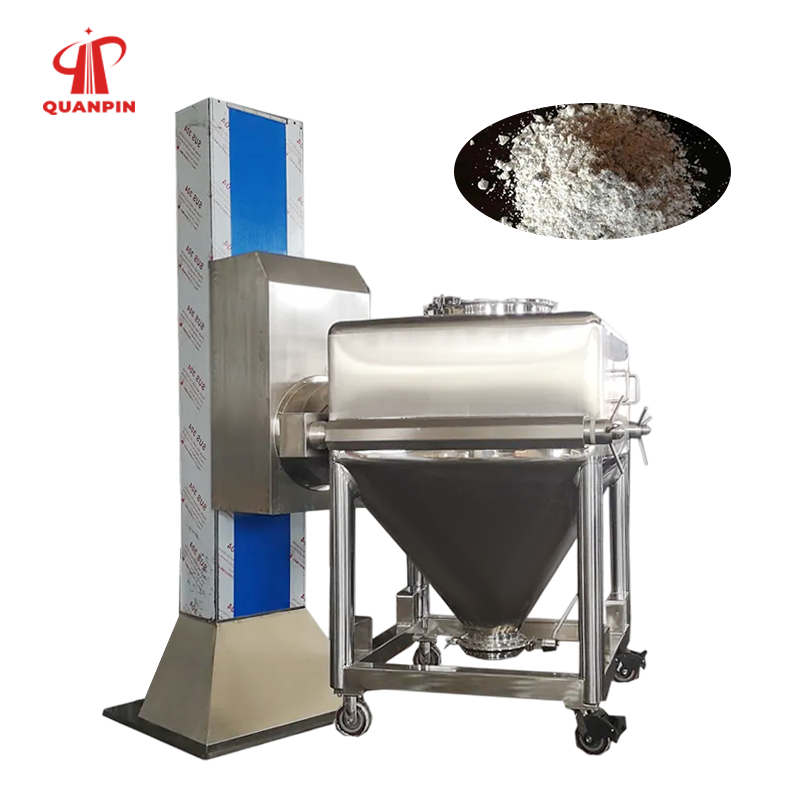
For process evaluation, consider the single-arm lifting hopper mixer for lifting and blending in a single-arm hopper arrangement. Confirm suitability with representative material, the required product properties and the proposed process conditions.