Ribbon Mixer for Food Powders: Plan Dedicated Cleaning-Tool Control for Recipe Changeovers
By QUANPIN
A ribbon mixer recipe changeover needs control of the cleaning tools as well as the surfaces being cleaned. A brush, scraper or other contact item can carry material between locations unless its identity, use and storage are addressed.
For food powders, build the tool-control plan around actual ingredients and residues rather than assume that a clean-looking accessory is suitable for the next recipe. Explore matching food applications.
Why Include Cleaning Tools in the Changeover Plan?
The WLDH ribbon blender circulates compatible material through a trough using inner and outer helical ribbons.
Cleaning accessories are a separate scope to confirm; the mixing principle does not establish how the customer’s tools are assigned, cleaned or stored.
Ribbon Mixing and Separate Cleaning Responsibilities
A horizontal ribbon mixer changeover enquiry should identify which product-contact areas require review and which tools are actually proposed.
Distinguish an equipment access question from the food operation’s responsibility to develop and verify its appropriate cleaning procedures.
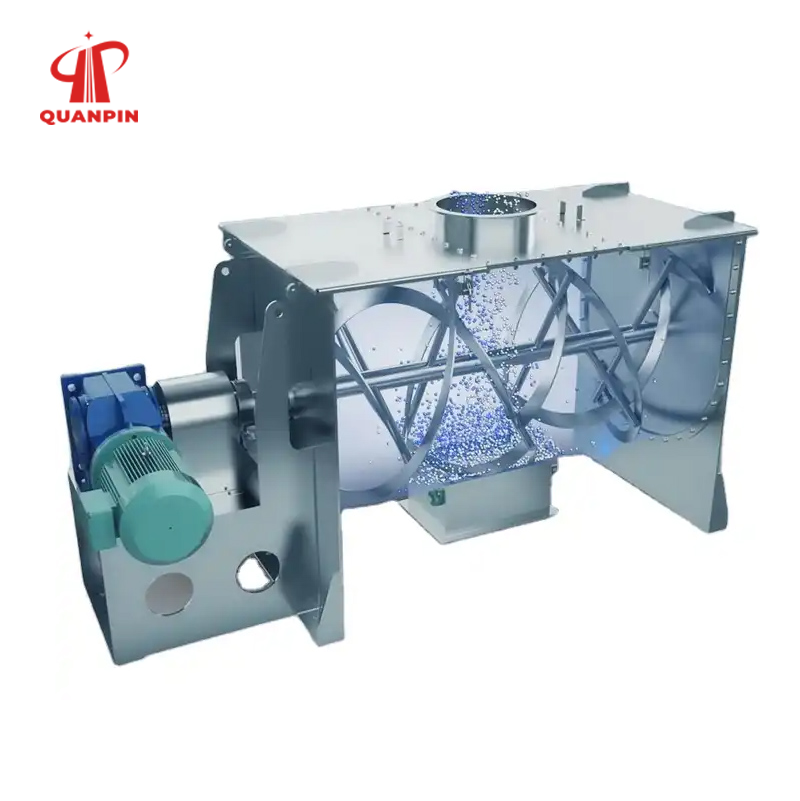
Five Steps to Map Tool Control
Map ingredients and residues
Map the recipe ingredients and relevant residue concerns.
List actual tools
List the actual cleaning tools and their intended contact locations.
Define assignments
Define identification and assignment responsibilities.
Review handling and storage
Review tool cleaning, handling and storage arrangements.
Assess the changeover
Assess the changeover using the applicable food-safety and product requirements.
Four Tool and Status Boundaries
A tool assigned to one residue or area should retain an understandable identity.
A shared tool introduces a transfer question that needs its own control rather than an assumption of suitability.
A stored accessory can have a different handling history from the item immediately used for cleaning.
A cleaning record should identify the actual scope without treating the tool list itself as proof of effectiveness.
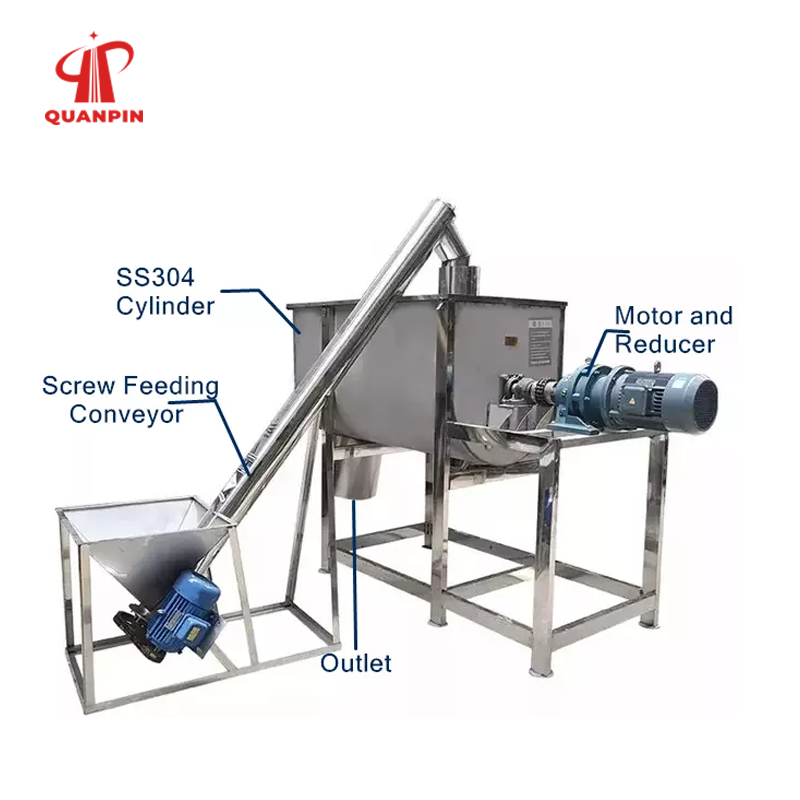
Mixer Surfaces and Accessory Interfaces
Mixing trough
The trough forms part of the confirmed product-contact assembly.
Ribbon surfaces
The ribbon components create additional surfaces whose access requires review for the actual configuration.
Discharge connection
The discharge connection defines another area where residue and cleaning scope may need consideration.
External contacts
External receivers or transfer contacts extend the actual material route.
Cleaning accessories
Proposed cleaning tools should be reviewed for their intended contact and compatibility requirements.
Tool storage
Storage and handling arrangements determine how tools reach the next cleaning activity.
Building the Actual Food-Powder Tool List
Identify the actual residue concern
A ribbon powder mixer programme should begin with the actual recipe sequence and ingredient hazards.
Identify whether the concern is allergen transfer, general product carryover or another relevant sanitation question.
Do not infer a safe next-use status merely because the tool has a familiar color or label.
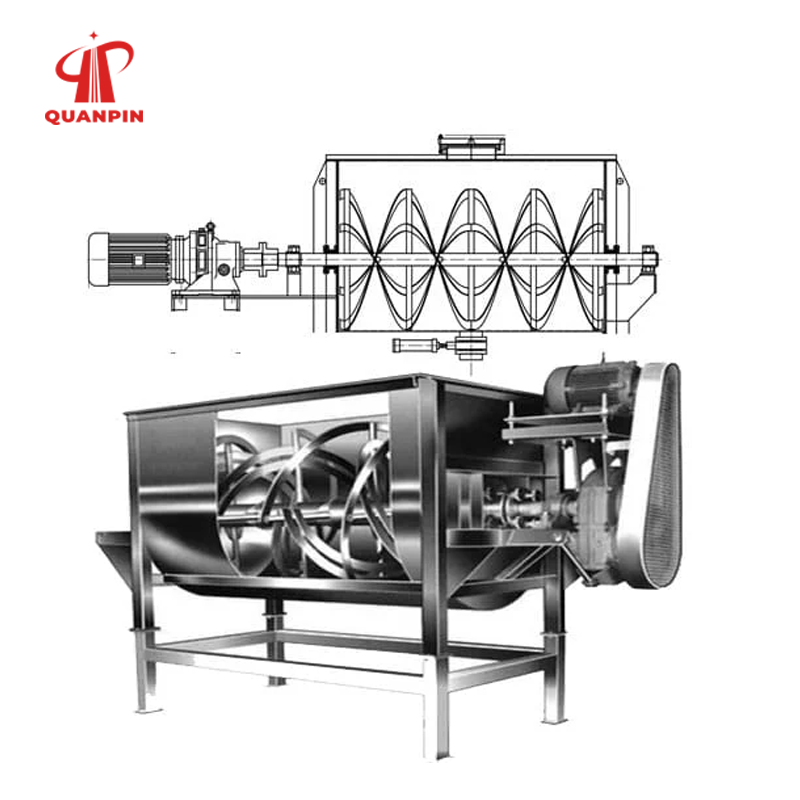
Define local identification rules
If color coding is used, its meaning needs a defined local procedure rather than an assumed industry-wide convention.
Record the contact locations intended for each item without prescribing an unverified universal cleaning method.
An industrial ribbon blender proposal should identify access and supplied equipment functions separately from customer cleaning accessories.
Review accessory condition and evidence
Review damaged or unsuitable tools through the relevant procedure instead of assuming any scraper or brush can contact every surface.
A completed cleaning activity needs its appropriate verification; simply owning dedicated tools does not establish the outcome.
The actual food operation should decide how the tool-control arrangement fits its sanitation and allergen-management programme.
Sanitation Evidence and Practical Limits
A controlled tool list can expose a transfer route overlooked in a vessel-only changeover discussion. Written sanitation procedures and appropriate equipment maintenance belong in the food-safety programme. See FDA HACCP prerequisite-program guidance.
It also makes the responsibilities for accessories clearer when several teams share the processing area. Cleaning equipment can itself transfer residues, making its control relevant to the changeover review. See UK government precautionary-allergen guidance.
The list is not a validated recipe-specific cleaning procedure or a guarantee of allergen removal. Cleaning choices and cross-contact controls need to match the food residues and equipment concerned. See CFIA allergen preventive controls.
Cleaning effectiveness and equipment compatibility need evidence relevant to the actual food residues and installation.
Document Recipes and Tool Assignments
Record the actual recipe sequence and identified residue concerns.
Identify tools, intended locations and responsible personnel.
Handling Records, Verification and Safe Access
Describe cleaning or replacement and storage arrangements used by the operation.
Keep the actual accessory condition and relevant observations visible.
Preserve the procedure and verification scope applied to the changeover.
State unresolved access or compatibility questions for the appropriate technical review.
Cleaning and inspection must follow approved shutdown and safe-access procedures for the installed mixer. The cited FDA document is draft, not for implementation; its discussion highlights why sanitation planning for applicable low-moisture foods needs a defined scope. See FDA draft low-moisture ready-to-eat sanitation guidance.
Low-moisture or other food environments need sanitation choices appropriate to their actual equipment and product conditions.
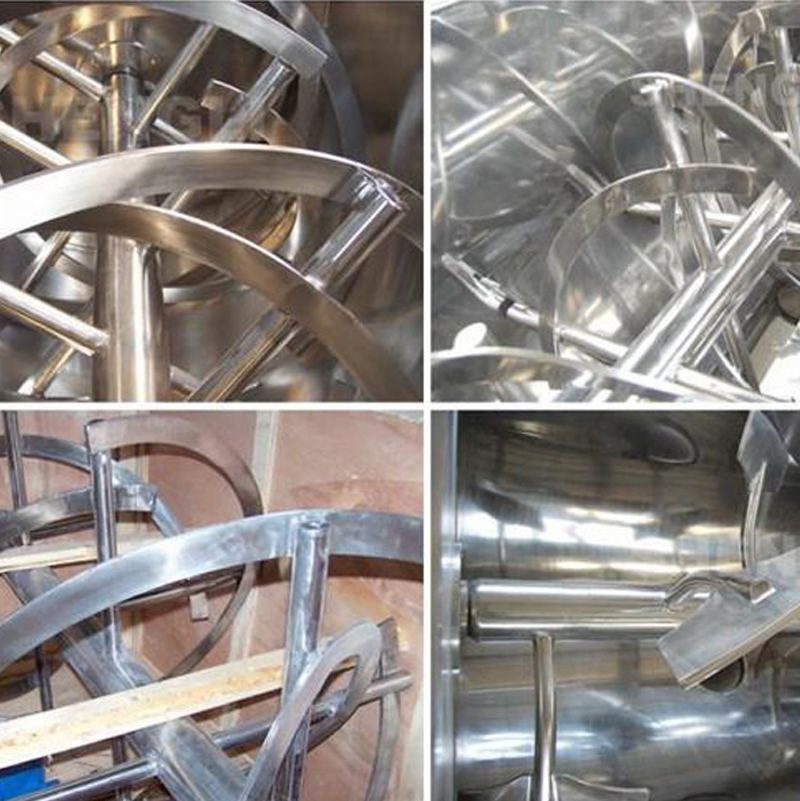
Provide QUANPIN with the Contact-Access Scope
Send QUANPIN the contact locations and access requirements that need equipment confirmation.
Keep the food operation’s tool assignment and cleaning-verification responsibilities separate from confirmed machine functions. This historical review discusses sanitary design and allergen-control concerns; it is background rather than a current recipe-specific cleaning instruction. See FDA historical food-safety literature review.
Retain the Tool-Control and Equipment Boundaries
The enquiry should seek a defined contact and access scope rather than a generic promise that any accessory is suitable.
Retain the agreed equipment information with the local tool-control and changeover records.
Frequently Asked Questions
Does dedication alone establish suitability?
A dedicated tool still needs an appropriate condition, handling and storage arrangement.
Does a color prove next-use status?
A color or label does not independently prove next-use suitability.
Can external equipment add cleaning scope?
External receivers and transfer parts may create contact areas outside the mixing trough.
Does an inventory prove effectiveness?
A tool inventory does not by itself establish cleaning effectiveness.
What determines sanitation requirements?
The actual ingredients and food environment determine the relevant sanitation and cross-contact questions.
What should the enquiry distinguish?
The enquiry should distinguish mixer access, proposed accessories and the operation’s cleaning-control responsibilities.
Discuss Your Ribbon-Mixer Changeover Requirements with QUANPIN
Discuss the matching QUANPIN equipment with QUANPIN. Use the enquiry form or our contact page to describe the actual application.
Email sales@qpdryer.com or stacie@qpdryer.com. Call +86 19850785582, or contact us on WhatsApp: +86 15921493205.