High Shear Granulator Development: Connect Granule Attributes to In-Process Controls
By QUANPIN
A high shear granulator development plan should connect required granule attributes with the process observations and tests used to assess them. A list of machine settings alone does not explain why the resulting material is suitable for the intended pharmaceutical route.
Begin with the actual formulation and receiving operation, then describe which questions the wet-granulation study must answer. Explore matching pharmaceutical applications.
Which Granule Attributes Must the Study Address?
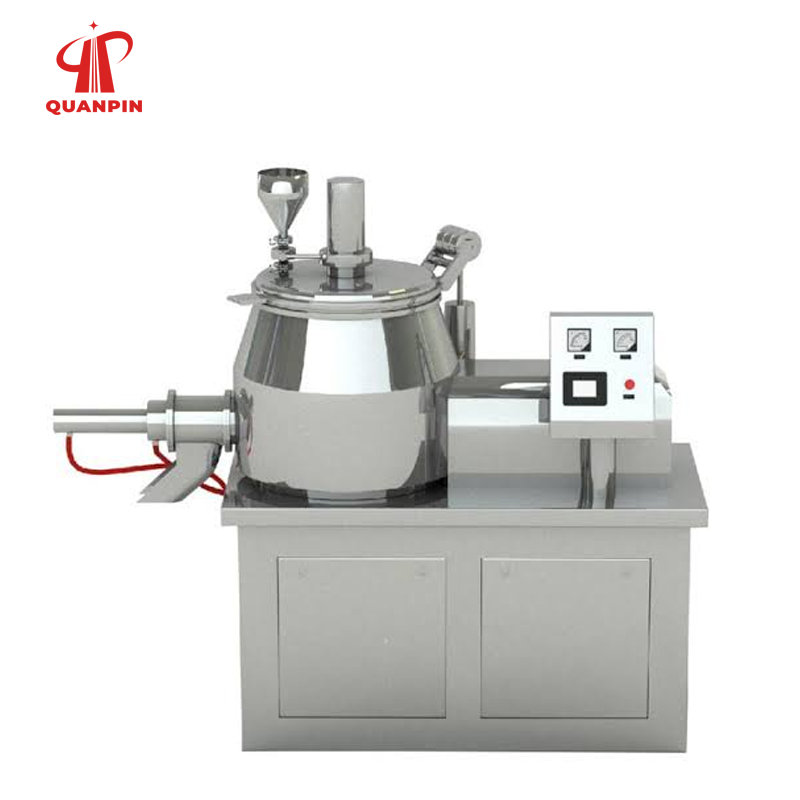
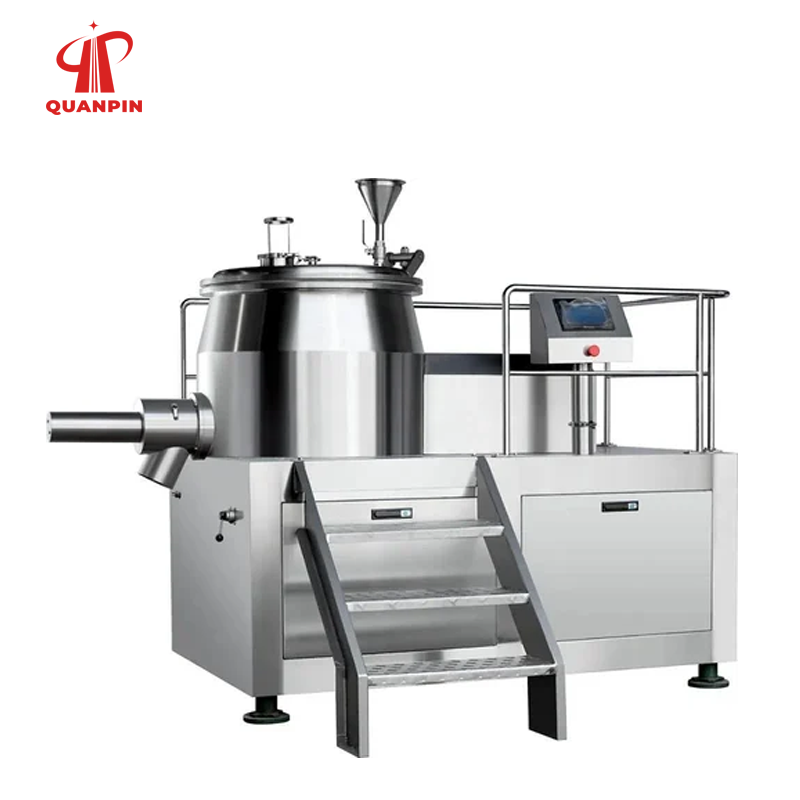
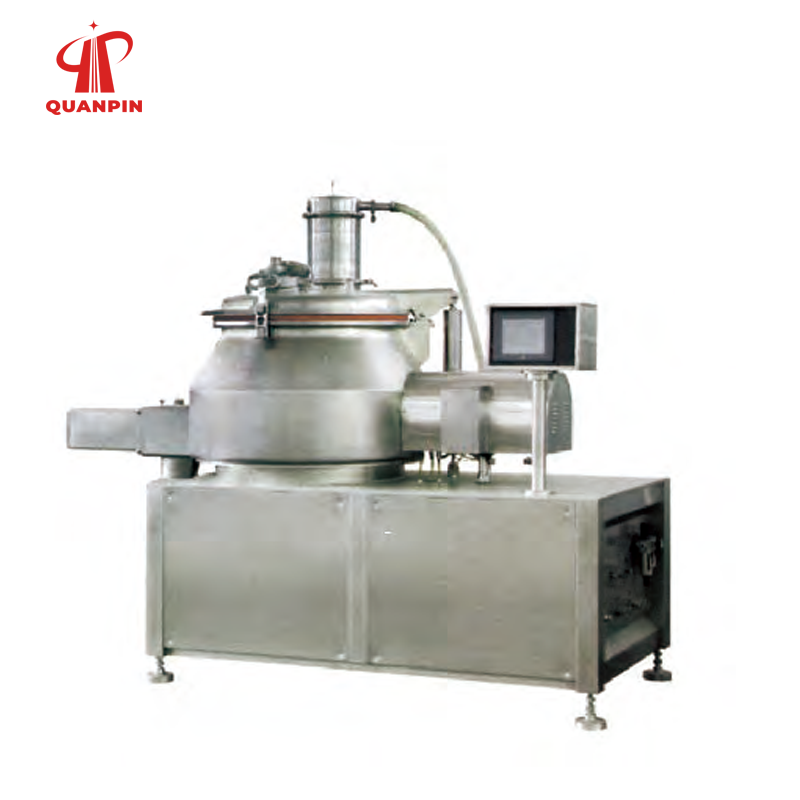
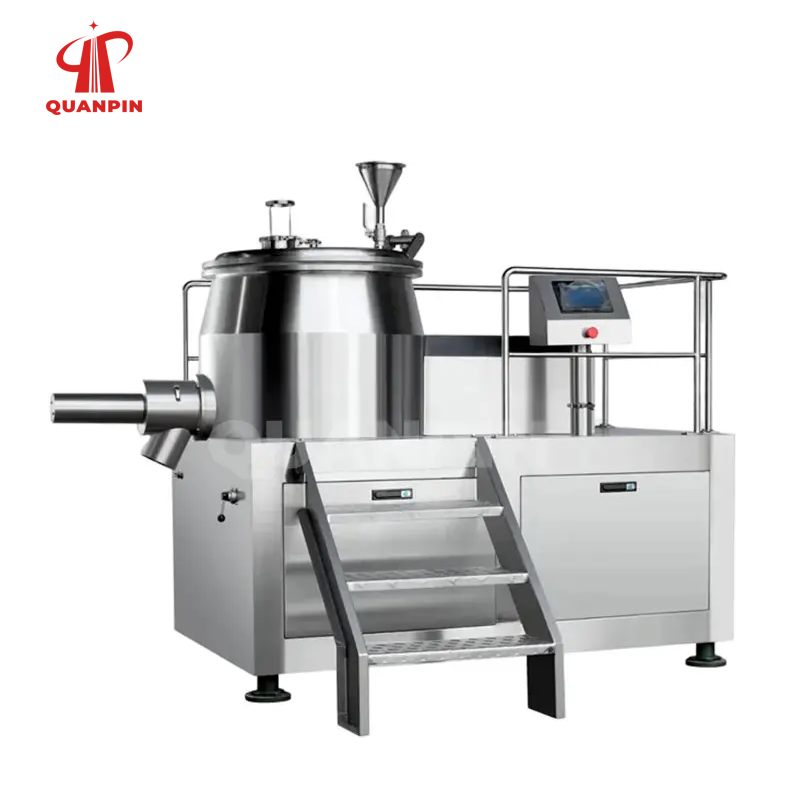
The GHL rapid mixer granulator distributes binder through powder using an impeller while a chopper acts on wet agglomerates.
The verified mechanism supplies a processing stage, rather than a universal set of product specifications or automatic proof of acceptance. For products within its scope, Q6A treats specifications as part of the overall control strategy rather than complete characterisation. See EMA ICH Q6A specification guidance.
GHL Processing Functions and Product Requirements
A high shear mixer granulator enquiry should identify the required material attributes before selecting the evidence to collect.
Keep measured product properties, operating observations and eventual acceptance decisions separately described even when they are reviewed together.
Five Steps for an Attribute-Led Development Plan
Identify the manufacturing duty
Identify the formulation and intended next manufacturing stage.
List relevant attributes
List the granule attributes relevant to that duty.
Define process boundaries
Describe the actual process boundaries and material states.
Choose observations and tests
Choose appropriate observations and product-assessment methods.
Review the complete evidence
Review how the combined evidence answers the development question.
Four Types of Process and Product Information
A material attribute describes a property of the input, intermediate or product.
A process observation describes what was recorded during the configured operation.
An analytical result describes a sample examined by a stated method.
A control approach explains how the relevant process and product information is used within the justified manufacturing route.
Granulation and Material-State Interfaces
Powder charge
The powder-charge arrangement establishes the material entering the working vessel.
Binder delivery
Binder delivery defines the actual liquid-addition boundary.
Impeller
The impeller distributes powder and binder within the confirmed assembly.
Chopper
The chopper acts on wet agglomerates in the reviewed configuration.
Wet discharge and collection
Discharge and collection establish the immediate wet-material boundary.
Downstream processing
Downstream drying or sizing creates later material states where those operations are specified.
Selecting Evidence for the Actual Formulation
Identify the tested material state
For a high shear wet granulator, state whether an attribute is assessed on fresh wet material or after later processing.
Do not describe a measured dried-granule property as an immediate wet-mass observation when the intervening operations matter.
Wet granulation development should preserve the actual ingredient and binder preparation used for the trial.
Separate individual attribute questions
The relevant tests might address different product questions, so a favorable result for one attribute should not silently establish another.
An operating signal can support process understanding without becoming a universally valid endpoint on its own.
If a material-holding stage is included, identify its place in the route and the evidence needed to review its effect.
Review the actual process history
Keep the sampling and analytical methods attached to the reported material results.
A proposed control adjustment should be interpreted with the actual formulation and observed process history.
The development team should justify which information supports the intended granule duty and which further questions remain open.
Pharmaceutical Control Strategy and Practical Limits
An attribute-led plan makes it easier to explain why a particular observation or test is included.
It can also reveal a receiving-process requirement that an equipment-setting list omitted. A manufacturing description should identify process controls and relevant intermediate stages. See EMA finished-dosage-form manufacture guidance.
The plan does not prescribe one universal granule specification or operating range.
Actual formulation evidence and the applicable pharmaceutical quality arrangements determine the appropriate control strategy.
Document Formulation and Attribute Requirements
Record the intended formulation and receiving operation.
Identify the relevant material attributes and their assessment methods. Process-validation evidence needs to support the actual manufacturing process and its control strategy. See EMA finished-product process-validation guidance.
Process Records, Material States and Safe Sampling
Describe powder preparation, binder delivery and configured granulation.
State the collection point and material state for each sample.
Preserve subsequent holding, drying or sizing operations where applicable.
Explain how measured findings relate to the development objective without inventing missing product values. When a relevant intermediate is held before its next operation, establish the appropriate handling and time basis using product evidence. See WHO guidance on pharmaceutical hold-time studies.
Sampling and inspection must follow approved operating and isolation procedures for the actual equipment.
Review material hazards and cleaning requirements across the real formulation and product-contact route.
Provide QUANPIN with the Development Scope
Send QUANPIN the granule duty, actual formulation description and the process interfaces requiring review.
Distinguish the customer’s product-assessment requirements from equipment functions and accessories needing supplier confirmation.
Retain the Attribute and Process Evidence
The enquiry should connect requested equipment information to a defined development question rather than ask for an untested universal endpoint.
Retain the actual observations and product results with the configuration and material states that produced them. Pharmaceutical production needs defined procedures and controls appropriate to the actual operation. See EU GMP Chapter 5: production.
Frequently Asked Questions
Does a setting list establish acceptance?
A machine-setting list is not a complete granule-acceptance plan.
Are wet and dried results the same boundary?
A fresh wet observation and a dried-product result can represent different process boundaries.
Does one attribute establish all others?
One favorable attribute does not independently establish every required product property.
Does a signal define every endpoint?
A process signal does not define a universal endpoint for every formulation.
Should holding and later stages remain visible?
An included holding or downstream stage should remain visible in the evidence.
What should the development enquiry connect?
The enquiry should connect formulation, relevant granule attributes, process boundaries and appropriate assessment methods.
Discuss Your High-Shear Granulation Development with QUANPIN
Discuss the matching QUANPIN equipment with QUANPIN. Use the enquiry form or our contact page to describe the actual application.
Email sales@qpdryer.com or stacie@qpdryer.com. Call +86 19850785582, or contact us on WhatsApp: +86 15921493205.