Hopper Mixer for Pharmaceutical Blends: Review Sample Transport from Collection to the Laboratory
By QUANPIN
A hopper mixer process sample does not stop having a history when it leaves the production area. Define transport from collection to the laboratory so that the analytical result can be interpreted against the material actually sampled.
For pharmaceutical blends, distinguish the original process sample, its transport container and the portions subsequently prepared for analysis. Explore matching pharmaceutical applications.
What Happens Between Collection and Laboratory Receipt?
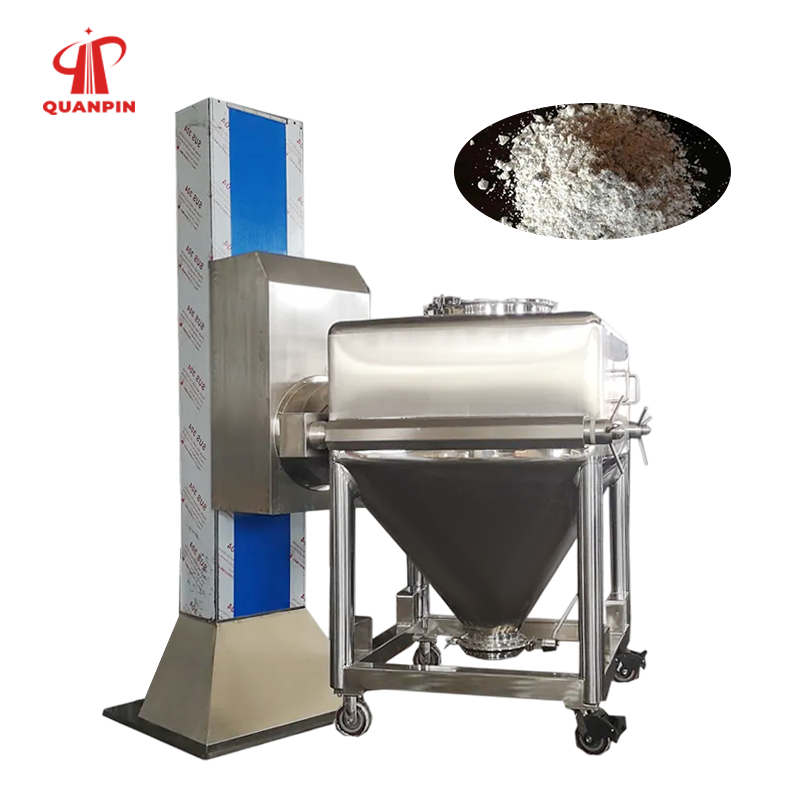
The verified hopper mixer machine is reviewed as a hopper-based blending arrangement for compatible pharmaceutical powders.
Its equipment scope does not automatically include the customer’s laboratory transport containers or the complete sample-handling procedure. Use product-specific development knowledge to justify the attributes being examined. See FDA ICH Q8 pharmaceutical development.
Hopper Blending and the Sampling Boundary
A bin blender study should identify the point where the sample leaves the process-sampling activity.
The laboratory receiving record should describe the material that arrived, rather than silently assuming every later portion remained unchanged.
Five Steps to Preserve Sample History
Identify the parent blend
Identify the parent blend and actual collection event.
Describe the transport container
Describe the container used to transport the sample.
Record the handling route
Record the route and relevant handling history.
Define laboratory receipt
Define the laboratory receipt and preparation boundary.
Interpret the actual test portion
Interpret results using the documented relationship to the original sample.
Four Distinct Sample and Evidence Boundaries
The process sample represents material collected at a specified point.
A transport container holds that material during a separately described handling activity.
A laboratory portion may result from further division or preparation.
A test result belongs to its actual portion and method rather than an unidentified container carrying a similar product name.
Equipment and Laboratory Handoff Interfaces
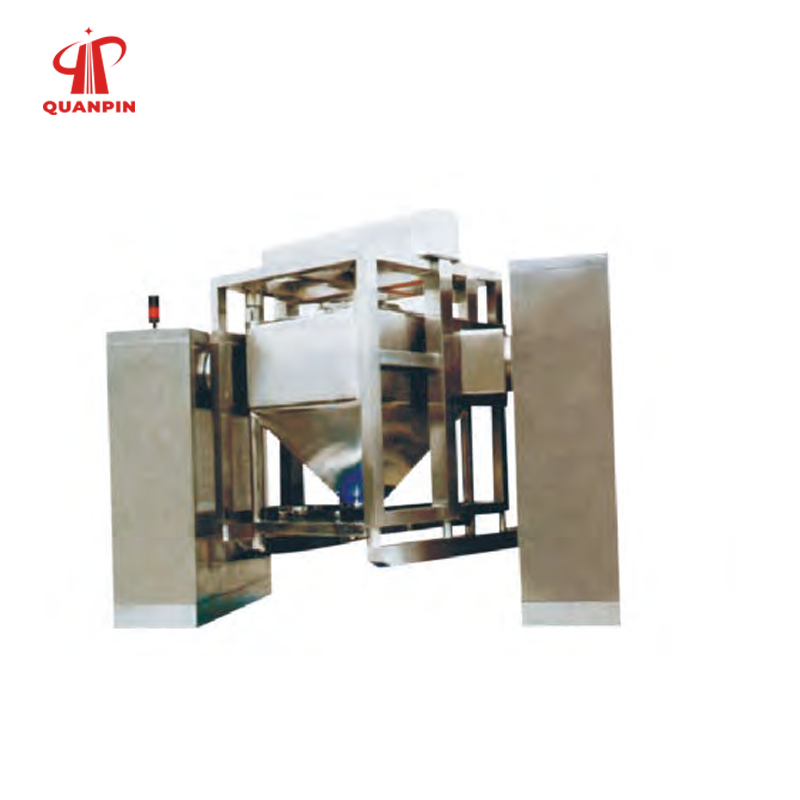
Product hopper
The product hopper defines the original material-holding boundary to be recorded.
Mixing configuration
The mixing configuration belongs to the process history associated with the sample.
Sampling access
Sampling access determines what can be collected under the approved procedure.
Collection tools
Collection tools require appropriate product-contact and cleaning review.
Transport container
Transport containers and closures need a defined suitability and identification basis.
Laboratory receiving
Laboratory receiving and preparation activities establish the next evidence boundary.
Following the Sample Actually Analysed
Preserve handoff identity
A powder blender development comparison should preserve the sample identity through every documented handoff.
Record whether the container changed after collection instead of describing the whole route as one uninterrupted vessel.
An observed spill, damaged closure or other relevant handling event should remain visible for the appropriate review.
Separate process from laboratory preparation
Do not infer an unrecorded sample’s origin from its appearance or proximity to other laboratory material.
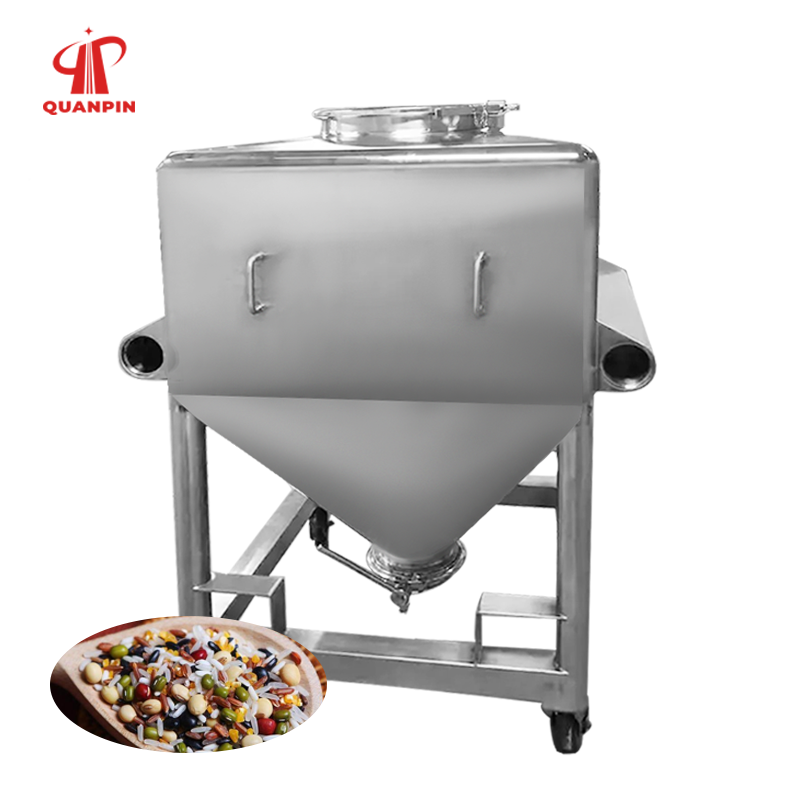
A powder mixer result should identify whether testing used the complete received sample or a prepared portion.
Division, mixing or other laboratory preparation should remain distinguishable from operations performed by the process equipment.
Review actual handling concerns
Use the relevant analytical procedure to determine how preparation and handling are controlled.
Do not prescribe one universal transport duration or container material for every formulation.
The responsible pharmaceutical quality system should decide how a documented handling concern affects use of the analytical evidence.
Pharmaceutical Evidence and Handling Decisions
A transport map can reveal a missing handoff or an unclear relationship between process and laboratory records.
It can also show why two analytical portions do not necessarily represent independent process collections. A development comparison should not be presented as complete validation of an untested production process. See FDA process validation guidance.
The map does not establish blend uniformity or prove that every transport arrangement preserves every product attribute.
Those conclusions require the appropriate sampling, method and formulation evidence.
Document Batch and Sampling Identity
Record the batch and original sampling point.
Identify the collection event and the assigned sample identifier. Assess relevant quality risks using the actual material and process context. See FDA ICH Q9 quality risk management.
Transport Records, Preparation and Safety
Describe the actual container and relevant closure information.
Preserve changes of container and documented handling events.
State the laboratory receipt identity and any preparation performed.
Keep analytical results linked to the portion and method actually used. Interpret measurements through process understanding rather than treating an isolated instrument reading as product acceptance. See FDA process analytical technology framework.
Collection and transport should follow the approved material-control and safe-access procedures.
Cleaning, compatibility and exposure requirements depend on the actual formulation and contact arrangements.
Provide QUANPIN with the Sampling Interface
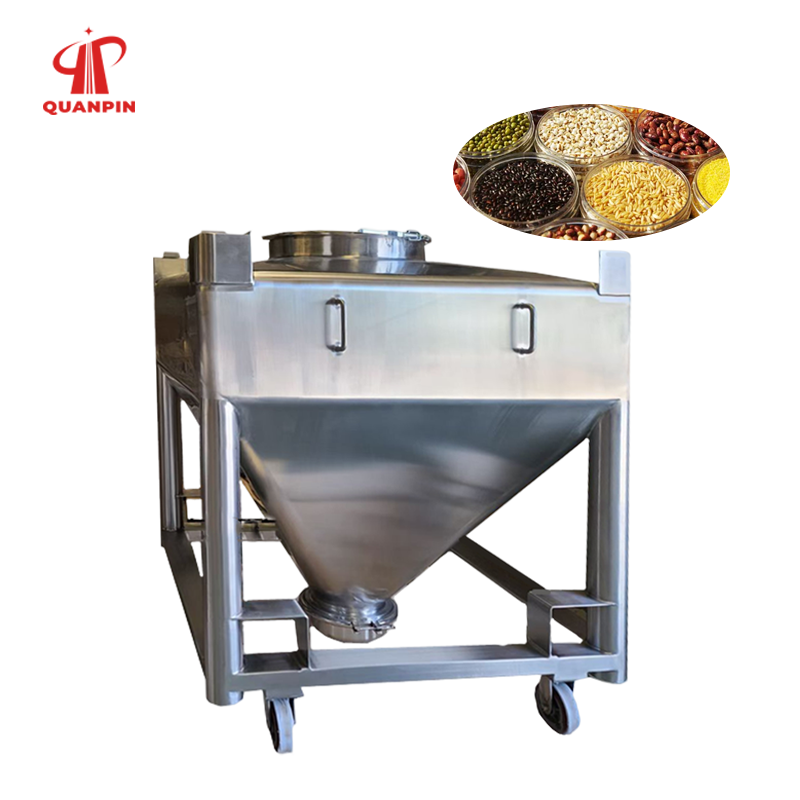
Send QUANPIN the process-sampling boundary when discussing hopper access or collection requirements.
Identify which transport and laboratory activities are customer procedures rather than confirmed equipment functions.
Retain the Process and Laboratory Evidence
The equipment enquiry should explain the sampling interface without claiming that the mixer validates the laboratory route.
Retain the agreed process boundary with the actual sample-handling and analytical records. Retain knowledge and manage adopted process changes through the pharmaceutical quality system. See FDA ICH Q10 pharmaceutical quality system.
Frequently Asked Questions
Are process samples and laboratory portions identical?
The original process sample and a laboratory test portion are not automatically the same physical boundary.
Should container changes be recorded?
A container change should remain traceable rather than disappearing from the sample history.
Are divided portions independent process samples?
Several portions from one received sample do not automatically become separate process samples.
Can appearance establish an unknown sample identity?
An unlabelled sample cannot be reliably assigned by appearance alone.
Does documented transport prove uniformity?
A documented transport route supports interpretation but does not independently establish uniformity.
What should the equipment enquiry distinguish?
The enquiry should distinguish equipment sampling access from transport, receipt and analytical preparation.
Discuss Your Hopper-Mixer Sampling Requirements with QUANPIN
Discuss the matching QUANPIN equipment with QUANPIN. Use the enquiry form or our contact page to describe the actual application.
Email sales@qpdryer.com or stacie@qpdryer.com. Call +86 19850785582, or contact us on WhatsApp: +86 15921493205.
For process evaluation, consider the single-arm lifting hopper mixer for lifting and blending in a single-arm hopper arrangement. Confirm suitability with representative material, the required product properties and the proposed process conditions.