High Shear Granulator: Distinguish Ingredient Dispensing Records from Actual Bowl Charging
By QUANPIN
A high shear granulator batch record should distinguish ingredients dispensed for a formulation from ingredients actually charged into the working vessel. The two records answer related but different material-accounting questions.
For pharmaceutical wet processing, an intended charge should not silently substitute for the actual charging history used to interpret a development result. Explore matching pharmaceutical applications.
What Was Dispensed and What Actually Entered the Vessel?
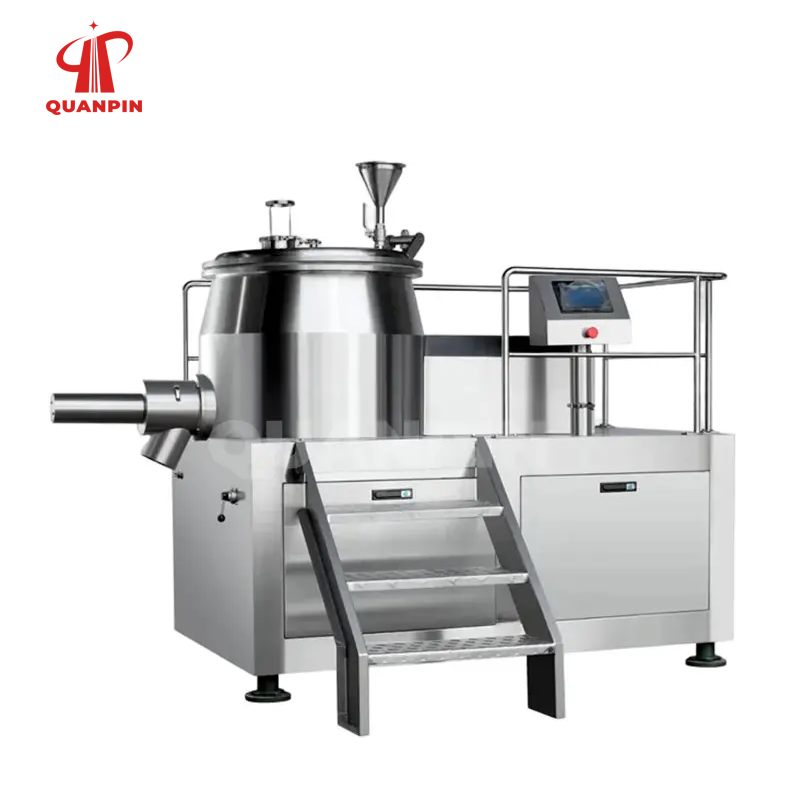
The GHL rapid mixer granulator uses an impeller to distribute binder through the powder and a chopper to act on wet agglomerates.
That verified working principle does not establish an automatic ingredient-identification or dispensing-verification function for every proposed configuration. Use product-specific development knowledge to justify the attributes being examined. See FDA ICH Q8 pharmaceutical development.
GHL Working Principle and Charging Scope
A high shear mixer granulator enquiry should identify how powders and binder reach the confirmed vessel boundary.
Upstream dispensing, intermediate containers and the actual charging activity need separate descriptions where they form part of the route.
Five Steps to Relate the Two Records
Identify assigned ingredients
Identify the formulation reference and materials assigned to it.
Describe dispensing scope
Describe the dispensing record and its actual boundary.
Trace intermediate containers
Trace the containers used between dispensing and charging.
Record actual charging
Record what actually entered the granulation vessel.
Review documented differences
Review differences through the relevant pharmaceutical quality procedure.
Four Material-Accounting Boundaries
A dispensing record identifies material prepared for the intended operation.
An intermediate-container record identifies the physical material held before charging.
A charging record describes the actual addition to the vessel.
A development-result record relates the tested material to the operation that was actually performed.
Dispensing and Granulator Entry Interfaces
Dispensing equipment
Dispensing equipment belongs to the project scope only when it is expressly confirmed.
Intermediate holding
Intermediate vessels or packages create handling and identity boundaries before the granulator.
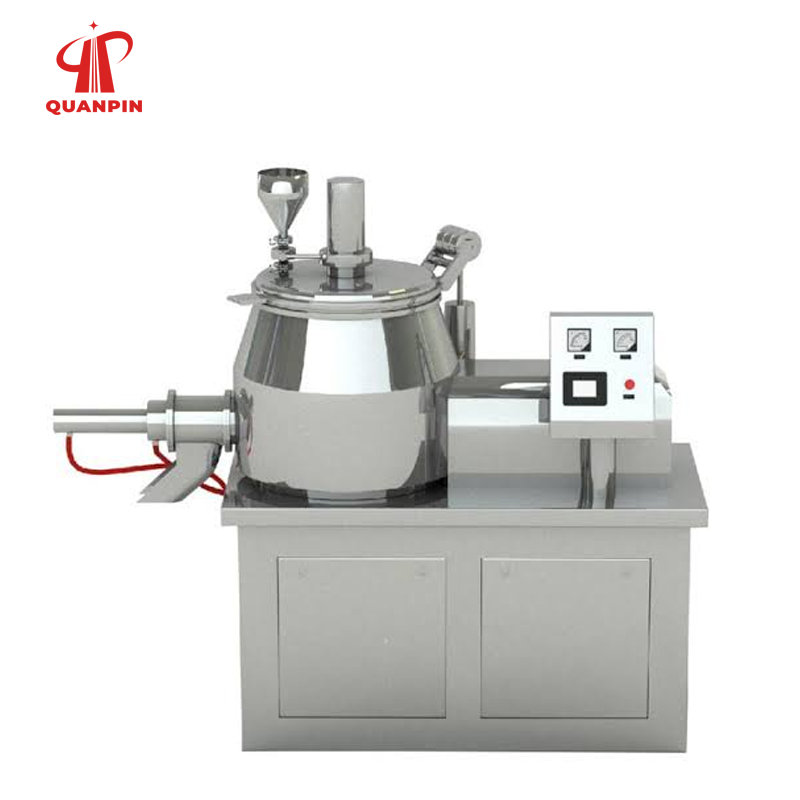
Vessel charging connection
The vessel charging connection defines the entry point to the proposed granulation arrangement.
Impeller distribution
The impeller distributes the actual powder and binder present in the working batch.
Chopper action
The chopper acts on wet agglomerates within the configured assembly.
Discharge and downstream processing
Discharge and downstream treatment establish later material boundaries for product testing.
Interpreting the Actual Pharmaceutical Charge
Preserve actual input evidence
A high shear wet granulator comparison should preserve actual charging evidence rather than rely on a planned ingredient list alone.
Record a container change, incomplete transfer or other relevant occurrence when it affects the interpretation of the run.
Do not infer that similar container labels establish identical material content without the applicable identity controls.
Separate dry charge from liquid delivery
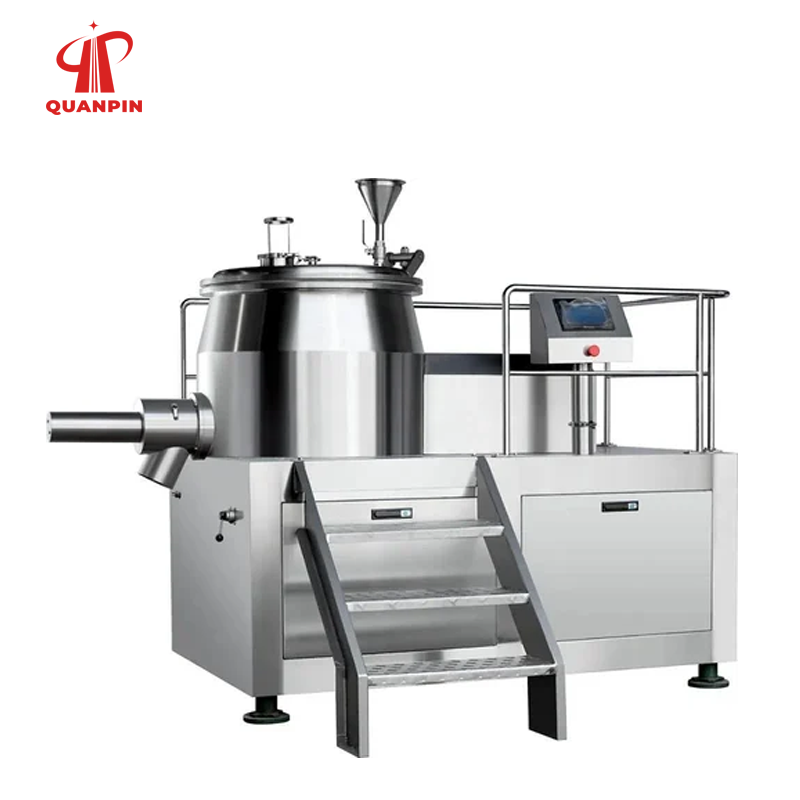
Powder preparation and binder delivery should remain distinguishable within the charging route.
For wet granulation, subsequent liquid addition does not erase an unresolved question about the initial dry charge.
A favorable material sample does not retrospectively prove that an undocumented charging event followed the intended instruction.
Use the relevant quality review
Use the authorized investigation and disposition process when dispensing and charging records cannot be reconciled.
Avoid informally adjusting later records simply to make a development run appear identical to its plan.
The pharmaceutical development team should determine how actual inputs and documented differences affect the conclusions supported by the study.
Formulation Evidence and Authorized Review
Separating dispensing from charging can reveal an omitted handling step or an unclear material handoff.
It can also clarify whether a proposed identification or dosing accessory requires an explicit equipment-scope review. A development comparison should not be presented as complete validation of an untested production process. See FDA process validation guidance.
The distinction does not prescribe a universal reconciliation tolerance or authorize a material-disposition decision.
Any specific acceptance basis must be justified for the actual formulation and relevant quality procedure.
Document the Formulation and Dispensing Record
Identify the formulation and ingredient references.
Preserve the original dispensing record. Assess relevant quality risks using the actual material and process context. See FDA ICH Q9 quality risk management.
Charging Records, Configuration and Safety
Trace the intermediate containers assigned to the charge.
Record actual vessel charging and relevant occurrences.
Identify the configured granulator and subsequent processing route.
Keep reconciliation findings and approved decisions linked to the original evidence. Interpret measurements through process understanding rather than treating an isolated instrument reading as product acceptance. See FDA process analytical technology framework.
Charging, sampling and inspection must follow the installed equipment’s safe operating and access procedures.
Material identity, product-contact cleaning and exposure requirements remain relevant throughout the actual route.
Provide QUANPIN with the Charging Scope
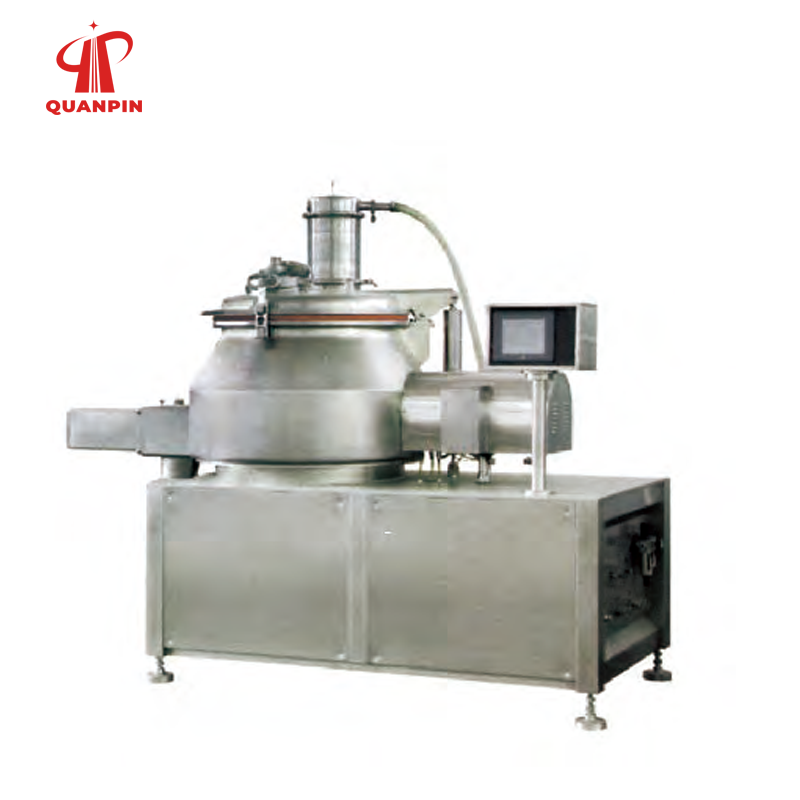
Send QUANPIN the charging interface and the functions that require equipment confirmation.
Distinguish upstream customer dispensing procedures from accessories expressly included in the granulator proposal.
Retain Original Input and Development Evidence
The enquiry should describe how actual material enters the vessel without claiming an unverified automatic verification function.
Retain the agreed equipment boundary alongside the actual charging and development records. Retain knowledge and manage adopted process changes through the pharmaceutical quality system. See FDA ICH Q10 pharmaceutical quality system.
Frequently Asked Questions
Does dispensing document vessel charging?
Dispensing for a batch does not by itself document charging into the vessel.
Why trace intermediate containers?
An intermediate container introduces another physical identity and transfer boundary.
Can the plan replace actual charging history?
A planned ingredient list cannot replace the actual history of an unresolved charging event.
Does a good sample prove undocumented inputs?
A favorable sample does not establish that every undocumented input matched the instruction.
How should a discrepancy be recorded?
Record differences through the appropriate review rather than rewriting the original observations.
What should the enquiry identify?
The enquiry should identify dispensing, intermediate handling, actual vessel entry and the confirmed supply scope.
Discuss Your High-Shear Granulator Charging Interface with QUANPIN
Discuss the matching QUANPIN equipment with QUANPIN. Use the enquiry form or our contact page to describe the actual application.
Email sales@qpdryer.com or stacie@qpdryer.com. Call +86 19850785582, or contact us on WhatsApp: +86 15921493205.