YK Oscillating Granulator for Pharmaceuticals: Identify Spare Screens Separately from Installed Configuration
By QUANPIN
A spare screen should have a clear identity before it is treated as a replacement for a fitted pharmaceutical granulation component. Storage location alone does not establish that the screen matches the installed configuration.
For the YK oscillating granulator, distinguish the spare-parts record from the record describing the working assembly actually used for a batch. See pharmaceutical industry applications.
YK Working Principle and the Fitted Screen
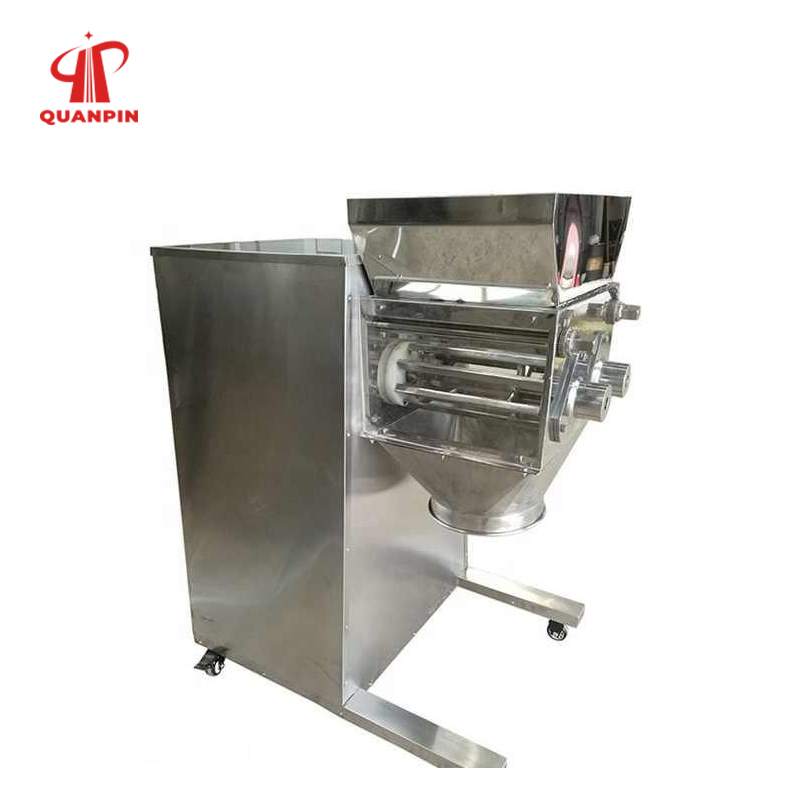
The verified oscillating granulator machine uses reciprocating rotor action to work compatible feed against a screen.
The fitted arrangement therefore matters to the equipment description, while an unused spare remains outside the operating configuration until appropriately reviewed and installed. Use product-specific development knowledge to justify the attributes being examined. See FDA ICH Q8 pharmaceutical development.
Define the Intended Spare and Its Evidence
Define which equipment and configuration the proposed spare is intended to support.
The supplier’s component information and the customer’s applicable procedures should govern identification rather than assumptions from a similar-looking item.
Five Steps for the Application Review
Identify the installed machine
Identify the installed machine and its working assembly.
Connect the spare documentation
Connect the spare screen to the relevant supplier documentation.
Describe identification and status
Describe the spare’s identification and storage status.
Review the replacement
Review the replacement through the applicable equipment procedures.
Preserve the fitted configuration
Preserve the installed configuration in the batch or trial record.
Spare Identity and Installation Boundaries
A screen designation should be distinguished from a complete statement of compatibility with the machine.
Do not assume that a matching description of openings establishes every construction or fitting detail needed for a replacement.
Keep a spare’s receipt or storage record separate from evidence that it has been installed and accepted for the intended duty.
If identifying information is missing, retain that uncertainty rather than assigning the screen an unverified configuration identity.
Equipment and Process Interfaces
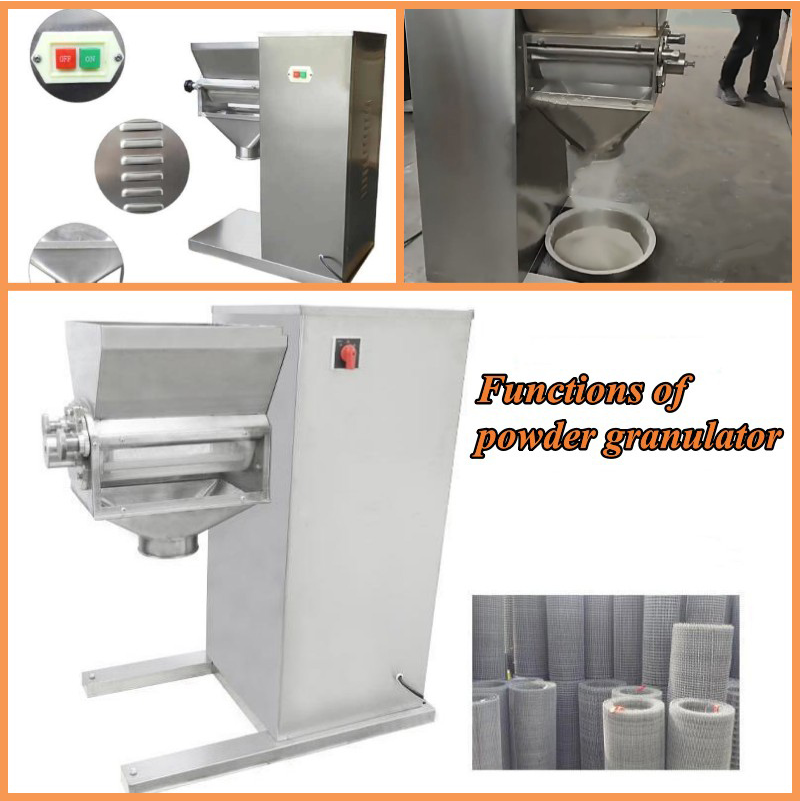
Feed arrangement
The feed arrangement establishes the wet mass or compatible dry material processed by the reviewed equipment.
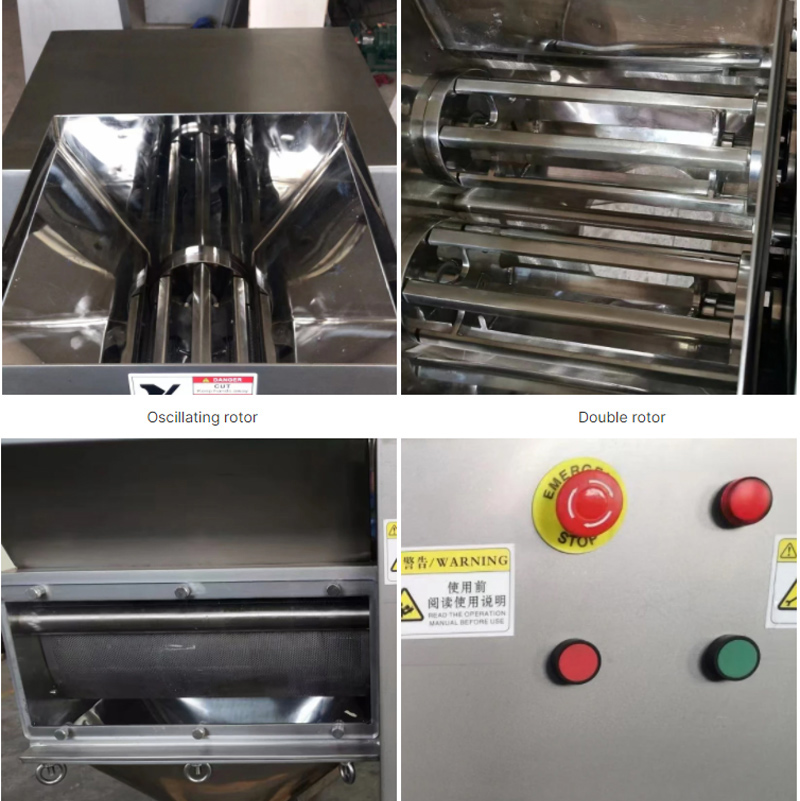
Reciprocating rotor
The reciprocating rotor provides the mechanical action within the working assembly.
Fitted screen
The fitted screen forms the processing interface that must be identified in the configuration record.
Component documentation
The machine’s confirmed component documentation supports a spare-parts comparison without replacing application evidence.
Storage and identification
The storage and identification arrangement preserves the distinction between available, reviewed and otherwise unresolved items.
Installation and return to service
Installation and return-to-service activities belong to the customer’s applicable equipment and quality procedures.
Interpreting Spare-Parts and Operating Records
Define the Actual Material
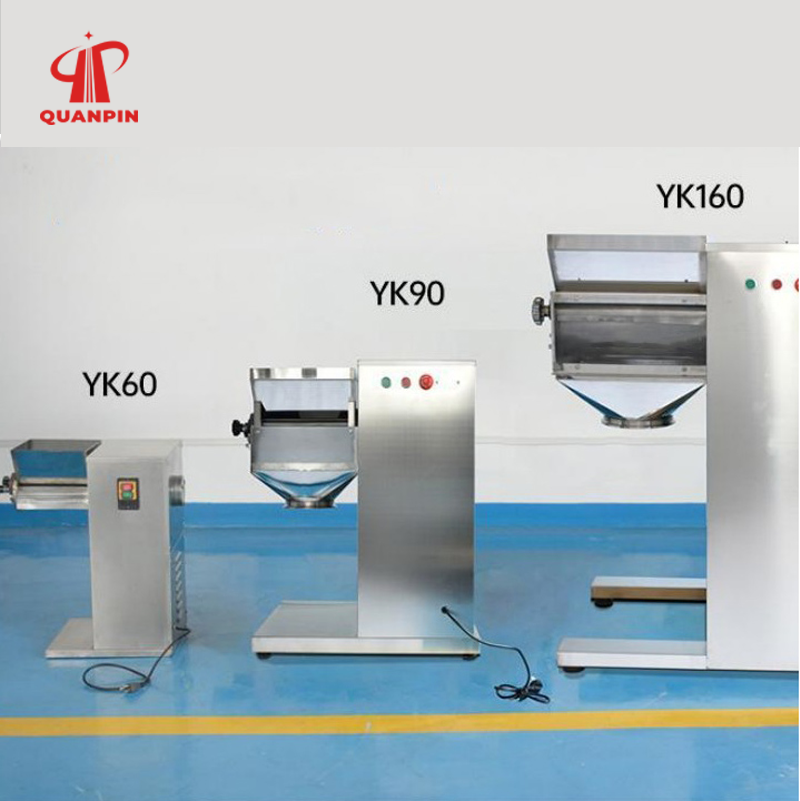
A swing granulator enquiry should identify whether the request concerns a complete machine, a confirmed replacement component or an unresolved spare.
A pharmaceutical granulator family name does not establish that every screen associated with that family is interchangeable.
For wet granulation duties, preserve the relationship between the material stage and the configuration used for the trial.
Preserve the Relevant Boundary
Do not transfer an operating conclusion from one fitted arrangement to a different, unreviewed component simply because both were described as screens.
A storage label can aid identification, but it does not independently prove suitability for a particular material or cleaning requirement.
Describe any known change in the component information and keep the responsible review visible.
State the Evidence Limits
The equipment supplier can confirm the proposed supply details while the customer controls the use of that component within its manufacturing process.
An unchanged product name does not by itself demonstrate that a changed equipment arrangement has been assessed.
The final record should distinguish what was ordered, what was available and what was actually fitted for the relevant work.
Benefits and Limits of Clear Spare Identification
Clear spare identification can reduce confusion when a component is requested or reviewed.
It can reveal a missing connection between a warehouse item and the equipment configuration it is intended to support. A development comparison should not be presented as complete validation of an untested production process. See FDA process validation guidance.
It cannot establish a universal screen replacement interval or a pharmaceutical product acceptance result.
Those questions require appropriate equipment documentation and evidence for the product and operating arrangement.
Machine and Component-Identity Records
Record the machine identity and the relevant configuration documentation.
Preserve the supplier’s confirmed component description rather than reconstructing it from appearance. Assess relevant quality risks using the actual material and process context. See FDA ICH Q9 quality risk management.
Records, Handling and Safety Requirements
State how the unused spare is identified and its review status.
Keep storage, installation and operating records distinguishable.
Identify unresolved component or compatibility questions for the responsible review.
Retain the fitted arrangement with the relevant trial or production evidence. Interpret measurements through process understanding rather than treating an isolated instrument reading as product acceptance. See FDA process analytical technology framework.
Inspecting or replacing a screen must follow the approved isolation and safe-access procedures for the installation.
A desire to confirm an item visually does not justify access to an operating or energized working assembly.
Prepare the YK Spare-Screen Enquiry
Send QUANPIN the equipment identity and available component documentation when requesting a spare screen review.
Explain whether the request is for a confirmed replacement or for help resolving uncertain identification.
Evidence and Limits of the Component Review
A useful response should distinguish confirmed supply details from application-specific operating or product conclusions.
Keep the resolved component identity connected to the equipment record rather than only to a purchasing description. Retain knowledge and manage adopted process changes through the pharmaceutical quality system. See FDA ICH Q10 pharmaceutical quality system.
Frequently Asked Questions
Does storage location verify compatibility?
A screen stored near a granulator is not automatically a verified spare for its installed configuration.
Does the opening description establish every fitting detail?
A matching opening description does not independently establish every construction and fitting detail.
Is receipt evidence of installation?
A spare-parts receipt is different from an installation or return-to-service record.
Should the fitted arrangement remain identifiable?
The fitted arrangement should remain identifiable when reviewing a pharmaceutical trial result.
Does the family name prescribe replacement intervals?
An equipment-family description does not prescribe a universal replacement interval.
What should the spare-screen enquiry include?
The enquiry should include machine identity, confirmed component information, intended duty and any unresolved identification questions.
Discuss Your Application with QUANPIN
Discuss the confirmed YK Oscillating Granulator application with QUANPIN. Use the enquiry form or the contact page to describe your project.
Email sales@qpdryer.com or stacie@qpdryer.com. Call +86 19850785582, or contact us on WhatsApp: +86 15921493205.