Vacuum Freeze Dryer: Define Dried-Fruit Exposure Before Packaging Comparisons
By QUANPIN
A dried-fruit packaging comparison needs a defined unloading-to-closure history. Record the exposure boundary before attributing a later ingredient difference to the freeze-drying cycle. A Vacuum Freeze Dryer should be evaluated against the intended fruit ingredient use.
This food application review connects the dried load, sample handling and packaging study without claiming a universal acceptable exposure time. See the matching food industry applications.
Where Does the Dried-Fruit Exposure Period Begin and End?
State when the dried fruit leaves the protected process and when its container or package is closed.
Preserve the handling and storage information relevant to the intended food tests so packaging and drying effects can be reviewed separately.
Equipment Principle and Material Requirements
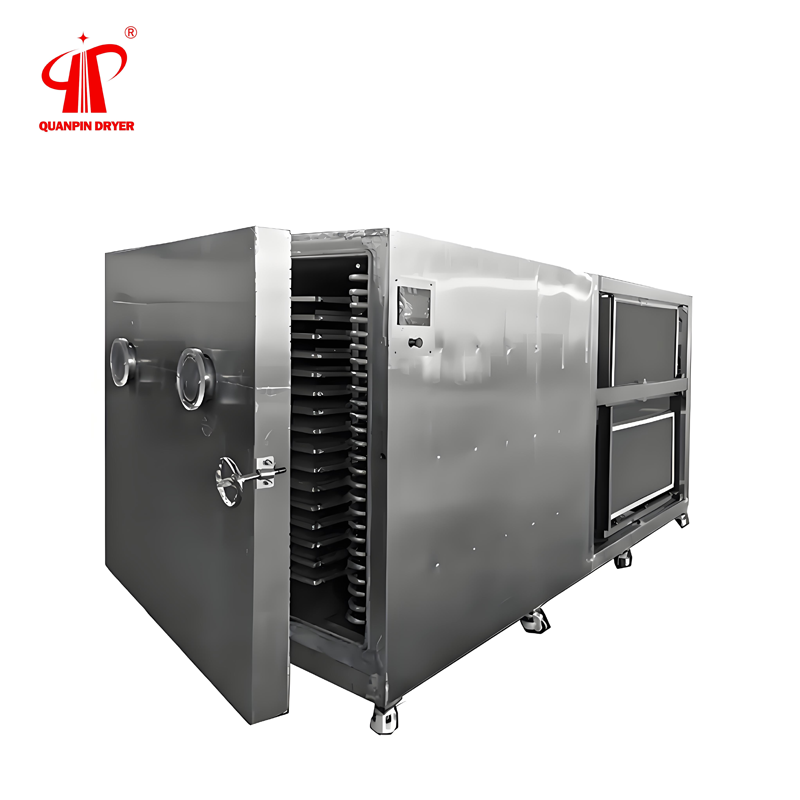
Vacuum freeze drying removes ice from frozen fruit through sublimation under the specified processing conditions. Specify the fruit preparation and load when enquiring about a Vacuum Freeze Dryer Machine.
Once unloading begins, handling becomes part of the delivered-product history and needs documentation beyond the dryer operating record.
Five Steps for the Application Study
Identify the fruit load
Identify the prepared fruit, frozen load and actual drying run used for the comparison.
Map unloading and closure
Map the unloading and handling route to the stated container or package closure.
Record protection conditions
Record the relevant exposure and protection conditions through the approved procedure.
Collect traceable samples
Collect and identify samples at the material boundaries required by the study.
Review the combined history
Review the food-product results with the complete drying and packaging history.
Four Process Boundaries to Record
The load boundary identifies the fruit preparation and frozen material entering the dryer.
The unloading boundary states where the protected drying process ends for the study.
The exposure boundary records subsequent handling before the defined closure event.
The acceptance boundary identifies the ingredient tests and storage conditions represented by the results.
Vacuum Freeze Dryer Components and Interfaces
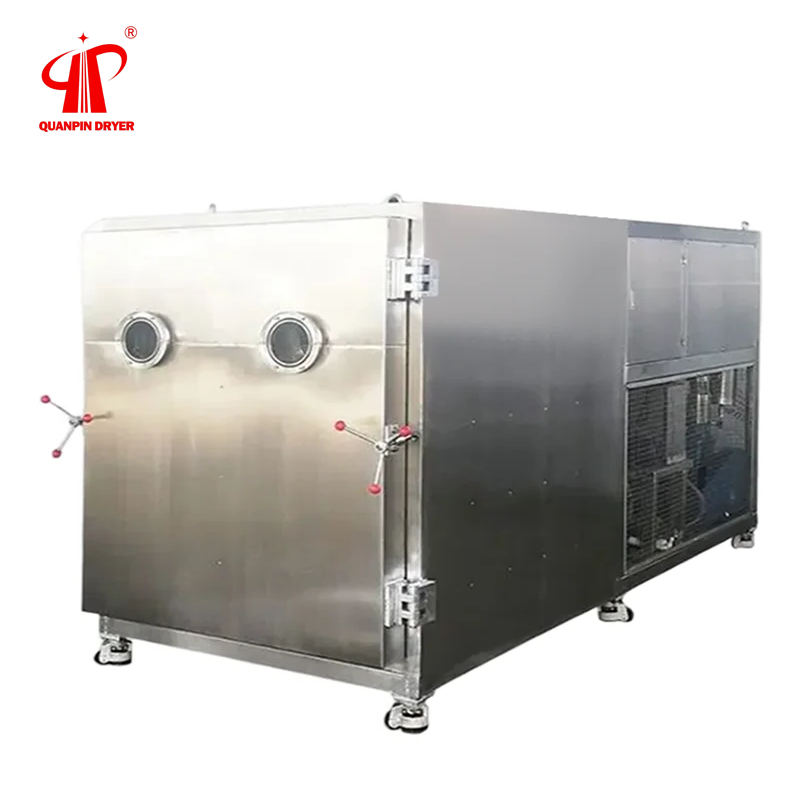
Freeze-dryer configuration
Confirm the freeze-dryer and loading arrangement from the equipment documents. A vacuum freeze drying machine needs a defined frozen-product duty rather than an unspecified food load.
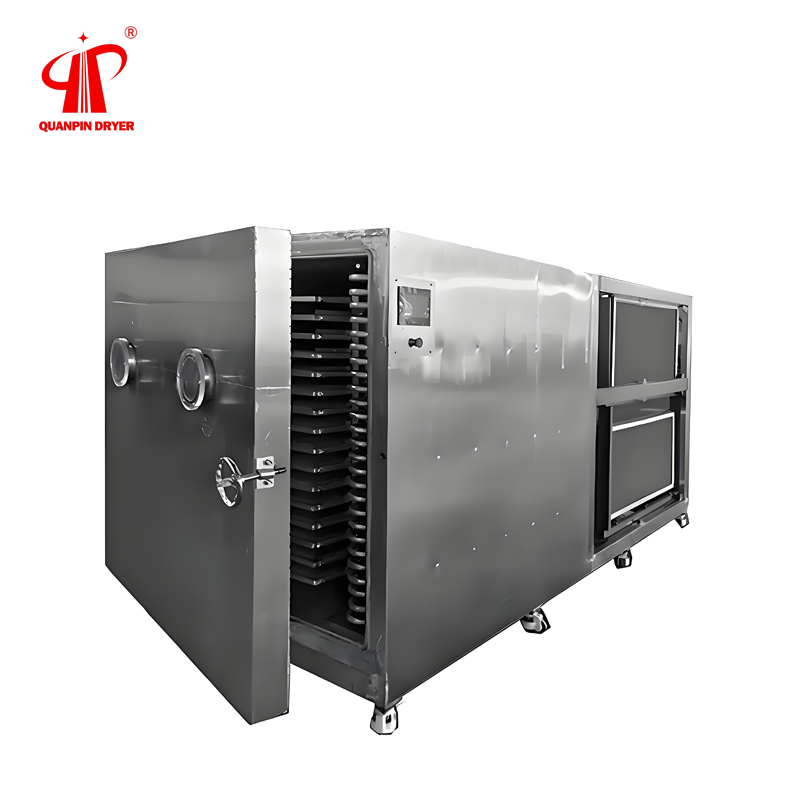
Fruit loading supports
Identify trays or supports associated with the actual fruit load. A food vacuum freeze dryer should be judged by the required ingredient tests, not a generic low-temperature claim.
Unloading arrangement
Describe the unloading arrangement included in the supplied configuration.
Containers and packaging
Identify connecting containers and packaging equipment separately where outside scope.
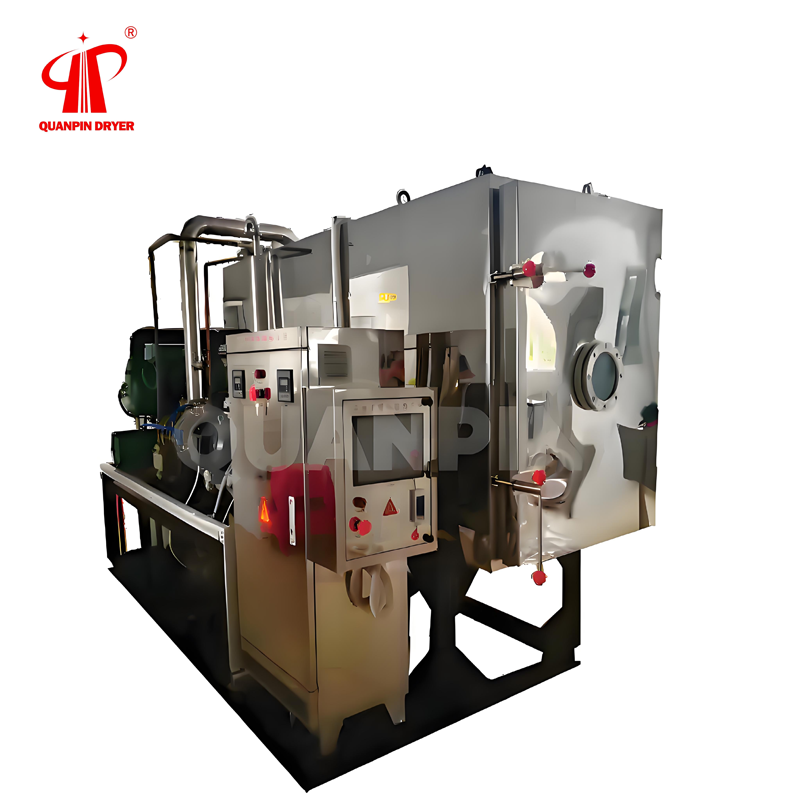
Protected sample handling
Review the sample-protection and identification method for the dried fruit.
Packaging and analytical records
Keep packaging and laboratory records connected to the drying-run identity.
Comparison Choices and Process Interfaces
Define the Reference Basis
Establish a reference handling route with explicit unloading and closure events. Food vacuum drying includes other routes; the present comparison concerns ice removal by sublimation.
Retain the dried-fruit condition and relevant protection information for that route.
Keep the analytical method and intended-use criteria with the reference samples.
Keep the Comparison Interpretable
When packaging or handling changes, document the change independently of dryer settings.
Do not assume that unchanged drying conditions establish identical delivered-fruit histories.
Identify missing exposure information as a limitation instead of reconstructing it as measured fact.
Assess the Receiving Process
Assess the product under the storage or use conditions actually included in the study. An industrial vacuum dryer description does not by itself establish a freeze-drying configuration.
Keep short-term sample observations separate from commercial shelf-life claims.
Use the evidence to define the next handling or packaging comparison appropriate to the fruit ingredient. Water activity describes a property different from total moisture content. See FDA water activity background.
Industry Application and Acceptance
Dried-fruit ingredients require hygienic handling and protection suited to their actual food use. Food hazard analysis and relevant preventive controls are separate from demonstrating a preferred ingredient appearance. See FDA preventive controls for human food.
Moisture content and water activity provide different information and should retain their method identities. Food equipment and processing need appropriate hygiene controls. See FDA food manufacturing practices.
Packaging and sanitation requirements need review through the site’s food process and hazard assessment. Include relevant sanitation and handling requirements in the food-process review. See FDA sanitation and transportation resources.
A preferred appearance alone does not establish microbial safety, retained nutrients or storage life.
Benefits and Practical Limits
A defined exposure history can clarify why apparently similar dried loads produce different later test results. This frozen-product route differs from other low-temperature vacuum drying arrangements.
It cannot establish a permissible handling interval or suitable packaging material without product-specific evidence.
Six Details That Affect the Result
Identify unloading and closure times as separate recorded events.
Describe the actual containers and protection used before packaging.
Preserve environmental information when it is required by the approved study.
Record sample collection and storage separately from the commercial handling route.
Keep package identity and closure condition with the test result.
Explain the time and storage boundary of any claimed observation.
Safety and Operating Requirements
Unloading must follow the machine’s approved operating procedure and suitable food-hygiene controls.
Handling and packaging methods need assessment for the actual fruit, equipment and site conditions. Protect dried fruit ingredients from moisture uptake during handling and packing. See FAO dried fruit and vegetable handling guidance.
Prepare Your Equipment Enquiry
Send QUANPIN the fruit preparation, intended dried ingredient and proposed unloading arrangement. Heat-sensitive material drying requires a product-specific assessment; a cool process description cannot establish retained quality.
Identify the packaging boundary and tests that the drying trial is expected to support. Compare Drying Equipment against the intended fruit specification and the protected handling boundary.
Frequently Asked Questions
Do unchanged dryer settings establish identical later handling?
Unchanged dryer settings do not prove identical handling after unloading.
Should exposure use defined events?
The exposure period should use defined events rather than an approximate recollection.
Are moisture and water activity interchangeable?
Moisture content and water activity are different measurements.
Does a handling study establish commercial shelf life?
A handling study does not automatically establish a commercial shelf-life claim.
Does packaging need its own application review?
Packaging equipment and material selection should be confirmed within their own application review.
What handling scope should QUANPIN receive?
A useful enquiry connects the dried-fruit specification with the actual handling and packaging scope.
Discuss Your Vacuum Freeze Dryer Application with QUANPIN
Discuss your application with Vacuum Freeze Dryer specialists at QUANPIN. Use the enquiry below or our contact page.
Email sales@quanpinmachine.com or stacie@quanpinmachine.com. Call +86 19850785582, or contact us on WhatsApp: +86 15921493205.