Rotating Flash Dryer: Reconcile Collected Pigment Solids Before Comparing Product Recovery
By QUANPIN
Pigment product recovery needs a clearly defined solids account. Identify what enters the rotating flash-drying system and which collected fractions qualify as accepted product. A spin flash dryer trial must connect feed dispersion with the required pigment application.
A gross powder quantity can be misleading when moisture basis, retained material or unassessed fractions are left undefined. See the matching chemical industry applications.
Which Collected Material Qualifies as Accepted Pigment?
State the feed and product basis, identify separately collected fractions and explain unaccounted material.
Keep the balance distinct from the pigment quality decision: a collected mass is not automatically an accepted product mass.
Equipment Principle and Material Requirements
The rotating flash dryer disperses suitable wet feed in heated process air and recovers powder through the specified separation arrangement.
Its application review needs the actual feed form, collection configuration and final pigment requirements, rather than an assumed recovery percentage.
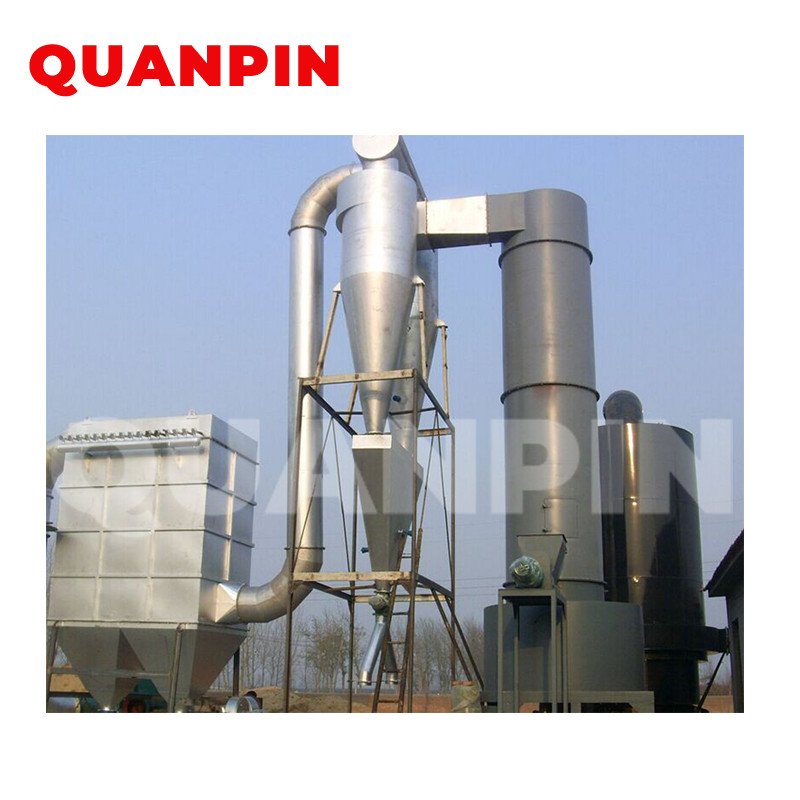
Five Steps for the Application Study
Define incoming pigment
Identify the wet pigment feed and the quantity basis used for the trial.
State the solids basis
Define the feed and product moisture methods and the solids basis used for comparison.
Separate collection fractions
Record collected fractions separately and preserve their sampling identities.
Assess product acceptance
Assess which fractions meet the actual pigment acceptance requirements.
Reconcile the stated boundary
Reconcile the stated boundary and explain remaining uncertainty before comparing recovery claims.
Four Process Boundaries to Record
The feed boundary identifies what enters the agreed drying and collection system.
The solids boundary defines the material basis connecting incoming feed and recovered powder.
The collection boundary distinguishes product fractions, residues and other material within scope.
The acceptance boundary states which tested material can be counted as accepted pigment.
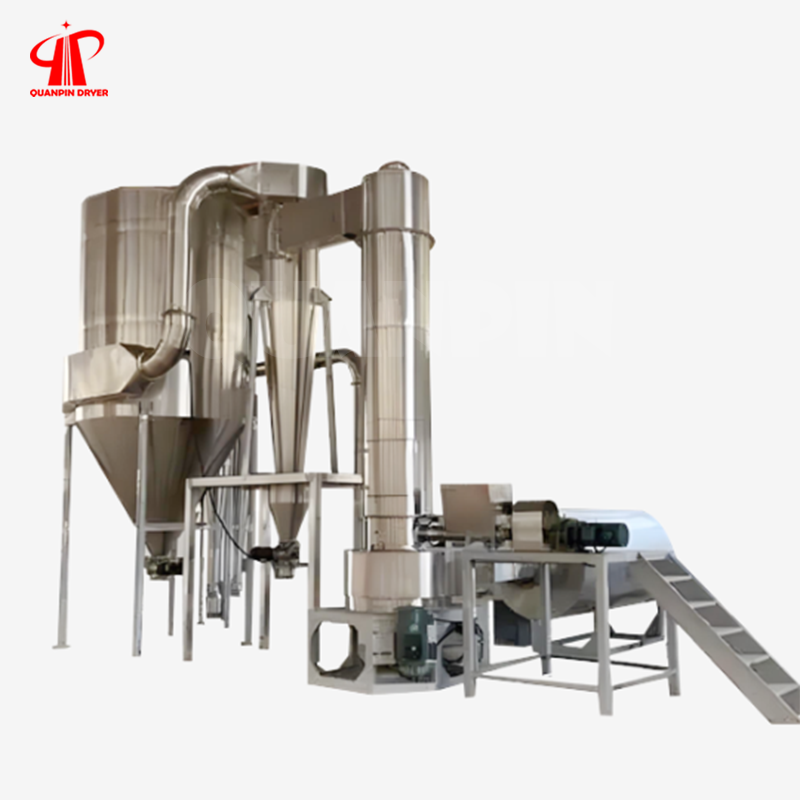
Rotating Flash Dryer Components and Interfaces
Feed and dispersion
Confirm the feed and dispersion arrangement in the actual equipment documentation. Compare spin flash dryer price quotations on the same feed preparation, recovery and installation boundary.
Drying and process air
Identify the drying chamber and process-air scope included in the trial. Do not treat this wet-cake trial as evidence for every slurry drying duty; feed form and delivery must match.
Powder recovery configuration
Describe the separation and collection components that define the recovery boundary.
Fraction containers
Record the containers used for each collected fraction.
Moisture and pigment tests
Identify sampling and analytical methods for moisture and relevant pigment attributes.
Retained-material records
Keep equipment cleaning and retained-material observations with the trial account where required.
Comparison Choices and Process Interfaces
Define the Reference Basis
Establish the reference run using an explicit feed quantity and analytical basis. The powder drying result must include the intended coating, ink or polymer preparation method.
Retain separate collection records instead of combining every fraction into an unexplained total.
Preserve the acceptance decision associated with each tested fraction.
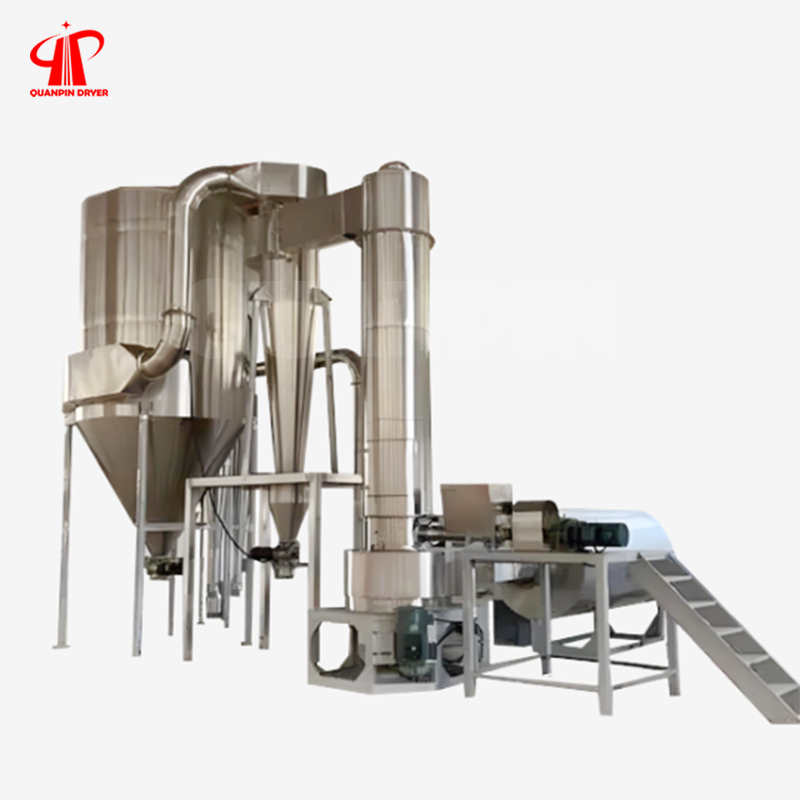
Keep the Comparison Interpretable
When another configuration is compared, identify any change in feed preparation or collection scope.
Do not label an added collection point as a higher accepted-product recovery without testing its material.
Explain unaccounted material and method uncertainty rather than forcing the balance to close.
Assess the Receiving Process
Assess pigment properties relevant to the intended chemical application. For chemical powder drying, a low moisture result and a satisfactory application result are separate acceptance questions.
Keep any proposed rework or blending of fractions separate from the original accepted-product account.
Use the evidence to define additional collection or product tests needed for a justified comparison.
Industry Application and Acceptance
Chemical pigment applications need material identity, hazard information and acceptance criteria suitable for the actual product. Review the actual material hazard information before defining the pigment duty. See HSE safety data sheets.
Moisture and collection quantities should be reviewed alongside the pigment attributes required by the receiving process. Keep chemical classification, labels and material safety information appropriate to the actual pigment. See HSE chemical classification resources.
Workplace extraction and environmental requirements remain separate from the product recovery calculation. Identify potentially applicable site requirements independently from powder-quality acceptance. See EPA chemical-production emissions resources.
The trial should not be presented as proof of compliance for an unassessed installation.
Benefits and Practical Limits
A defined solids account makes recovery comparisons more transparent and easier to investigate. Compare Industrial drying equipment using the same prepared feed and finished-product test.
It cannot establish a guaranteed yield or demonstrate product quality without the corresponding tests.
Six Details That Affect the Result
Keep the incoming quantity and its moisture or solids basis explicit.
Use identifiable containers or records for separate collected fractions.
Record the analytical method used to establish each relevant moisture value.
Distinguish collected powder from material accepted against the pigment specification.
Retain residues and unaccounted material as separate parts of the stated boundary.
Explain changes in collection scope before comparing two reported recovery values. Workplace extraction needs its own design and assessment. See HSE local exhaust ventilation resources.
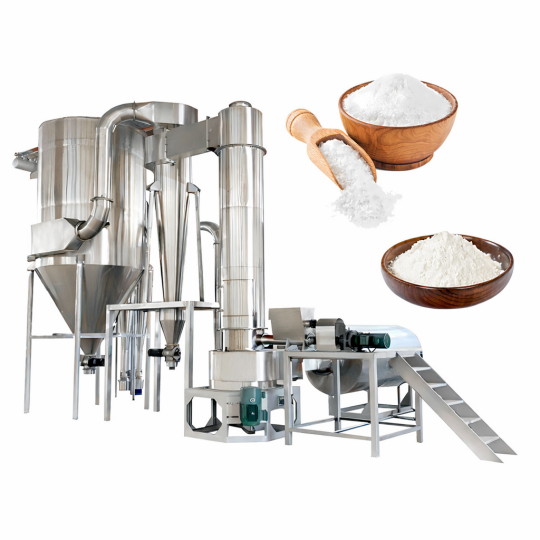
Safety and Operating Requirements
Review the actual pigment safety information and relevant dust or volatile hazards before trial operation.
Sampling and retained-material inspection require approved operating, isolation and exposure-control procedures. Assess relevant combustible-dust hazards using the actual pigment and process. See HSE dangerous substances and combustible dust guidance.
Prepare Your Equipment Enquiry
Provide QUANPIN with the pigment feed form, quantity basis and required product attributes. Ask a Spin Flash Dryer Manufacturer to document the demonstrated material range, not just nominal throughput.
Include the proposed collection boundary and the evidence needed to compare accepted-product recovery. A spin flash dryer supplier enquiry should include the pigment recipe test, collection boundary and real utility constraints.
Frequently Asked Questions
Is all collected powder accepted pigment?
Gross collected powder should not automatically be called accepted pigment product.
Does a solids account need an explicit material basis?
A solids comparison needs a clearly identified feed and product basis.
Should separate fractions be tested before combining?
Different collected fractions may require separate assessment before they are combined.
How should unaccounted material be treated?
Unaccounted material should remain explicit rather than being presented as measured accepted output.
Does recovery establish emissions compliance?
Product recovery evidence does not replace emissions or workplace-extraction assessment.
What recovery evidence should the enquiry request?
A useful enquiry states the collection boundary and product tests before requesting a recovery comparison.
Discuss Your Rotating Flash Dryer Application with QUANPIN
Discuss your application with Rotating Flash Dryer specialists at QUANPIN. Use the enquiry below or our contact page.
Email sales@quanpinmachine.com or stacie@quanpinmachine.com. Call +86 19850785582, or contact us on WhatsApp: +86 15921493205.