WFJ Fine Pulverizer: Define the Excipient Sample-Retention Plan Before a Comparative Trial
By QUANPIN
A milling study is easier to investigate when its samples remain identifiable after the first laboratory report. Define the retention plan before a WFJ excipient trial starts. The fine pulverizer duty begins with the required powder rather than an isolated machine setting.
The plan should explain what is retained, why it is retained and which material boundary each container represents. See the matching pharmaceutical industry applications.
Which Samples Must Remain Traceable After the Trial?
Select retention samples according to the development question and the approved pharmaceutical procedure. Connect each sample with the feed, run and collection records.
Do not assume that keeping an arbitrary container of powder preserves enough evidence to explain a later result. Use product-specific development knowledge to justify the attributes being examined. See FDA ICH Q8 pharmaceutical development.
Equipment Principle and Material Requirements
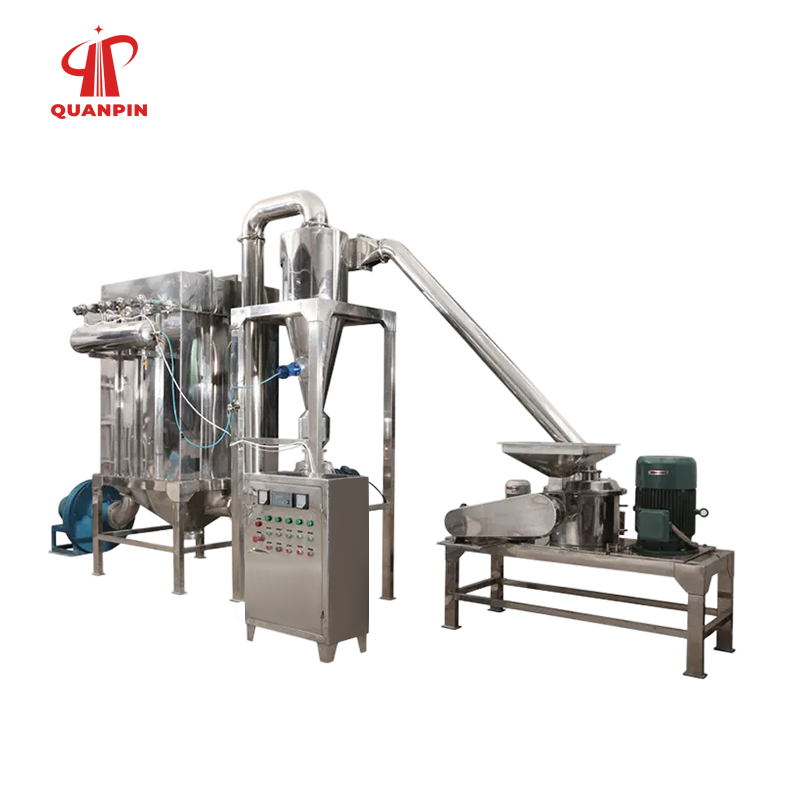
The WFJ combines grinding and classification in its specified powder-processing arrangement. In pharmaceutical milling, the feed and product measurement method must be stated together.
Feed, recovered powder and separately collected fractions can represent different material states; their identities should remain distinguishable in the retention record.
Five Steps for the Application Study
Define the study question
Identify the excipient and the comparisons the development study is intended to support.
Choose sample boundaries
Define the sample locations and material states that must remain available for investigation.
Agree retention procedures
Agree containers, quantities and storage procedures with the responsible laboratory and quality team.
Preserve sample identities
Label retained material and link it to the operating, collection and analytical records.
Review evidence availability
Review sample availability and limitations before interpreting a later comparative test.
Four Process Boundaries to Record
The feed boundary identifies material before the agreed grinding process.
The output boundary identifies the specific collected powder represented by each retained sample.
The storage boundary follows the sample through its documented retention conditions.
The analytical boundary identifies which future tests the sample is intended to support.
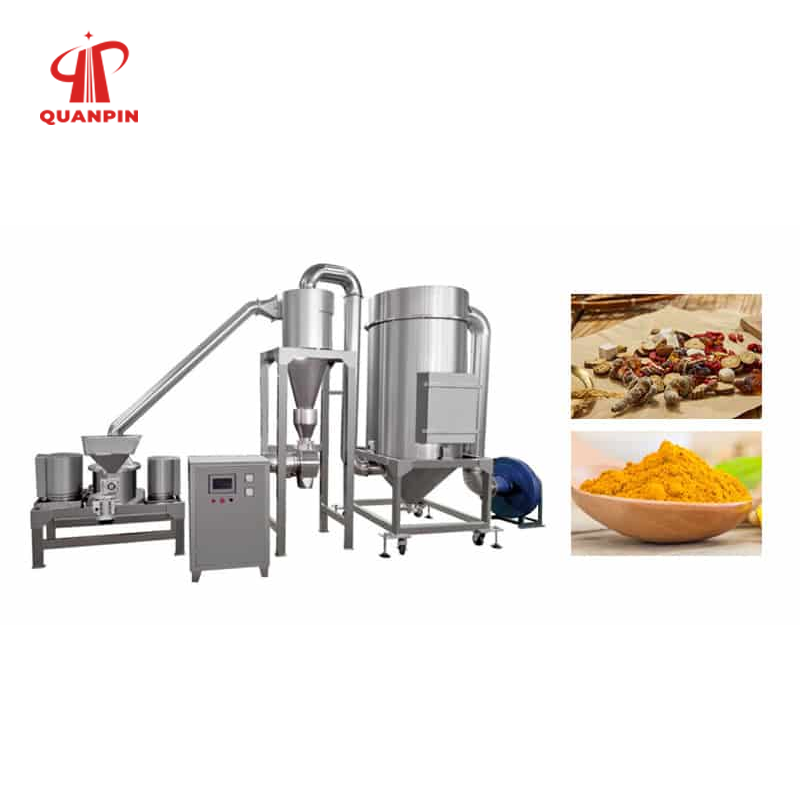
WFJ Fine Pulverizer Components and Interfaces
Excipient feed identity
Record the feed lot and preparation used in the actual equipment trial. Evaluate particle size reduction against the incoming and accepted distributions, with the collection boundary defined.
Grinding and classifier setup
Confirm the grinding and classifier configuration associated with the collection period. The classifier mill assessment should include retained inventory and separately collected fractions.
Powder recovery fractions
Identify the powder-recovery arrangement and separately collected fractions within scope.
Safe sampling access
Review safe sampling access before specifying collection locations.
Retention containers
Keep container identification and relevant storage information in the retention register.
Laboratory and storage records
Preserve the laboratory method and original results alongside the sample history.
Comparison Choices and Process Interfaces
Define the Reference Basis
Establish the reference trial with a defined feed and collection boundary. Downstream dry blending needs powder whose relevant properties remain traceable after size reduction.
Retain the sample identity used for the original analytical result.
Describe any retained counterpart so it can be connected to that same collection period.
Keep the Comparison Interpretable
When a later comparison is requested, check the sample history before treating it as unchanged material.
Identify storage deviations or missing records through the approved investigation process.
Do not reconstruct an unidentified sample’s origin from its appearance or container location.
Assess the Receiving Process
Assess the delivered powder at the boundary required by the development objective. A receiving powder blender is a separate operation; its uniformity cannot be inferred from the mill result alone.
Keep retained samples separate from accepted-output accounting and any proposed rework.
State what the available evidence can and cannot resolve before deciding on another trial.
Industry Application and Acceptance
Pharmaceutical excipient development needs traceability suited to the actual formulation and study purpose.
Retention supports investigation, while product acceptance still depends on suitable analytical methods and quality review. A development comparison should not be presented as complete validation of an untested production process. See FDA process validation guidance.
A retained sample does not automatically remain suitable for every later test.
Routine retention and validation requirements need their own justified procedures rather than a universal equipment rule.
Benefits and Practical Limits
A defined retention plan can preserve evidence that would otherwise disappear after testing. Check whether transfer into the specified powder mixer changes segregation or handling behavior.
It cannot establish an appropriate storage period or guarantee that a later sample represents its original condition. Assess relevant quality risks using the actual material and process context. See FDA ICH Q9 quality risk management.
Six Details That Affect the Result
Identify the retained material state rather than labeling everything simply as powder.
Record the sampling point and collection interval where relevant to the study.
Keep the container identity associated with its original batch and run.
Document storage conditions required by the approved procedure. Interpret measurements through process understanding rather than treating an isolated instrument reading as product acceptance. See FDA process analytical technology framework.
Retain original analytical observations when repeat testing is performed.
Record sample use or depletion so unavailable evidence is not treated as still accessible.
Safety and Operating Requirements
Sampling must follow the installed system’s safe operating and exposure-control procedures.
Container handling and storage need controls appropriate to the actual pharmaceutical material.
Prepare Your Equipment Enquiry
Send QUANPIN the excipient duty, desired powder attributes and intended collection arrangement. Define the interface with downstream Mixing Equipment rather than treating grinding and blending as one machine duty.
Explain the sample boundaries needed for the development study and identify interfaces requiring review. Where granulation follows milling, assess that later product independently under its own acceptance plan. Retain knowledge and manage adopted process changes through the pharmaceutical quality system. See FDA ICH Q10 pharmaceutical quality system.
Frequently Asked Questions
Is keeping a powder container enough?
A retained container is useful only when its material identity and history are sufficiently clear.
Is there a universal retention quantity or period?
The appropriate retention quantity and period depend on the approved purpose and procedure.
Do different recovered fractions represent the same powder?
Different collection fractions should not be assumed to represent the same powder.
Does stored material necessarily retain its original condition?
A later test needs consideration of the sample’s actual storage and handling history.
Can retained samples replace the original records?
Sample retention does not replace the original operating and analytical records.
What retention needs should QUANPIN review?
A useful enquiry connects the equipment duty with the evidence the trial must preserve.
Discuss Your WFJ Fine Pulverizer Application with QUANPIN
Discuss your application with WFJ Fine Pulverizer specialists at QUANPIN. Use the enquiry below or our contact page.
Email sales@quanpinmachine.com or stacie@quanpinmachine.com. Call +86 19850785582, or contact us on WhatsApp: +86 15921493205.