Pharmaceutical V Blender: Separate Incoming-Ingredient Approval from Blended-Material Acceptance
By QUANPIN
Approval of incoming pharmaceutical ingredients and acceptance of material after blending are separate decisions. A V-type mixer cannot turn an incoming-material status into proof of the completed blend’s requirements.
A pharmaceutical V blender enquiry should preserve both the ingredient-use boundary and the product assessment needed after the actual operation. See pharmaceutical applications.
Equipment Principle and Evidence Limits
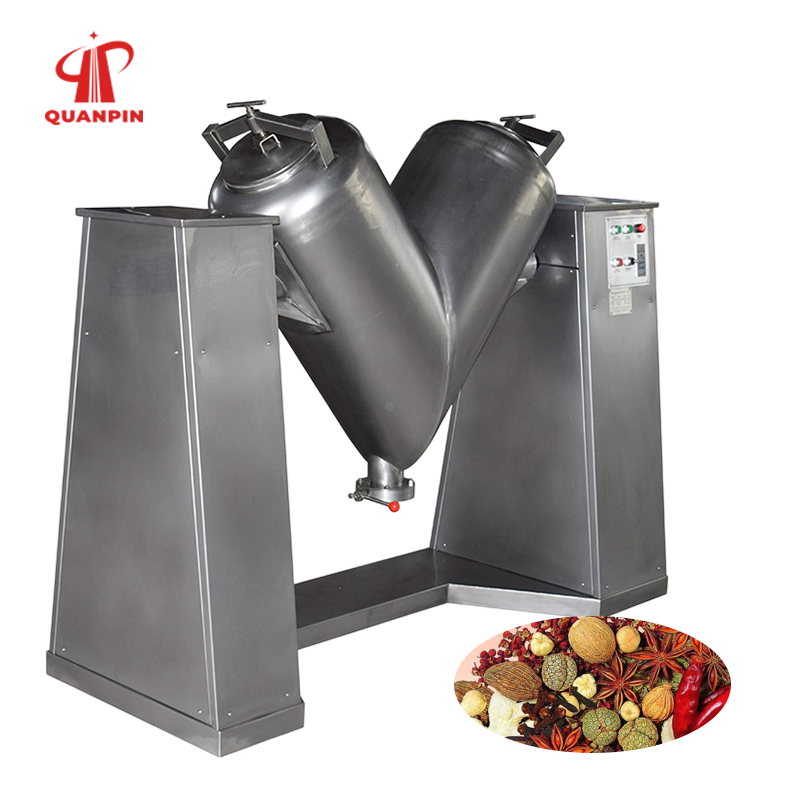
The V blender repeatedly divides and recombines compatible dry ingredients through vessel rotation.
That V mixer principle does not perform every supplier, component-testing or pharmaceutical release function associated with the manufacturing route. The component-control provision covers receipt, identification, handling and status of incoming materials. See 21 CFR 211.80: Component control (2025 published edition).
Define Ingredient and Blend Status Separately
Identify which material status is being discussed before describing a batch as approved.
Keep the records authorizing ingredient use distinct from results representing the mixed material.
Five Steps for a Traceable Comparison
Identify incoming ingredient lots
Identify the formulation and actual incoming ingredient lots.
Preserve receipt and use status
Preserve their receipt, identification and applicable use status.
Describe actual charging and blending
Describe the actual charge and blending configuration.
Identify mixed-material evidence
Identify samples and tests for the blended material.
Keep each decision in scope
Interpret each decision within the stage it actually covers.
Separate the Four Relevant Records
A receipt record describes material arriving at a defined incoming boundary.
An ingredient-approval record concerns the material and requirements assessed before use.
A blending record describes the actual ingredients and configured operation.
A product-assessment result concerns its identified sample and relevant acceptance basis.
Equipment and Evidence Interfaces
Receipt and storage
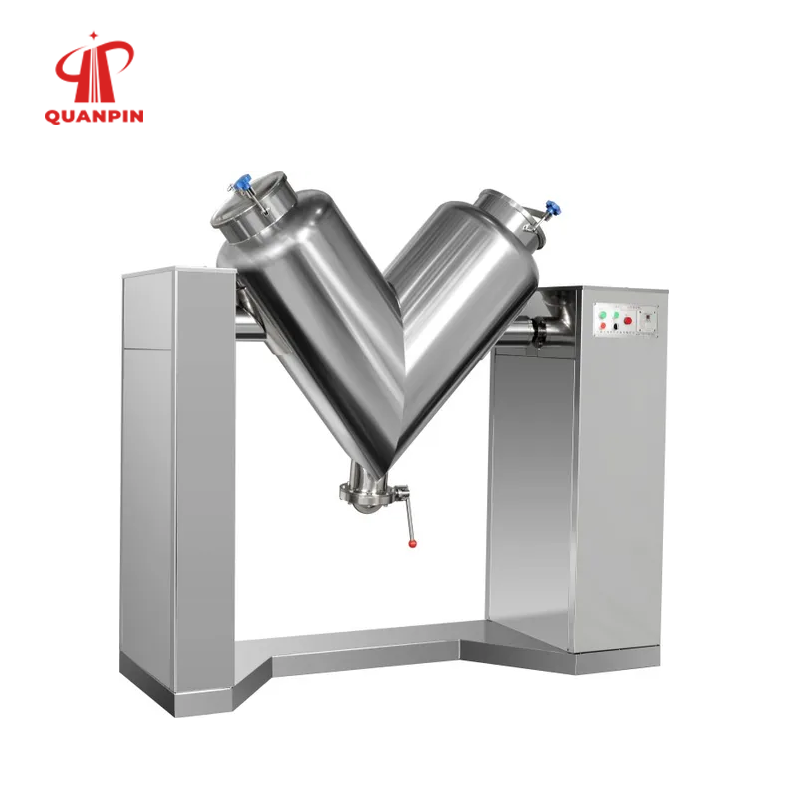
The receiving and storage arrangement preserves ingredient identity before charging.
Ingredient charging
The charging boundary establishes which material enters the vessel.
Rotating assembly
The rotating assembly supplies the confirmed dry-blending action.
Blend sampling
Sampling identifies portions representing the mixed material at stated locations or stages.
Analytical method
The analytical method establishes which attributes those samples were assessed against.
Receiving operation
The receiving operation defines further processing after the blender’s supply boundary.
Interpret the Actual Results
Identify the actual material
A V cone blender study should identify the actual approved ingredient lots without treating their status as the blend result.
Supplier information and incoming testing should retain the material identities they actually represent.
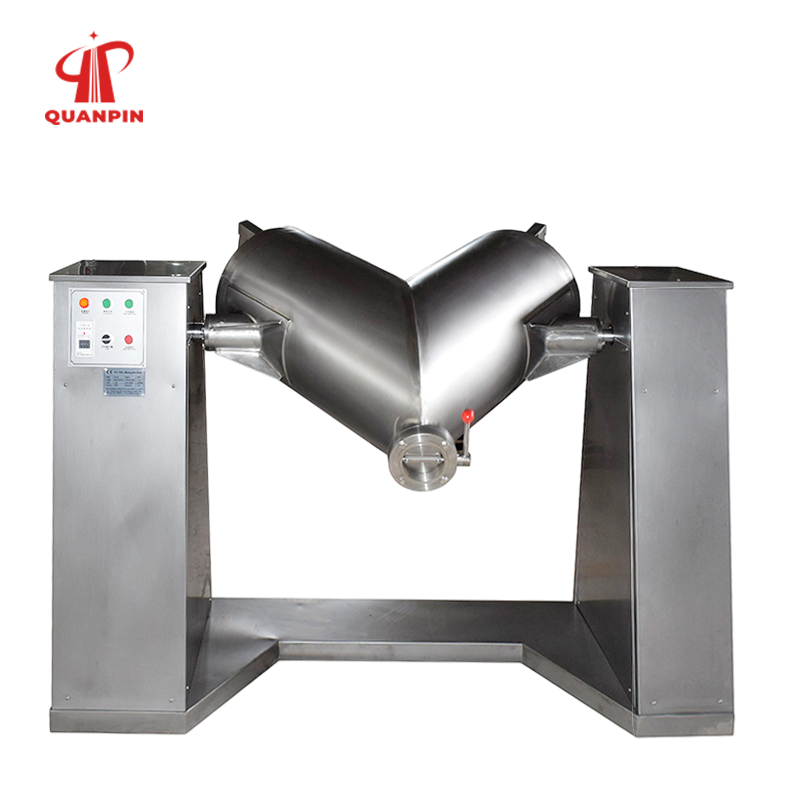
A V type mixer report also needs the actual charge and relevant operating record.
Preserve configuration and records
If an incoming material is unresolved or differs from the intended formulation, preserve that issue for the responsible review.
A V powder blender cannot correct a missing material-status decision merely by running the batch.
Likewise, an approved ingredient lot does not independently establish distribution of that ingredient after mixing.
Review the application conclusion
Use the relevant sampling and analytical procedures to assess the actual mixed material.
Finished-product release belongs to its applicable evidence and quality process rather than an unqualified blending claim.
The final record should make clear which component and mixed-material decisions were actually made.
Benefits and Limits of the Review
Separating the decisions can prevent an incoming approval document from being used as unsupported evidence of blend acceptance.
It also helps reviewers locate whether an unresolved question concerns receipt, charging, mixing or later product assessment. The laboratory-controls provision distinguishes appropriate specifications and test or sampling procedures for relevant material stages. See 21 CFR 211.160: Laboratory controls (2025 published edition).
The distinction does not prescribe a universal incoming test or blend-uniformity limit.
The actual formulation, material stage and appropriate specifications determine the relevant evidence.
Identify the Material and Method
Record the actual supplied ingredient identities and lot references.
Preserve receipt and applicable material-status information. The component-testing provision addresses sampling, testing and approval before use of components. See 21 CFR 211.84: Component testing and approval (2025 published edition).
Records, Handling and Safe Access
Keep testing or examination conclusions linked to the incoming lots assessed.
Describe the actual charge and configured blending operation.
Identify the samples and methods representing the blended material.
Retain links between ingredient use and the resulting batch record. The drug-product release provision concerns final product testing; it should not be attributed to a blender observation. See 21 CFR 211.165: Drug-product testing and release (2025 published edition).
Charging and sampling must follow the mixer’s approved operating and safe-access procedures.
Ingredient identity, product-contact cleaning and exposure requirements remain relevant across the actual handling route.
Provide QUANPIN with the Application Scope
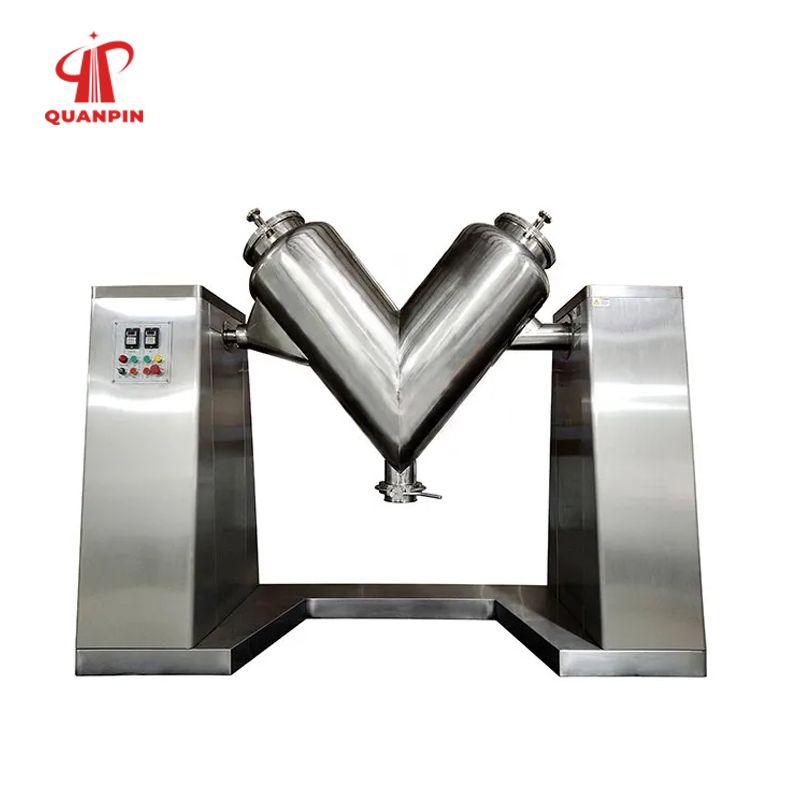
Provide QUANPIN with the dry-blending duty and the actual ingredient forms.
Keep component-status and pharmaceutical product-release decisions identifiable for the responsible laboratory and quality reviewers.
Preserve the Evidence and Its Limits
Retain the incoming and blend evidence as separate but connected records.
Do not expand a favourable observation at one stage into an unsupported approval of every other manufacturing stage. The component-record provision retains incoming identity, test conclusions and the connection to material use. See 21 CFR 211.184: Component records (2025 published edition).
Frequently Asked Questions
Does ingredient approval establish blend acceptance?
Incoming ingredient approval does not independently establish acceptance of the completed blend.
Are receipt and product-testing records the same boundary?
A receipt record and a product test describe different material boundaries.
Does approved status remove the need for charge identity?
Actual charge identity remains necessary even when ingredient lots have an approved status.
Does the blender supply all testing and release functions?
The blender does not supply every testing or release function associated with pharmaceutical manufacture.
Does a powder observation establish finished-product quality?
A finished-product conclusion needs its own relevant evidence beyond the mixed-powder observation.
What should the blending enquiry distinguish?
The enquiry should distinguish incoming identity and status, actual vessel charge, blend samples and the subsequent acceptance question.
Discuss the Confirmed Application with QUANPIN
Discuss the confirmed ZKH(V) V-Type Mixer application with QUANPIN. Use the enquiry form or the contact page to describe your project.
Email sales@qpdryer.com or stacie@qpdryer.com. Call +86 19850785582, or contact us on WhatsApp: +86 15921493205.