KZL Granulator-Crusher: Define the Theoretical-Output Basis before Interpreting Sizing Yield
By QUANPIN
A sizing-yield statement needs a defined theoretical-output basis as well as an actual material record. An attractive percentage is not interpretable when the denominator and processing stage are unclear.
For the KZL High-Speed Granulator/Crusher, distinguish the expected material account from the quantities actually collected and assessed. See pharmaceutical applications.
Equipment Principle and Evidence Limits
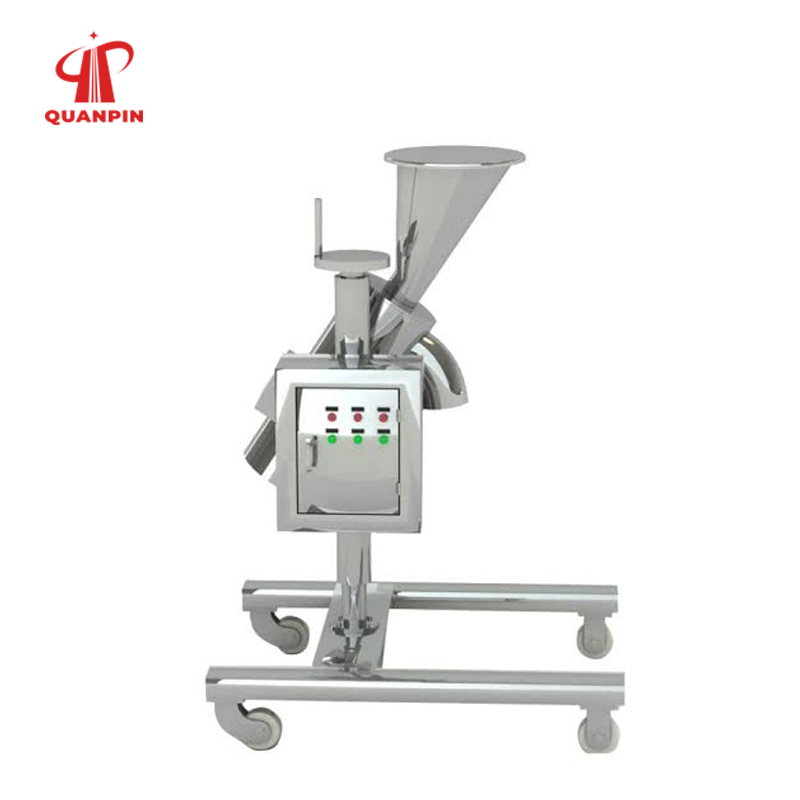
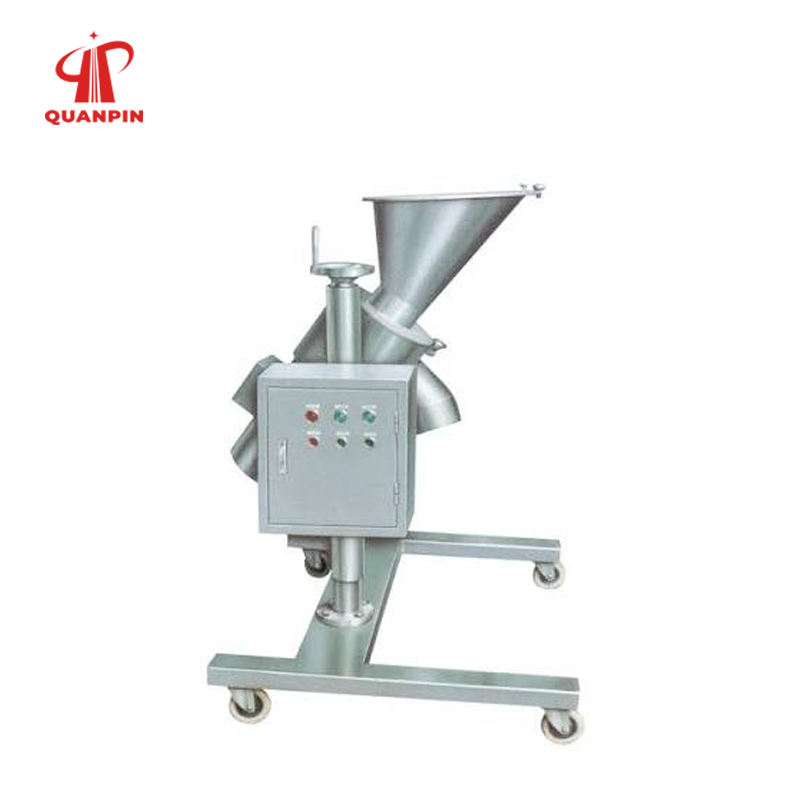
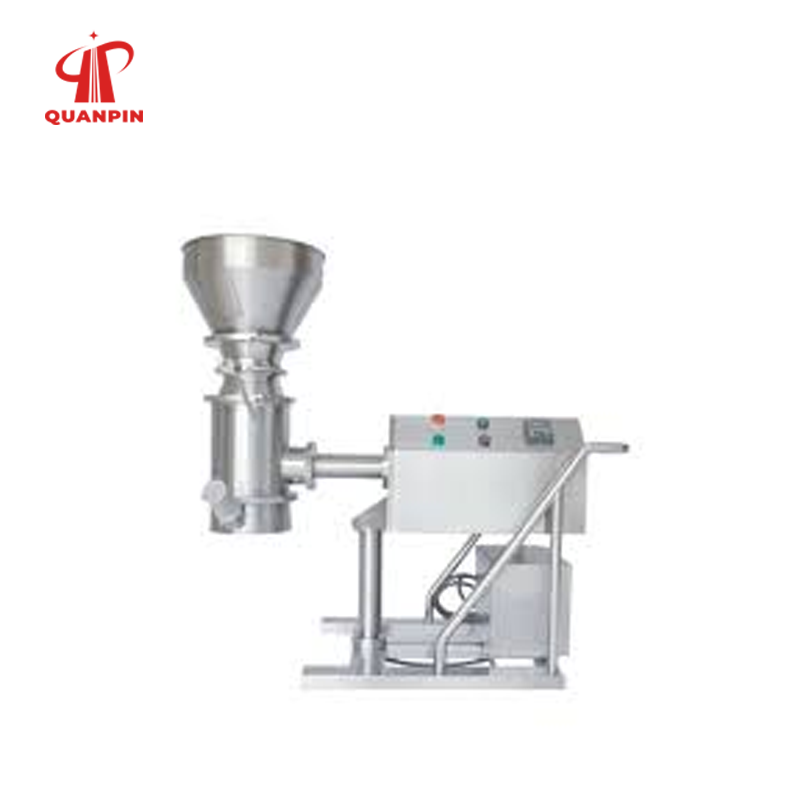
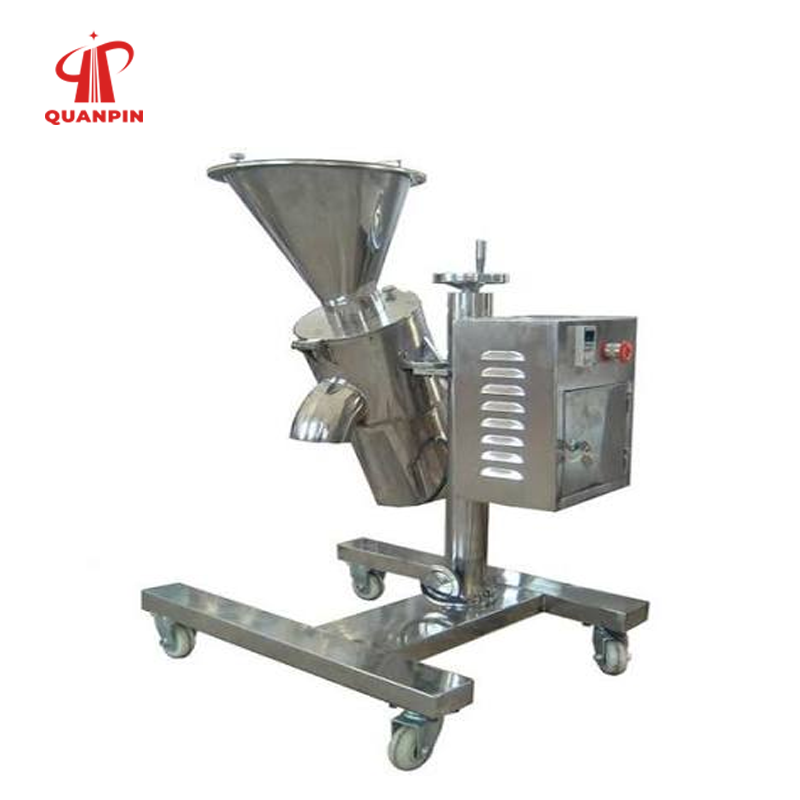
The KZL uses a working rotor and screen for compatible pharmaceutical granule-sizing duties.
A high speed granulator description does not establish the theoretical yield or accepted-output calculation for an unidentified formulation. The yield provision distinguishes actual yield and percentages of theoretical yield at appropriate processing stages. See 21 CFR 211.103: Yield calculation (2025 published edition).
Define the Calculation and Observation Boundaries
State which operation and material stage the yield discussion concerns.
Keep the approved calculation basis separate from the observations used to determine actual output.
Five Steps for a Traceable Comparison
Identify formulation and material stage
Identify the formulation and material assigned to the sizing stage.
Define the theoretical basis
Define the theoretical-output basis for the actual operation.
Preserve measured material records
Preserve the measured incoming and collected material records.
Identify known removals
Identify samples and other recorded removals.
Review unresolved differences
Review differences through the relevant process and quality procedures.
Separate the Four Relevant Records
A theoretical quantity describes the stated calculation basis for an identified stage.
An actual collected quantity records material recovered through the defined handling boundary.
A product-acceptance result determines which assessed material meets the relevant requirements.
A yield comparison relates the identified quantities without silently changing their basis.
Equipment and Evidence Interfaces
Incoming feed
The feed arrangement establishes the material entering the KZL scope.
Working rotor
The rotor supplies the configured mechanical sizing action.
Fitted screen
The fitted screen belongs to the actual operation used in the study.
Collection containers
Collection containers identify the physical material gathered.
Sampling records
Sampling records identify removals and the material represented by laboratory examination.
Receiving-process boundary
The receiving process establishes where the stated stage ends and a subsequent operation begins.
Interpret the Actual Results
Identify the actual material
For pharmaceutical granulation equipment, state whether the calculation concerns total recovery or accepted material.
Do not count an unassessed fraction as accepted product solely because it was collected.
A pharmaceutical granulator report should preserve the original input and output observations.
Preserve configuration and records
If material is held in an external connection, identify whether that location belongs within the account.
In a wet granulation route, keep wet and later dried material states distinct when interpreting quantities.
A changed state or measurement basis should not disappear into a percentage calculated from unlike records.
Review the application conclusion
Identify the analytical method and sample history behind relevant product-acceptance decisions.
An unexplained difference remains a question for the appropriate investigation rather than a reason to invent a missing quantity.
The final interpretation should distinguish calculation assumptions, actual measurements and material status.
Benefits and Limits of the Review
A clear theoretical basis can reveal that two yield statements refer to different processing stages.
It can also prevent total recovered mass from being presented as accepted output without qualification. The in-process-control provision addresses appropriate controls and testing for the actual process. See 21 CFR 211.110: In-process materials and testing (2025 published edition).
The calculation cannot establish an unmeasured quantity or authorize the reuse of an unaccepted fraction.
No universal yield limit or formulation tolerance is supplied by the KZL model family.
Identify the Material and Method
Record the formulation and the relevant processing stage.
Preserve the actual charge-in and material identity records. The component charge-in provision concerns the actual weighing, measuring and identification of inputs. See 21 CFR 211.101: Charge-in of components (2025 published edition).
Records, Handling and Safe Access
Identify the theoretical quantity and its documented calculation basis.
List measured collections and known sample removals.
Keep product tests and material-status decisions traceable.
Preserve unresolved discrepancies and the records supporting their review. The general-record provision describes preservation and availability of relevant pharmaceutical records. See 21 CFR 211.180: General record requirements (2025 published edition).
Weighing, sampling and recovery must follow approved operating and material-control procedures.
A desire to improve the material account does not justify unsafe access to a working rotor or an unapproved collection point.
Provide QUANPIN with the Application Scope
Send QUANPIN the actual sizing duty and the physical collection boundary.
Identify which quantity or connection is unclear without asking the equipment name to supply a missing calculation.
Preserve the Evidence and Its Limits
Retain the agreed interpretation with the original material and analytical records.
Further comparisons should use the same stated stage or explain why the basis differs. The laboratory-record provision links sample identity, methods and original observations to the reported result. See 21 CFR 211.194: Laboratory records (2025 published edition).
Frequently Asked Questions
What does a yield percentage need?
A yield percentage needs an identifiable theoretical basis and actual quantity record.
Are collected and accepted quantities equivalent?
Collected material and accepted product need not describe the same total.
Should samples and removals remain visible?
Known samples or removals should remain visible within the material account.
Can wet and dried quantities be combined without explanation?
Wet and dried material states should not be combined through an unexplained calculation.
Does calculation replace product review?
A numerical comparison does not replace the relevant product and process review.
What should the sizing-yield enquiry distinguish?
The enquiry should distinguish material stage, theoretical basis, measured records, accepted fractions and unresolved differences.
Discuss the Confirmed Application with QUANPIN
Discuss the confirmed KZL High-Speed Granulator/Crusher application with QUANPIN. Use the enquiry form or the contact page to describe your project.
Email sales@qpdryer.com or stacie@qpdryer.com. Call +86 19850785582, or contact us on WhatsApp: +86 15921493205.