Hydrated Wheat Mixing Trials: Relate Ingredient Distribution to Protein-System Development
By QUANPIN
Hydrating and mixing wheat-based ingredients can change the protein structure as well as distribute the components. A visually even mixture therefore does not independently establish that the desired material development has occurred or that a later food operation will behave as intended.
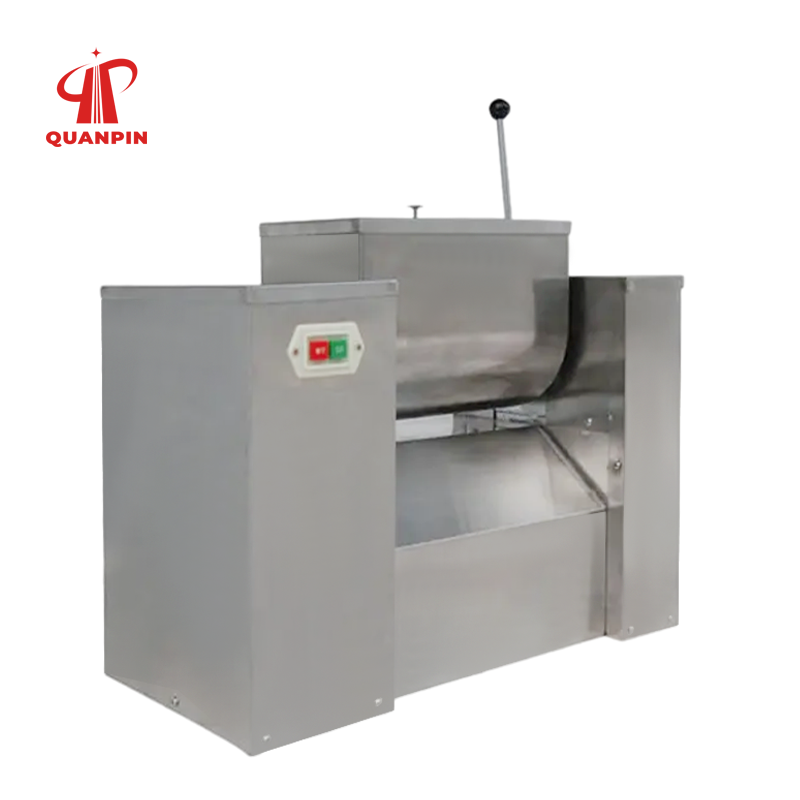
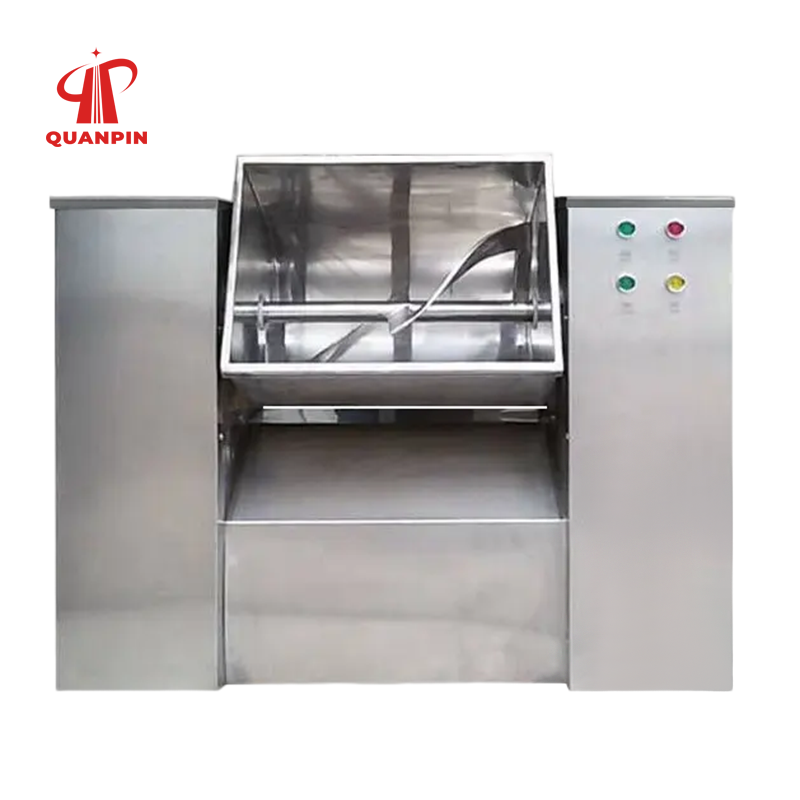
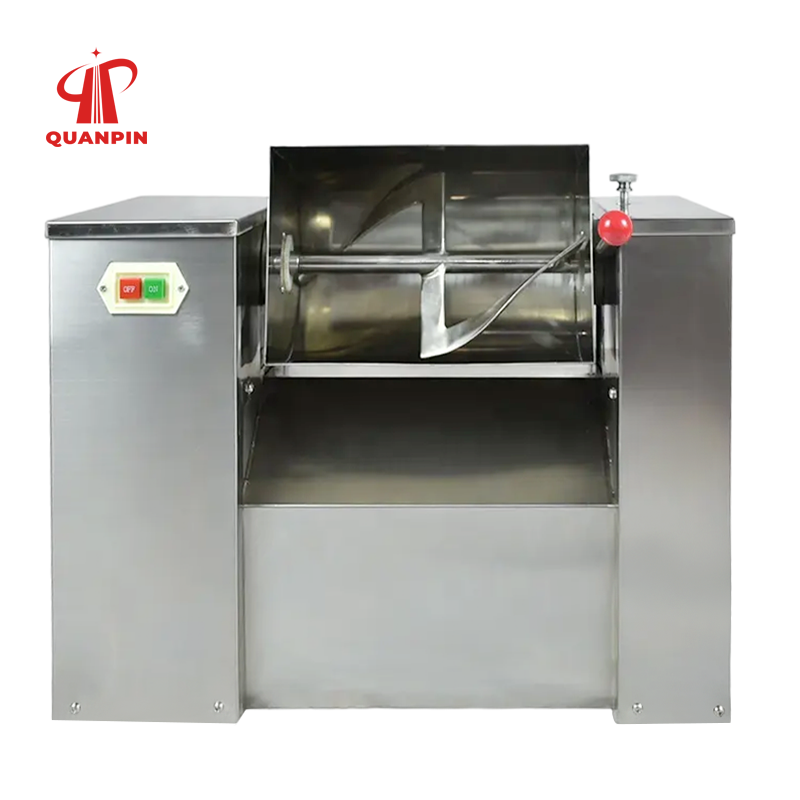
For a horizontal trough mixer enquiry involving hydrated wheat material, define the actual mechanical duty before discussing structure measurements. The CH product family must be assessed against the proposed material and configuration; a published dough experiment does not establish that every dough application suits the supplied machine.
Distribution and material development need separate evidence
Ingredient distribution concerns where components are located. Material development concerns changes within the hydrated system. These questions can interact but require suitable measurements rather than a single visual judgment that the batch looks mixed.
The term gluten structure also covers different observations. Protein extraction, polymer characterization, microscopy and rheological measurements provide distinct kinds of evidence and should not be renamed as equivalent proof of a finished food’s quality.
Define the formulation and limit the interpretation
Keep the actual formulation and subsequent operation central to development. A laboratory result becomes useful when its relationship to the intended handling or product requirement is explained, rather than treated as an isolated target to maximize.
This article provides a comparison framework, not a bread formula or a universal kneading programme. It makes no health, allergen-reduction or equipment-capability claim based on the molecular studies discussed below.
Five details to retain before comparing specimens
Ingredient identity
Identify the flour and other wheat-derived ingredients used in the trial. Their relevant lot and preparation history should remain traceable because another flour can have different mixing behaviour even under the same nominal procedure.
Hydration route
Define the hydration basis and preparation route. Record which liquids were added and when, rather than describing all specimens only by the final total mass or a generic moisture label.
Mixing and collection sequence
Record the actual mixing and collection sequence. A sample obtained after additional handling or a pause is a different observation from material collected immediately at the agreed endpoint.
Analytical preparation
Specify what the laboratory method measures and which preparation it imposes. An extraction step can select a particular protein fraction rather than describe the whole hydrated mixture directly.
Practical acceptance requirement
Agree the practical development requirement before collecting data. Ingredient distribution, handling consistency and molecular characterization need separate interpretations even when all contribute to the project decision.
Read protein-fraction research within its scope
An original study investigated glutenin macropolymer during different dough mixing and resting processes. Its design followed a particular protein fraction across defined preparation stages rather than treating every stage as the same material state.
The original glutenin macropolymer investigation shows why mixing history and the state selected for analysis matter. Its findings concern the tested dough and analytical procedures, not a universal structural endpoint or a guaranteed result for CH equipment.
For a project comparison, preserve the relationship between the collected material and the fraction actually measured. Avoid describing changes in an extracted fraction as if they directly quantified all properties of the final food.
The useful question is which observation addresses the intended process requirement. A molecular measurement may complement a handling test without replacing an independent assessment of the actual material duty.
Build a traceable development comparison in six steps
Define the comparison boundary
Define the formulation and the equipment comparison boundary. Identify which preparation stages precede mixing and which downstream operations may change the material before it is evaluated.
Retain input references
Retain the relevant incoming-material references. Their role is to establish the actual starting condition under the selected analytical procedure, not to assume that an ingredient certificate predicts the entire hydrated system.
Prepare traceably
Prepare specimens using documented procedures and sample identities. If laboratory extraction or conditioning is required, keep it visible as part of the method rather than an unrecorded intermediate step.
Select relevant methods
Use the methods selected by qualified development personnel for the actual question. More instrument outputs do not automatically establish a stronger conclusion if their relationship to the material requirement remains unclear.
Review the process record
Review the process record alongside individual measurements. A changed collection delay or preparation route can affect the comparison and should not be attributed automatically to machine performance.
Check the actual food operation
Check the relationship with the intended food operation. A meaningful trial connects the observations to the required handling and product behaviour while keeping unresolved mechanistic questions explicit.
Read three ingredient and interaction studies in context
Crop and flour variability
Research on spring wheat grown under heat and drought examined flour mixing properties and gluten protein composition. Its experimental context places ingredient variability before the mixing operation rather than assuming identical inputs across comparisons.
The original spring-wheat investigation illustrates that differences originating in the crop and flour can accompany changes in mixing response. It does not prescribe an agronomic practice or establish how a commercial mixer should be operated.
For equipment assessment, identify whether the compared batches actually use equivalent ingredients. A material change can be important without being evidence of a mechanical problem in the machine.
Glutenin and ingredient history
Another wheat investigation examined nitrogen treatment, glutenin polymerization and structural-thermal properties of gluten in selected lines. Its measurements connect material history and protein characteristics within the specific experimental design.
The original wheat glutenin study concerns those lines and treatments. The engineering lesson is to document the input rather than borrow the reported formulation behaviour as an operating specification for a different flour.
If the project changes flour source during development, preserve that transition in the record. The earlier equipment comparison may still be informative, but it does not automatically isolate the effect of the mixer from ingredient variation.
Protein interaction measurements
A separate original experiment investigated hydrophobic interactions among gluten proteins during dough formation. It used methods directed at particular protein interactions rather than treating apparent uniformity as the only evidence of development.
The original hydrophobic-interaction study supports precise descriptions of what an analytical method observes. It does not establish that one class of interaction alone predicts every handling property or final food outcome.
Avoid reducing a complex hydrated system to one unnamed bonding score. Report the measured endpoint and the conditions needed to obtain it, while distinguishing interpretation from directly observed evidence.
Connect the observations to the actual mixing duty
An S type mixer comparison should state the actual material consistency and required handling. Confirm whether the intended duty falls within the proposed supplied configuration before relying on a trial performed in a different apparatus.
Keep ingredient distribution checks separate from structure characterization. A useful report can contain both without implying that one test has measured everything about the batch.
If specimens are transferred before testing, document the handling route. Additional deformation or a changed waiting interval can create a different material history from the one associated with the nominal mixing endpoint.
Retain original results and preparation records with sample identity. A summary label such as developed or underdeveloped is difficult to assess without the criterion and measurements that produced it.
Investigate conflicting endpoints without hiding them
When a structural measurement changes without the expected handling response, preserve both findings. The disagreement may identify a limitation in the assumed relationship rather than an error that should be hidden by averaging.
When the ingredient distribution also changes, investigate that observation independently. A molecular explanation should not be used to dismiss a measured distribution difference without appropriate supporting evidence.
Prepare the material and equipment enquiry together
Provide the actual wheat-based material, hydration route and intended food operation with the enquiry. The supplier needs enough information to evaluate the mechanical duty rather than only a generic description of dough.
Describe the proposed loading, mixing, collection and discharge sequence. Keep laboratory preparation steps separate so that evidence generated afterward is not attributed solely to the equipment.
Identify any practical handling test required for acceptance. A molecular analysis can inform development, but the machine proposal should also address the actual transfer and discharge tasks the project needs.
Confirm product-contact, cleaning and access requirements for the supplied arrangement. Research using another apparatus does not verify the construction details or suitability of the proposed CH configuration.
State which organization performs each test and who approves the interpretation. Supplier inspection, formulation research and food-product acceptance require a clear division of responsibilities.
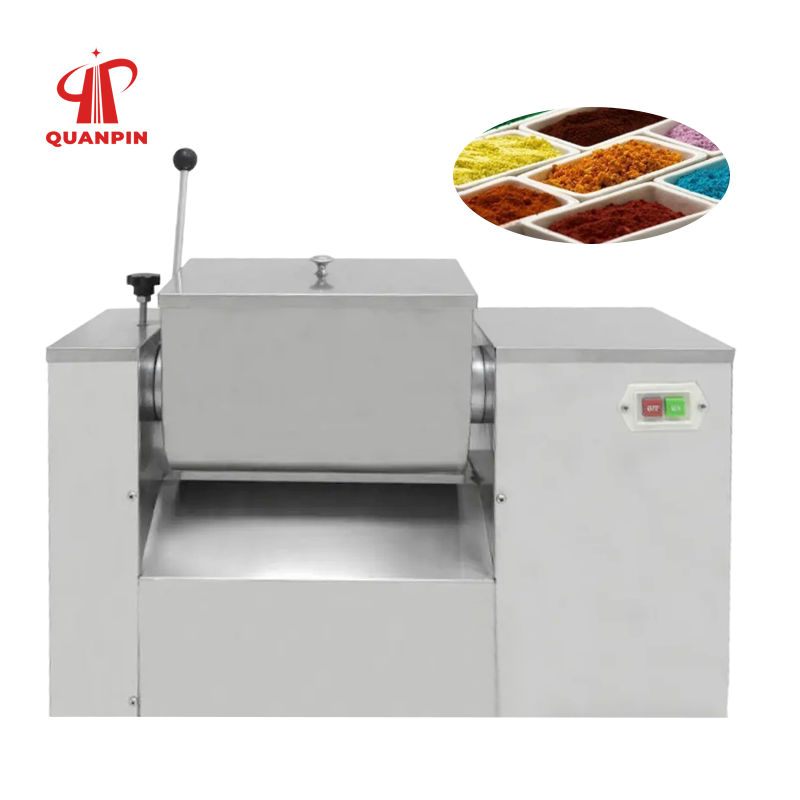
Keep commercial comparison and the development programme distinct. A powder and paste mixer proposal should explain its supplied scope without promising an unverified molecular transformation or universal material-development time.
Agree testing responsibilities and supplied scope
An original study examined mixing and oscillatory shear deformation of gliadin and glutenin using rheological observation methods. Its design assessed selected protein systems under declared deformations and measurement sequences.
The original gliadin and glutenin deformation study demonstrates another method-specific perspective on structure. It does not show that an isolated protein system behaves identically to the complete proposed recipe or establish CH performance.
Use deformation studies to refine the evidence question
Confirm the actual material duty and required equipment configuration through appropriate evaluation. Research can improve the questions asked about hydrated wheat systems without turning a general product-family description into a bakery-machine qualification.
The final decision should name the observed endpoints, the ingredient and preparation history, and the practical requirement they support. Keep uncertainty visible where the evidence cannot isolate the mechanism or predict a new formulation.
Frequently Asked Questions
Does even distribution prove development?
No. Ingredient distribution and protein-system development describe different properties. Use suitable observations for each question rather than expanding visual uniformity into a general claim about the material.
Can isolated protein results represent a recipe?
Not automatically. An extracted protein fraction, an isolated component and a complete dough are different specimens. The relevant relationship must be established for the development question being asked.
Can every flour use the same comparison?
Not without reviewing the changed ingredient. Flour origin, lot and preparation can affect the comparison, so retain that information before attributing different behaviour to the mixer.
Which observations should be selected?
Select methods with qualified development personnel according to the actual question. Molecular, rheological and practical handling observations can complement one another without being interchangeable outputs.
Do studies supply universal mixer settings?
No. Published experiments use particular ingredients, instruments and procedures. They help define useful evidence but do not establish a universal mixing programme or a commercial machine’s suitability.
What belongs in the equipment enquiry?
Provide the real material duty, hydration and handling route, proposed acceptance tests and laboratory responsibilities. Confirm the supplied CH arrangement before applying research conclusions to the purchasing decision.
Discuss Your Hydrated Food Mixing Duty
Discuss the material, processing objective and required trials with QUANPIN. Review the equipment information and the relevant industry applications, or send an enquiry through our contact page.
Email sales@qpdryer.com or stacie@qpdryer.com. Call +86 19850785582 or contact WhatsApp +86 15921493205 to discuss the proposed scope.
For process evaluation, consider the pharmaceutical trough mixer for batch mixing of suitable powders or pastes; and the ribbon blender for ribbon-driven mixing of suitable powder batches. Confirm suitability with representative material, the required product properties and the proposed process conditions.