Powder Milling Investigations: Trace Elemental Changes Without Assuming Their Source
By QUANPIN
A change in elemental analysis after powder processing needs more interpretation than the statement that the material has become finer. The incoming composition, contact materials, preparation route and analytical method all belong in an investigation of the observed result.
For an air classifier mill enquiry, confirm the actual feed suitability separately from the analytical question. The high-energy ball-milling research discussed here illustrates measurement and interpretation boundaries; it does not establish that WFJ equipment processes the metals, hard ceramics or alloying systems in those experiments.
Fineness and elemental composition require separate evidence
An elemental result describes a measurement under a stated procedure. It does not automatically show whether an element was originally present, introduced during processing or introduced during laboratory preparation.
Likewise, a visible particle in microscopy and a bulk elemental concentration are different observations. A useful investigation explains which part of the specimen each method examines and what evidence supports the proposed source.
Limit the technology transfer and define the actual duty
Record the actual material and its relevant history before interpreting a difference. A comparison using another lot or a differently prepared reference may not isolate the effect of the processing step.
This article proposes a traceability framework rather than a contamination limit or an operating recipe. It does not recommend milling metals in WFJ equipment, prescribe contact materials or guarantee purity for an untested supplied configuration.
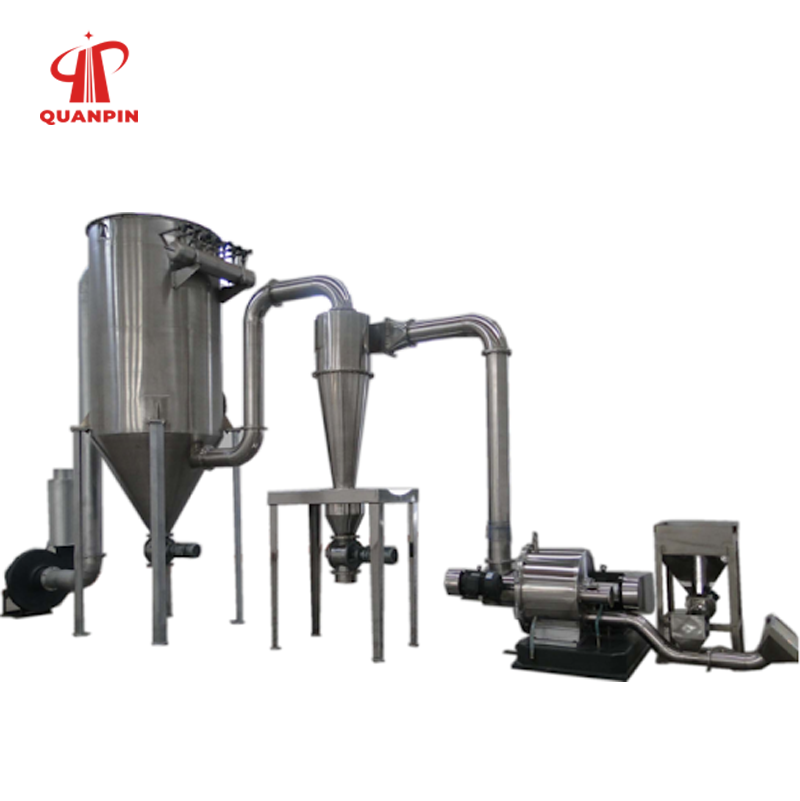
Five records needed before assigning a source
Incoming reference
Identify the incoming material, lot and reference specimen. Retain existing composition data with its method and reporting basis instead of treating an undocumented certificate value as a complete baseline.
Actual contact components
Document the actual product-contact components for the proposed process. Their identity must come from the supplied configuration and project records, not an assumption about what all machines in a product family contain.
Collection and preparation
Record specimen collection and laboratory preparation separately. A preparation vessel or tool used after the process can become part of the investigation and should not be invisible in the material history.
Analytical scope
State whether the method measures bulk composition, a selected region or a particular physical phase. These observations can complement each other without being interchangeable descriptions of the entire powder.
Decision purpose
Agree the question the analysis is intended to answer. Detecting a difference, investigating its source and establishing an acceptance decision require different evidence and should not be merged into one unsupported conclusion.
Read a cryogenic-milling experiment within its scope
An original cryogenic titanium-milling experiment assessed particle changes and contamination under selected processing conditions. It considered the influence of the milling environment and other preparation variables in addition to the final particle characteristics.
The original titanium cryogenic-milling study shows why composition and material history need their own measurements. Its apparatus, processing environment and metal feed differ from an ordinary WFJ project and must not be presented as the proposed machine’s capabilities.
The transferable point is analytical: a size or shape result cannot establish unchanged composition. For the real proposed duty, select appropriate measurements and references without borrowing another experiment’s machinery settings.
Keep hypotheses about a contamination source separate from demonstrated evidence. An element associated with a possible contact material still requires a defensible comparison before its presence is attributed to wear.
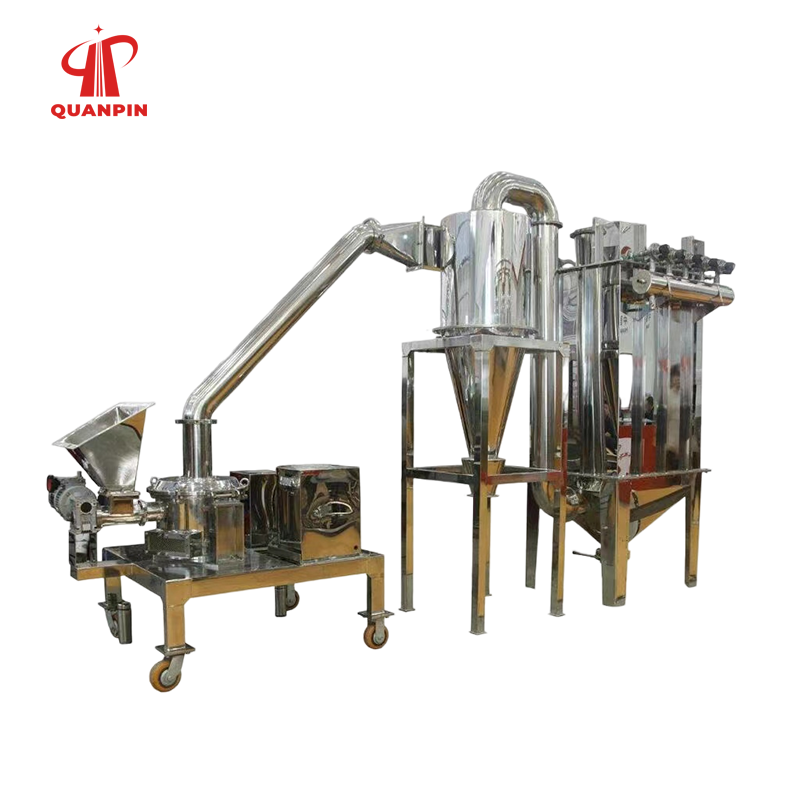
Build a traceable composition comparison in six steps
Define the process stage
Define the actual material duty and which process stage is being compared. Identify any other handling or preparation operations that occur between the incoming reference and the final specimen.
Collect traceable specimens
Collect traceable specimens using a documented plan. Preserve the relationship among feed, processed powder and laboratory preparation so that an observed change can be investigated at the correct stage.
Select relevant methods
Use methods appropriate to the composition question and matrix. The laboratory should establish what the reported value represents and which limitations affect comparison with another result.
Retain analytical controls
Retain appropriate blanks, references or other controls selected by the analytical team. This article does not prescribe a universal control set, since the relevant preparation and possible interference depend on the actual method.
Review individual observations
Review individual observations before assigning a cause. A difference in selected microscopy regions and a difference in bulk analysis may require separate follow-up rather than being forced into one explanation.
State the conclusion boundary
Report the outcome against the agreed acceptance question. Keep unresolved source attribution visible when the available measurements detect a change but cannot determine where it originated.
Read three material investigations without borrowing their machinery claims
A multistage alloy investigation
Research on high-entropy alloy processing investigated contamination associated with mechanical alloying and sintering. Its analysis considered material and processing history across more than one operation, not solely the final powder size.
The original high-entropy-alloy investigation illustrates why an investigation should include the complete relevant route. Its alloying and sintering systems do not establish how a proposed classifier mill handles a different chemical powder.
For a new project, distinguish the processing stage under assessment from later treatment. A result observed after another operation cannot automatically be assigned to milling alone.
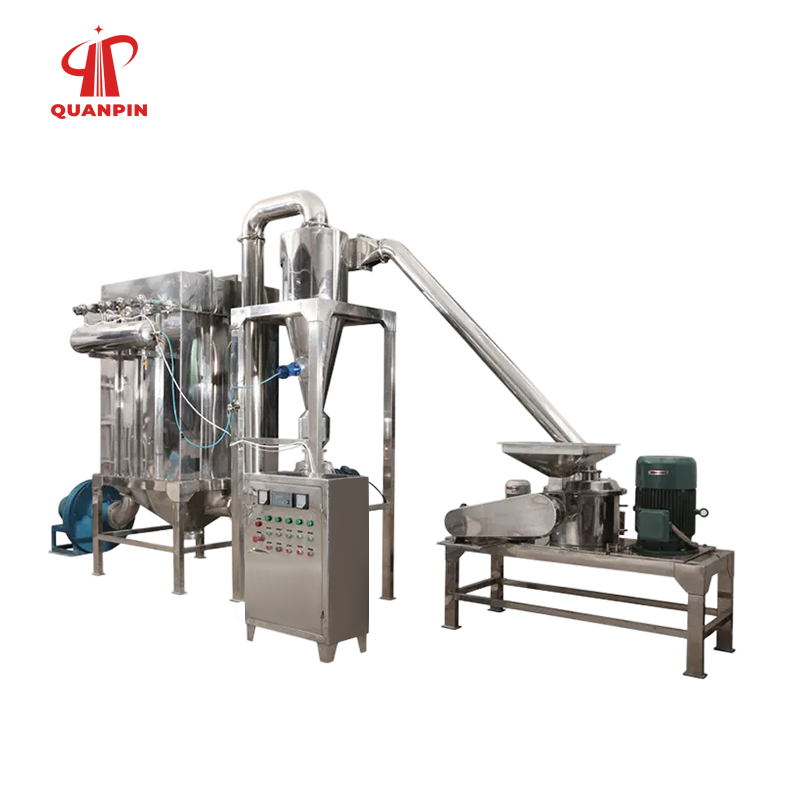
Darkening and alternative mechanisms
A lithium-niobate ball-milling study investigated sample darkening with complementary analytical methods. The experiment considered chemical and structural changes rather than assuming that every visible change necessarily represented residue from a grinding component.
The original lithium-niobate investigation provides an example of testing a proposed explanation instead of inferring contamination from colour. Its high-energy mechanism and hard material are outside any unverified WFJ capability claim.
The practical lesson is to use evidence that addresses the actual cause being proposed. Appearance can identify a question for investigation without independently proving a source or mechanism.
Composition and subsequent processing
An FeAl powder study examined milling-related composition and structural changes followed by compaction. Its observations again concern several material properties and more than one processing stage.
The original FeAl milling investigation shows why later properties should not be explained by particle size alone. It does not supply a purity guarantee, contact-material specification or suitable feed list for a commercial WFJ unit.
Keep the conclusion limited to the actual measurements and process route. A reported association in one alloy system should not become a general causal rule for unrelated food, pharmaceutical or chemical powders.
Connect the actual classifier-mill duty to the analytical question
An air classifying mill project should establish its genuine feed duty before choosing the trial. Material hardness, other relevant characteristics and the proposed configuration require confirmation rather than extrapolation from ball-milling literature.
Where composition is an acceptance endpoint, make the required reporting basis explicit. A concentration and a phase-specific observation should not be combined numerically without an appropriate analytical justification.
Record changes in collection or preparation tools during development. A modified specimen route can affect the comparison even when the processing equipment and material lot remain unchanged.
Preserve the identity of components replaced or changed during a trial series. That information can support a later investigation without assuming in advance that a component is the source of an observed difference.
Review alternative explanations before concluding wear
If a result changes, review baseline equivalence, specimen preparation and analytical comparability first. A plausible wear explanation does not eliminate other stages from the evidence review.
If no change is detected, state the method and comparison scope. That outcome should not be expanded into a universal absence-of-contamination claim for all elements, later conditions or different materials.
Prepare the material and equipment enquiry together
Provide the actual chemical powder, relevant material characteristics and intended fineness with the enquiry. Confirm suitability for the proposed equipment before treating an analytical study as a processing recommendation.
State which composition or cleanliness endpoints are required and who defines them. A supplier’s mechanical inspection cannot substitute for an independent laboratory assessment when that is part of the agreed project.
Describe the proposed specimen collection and transfer route. Ensure the analytical team receives enough history to distinguish processing questions from possible preparation or handling differences.
Confirm the actual product-contact components and cleaning requirements in the supplied scope. Do not infer them from an unrelated research apparatus, a generic mill description or a photograph.
Keep responsibility for analytical method suitability and result approval explicit. A detected difference, its cause and the equipment acceptance decision may require input from different specialists.
Document how material or configuration changes affect the previous evidence. An ACM mill comparison remains tied to the tested duty and conditions rather than providing an unlimited assurance for every later project.
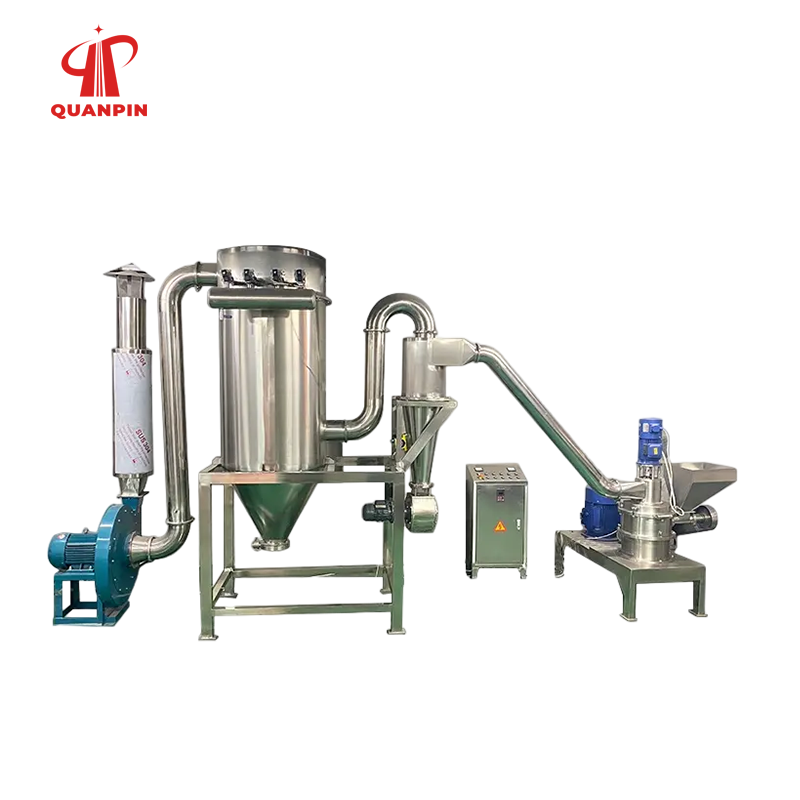
Keep contact details and analytical responsibilities explicit
A study comparing mechanical alloying of V-Si-B and Mo-Si-B powders examined milling-material effects and detected contamination in its selected systems. It treated the contact environment as part of the experimental programme.
The original comparative mechanical-alloying study supports documenting contact materials and actual composition results. It does not authorize those hard alloy feeds for WFJ processing or establish a general relationship between a proposed setting and purity.
Use contact-material studies within their tested systems
A fine powder grinder proposal should therefore be evaluated using the real feed, supplied construction and agreed analytical evidence. Research from another technology can sharpen investigation questions without defining the commercial machine’s duty.
The final report should state the reference material, specimen route, analytical scope and basis for any source attribution. This supports an informed decision even when the evidence cannot resolve every observed compositional difference.
Frequently Asked Questions
Does fineness establish unchanged composition?
No. Particle size and elemental composition are different properties. A fineness result cannot independently establish that the composition remained unchanged through processing and laboratory preparation.
Does an element identify a wear source?
Not automatically. Incoming composition, handling and analytical preparation can also affect the observation. Attribute a source only when the relevant comparison supports that explanation.
Can ball-milling results establish WFJ feed suitability?
No. The cited studies use high-energy ball-milling and other specific materials and operations. Their measurement lessons do not establish feed suitability or equivalent performance in a WFJ classifier mill.
Which analytical methods should be selected?
Use methods appropriate to the actual question and matrix. Bulk analysis, microscopy and phase characterization provide different evidence, so their purposes and limitations should remain explicit.
What belongs in an investigation record?
Record the starting material, relevant contact components, collection and preparation route, analytical method and reporting basis. Retain unresolved questions rather than reducing a complex investigation to an unsupported passing label.
What should a supplier enquiry include?
Provide the real powder duty, required fineness, composition endpoints and proposed specimen route. Confirm the actual WFJ configuration and laboratory responsibilities before making a purity or suitability claim.
Discuss Your Actual Powder Processing Duty
Discuss the material, processing objective and required trials with QUANPIN. Review the equipment information and the relevant industry applications, or send an enquiry through our contact page.
Email sales@qpdryer.com or stacie@qpdryer.com. Call +86 19850785582 or contact WhatsApp +86 15921493205 to discuss the proposed scope.