Hopper Mixer for Pharmaceutical Powders: Define Weighing and Calibration Responsibilities before Charging
By QUANPIN
A hopper mixer charging plan should identify who supplies, operates and maintains any weighing arrangement used before blending. The mass measurement and the blending operation have connected responsibilities, but they are not automatically one equipment function.
For pharmaceutical powders, an identifiable weighing result supports the material record without independently establishing correct composition or blend uniformity. Explore matching pharmaceutical applications.
Who Owns the Weighing-to-Charging Interface?
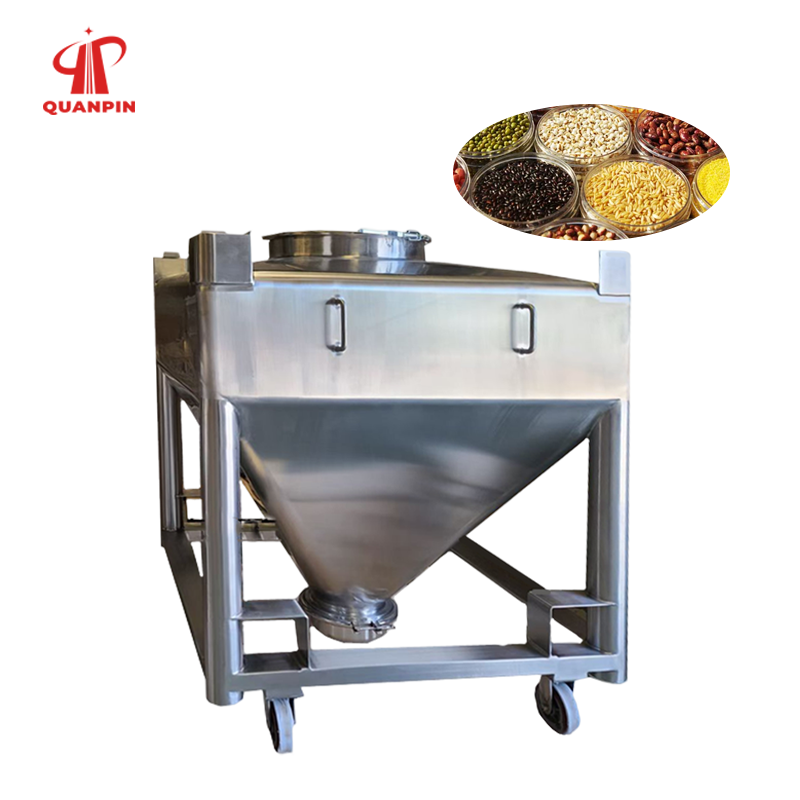
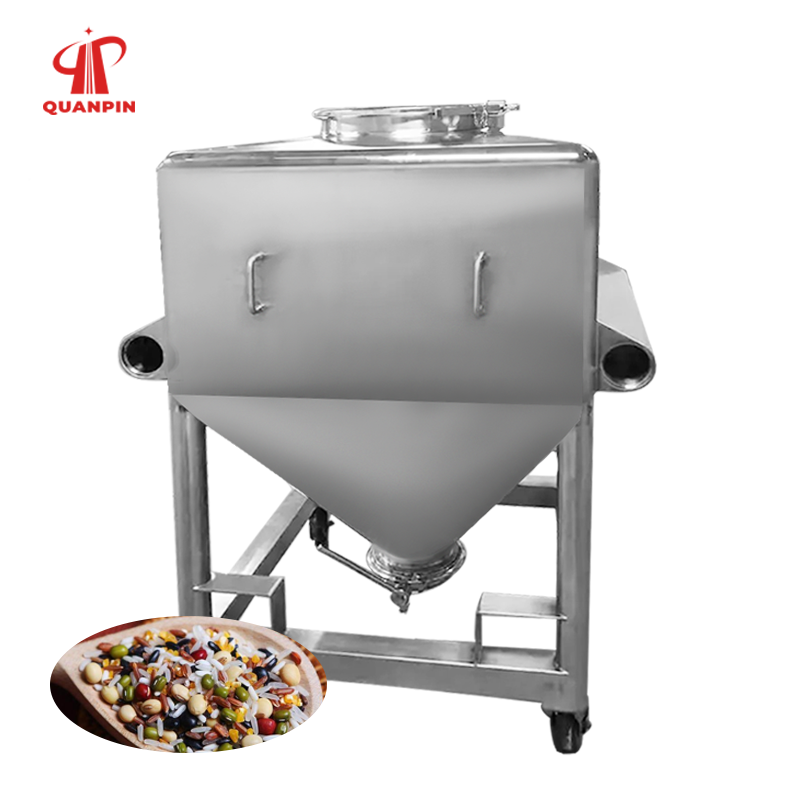
The verified hopper mixer machine is reviewed as a hopper-based blending arrangement for compatible formulations.
Its equipment-family description does not confirm an integrated balance, weighing platform or automatic ingredient-verification accessory. Traceability concerns a measurement result supported by a documented calibration chain, not an equipment endorsement. See NIST metrological traceability policy.
Hopper Blending and Separate Measurement Functions
A bin blender enquiry should identify whether material is weighed elsewhere, at a separate transfer stage or through an expressly confirmed project arrangement.
Keep the actual measurement boundary separate from the material that ultimately enters the mixing container.
Five Steps to Define the Measurement Responsibilities
Identify required quantities
Identify the quantities that the charging process needs to establish.
Describe the measurement system
Describe the actual weighing arrangement and responsible parties.
Define calibration records
Define the calibration and measurement records needed for its intended use.
Record the material transfer
Record transfer from the weighing boundary to the mixer.
Review actual discrepancies
Review discrepancies using the actual measurement and material history.
Four Measurement and Material Boundaries
The weighing device provides an indication under its actual operating conditions.
A calibration record describes a defined examination and its scope rather than every future result.
The weighing result concerns the measurement actually performed and its relevant uncertainty.
The charged quantity concerns material delivered to the hopper and may need separate transfer evidence.
Weighing, Transfer and Mixer Interfaces
Source material
The source container establishes which material is presented for weighing.
Weighing system
The actual weighing system belongs to the confirmed supply scope or a separately assigned customer responsibility.
Transfer route
Transfer equipment creates a route from measurement to mixer charging.
Hopper loading connection
The hopper and loading connection define the receiving material boundary.
Blending arrangement
The mixing arrangement performs the confirmed blending duty after charging.
Discharge and later handling
Discharge and subsequent handling belong to later process and product-assessment stages.
Interpreting the Actual Weighing Evidence
Preserve the actual calibration scope
A powder blender project should define calibration responsibilities before assuming that an incoming instrument certificate resolves every operational question.
Identify the actual device and measurement range relevant to the proposed task without inventing a capacity or accuracy.
Preserve the calibration scope and appropriate measurement-uncertainty information with the record.
Distinguish traceability from endorsement
A powder mixer charging study should distinguish an instrument display from a justified result used for the material account.
Traceability is not established simply by placing a familiar laboratory name on an equipment label.
Do not describe a calibration as a regulator or metrology institute endorsement of the mixer or the final pharmaceutical product.
Link measurement to delivered material
Record the actual material-handling route so that the weighed quantity is not silently treated as proof of complete transfer.
When a discrepancy appears, examine relevant measurement and transfer evidence rather than automatically adjusting the recipe record.
The responsible technical and quality reviewers should determine whether the measurement is suitable for the actual charging purpose.
Pharmaceutical Charging and Metrological Limits
Clear responsibility can prevent a weighing interface from being omitted between the equipment supplier and the facility team.
It can also distinguish a calibration-document question from a physical powder-transfer question. The calibration laboratory procedure and its scope should remain identifiable in the measurement record. See NISTIR 8250: calibration procedures.
The record does not prescribe a universal weighing tolerance or establish that any balance is suitable for every ingredient.
Device selection, measurement control and acceptance need the actual task and appropriate metrological and pharmaceutical assessment.
Document the Material and Measuring Device
Record the material and quantity being measured.
Identify the actual device and responsible operator or service arrangement. A calibration or weighing result needs an appropriate measurement-uncertainty basis for its actual use. See NISTIR 6919: uncertainty of scale and balance measurements.
Calibration Records, Transfer and Safe Handling
Preserve the applicable calibration reference and measurement scope.
State the basis used to interpret the result and its uncertainty.
Describe the transfer and actual hopper receiving boundary.
Keep unresolved measurement or material differences identifiable for the appropriate review. Uncertainty reporting should reflect the actual measurement rather than an assumed exact mass value. See NIST Technical Note 1297: measurement uncertainty.
Weighing, transfer and charging must follow the applicable safe handling and operating procedures.
Calibration or service activities likewise require the appropriate equipment-state and access arrangements.
Provide QUANPIN with the Measurement Interface
Send QUANPIN the proposed weighing-to-charging route and identify functions requiring supplier confirmation.
State which measurement services, devices or records are customer responsibilities rather than assumed mixer accessories.
Retain Measurement and Charging Evidence
The enquiry should establish an understandable measurement interface without turning a calibration claim into a product-performance guarantee.
Retain the actual measurement and transfer evidence with the configured hopper-mixing process. Device requirements have a defined application scope; this resource does not establish that an unconfirmed weighing function is included with a mixer. See NIST Handbook 44: weighing and measuring devices.
Frequently Asked Questions
Is weighing automatically included?
A hopper mixer does not automatically include a weighing system.
Does calibration cover every future result?
A calibration report has a defined device, conditions and examination scope.
Are weighed and delivered quantities identical?
A weighing result and a quantity delivered after transfer are different potential boundaries.
Does traceability endorse the equipment?
Traceability concerns supported measurement results rather than an equipment or product endorsement.
Is a universal tolerance established?
No universal weighing tolerance or balance suitability is established by the model name.
What should the weighing enquiry identify?
The enquiry should identify the measurement task, calibration responsibilities, transfer route and confirmed supply scope.
Discuss Your Hopper-Mixer Charging Scope with QUANPIN
Discuss the matching QUANPIN equipment with QUANPIN. Use the enquiry form or our contact page to describe the actual application.
Email sales@qpdryer.com or stacie@qpdryer.com. Call +86 19850785582, or contact us on WhatsApp: +86 15921493205.
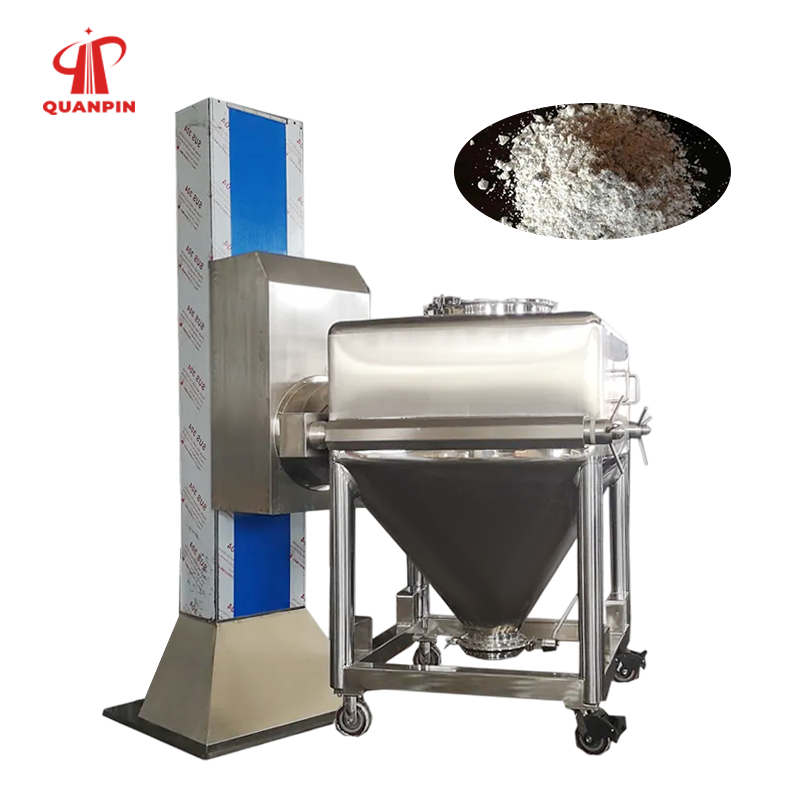
For process evaluation, consider the single-arm lifting hopper mixer for lifting and blending in a single-arm hopper arrangement. Confirm suitability with representative material, the required product properties and the proposed process conditions.