Granule Surface Texture and Handling: Specify the Measurement Before Setting a Target
By QUANPIN
A granule surface description becomes useful when it specifies what was observed, how it was measured and which handling question it addresses. A photograph described simply as rough or smooth is not a complete flow specification.
When planning a high shear granulator trial, distinguish surface measurements from the tests used to assess handling. A visual difference can justify investigation without proving that one sample will discharge more reliably.
Start with the Handling Decision
Define the intended handling operation before selecting a test. Hopper discharge, conveying and feeding place different demands on a material, and a result from one arrangement should not be silently applied to another.
State the decision the investigation must support. Comparing process conditions requires consistent specimens and methods, whereas diagnosing an existing handling issue may require examining the actual material and equipment interface.
Distinguish Texture from Shape and Size
Surface morphology describes features at the external boundary of a particle. The observation scale and method determine which features are resolved, so two images need not provide equivalent information.
Keep surface texture distinct from particle shape and size distribution. These characteristics can vary together, but a test does not identify their individual contributions merely because the resulting granules look different.
Five Records Needed for Surface Assessment
Formulation identity
Record the formulation and material lots. A changed ingredient or surface treatment can alter the sample being evaluated and should not be mistaken for an effect of granulation settings alone.
Sampled size fraction
Record the size fraction and selection method used for imaging. A hand-picked group of unusually large or intact granules may provide an unrepresentative picture of the complete batch.
Wet or dry state
Record whether specimens are wet, dried or conditioned. Surface observations and handling measurements should refer to identified material states instead of combining results from different stages without explanation.
Imaging method
Record the imaging method and the meaning of any reported texture parameter. A numerical roughness value is interpretable only with its acquisition and processing conditions.
Handling-test procedure
Record the handling test and its apparatus. Include sample preparation and operating procedure so that an apparent difference can be examined independently of changes in the test setup.
Design a Descriptive and Functional Comparison
An effective comparison separates the descriptive question from the functional question. Describe the surface first, then test the handling behavior required for the intended operation.
Use a planned sampling procedure and enough observations to represent variation. A single appealing image can illustrate a specimen, but it does not demonstrate uniformity across the material produced.
Where possible, control or report differences in size and shape when studying texture. Otherwise a handling change may be attributed to the surface while another particle attribute has also changed.
Preserve observations that contradict the initial expectation. If a smoother-looking sample does not flow better in the selected test, investigate the explanation rather than redefining the comparison after seeing the result.
Follow Six Measurement Steps
Identify the specimen
First identify the material state and the sampled fraction. Establish which intermediate or finished granules the observations represent before comparing photographs or flow results.
Acquire consistent observations
Next acquire surface observations using a consistent method. Keep the original images and the information needed to understand differences in scale, illumination and specimen presentation.
Describe resolved features
Then describe the measured features without attaching an unsupported functional claim. Surface texture, visible defects and shape can be recorded separately when the method supports those distinctions.
Test the intended behavior
Perform the agreed handling tests with traceable specimens. Record the operating conditions because a different opening, procedure or loading history can change the relevance of the comparison.
Compare methods
Compare the evidence across methods and inspect disagreements. A relationship observed within one group of samples is a finding to assess, not an automatic universal rule.
Bound the conclusion
Finally state the useful scope of the result. The report should explain the materials and operation represented, together with conditions that remain outside the evidence.
What Original Surface Studies Contribute
Multiple flow assessments
An original investigation prepared granules from several materials and examined flow rate, fluctuations and different repose-angle measurements alongside particle properties. Its design treated flow as more than a single number.
The granule-flow investigation is useful when selecting complementary observations. It does not establish that a particular repose-angle method can predict every discharge arrangement or formulation.
For a rapid mixer granulator study, identify the handling question and its test explicitly. This is more useful than requesting granules with generically good flow without a defined assessment.
Sliding angle and texture
Earlier original work investigated sliding angle in relation to particle size and surface rugosity. The experimental relationships describe the studied materials and measurement arrangement.
The sliding-angle study supports recording texture and size together. Its equations and trends should not be copied as an operating specification for a different material or commercial granulator.
Use the evidence to identify relevant comparison variables rather than to promise a particular outcome. A material-specific trial is still needed to establish the desired handling behavior.
Quantified surface morphology
An original fluidized-bed layering study quantified surface roughness using confocal laser-scanning microscopy and related it to processing conditions. The work examined a particular coating material and particle system.
The surface-morphology investigation illustrates how a descriptive term can become a defined measurement. Its process correlations are not transferable settings for batch high-shear granulation.
A high shear mixer granulator enquiry can use this distinction to request a measurement plan. It should not imply that a particular imaging instrument or roughness target is included in the equipment supply.
Choose Tests for the Actual Material State
Research on surface-modified pharmaceutical granules compared experimental flow measurements with numerical descriptions. It examined multiple tests rather than assuming that all flow indicators express the same response.
The university-hosted surface-flow study supports checking what each assessment represents. A model or one experimental indicator does not automatically establish the behavior of a new material in another apparatus.
Wet material also raises method-selection questions. An original investigation evaluated stirring and penetration operations for assessing the flowability of wet granules.
The wet-granule measurement study demonstrates why the physical state and test mechanism matter. It should not be read as a monitoring capability supplied with every GHL installation.
Investigate Disagreements Between Methods
If imaging and handling measurements disagree, investigate size, shape, moisture state and the test procedure. A surface description alone cannot isolate every contributor to the observed material behavior.
If two handling tests rank samples differently, report the disagreement with their operating conditions. The tests may represent different behavior rather than one result necessarily being an error.
Prepare the Granulation Trial Enquiry
Describe the intended material-handling operation when enquiring about a high shear wet granulator. Identify the difficulty being investigated and the observations already available from the current process.
Provide representative material information and the proposed granulation comparison. Explain whether the trial concerns a wet intermediate, dried granules or material that has undergone subsequent sizing.
Agree the imaging and handling tests before the experiment. Confirm which resources are available and which measurements will be performed separately by an analytical laboratory.
Include the sampling plan and the information required in the report. Traceable images and specimens make later interpretation more reliable than a collection of unlabelled representative photographs.
Clarify responsibility for judging acceptance. Equipment trial observations can support development, but they do not automatically constitute a product-release specification or an approved handling criterion.
When comparing high shear granulator price, compare confirmed equipment and trial scopes. Specialist imaging, testing and analysis should be identified explicitly instead of assumed within a standard quotation.
Confirm the Required Configuration
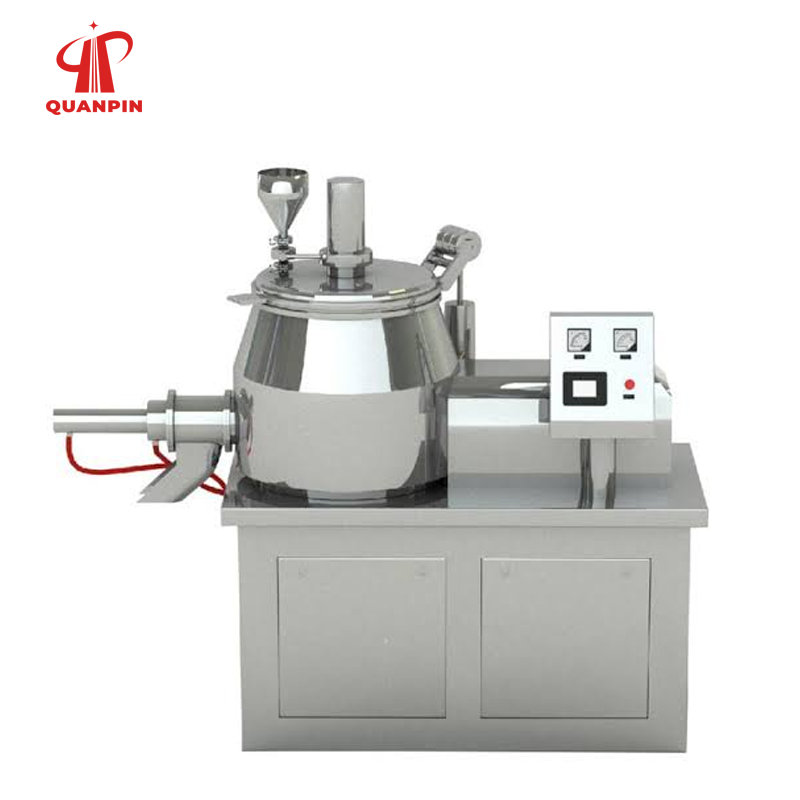
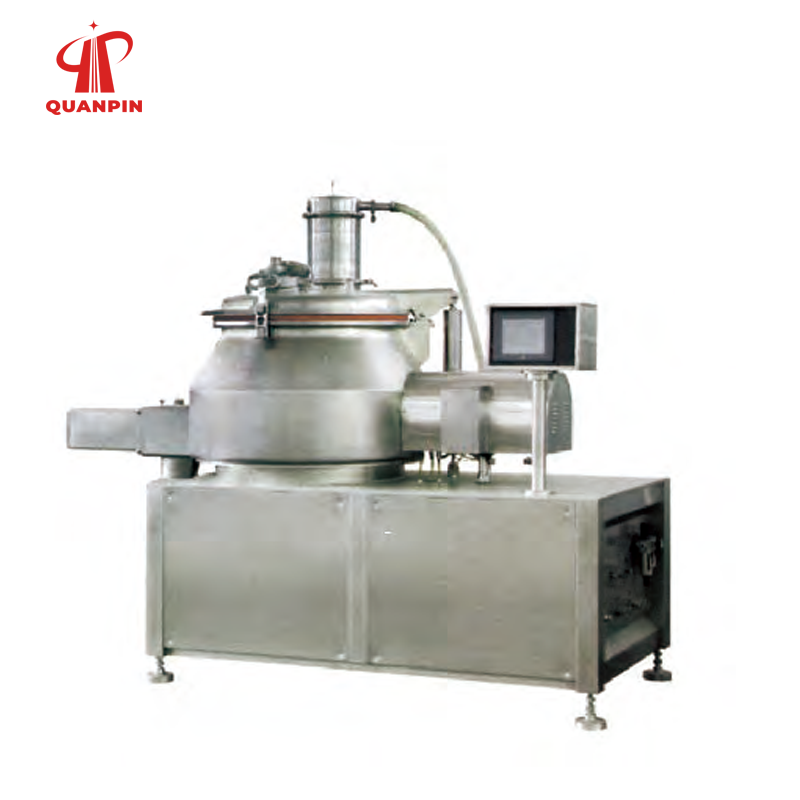
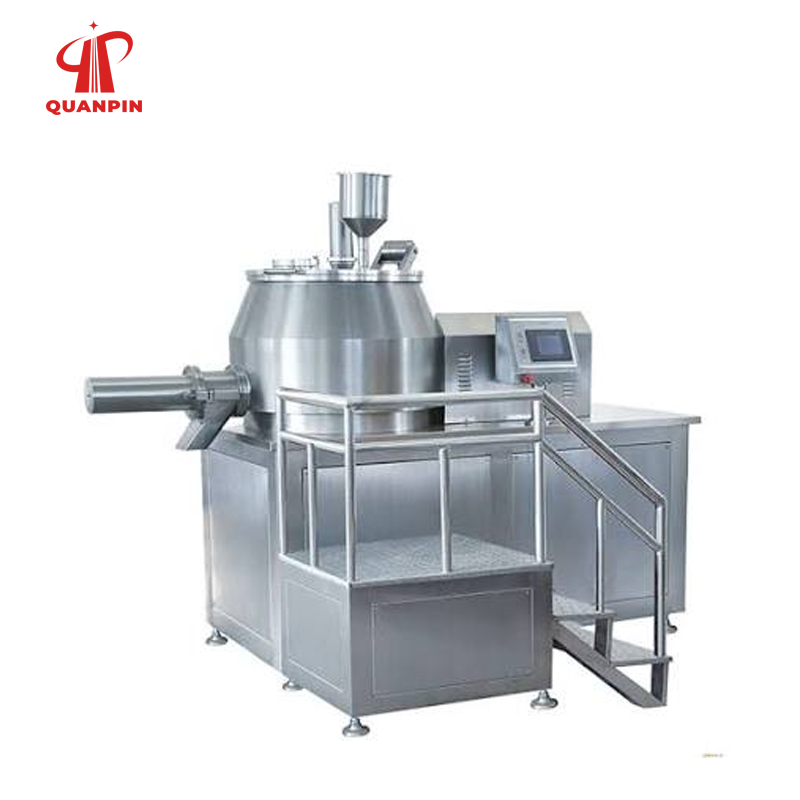
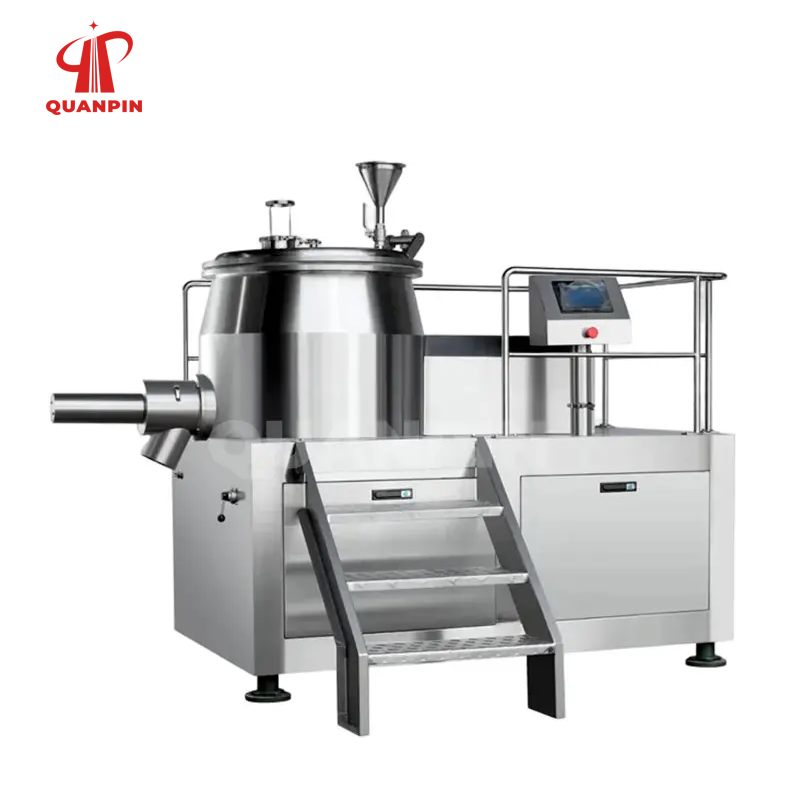
Use the GHL information to discuss the required process duty and sample-access arrangements. Product photographs do not demonstrate an unlisted texture-measurement function or a guaranteed granule appearance.
Select the configuration for the confirmed material and operation. A useful surface-characterization plan informs that discussion without substituting for equipment suitability and material-specific trial evidence.
Write a Traceable Surface Report
The final report should link each image and handling result to an identified specimen. Keep preparation, methods and processing conditions available so that another reviewer can understand the comparison.
State the limits of any correlation. A relationship within a particular experiment should remain bounded to that evidence until additional testing supports its use elsewhere.
Frequently Asked Questions
Can a photograph establish flowability?
No. A photograph can document visible morphology, but it does not measure all the properties governing handling. Use a defined test relevant to the intended operation.
Are shape and texture the same?
No. Shape, size distribution and surface texture describe different particle characteristics. Record them separately where necessary instead of using one descriptive term for the entire granule.
Can wet and dry specimens be compared directly?
No. Wet and dried specimens represent different material states. Identify the state of every specimen before comparing surface observations or handling measurements.
Must all handling tests agree?
Not automatically. Repose-angle methods and discharge tests can represent different behavior. Interpret results with their procedures rather than assuming that all indicators must rank samples identically.
Can a published roughness target be copied?
No. Published correlations belong to their studied material and apparatus. They can guide a measurement plan but cannot establish a universal roughness target for another granulation process.
What belongs in the enquiry?
Provide the material state, intended handling operation, sampling plan and required measurements. Agree responsibility for testing and acceptance before using the trial as evidence for a final specification.
Discuss Your Granulation Requirements
Discuss the material, processing objective and required trials with QUANPIN. Review the equipment information and the relevant industry applications, or send an enquiry through our contact page.
Email sales@qpdryer.com or stacie@qpdryer.com. Call +86 19850785582 or contact WhatsApp +86 15921493205 to discuss the proposed scope.
For process evaluation, consider the high speed mixer granulator for high-shear preparation of a suitable wet granulating mass. Confirm suitability with representative material, the required product properties and the proposed process conditions.