Granulation Solid-State Studies: Interpret Thermal Changes with Complementary Evidence
By QUANPIN
A change in a granule’s thermal response can justify further investigation, but it does not identify every solid-state change by itself. A useful development study connects the thermal observation with material history and complementary analytical evidence.
For a high shear granulator trial, define which solid-state question matters before selecting tests. The objective may concern the material before processing, an intermediate after liquid exposure or the final dried specimen.
Define the Material-Form Question
Solid-state characterization examines the physical form of the material, not simply its external particle dimensions. Similar-sized granules can require different analytical interpretation when their composition or processing history differs.
Keep the analytical observation separate from its proposed explanation. A change in a thermal trace is measured evidence; assigning that change to a particular phase requires an appropriate basis.
Understand What the Analytical Method Observes
Thermal analysis observes behavior during a defined measurement procedure. The specimen’s composition, preparation and test conditions belong with the result rather than being treated as optional laboratory detail.
Complementary diffraction or spectroscopic methods can address different structural questions. Their observations should be interpreted together without assuming that every technique has identical sensitivity or measures the same feature.
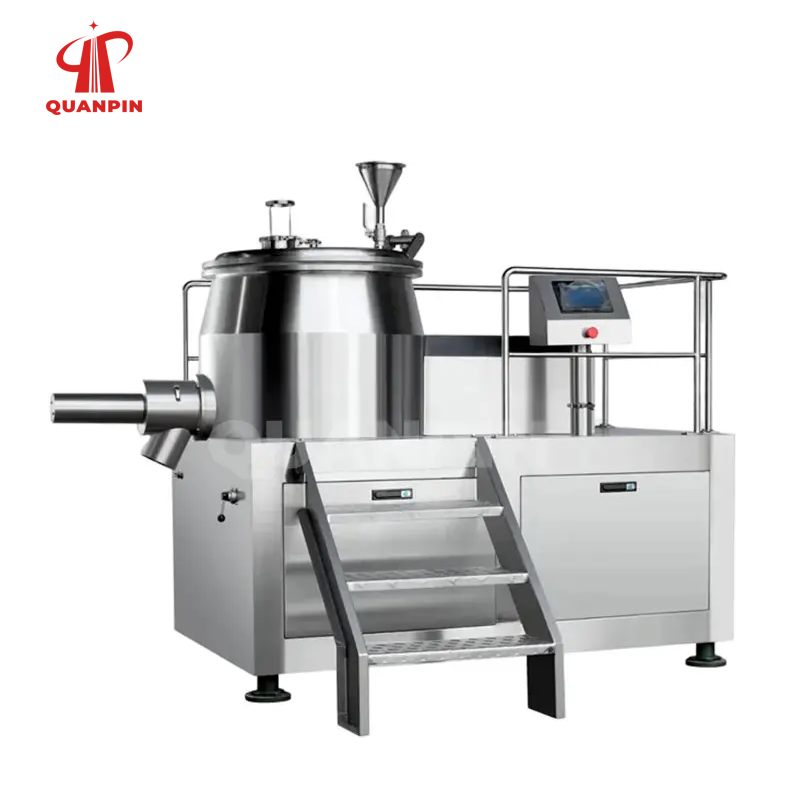
Five Records Needed for a Solid-State Comparison
Formulation and reference forms
Record the actual formulation and material forms supplied. A reference associated with a different grade, composition or physical form may not answer the question about the specimen being tested.
Sampled process stage
Record the processing stage represented by each sample. Starting powder, wet intermediate and dried granules have different histories and should not share an ambiguous sample description.
Handling before analysis
Record handling and elapsed time before analysis. Exposure, storage or preparation can become part of the specimen history and complicate an interpretation attributed solely to granulation.
Analytical procedure
Record the analytical procedure and relevant reference material. A comparison needs enough information to distinguish a change in the specimen from a change in the test or its interpretation.
Independent observations
Record the independent observations available to support a conclusion. Preserve diffraction, spectroscopic or other appropriate evidence rather than using a single attractive thermal plot as the entire argument.
Design an Appropriate Analytical Study
Begin by identifying the suspected change and the evidence needed to test it. A targeted method plan is more useful than collecting an unexplained set of analytical traces.
Select specimens at meaningful process boundaries. If the question concerns liquid exposure, a final dried sample alone may not reveal when an observed change occurred.
Use appropriate material references and comparison conditions. Confirm that the analytical method can address the intended question instead of assuming that any standard test is sufficiently informative.
Retain apparently conflicting measurements. They may identify different method sensitivities or specimen changes that a single simplified conclusion would conceal.
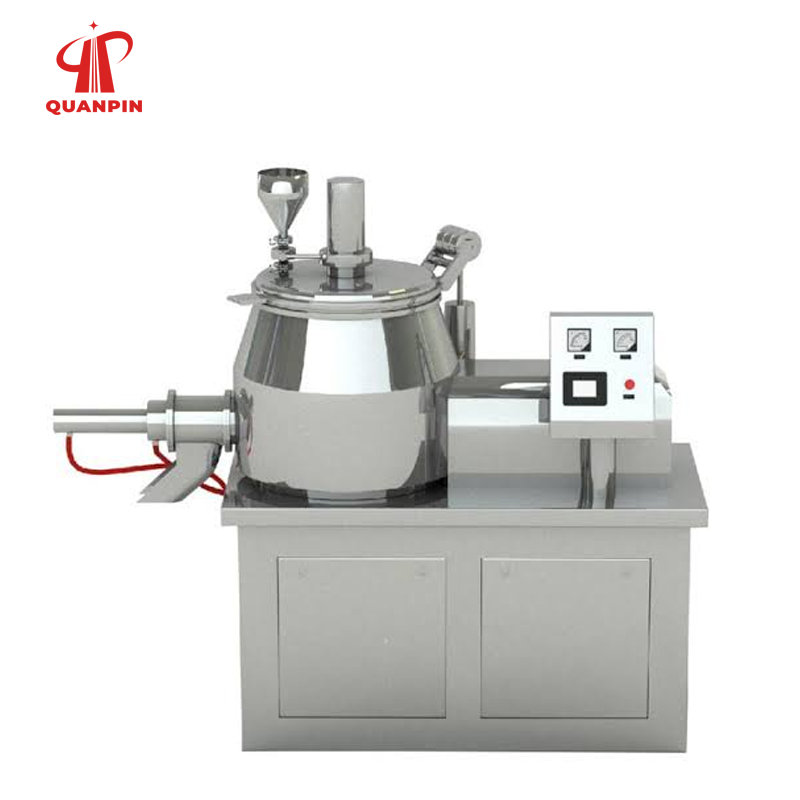
Follow Six Steps Through the Investigation
Establish starting material
First establish the identity and history of the starting material. Document the formulation and reference forms before evaluating the effects of a processing experiment.
Choose sampling boundaries
Next choose the sampling points and handling arrangements. Preserve the connection between the analytical specimens and the operations that produced them.
Apply the thermal method
Then apply the agreed thermal method with documented conditions. Keep the original data and analysis information necessary for independent review of the reported observation.
Collect complementary evidence
Collect complementary evidence suited to the question. A diffraction pattern or spectrum should be linked to an identifiable specimen rather than presented as an unrelated confirmation image.
Compare methods and stages
Compare observations across methods and process stages. Distinguish a demonstrated difference from an explanation that remains a hypothesis requiring additional testing.
Bound the conclusion
Finally state what the study supports and its limits. A development result should not be extended into a universal operating rule or a guaranteed product-performance claim.
What Original Material Studies Establish
Calorimetry of amorphous granules
An original calorimetric investigation studied amorphous granules produced through a continuous twin-screw dry-granulation route. It examined a specific model drug and carrier using several characterization approaches.
The chemico-calorimetric study illustrates a formulation-specific analytical strategy. It is not evidence that a batch wet-granulation process produces the same material state or that GHL equipment includes calorimetry.
A rapid mixer granulator development plan can use the general principle of linking methods and material history. It should not copy another study’s processing conditions as an instruction for a different formulation.
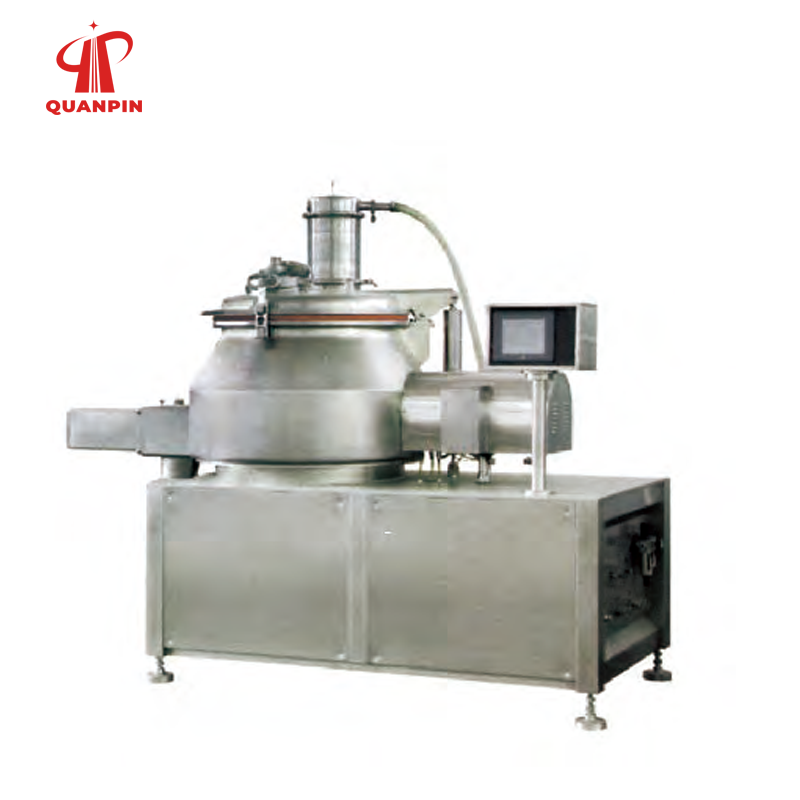
Wet-granulation phase behavior
Original research on fexofenadine hydrochloride investigated solid-form behavior during wet granulation. Thermal observations were considered alongside other characterization techniques and product-related evaluation.
The fexofenadine investigation supports defining the material-specific phase question. Its results do not establish a universal relationship between added water and solid-form changes in other active ingredients.
Use such research to identify which specimens and methods may be informative. The presence or absence of a change in a new formulation still requires relevant evidence from that formulation.
Excipient-dependent hydration
Another original study examined polymeric excipients and olanzapine in aqueous environments associated with pellet preparation. The investigation considered formulation-dependent effects on hydration behavior.
The polymeric-excipient investigation illustrates why the complete material system matters. It should not be interpreted as a recommendation to replace an approved excipient or a guarantee that one polymer prevents every transformation.
A high shear mixer granulator report should preserve that distinction. Evidence from one drug and polymer combination does not confirm the solid-state behavior of another formulation.
Use Complementary Measurements Carefully
An original carbamazepine study assessed granules prepared through an extrusion-granulation route with different liquid systems. It combined thermal analysis with other methods when examining the resulting material.
The carbamazepine investigation demonstrates the importance of the actual preparation route. It does not establish a general solvent choice or show that an unrelated high-shear process has the same phase behavior.
A separate original study investigated a probe-based low-frequency Raman approach for monitoring crystalline changes during wet granulation. It evaluated specific model systems and an analytical arrangement.
The university-hosted Raman study provides a complementary measurement example. It does not mean that every GHL installation includes that instrument or that its reported sensitivity transfers to another material.
Investigate Conflicting Analytical Results
If a thermal trace changes while another method appears unchanged, examine the specimen and each method’s scope. Do not discard the disagreement merely because one result supports the preferred explanation.
If the final dried material differs from the starting powder, investigate intervening stages when necessary. A before-and-after comparison does not automatically establish which operation caused the observed difference.
Prepare the Granulation Trial Enquiry
Describe the solid-state concern when enquiring about a high shear wet granulator. Identify the material information and existing analytical evidence relevant to the proposed trial.
Provide the sampling and handling plan alongside the equipment duty. A meaningful analytical study requires specimens with a documented history, not just a container of finished granules.
Agree the thermal and complementary tests with the responsible laboratory. Confirm what each method can establish and which questions remain outside its intended scope.
Specify the report and supporting data needed from the trial. Traceable observations and method descriptions are more useful than an unsupported statement that no transformation occurred.
When reviewing high shear granulator price, identify equipment and analytical services separately. Specialized thermal or spectroscopic characterization should not be assumed to be included in a standard quotation.
Clarify responsibility for interpreting results and approving any proposed material or process change. Equipment trials, formulation development and pharmaceutical release decisions serve different purposes.
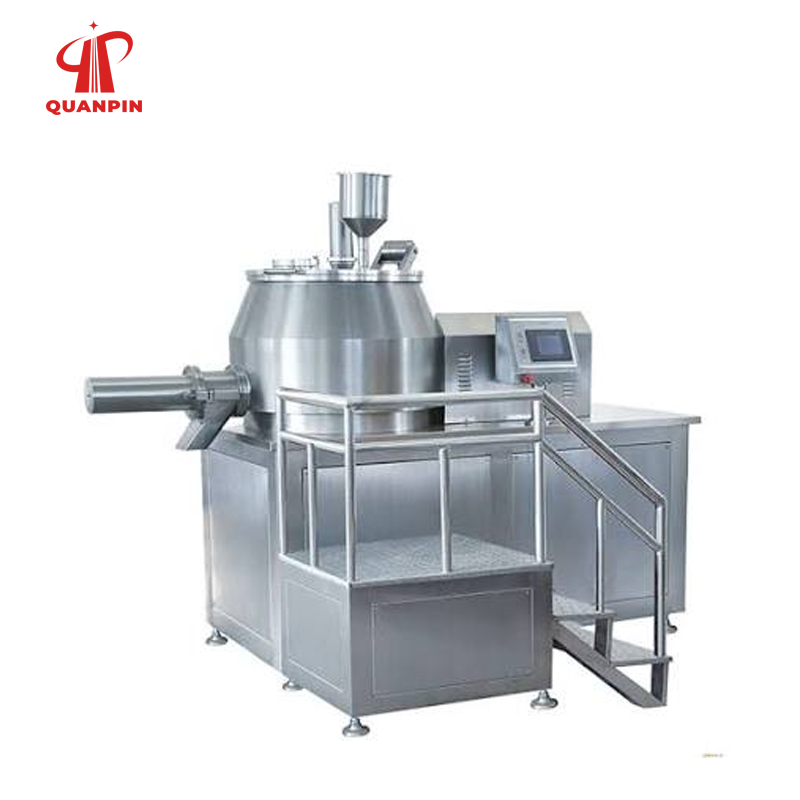
Confirm the Equipment and Laboratory Scope
GHL equipment information can start a discussion of the actual batch processing duty. It cannot establish the solid form of a product that has not been appropriately tested.
Select the configuration for the confirmed material and operating requirements. Analytical characterization complements that assessment without confirming every solvent, cleaning or containment condition.
Preserve the Basis of the Interpretation
The final report should connect each claimed change with the specimens, methods and observations supporting it. Preserve enough detail to distinguish a measured result from a proposed mechanism.
Keep the conclusion proportional to the evidence. A useful study may identify the next necessary experiment without establishing final stability, clinical performance or a universal manufacturing instruction.
Frequently Asked Questions
Does one thermal peak identify a phase?
No. A thermal observation may indicate a difference, but identifying a particular phase requires an appropriate analytical basis and relevant material references.
Does particle size establish solid form?
No. Solid-state characterization and external size measurement address different properties. Comparable particle sizes do not establish identical material forms or processing histories.
Can dried samples reveal the exact time of change?
Not necessarily. A dried sample represents the complete preceding history. Intermediate specimens may be needed to investigate when a particular change occurred.
Can complementary methods help?
Yes, when appropriate to the question. Diffraction and spectroscopy can provide additional evidence, but their results must refer to identified specimens and suitable methods.
Are these instruments standard GHL features?
No. Published calorimetric and Raman investigations use specific analytical arrangements. They do not demonstrate that standard GHL equipment includes those instruments or guarantees the studied outcomes.
What belongs in the enquiry?
Provide the material identity, suspected change, sampling stages and required tests. Agree the equipment and laboratory responsibilities before treating an enquiry as a complete solid-state investigation.
Discuss Your Granulation Requirements
Discuss the material, processing objective and required trials with QUANPIN. Review the equipment information and the relevant industry applications, or send an enquiry through our contact page.
Email sales@qpdryer.com or stacie@qpdryer.com. Call +86 19850785582 or contact WhatsApp +86 15921493205 to discuss the proposed scope.