GHL Granule Development: Separate Size-Fraction Lubricant Sensitivity from Excipient Function
By QUANPIN
A granule size fraction can behave differently during downstream lubrication and compression. Preserve fraction identity before interpreting a pharmaceutical granulation trial or selecting subsequent excipients.
Lubricant sensitivity describes a formulation response to lubrication. It should be investigated with the actual materials rather than inferred from the name of the granulation equipment.
Preserve the Granule Fraction before Interpreting Lubrication
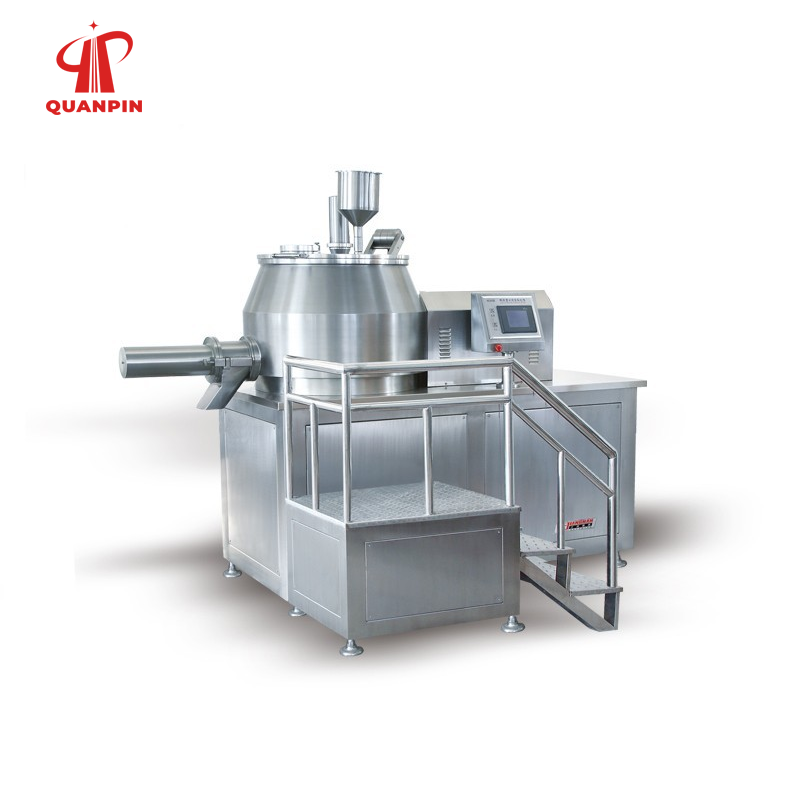
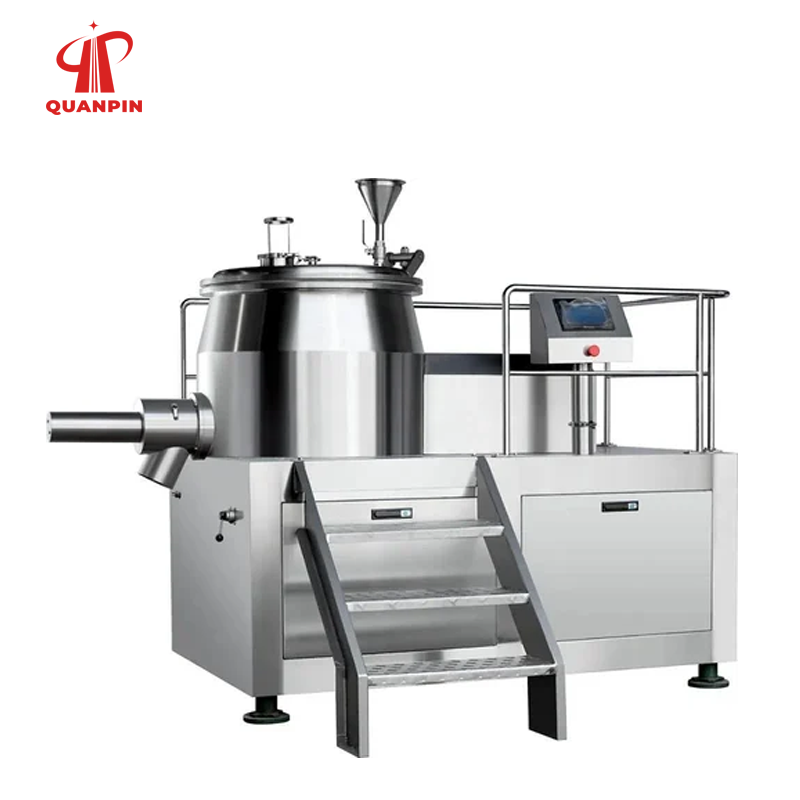
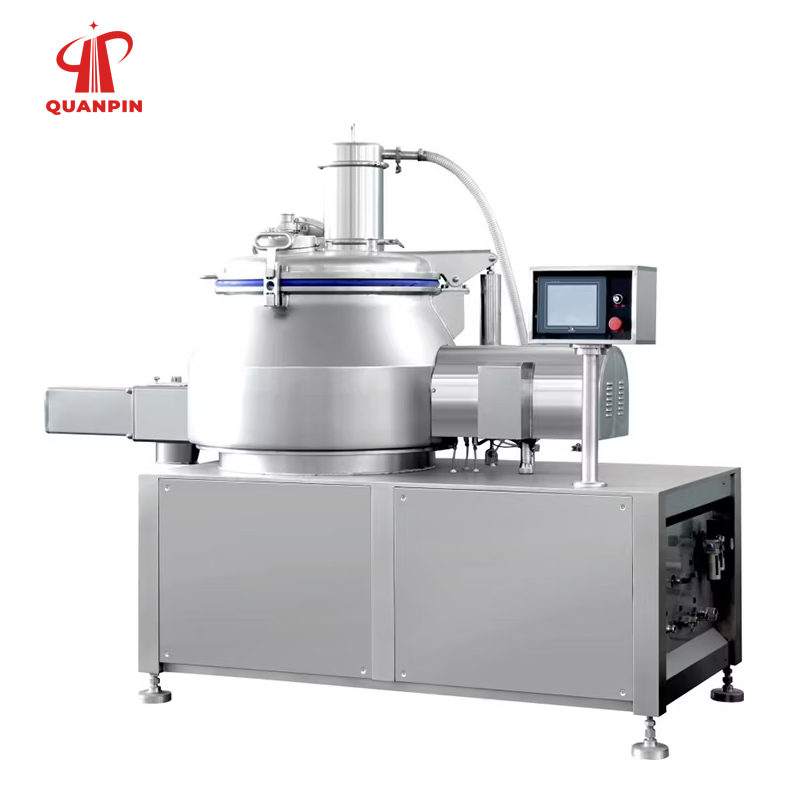
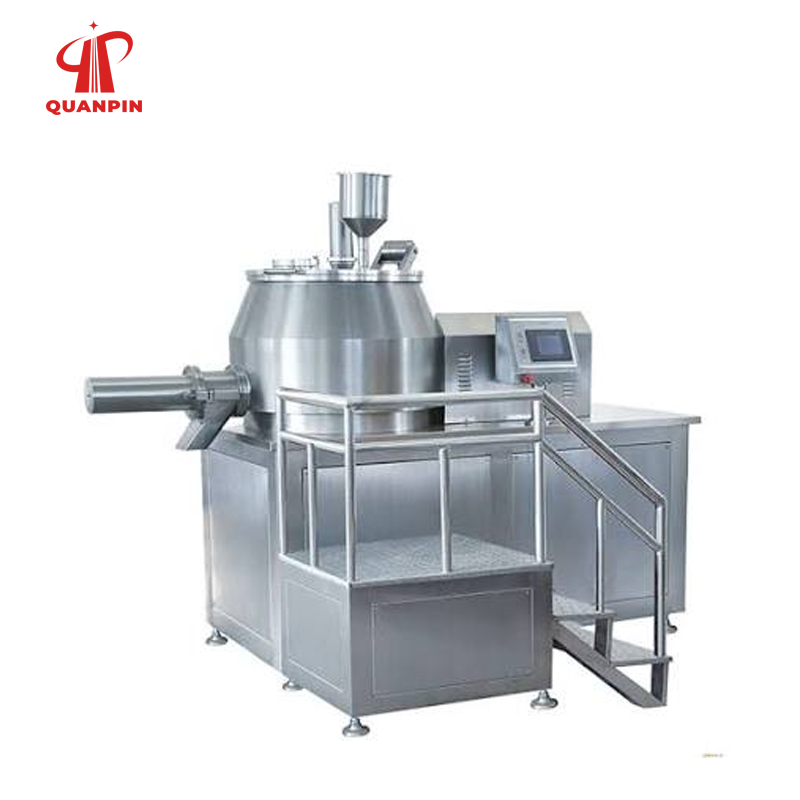
A high shear granulator produces an intermediate whose downstream behaviour still requires assessment. Neither a photograph nor a nominal sieve fraction establishes acceptable tablet properties.
Compare formulations with a defined sampling and compression plan. A useful comparison explains which conditions were held constant and which variable intentionally changed.
Define the Downstream Boundary
For a rapid mixer granulator enquiry, describe the granulation duty separately from final blending and compression. Do not assume those downstream functions are included.
The studies discussed here concern specific experimental formulations. They support development questions, without establishing settings or performance guarantees for a commercial GHL machine.
Five Inputs for a Useful Comparison
Starting materials
Identify the starting excipients and their grades. Materials with similar descriptive names may represent different experimental systems and should not be treated as interchangeable.
Granule fraction
Preserve the granule size distribution used for each comparison. Changing the sampled size fraction can complicate interpretation of a subsequent lubrication result.
Bulk density
Record bulk density together with its method. An isolated density value has limited meaning when preparation and measurement conditions are unknown.
Lubricant record
Document lubricant identity and addition sequence. The final formulation record should make the actual comparison reconstructable by another member of the development team.
Evaluation methods
Keep tablet evaluation methods associated with their specimens. Crushing behaviour, disintegration and dissolution address different questions and cannot silently substitute for one another.
Read Density Evidence in Material Context
Agree the decision criteria before reviewing results. Supplier demonstrations can generate observations, while product development personnel remain responsible for their interpretation.
A University of Groningen research record describes lubricant sensitivity in starch- and cellulose-based granulations.
The reported relationships differed with starting material. That finding argues against treating bulk density as a universal predictor independent of formulation identity.
For a high shear mixer granulator trial, retain material context when discussing density. The research record does not establish an equipment-specific acceptance limit.
Six Stages for a Controlled Comparison
Define the question
First define the downstream question. Determine whether the comparison investigates tablet strength, disintegration, dissolution or another agreed attribute of the formulation.
Identify the sample
Next prepare an identifiable granule sample. Preserve the relevant preparation history so later observations can be connected to the intermediate actually evaluated.
Characterize the fraction
Characterize the material using the agreed methods. Record the fraction tested rather than implying that one selected portion represents every particle in the batch.
Record lubrication
Apply the specified lubrication procedure. Keep addition sequence and mixing history with the sample record, without inventing a universal duration for different formulations.
Evaluate tablets
Compress and evaluate according to the development plan. Explain changes in test conditions whenever they could affect interpretation of the tablet comparison.
Review together
Review the observations together. A favourable value for one attribute does not remove the need to examine the other attributes relevant to the intended product.
Preserve Granule Size Context
Granule size evidence
A University of Reading deposited study specifically examines lubricants and tablets compressed from different granule sizes.
Its subject makes size fraction a relevant comparison variable. It does not establish that every granulated formulation will respond identically to the same lubricant.
Keep the reported formulation and study design attached to any interpretation. A literature result can suggest an experiment without replacing one on the proposed material.
Melt processing context
A clopidogrel formulation study investigates fluidized hot-melt granulation from laboratory to pilot scale.
That processing route differs from wet high-shear granulation. Its results should not be presented as direct validation of a GHL wet granulation configuration.
Use the study to recognize the importance of formulation context. Any application to another process remains a development question requiring appropriate experimental confirmation.
Disintegrant placement
A high shear wet granulator enquiry should identify the actual process route. Wetting, melting and final lubrication describe different operations with different material histories.
A twin-screw melt granulation study examines superdisintegrants and their addition location.
Its experiments concern disintegration and dissolution in particular melt-granulated formulations. They are not a lubricant-mixing study and should not be cited as one.
Distinguish Wet and Melt Processing
The useful boundary is the distinction between ingredient roles and processing stages. A formulation may need separate investigations of lubrication and disintegrant placement.
Do not assign every tablet change to the lubricant. Review whether granule preparation, fraction selection or another ingredient changed between the compared specimens.
An original crosslinked-polyvinyl-alcohol study evaluates a synthesized disintegrant using material characterization and tablet tests.
Its candidate excipient underwent its own physical and functional investigation. This research does not establish interchangeability with a lubricant or qualify an excipient for another product.
Separate Ingredient Roles
An equipment discussion becomes more useful when supported by a clear material brief. Include the proposed formulation, process route and intended physical intermediate.
Provide the relevant granule evaluation plan and downstream responsibilities. This gives both parties a practical basis for discussing what a material trial can establish.
Separate Candidate Excipient Function from Lubricant Response
Where a high shear granulator price is requested, identify the required granulation scope first. Pricing alone does not resolve downstream formulation-development questions.
Ask which observations the proposed trial will record. Confirm sampling arrangements and reporting expectations before using its findings to support an equipment decision.
Keep any additional equipment or laboratory work explicit. No integrated lubrication, tablet compression or dissolution-testing capability is assumed from the GHL product name.
Can granule appearance predict lubricant sensitivity? Appearance may describe a sample, but it cannot independently establish how that formulation responds during subsequent lubrication and compression.
Does higher bulk density always mean better performance? The cited starch and cellulose research reports material-dependent relationships rather than a universal direction for every formulation.
Can one sieve fraction represent the whole batch? State the fraction evaluated and justify its relevance; do not silently extend selected-sample findings to untested material.
Prepare the Equipment Enquiry
Is melt granulation evidence directly transferable? Its processing history differs from wet granulation, so transfer requires a justified comparison and appropriate material-specific investigation.
Are lubrication and disintegration the same assessment? They concern different formulation questions, even when both ultimately influence the performance of a finished tablet.
Confirm the Trial Scope
What should an equipment enquiry contain? Provide material identity, the proposed granulation process, intended intermediate attributes and the downstream evaluation responsibilities.
Interpret the available evidence within its experimental scope. A useful technical discussion identifies both the question answered and the questions that remain unresolved.
Frequently Asked Questions
Can appearance predict sensitivity?
A short trial report can distinguish measured observations from explanations. This makes subsequent formulation decisions easier to review and avoids overstating the evidence.
Does density guarantee performance?
Discuss the GHL Series High-Speed Mixing Granulator with a defined pharmaceutical material brief.
Does one fraction represent everything?
Explain whether the intended work ends at granule preparation or includes separately arranged downstream evaluation. Keep the proposed supplier scope explicit in the enquiry.
Can melt evidence transfer directly?
Bring the granule sampling plan and tablet-development questions to the discussion. They help identify what information is needed before interpreting a material demonstration.
Are the assessments interchangeable?
Request confirmation of the proposed equipment configuration against the actual application. Treat formulation performance as something to investigate with suitable evidence, rather than presume.
What belongs in an enquiry?
Preserve the final formulation and process records with the agreed assessment results. This creates a clearer basis for the next development or procurement decision.
Discuss Your Granulation Application
Discuss the material, processing objective and required trials with QUANPIN. Review the equipment information and the relevant industry applications, or send an enquiry through our contact page.
Email sales@qpdryer.com or stacie@qpdryer.com. Call +86 19850785582 or contact WhatsApp +86 15921493205 to discuss the proposed scope.