An extrusion granulator presses an appropriately prepared damp mass through selected openings to form strands that separate or are cut into cylindrical pieces. In the JZL process, feed preparation is inseparable from extrusion: the mass must be cohesive enough to form an extrudate and workable enough to pass through the chosen screen or die. The operation creates an intermediate product for the specified drying or further shaping stage, rather than a universally finished granule.
A useful equipment specification connects feed preparation, the working mechanism and the condition required at discharge. The sequence below explains those connections for production teams comparing configurations. It focuses on the decisions that affect material movement and drying or granulation behavior, without assigning an unverified capacity, operating temperature or product quality claim to the machine.
- Define the intended output first. State whether the extrudate will be dried directly or sent to another shaping operation. That decision influences the desired strand condition and how the discharge is handled. A general request for granules leaves important questions open about physical form, particle acceptance and the process expected after extrusion. Review the Extrusion Granulator around these material and process requirements.
- Describe the full formulation. Supply the powder composition, binder system and relevant grade information. Different formulations can require different wet-mass preparation even when the desired diameter is similar. The granulator must be reviewed for the material that will actually be produced, rather than selected around a generic example from a separate pharmaceutical application. Review the pharmaceutical granulator around these material and process requirements. Maintain batch records connecting materials, equipment and significant processing steps; the required context is set out in 21 CFR 211.188.
- Prepare a consistent damp mass. Binder needs to be distributed through the powder before the feed enters the JZL stage. Dry pockets and overly wet lumps do not present the same resistance to extrusion. Define the mixing and preparation sequence upstream so a change in output can be investigated against a known feed condition. Review the wet extrusion granulation around these material and process requirements. Wet pharmaceutical processing also needs appropriate procedures for microbiological contamination control; consult 21 CFR 211.113.
- Assess workability and cohesion together. A feed that crumbles may not hold the desired extruded form, while excessive adhesion can complicate passage and collection. Moisture content alone does not describe all of this behavior. Representative material evaluation should consider how the mass responds when worked through the selected opening and how it behaves immediately afterward. Review the extruded granules around these material and process requirements.
- Understand the extrusion passage. The mechanism presses prepared wet material through a chosen screen or die. Openings define the passage that shapes the extrudate, but final particle dimensions also depend on separation and subsequent processing. Agree the physical arrangement and desired product form instead of assuming that an opening establishes every finished-particle attribute.
- Control presentation to the machine. The feed should reach the extrusion mechanism in a manageable and repeatable condition. Review hopper loading and the upstream supply arrangement. Intermittent large charges or long holding periods can complicate production observations, especially if the prepared mass changes consistency while waiting for the next processing step.
- Review extrusion load and discharge behavior. The material must pass through the chosen opening without creating an unacceptable operating condition or unusable output. Observe the actual feed and the discharged strands together. A machine that can force material through a die has not necessarily established a suitable pharmaceutical granulation process for the intended formulation.
- Use the shaping function deliberately. Extrusion provides a defined route from prepared mass to shaped intermediate granules. This can be useful when the next operation requires a particular extrudate form. The benefit depends on formulation compatibility and the connected process, so avoid treating the mechanism as a replacement for wet-mass preparation or downstream quality assessment.
- Plan strand separation and collection. Confirm how the strands separate or are cut into cylindrical pieces in the selected arrangement. Match receiving equipment to the wet product so it does not compress, smear or agglomerate during collection. The discharge route should preserve the condition required by the following drying or shaping stage.
- Coordinate the drying interface. Define how much wet product the dryer can accept and how it is loaded. Extrusion throughput should not create an undefined holding queue between machines. Review permitted handling time and transfer conditions, because changes during this interval may affect the granules independently of the extrusion action. Where appropriate, define time limits for production stages and document justified deviations, as addressed in 21 CFR 211.111.
- Evaluate after the complete sequence. Examine particle distribution, physical strength, fines and any required downstream attributes after the agreed drying or shaping operations. Wet extrudate appearance is a useful observation but an incomplete acceptance method. A suitable evaluation connects the preparation recipe and extrusion configuration with the condition needed in the finished intermediate product. Use scientifically sound specifications, sampling plans and test procedures for in-process evaluation, as addressed in 21 CFR 211.160.
- Specify project requirements clearly. Provide QUANPIN with formulation details, binder content, feed condition, desired extrusion form and the downstream sequence. Include cleaning, containment, documentation and installation needs. These requirements should be agreed for the selected configuration; pharmaceutical use does not itself establish a certification or guarantee the performance of every damp formulation. A successful extrusion step does not replace final drug-product testing and release requirements; those are addressed in 21 CFR 211.165.
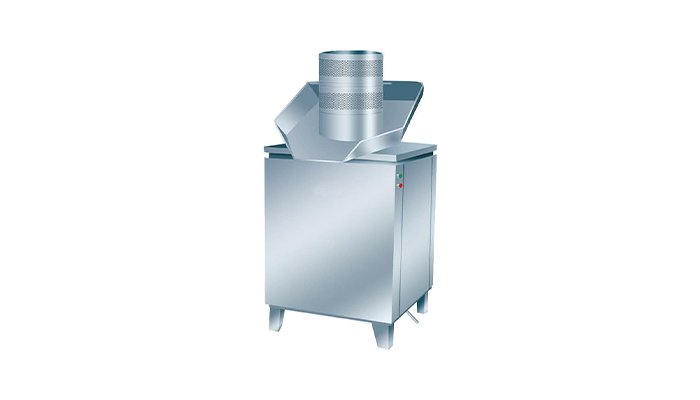
For process evaluation, consider the granulation equipment for shaping suitable wet mass by extrusion; and the high shear granulator for high-shear preparation of a suitable wet granulating mass. Confirm suitability with representative material, the required product properties and the proposed process conditions.
YANCHENG QUANPIN MACHINERY CO.. LTD
Sales Manager – Stacie Tang
MP: +86 19850785582
Tel: +86 0515-69038899
E-mail: stacie@qpdryer.com
WhatsAPP: 8615921493205
https://quanpindrying.en.alibaba.com/
Address: Jiangsu Province, China.