Drying Food Ingredients for Later Germination: Define the Biological Acceptance Test
By QUANPIN
When a food ingredient is intended to undergo germination later, drying acceptance must consider that intended use explicitly. A moisture result or an acceptable appearance does not independently establish that the material can still germinate under the planned assessment conditions.
A hot air circulation oven enquiry should distinguish conventional dried-grain production from preparing an ingredient that must retain germination capacity. The required evidence differs, even if both projects begin with visually similar grain or pulse material.
Germination capacity is a distinct development endpoint
Germination capacity describes a biological response under a defined test. It is not the same measurement as grain moisture, fissuring, composition or microbial safety. A passing result in one category cannot silently replace the others.
Research on agricultural seed lots can help identify relevant comparison variables, but its purpose is often planting performance. Such studies do not certify food suitability, validate edible sprout production or establish a commercial oven’s operating limits.
Keep agricultural research within its evidence boundary
For food development, first confirm that the material is suitable for the intended food chain and application. Planting seed, treated seed and food-grade material must not be assumed interchangeable merely because they belong to the same species.
This discussion concerns trial design and evidence boundaries. It provides no food-safety treatment, germination recipe, planting recommendation or guaranteed drying condition, and does not imply that preserving germination eliminates microbiological hazards.
Five details required before the drying comparison
Material identity and intended use
Identify the crop, variety where relevant, lot and intended use. Keep the actual food material traceable rather than borrowing a germination result measured on another seed lot or a research cultivar.
Incoming condition
Record the incoming moisture and previous handling. Material entering drying at a different state may not respond identically, so a shared final moisture value is not sufficient to describe the entire comparison.
Assessment time
Define when the biological test will be performed. Immediate assessment and assessment after a storage interval answer different questions and should remain separately labelled in the development record.
Biological test definition
Specify the test procedure and reported endpoint through qualified personnel. Germination percentage, germination speed and seedling-vigour indicators are not interchangeable labels for one general quality number.
Food hygiene requirements
Keep food hygiene and application requirements in a separate, appropriate assessment. Agricultural physiology measurements do not demonstrate that the resulting ingredient is safe to eat raw or after germination.
Read the rice drying experiment in context
An original rice-seed study investigated drying temperature together with initial moisture and seed vigour. Its experimental design demonstrates that the state of the incoming material can affect interpretation of a later biological response.
The original rice drying and vigour investigation concerns selected rice seed conditions and physiological mechanisms. Its temperature findings are not universal limits for food ingredients, other crops or a QUANPIN oven configuration.
For an equipment trial, retain the input state and process history alongside the final moisture and biological observations. This prevents a single final number from concealing differences in the route used to reach it.
If germination is required for a later food operation, define that requirement explicitly rather than assuming an agricultural planting-vigour test automatically represents the intended commercial food process.
Build a traceable physical and biological comparison
Agree the development question
Agree the food material and the role of the subsequent germination stage. State which development question the drying comparison is intended to answer and which questions need separate specialist assessment.
Retain appropriate references
Retain an appropriate untreated or incoming reference when the test plan requires one. Its purpose is to anchor the comparison to the actual lot and condition, not to assume every incoming specimen already meets the requirement.
Trace loading and collection
Document loading, collection and specimen identity through the trial. Associate each observation with the relevant material location and process record rather than reporting an untraceable pooled result.
Measure distinct endpoints
Measure the physical endpoint required by the drying plan and perform the separate biological assessment as specified. Do not infer one result from the other when no direct measurement was made.
Assess the relevant delay
If storage is part of the intended route, assess the specified interval and packaging arrangement. Keep the immediate and stored observations separate so that later changes are not attributed automatically to drying alone.
Review the complete comparison
Review the complete evidence against the actual food-development objective. Record unresolved limitations when the available experiment cannot establish the required performance for the intended material or handling route.
Read three seed studies without confusing their processes
Rice integrity and physiological measurements
A Brazilian rice-seed experiment assessed physical integrity, physiological quality and chemical composition after drying. Its methods included germination-related tests as well as other indicators, illustrating that seed quality has several measurable dimensions.
The original rice integrity and physiology study reports results for its selected seed material and treatments. It does not establish that a chemical-composition measurement alone can predict germination or that its selected conditions suit every rice application.
For food ingredient development, the useful lesson is to retain separate endpoints. A reduction in visible damage and a biological response may both matter without being equivalent evidence or sharing the same acceptance criterion.
Rice moisture and storage life
A rice storage investigation published by Scientia Agricultura Sinica examined the relationship between moisture content and seed storage life. This addresses the time dimension of biological quality, rather than only the condition immediately after preparation.
The original rice moisture and storage-life study is a crop-seed investigation. Its storage context should not be presented as a ready-made specification for edible sprouts, a microbial control programme or a general shelf-life guarantee.
If the food project includes a delay before germination, identify that delay in the trial plan. A result collected immediately after drying cannot by itself establish performance after an untested storage interval.
Mung-bean desiccant drying and storage
A mung-bean seed study investigated desiccant drying followed by hermetic storage, including viability and insect-related observations. Its preparation route differs from hot-air drying, making the process distinction important when reading the findings.
The original mung-bean desiccant-storage investigation helps frame questions about storage conditions and subsequent viability. It does not show that a CT-C oven performs desiccant drying or that the reported approach validates food hygiene.
Use this research to separate drying, packaging and storage variables. Do not assign a later biological advantage to an oven when the experiment also changed another part of the material’s handling route.
Connect the biological requirement to the oven trial
A hot air drying oven trial should identify the actual biological requirement before selecting the comparison conditions. The equipment supplier needs the material duty, while qualified development personnel must define and interpret the relevant tests.
Keep damaged, rejected or otherwise excluded specimens traceable under the test procedure. Unexplained removal can alter the reported biological result and prevent a fair comparison between conditions.
Document the actual collection-to-test interval and specimen storage. A change in that route can create a different experiment even when the nominal drying programme is unchanged.
Where physical and biological observations disagree, retain both. The purpose is to understand the actual material response, not to select whichever endpoint makes the equipment comparison appear favourable.
Interpret agreement and disagreement between endpoints
If germination response declines, review incoming condition, process history and later handling before assigning a single mechanism. A plausible explanation is not a demonstrated cause without appropriate supporting evidence.
If germination is retained, do not extend the conclusion to food safety or final product quality. The observation supports only the defined biological comparison under the conditions actually tested.
Prepare a food-equipment enquiry with clear testing roles
Provide the real food material, intended later use and relevant preparation history with the enquiry. Explain whether retaining germination capacity is an essential acceptance question or only an exploratory observation.
State which moisture and biological measurements are required and who will perform them. A general factory demonstration should not be described as a validated physiological or food-safety assessment.
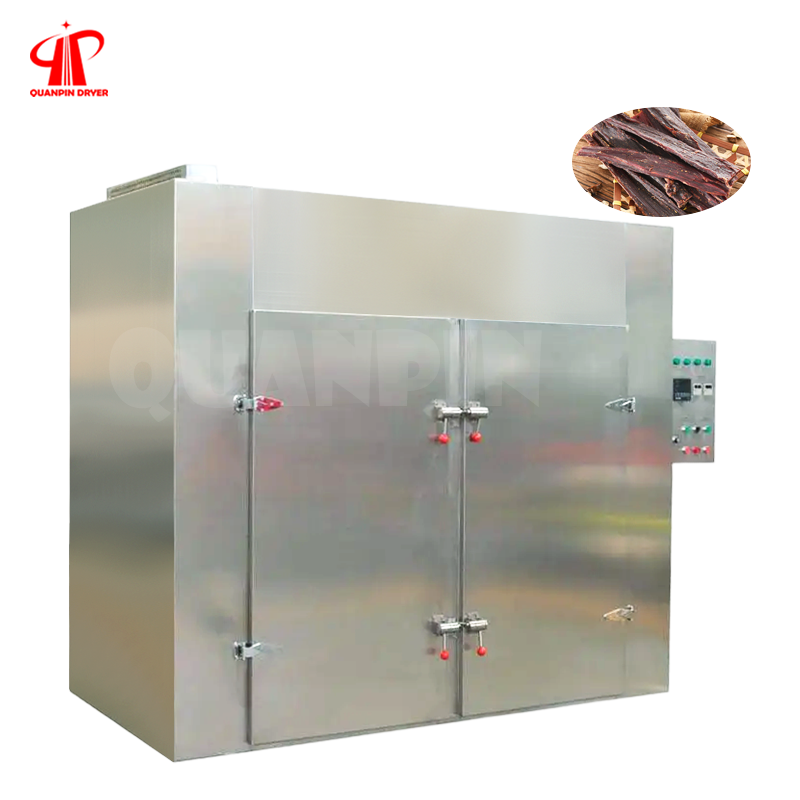
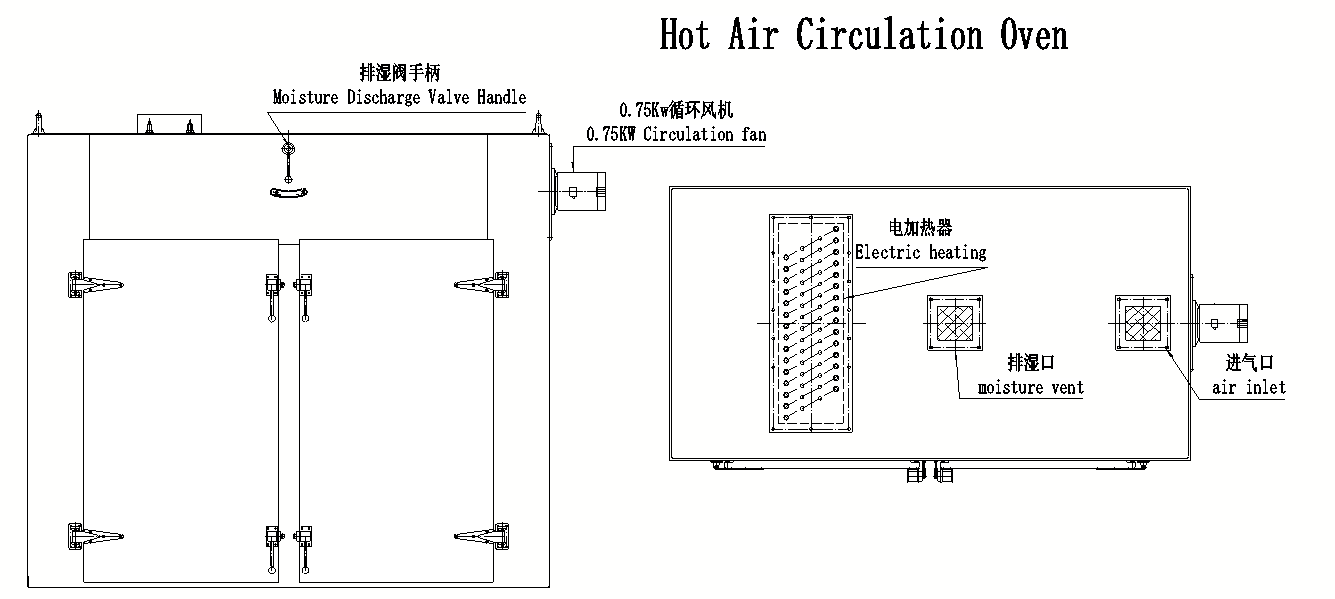
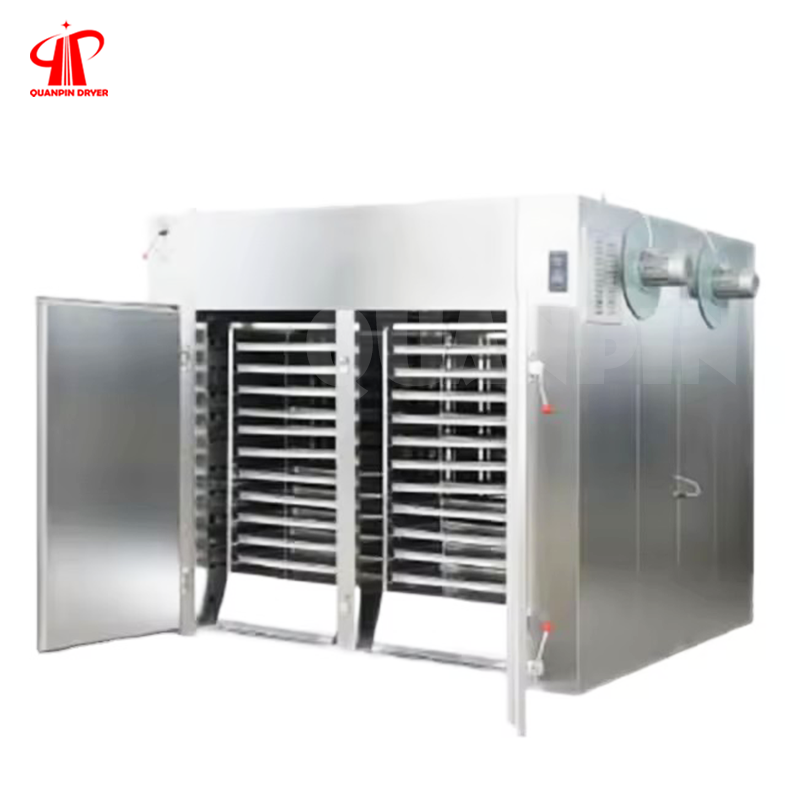
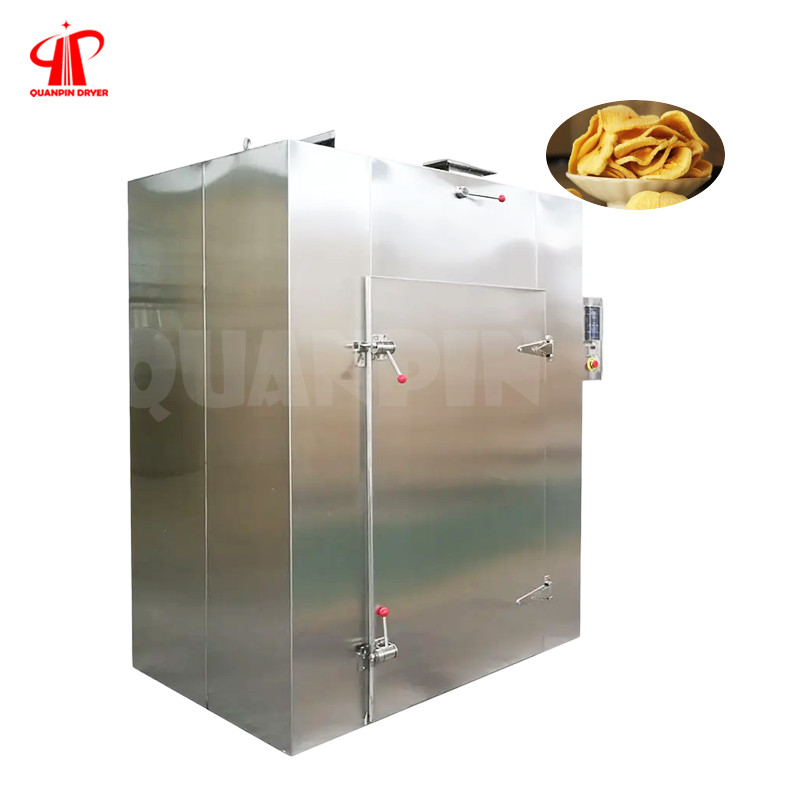
Describe the proposed loading, tray handling and specimen collection route. Confirm the relevant access and construction details for the actual supplied configuration rather than assuming another oven photograph represents the project.
Include the intended storage and transfer route before the subsequent food operation. Those conditions belong to the scope when the acceptance question concerns performance after a delay.
Clarify what supporting documentation is needed for the material and equipment. The supplier’s mechanical records and the laboratory’s biological results serve different purposes and should remain identifiable in the handover.
When requesting a hot air tray dryer price, distinguish the quoted equipment scope from the specialist development and testing programme. Avoid converting a research temperature into an unsupported commercial performance promise.
Include the later handling route in the scope
A maize-seed study investigated harvesting time, drying temperature and later storability. Its comparison included both initial quality and observations after storage, demonstrating why the chosen observation time can affect the interpretation.
The original maize drying and storability experiment concerns agricultural seed performance. Its conclusions should not be copied into a food-sprouting protocol, another crop’s operating settings or a guaranteed commercial tray-dryer specification.
Use storability research to define the observation time
A tray dryer proposal should therefore be assessed using the actual material, supplied arrangement and agreed evidence. Agricultural studies can identify useful variables while leaving food suitability, hygiene and application validation as separate requirements.
The final report should state the material identity, physical endpoint, biological method, observation time and handling history. That is more informative than claiming that dried grain has preserved quality without explaining which property was measured.
Frequently Asked Questions
Does moisture establish germination ability?
No. Moisture and germination response are different measurements. Assess the biological property through the specified procedure when it is necessary for the intended later food operation.
Can planting seed be assumed food-grade?
No. Planting material and food ingredients may have different treatment histories and requirements. Confirm actual suitability rather than inferring it from crop name or appearance.
Does an immediate result establish storability?
Not automatically. Immediate biological response and response after storage address different conditions. Include the relevant interval and handling arrangement when that is part of the intended use.
Does germination prove microbial safety?
No. A physiological result does not demonstrate absence of pathogens or validate edible sprout production. Food-safety assessment and controls require their own appropriate evidence and responsible personnel.
Can research temperatures be copied?
No. The cited studies use particular crops, lots, equipment and preparation routes. Their findings help frame a trial but do not establish universal conditions or machine guarantees.
What should a dryer enquiry contain?
Provide the real food ingredient, intended later use, incoming condition, proposed handling route and required tests. Confirm the supplied CT-C configuration while keeping physiological and food-safety decisions with qualified project personnel.
Discuss Your Food Ingredient Drying Duty
Discuss the material, processing objective and required trials with QUANPIN. Review the equipment information and the relevant industry applications, or send an enquiry through our contact page.
Email sales@qpdryer.com or stacie@qpdryer.com. Call +86 19850785582 or contact WhatsApp +86 15921493205 to discuss the proposed scope.
For process evaluation, consider the hot air oven for batch tray drying with circulating hot air. Confirm suitability with representative material, the required product properties and the proposed process conditions.