Binder-Free Wet Granulation: Separate Liquid Addition from Polymer Binder Addition
By QUANPIN
A high shear granulator can be investigated for a formulation that uses liquid without adding a separate polymer binder. Binder-free wet granulation therefore does not mean that the process is dry.
The distinction belongs in a pharmaceutical development brief. State what is omitted, what liquid is still added and which particle attributes the actual material trial must demonstrate.
Define What Binder-Free Means
A binder is a formulation component serving a binding function. A granulating liquid can influence wetting and agglomeration even when no additional polymer binder is used.
The label binder-free does not define a complete recipe or establish suitability for every material. The material itself and its interaction with the added liquid remain important.
Keep Wet and Dry Routes Distinct
Wet granulation describes the involvement of liquid during particle enlargement. Removing one ingredient does not convert the operation into roller compaction or another dry-granulation route.
Likewise, a favourable granule-size result does not demonstrate preserved internal porosity, flow performance or subsequent compaction response. Define the required properties independently.
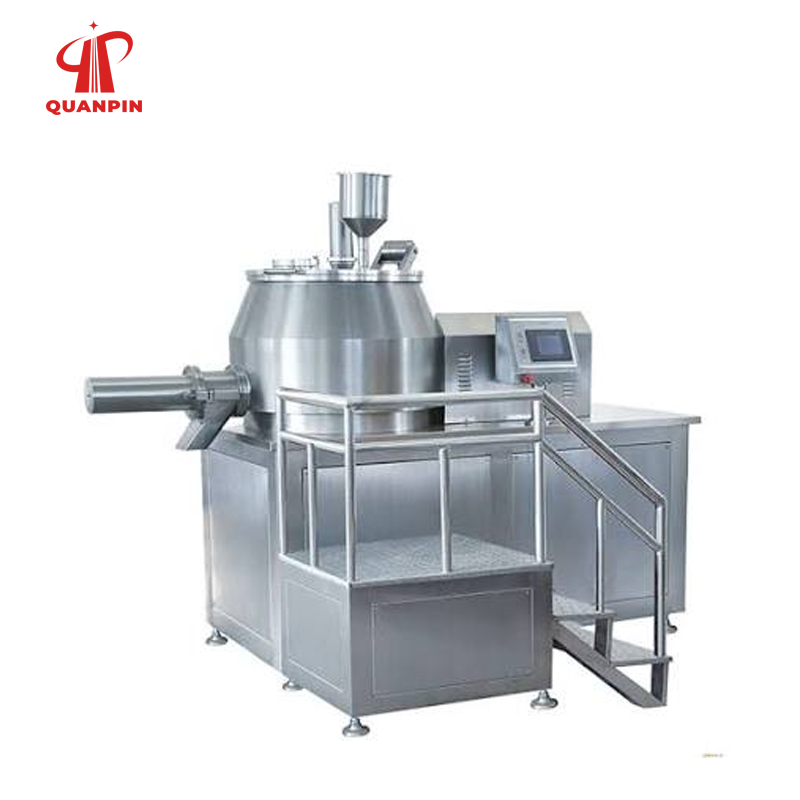
Five Inputs for a Material Trial
Starting material
Identify the starting material and its preparation. A porous silica carrier and a crystalline model drug are not equivalent feeds.
Complete composition
State which formulation components are absent and present. Do not infer the full composition merely from the phrase binder-free.
Liquid route
Specify the liquid identity and addition route. A water-only model and a liquid containing dissolved material represent different processing conditions.
Equipment category
Describe the equipment category and movement. High-shear, fluidized-bed rotor, planetary and twin-screw studies have different apparatus boundaries.
Target measurements
Define the target measurements before choosing an endpoint. Size, porosity and mechanical response may require different analytical methods.
Read the Porous-Silica Experiment
A direct high-shear experiment provides a useful example of liquid-mediated granulation without an added binder polymer.
Binder-Free High-Shear Wet Granulation of Mesoporous Silica Microparticles investigated mesoporous silica microparticles using binder-free high-shear wet granulation and measured size, flow, strength, porosity and compaction-related properties.
The study combined micro-CT observations of larger internal structure with BET surface-area measurements. These techniques address different structural scales and cannot be replaced by a single granule photograph.
Its silica model did not establish the performance of a drug-loaded formulation. Neither drug absorption nor clinical benefit follows from the reported handling and structural results.
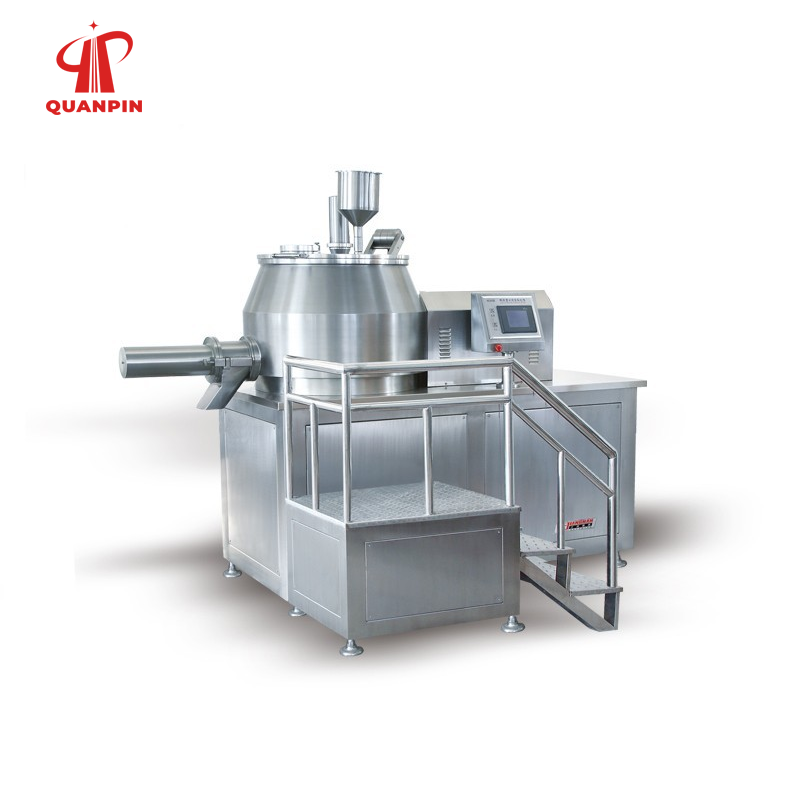
Six Stages from Feed to Assessment
Before processing
Before processing, preserve a representative reference material with its composition and preparation history.
During preparation
During liquid preparation, identify the actual fluid. Keep dissolved additives visible rather than calling every clear fluid plain water.
During addition
During addition, record the delivery method and amount. Liquid identity alone does not describe how the powder experiences wetting.
During massing
During massing, retain the actual movement and duration. The research apparatus settings are not universal GHL operating instructions.
During finishing
During finishing, identify any separate drying or sizing steps. The final granule properties may reflect these operations as well as wet agglomeration.
During evaluation
During evaluation, keep the required structural and handling measurements separate. A successful result for one attribute does not fill an unmeasured specification.
Compare Different Experimental Boundaries
Retain material identity
High drug loading and binder-free silica development are distinct examples. They should not be merged into one general no-excipient manufacturing claim.
Fine Globular Granules Composed of Only Drug Substance in Fluidized Bed Rotor Granulation investigated high-drug-loading granules in a fluidized-bed rotor, comparing model drugs with different wettability and starting size distributions.
Sphericity and strength responded differently between materials. The study supports retaining those separate attributes but does not demonstrate the same outcomes in a high-shear granulator.
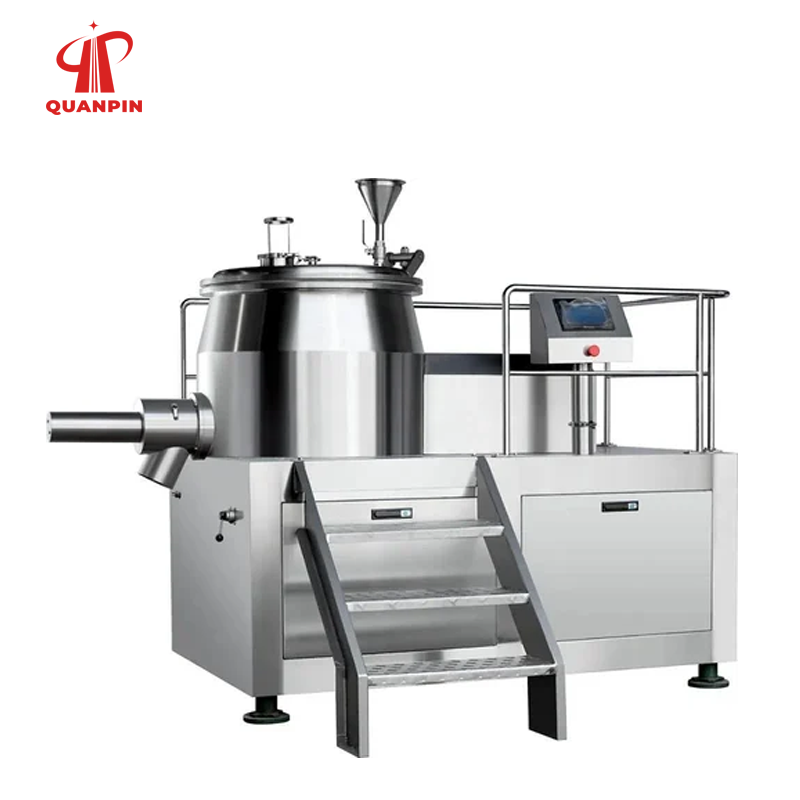
Separate amount and dispersion
The amount of wetting liquid and its dispersion can also respond differently to an equipment change.
Effect of Equipment Parameters on Amount and Dispersion of Wetting Liquid in Planetary Centrifugal Granulation used a placebo formulation in planetary centrifugal granulation. Equipment variables changed the minimum liquid amount required while the measured liquid dispersion response was not significantly affected.
This finding does not supply a liquid requirement for GHL equipment. It illustrates why a changed amount cannot independently establish a changed distribution.
Interpret droplet evidence
Even where a polymer binder is deliberately included, droplet behaviour helps define the boundary of a wetting comparison.
Influence of Binder Droplet Dimension on Granulation Rate during Fluidized Bed Granulation related lactose fluidized-bed granulation rate to binder droplet dimensions after adhesion and identified a separate wettability-related component in its analysis.
Its binder-containing experiment is a comparison of mechanisms, not evidence that a binder-free silica formulation needs the same polymers or spraying conditions.
Use Process Maps within Scope
A mechanistic process map offers another type of evidence alongside material experiments.
Investigating Mixing Dynamics on Twin-Screw Granule Quality through a Physics-Based Process Map developed a physics-based twin-screw granulation analysis linking mixing dynamics with liquid saturation, filling, nucleation and granule attributes.
This is original modelling work for a continuous apparatus, not a direct high-shear experiment. Its process map cannot be transferred unchanged to a batch GHL installation.
Use the distinction to identify unanswered questions. A model, a material experiment and a proposed equipment trial provide different kinds of support.
Define the Development Objective
A rapid mixer granulator brief should identify whether the objective is reducing added polymer, preserving accessible pores or obtaining acceptable handling.
Agree how each objective will be assessed. The absence of a separate binder does not independently demonstrate an acceptable final pharmaceutical intermediate.
Investigate Contrasting Granule Results
If granules form without polymer, retain the liquid record. Successful agglomeration does not mean that the operation occurred without wetting.
If flow improves but accessible surface area changes, preserve both findings. Handling improvement cannot substitute for an intended porous-carrier requirement.
If size is similar while strength differs, investigate material and structure. Similar external dimensions do not establish identical mechanical behaviour.
If liquid requirements change with equipment, avoid attributing the difference only to composition. The apparatus imposes another part of the wetting history.
If dispersion and liquid amount move differently, retain their separate measurements. A single liquid-to-solid number cannot answer every distribution question.
If an unloaded carrier succeeds, do not assume the drug-loaded formulation will behave identically. Incorporation of another component requires relevant development evidence.
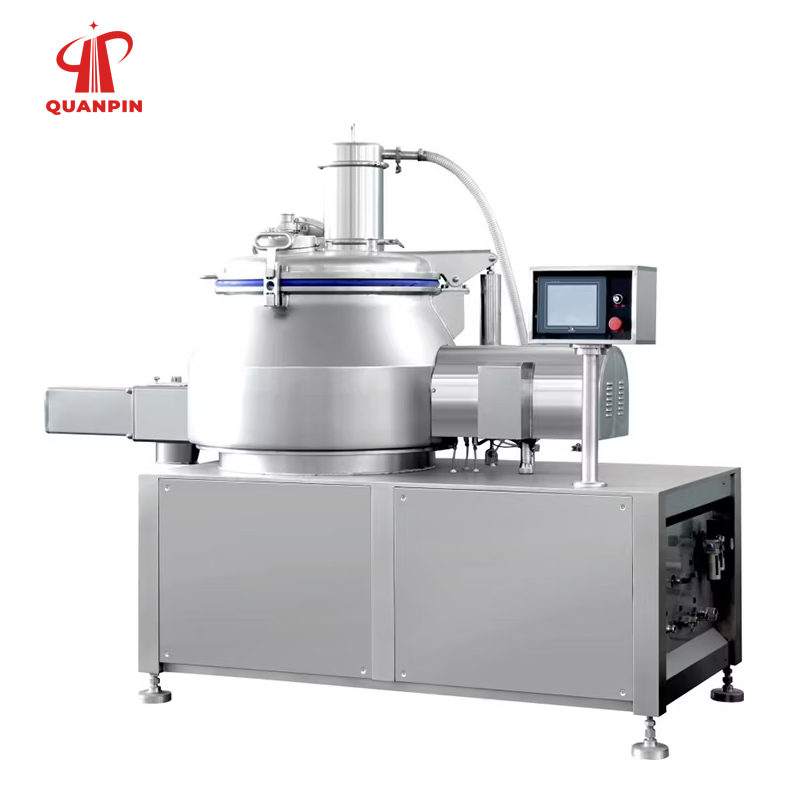
Prepare the High-Shear Enquiry
A high shear mixer granulator enquiry should state the actual material, liquid, omitted binder and the required finished-granule attributes.
Identify which porosity, handling and compaction tests are available. Confirm any specialized imaging or adsorption analysis separately from the equipment scope.
Confirm Separate Testing Responsibilities
For a high shear wet granulator proposal, distinguish representative material trials from product-specific formulation validation.
A high shear granulator price comparison should retain the same supply and analytical responsibilities. A quoted machine does not include every research measurement by implication.
Frequently Asked Questions
Does binder-free mean dry?
No. Binder-free describes an omitted formulation component; the process may still use a granulating liquid and remain wet granulation.
Does unloaded silica prove drug performance?
No. The cited silica experiment concerns a model carrier and does not establish behaviour or bioavailability of a loaded pharmaceutical formulation.
Does size establish pore preservation?
No. Size, internal structure and mechanical response are different attributes. Choose the measurements appropriate to the required intermediate.
Does liquid amount establish dispersion?
No. The cited placebo planetary experiment showed that required amount and measured dispersion need not respond identically to equipment changes.
Can a twin-screw model specify GHL?
No. A continuous twin-screw model describes its own apparatus. A batch high-shear proposal needs a representative equipment and material evaluation.
What should an enquiry contain?
Provide starting material, full composition, liquid route, omitted binder and acceptance tests. State which attributes must be demonstrated before agreeing the development scope.
Discuss Your Granulation Application
Discuss the material, processing objective and required trials with QUANPIN. Review the equipment information and the relevant industry applications, or send an enquiry through our contact page.
Email sales@qpdryer.com or stacie@qpdryer.com. Call +86 19850785582 or contact WhatsApp +86 15921493205 to discuss the proposed scope.