Mushroom Powder Milling: Keep Cap and Stipe Identity Through Extraction Testing
By QUANPIN
A mushroom powder specification should identify the tissue being processed. Caps and stipes can respond differently during grinding and extraction, so an unlabelled powder comparison may conceal a change in starting material.
For an air classifier mill enquiry, state whether the product uses caps, stipes or a controlled mixture. Keep that identity visible through every extraction and application test.
Separate Tissue Identity from Fineness
A cap sample is a defined tissue fraction. Its results should not silently become the acceptance reference for a production feed containing a large stipe fraction.
Stipes should retain their own identification from preparation to analysis. A powder made from a processing by-product deserves a trial representing that actual stream.
Define the Mushroom Ingredient
Record the mushroom species with the tissue description. Findings from one edible species cannot establish a numerical specification for another.
If a mixture is intended, record its actual composition and preparation procedure. A variable mixture makes it difficult to isolate the contribution of grinding.
Preserve Cap and Stipe Preparation
Caps
Preserve the drying route and storage conditions before testing. Differences introduced before size reduction remain possible explanations for later extract differences.
Stipes
Prepare comparison samples from a common material lot where practicable. Keep sufficient feed for repeat testing if the analytical results disagree.
Species
Comparative research has examined cap and stipe powders produced by different grinding methods. Its design makes tissue identity a central part of interpreting the powder response. See the cap-and-stipe superfine-grinding study for the original experimental scope.
Preparation history
The investigated mechanisms are part of that evidence. Published shear or jet milling does not define the response of every industrial fine powder grinder.
Shear pulverization
Shear pulverization provides one comparator, with its own particle distribution and material history. It should not be described merely as the untreated version of a different mill’s product.
Read the Comparative Grinding Evidence
Jet milling is another mechanism. A published result from that route can guide the test questions without establishing operating conditions for an ACM mill.
Particle-size analysis describes the prepared specimen under a measurement procedure. Record dispersion conditions so that agglomerates are not confused with permanent tissue fragments.
Microscopy can add structural observations. It cannot by itself quantify the complete composition or extraction performance of the finished powder.
A result for the cap should remain associated with the cap sample. Combining cap and stipe results into an average can hide the behaviour of the actual intended feed.
Compare the Structural Observations
Jet milling
Retain individual sample reports before calculating mixture summaries. The mixture’s application performance should then be tested directly rather than inferred solely from those summaries.
Size distribution
A water solubility index describes material recovered through a specified preparation and separation procedure. It is not a universal measure of every potentially extractable component.
Tissue structure
Define the extraction objective before optimizing fineness. A beverage ingredient and a concentrated extract may require different analytical endpoints.
Water solubility index
The soluble fraction contains whatever the method recovers under its conditions. Its mass alone does not identify the protein, polysaccharide or other component responsible for a change.
Extract composition
Use composition measurements when the commercial objective concerns a particular extract component. Keep total soluble solids as a separate result.
Dry powder
A three-species mushroom investigation evaluated coarse, screened and superfine preparations. Its separate species and powder treatments are relevant boundaries when considering a new ingredient project. See the three-species mushroom study for the original experimental scope.
Define the Extraction Question
Hot-water extract
That design supports evaluating the actual intended material. It does not establish the ideal fineness for every mushroom extraction process or equate results between species.
Dry-powder properties describe the ingredient before reconstitution. An extract result describes a different specimen after contact with a liquid and subsequent preparation.
Keep the dry sample and recovered extract linked by a common identifier. Otherwise a laboratory comparison can lose the connection between feed and measured outcome.
Comparable extraction conditions
Research on Hypsizygus marmoreus evaluated powders and their hot-water extracts. That distinction is useful when specifying which material will enter the finished formulation. See the Hypsizygus powder-and-extract study for the original experimental scope.
An apparent improvement in a powder property need not establish an equivalent change in the extract. Measure the specimen that actually matters to the intended application.
Use the same extraction temperature, duration and solid-to-liquid ratio for a controlled comparison. Changes in those conditions create alternative explanations for the measured response.
Recovered soluble fraction
Specify the separation method and the basis used to report extract recovery. A wet recovered mass cannot be compared directly with a dry soluble-solids result.
Grinding can change several responses in different directions. Reports on mushroom powders show why water holding, swelling and soluble material should retain separate labels. See the A. chaxingu physical-modification study for the original experimental scope.
Do not treat lower water holding as proof of poorer extraction. Retention of water in a hydrated solid and recovery of material into a separated liquid are different questions.
Keep the Species Boundary Visible
A comparison involving ultraviolet treatment and jet milling has an additional preparation boundary. Irradiation-related findings must not be attributed to grinding alone. See the UV-B and jet-milling study for the original experimental scope.
When reading such a study, identify its treatment sequence before borrowing its interpretation. A combined intervention cannot establish what an untested single step would achieve.
Provide the supplier with representative cap, stipe or mixed material. A trial using a different tissue fraction cannot fully qualify the proposed production duty.
Include the intended feed condition and the required particle-size report. Define extraction testing separately so that equipment performance and ingredient performance remain understandable.
Interpret Soluble Solids Carefully
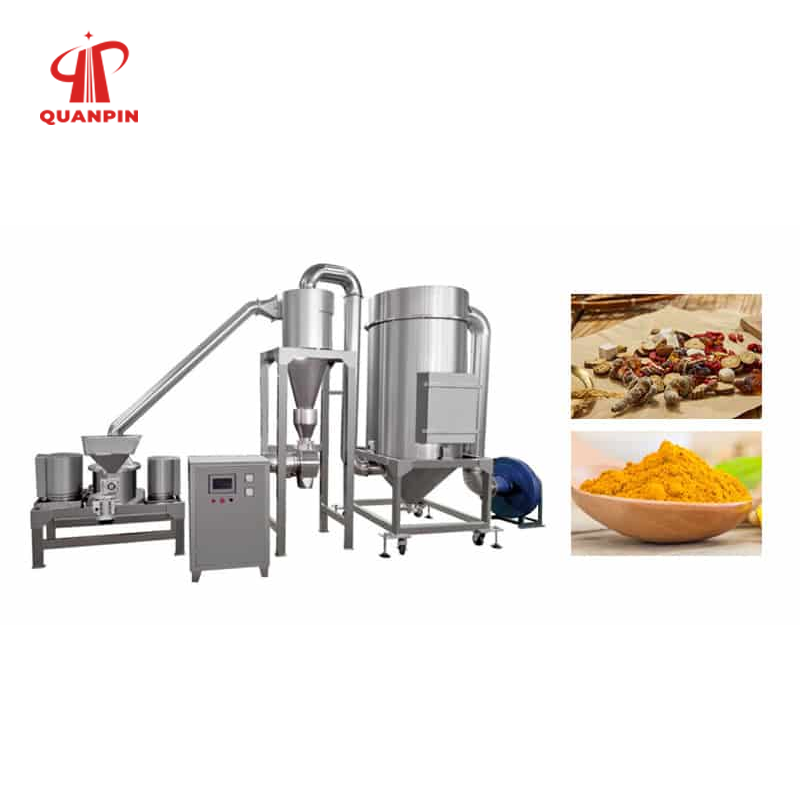
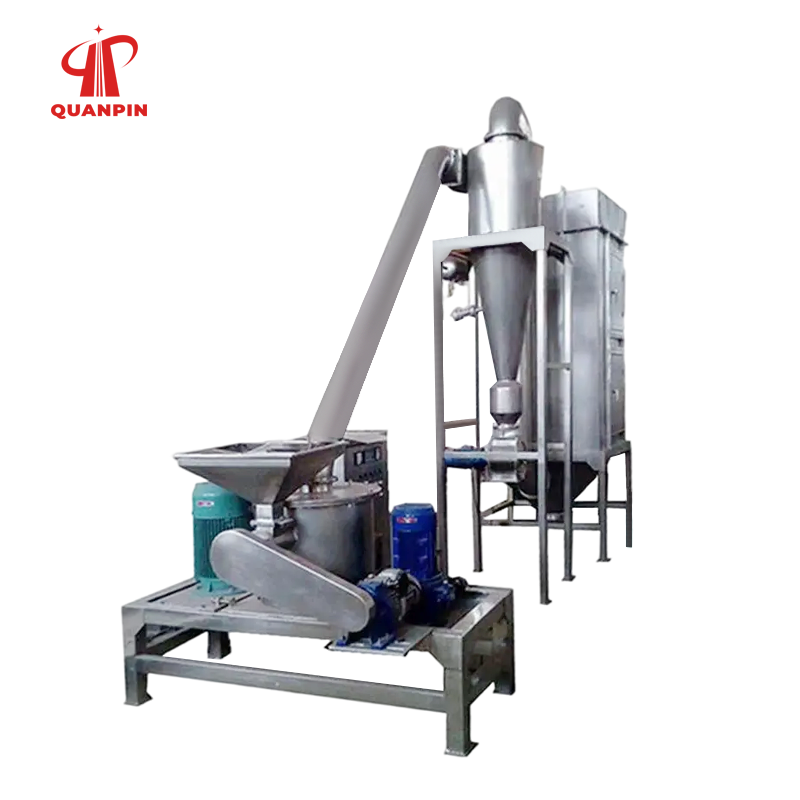
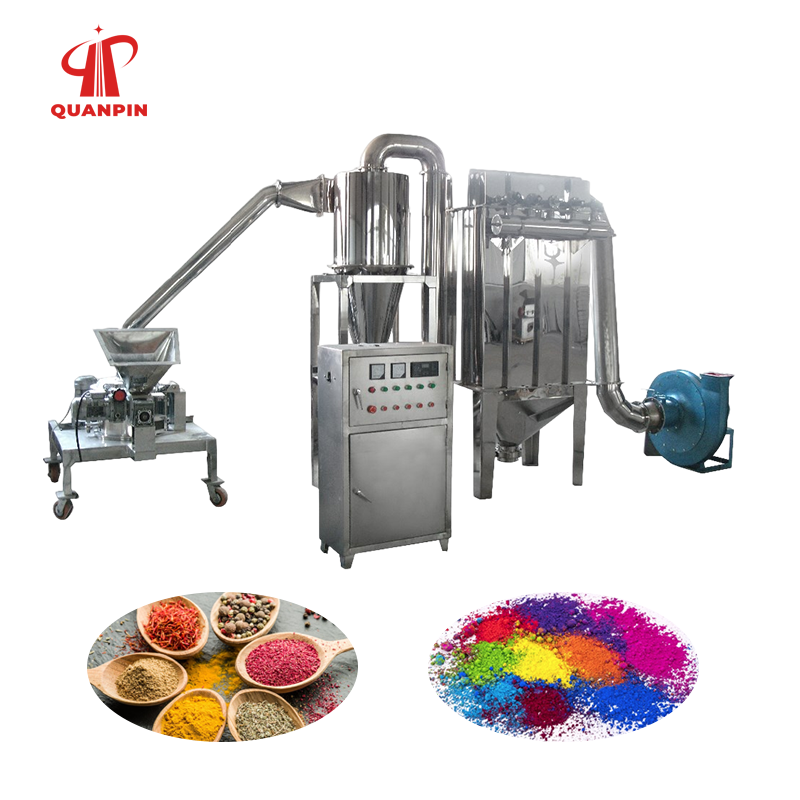
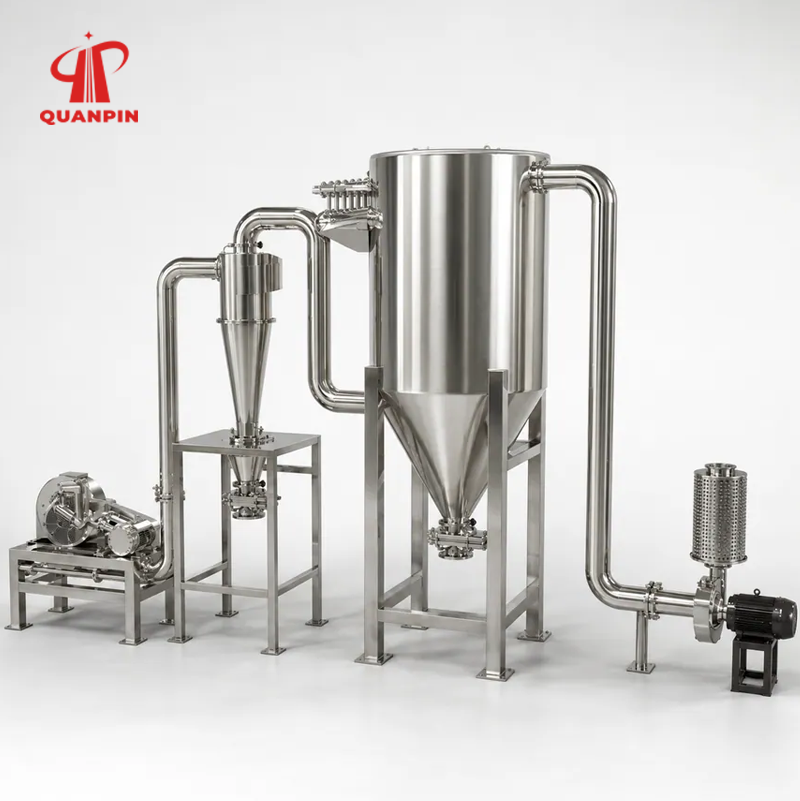
An air classifying mill proposal requires confirmation of the actual tested configuration. Do not infer temperature control, special collection features or extract yield from the equipment name.
Published jet-milling work offers research context. The proposed industrial arrangement needs its own material-specific evaluation before acceptance.
Prepare a Representative Milling Trial
Collect comparison powders using a consistent sampling plan. Preserve identities for separate collection streams if the proposed arrangement produces more than one recovered fraction.
Do not combine collected fractions without recording the blend. Changing the blend can alter the apparent analytical result independently of a change in the grinding operation.
Test the powder at the intended formulation concentration. A favourable dilute laboratory observation may not describe a concentrated soup or an extraction feed.
Record the mixing and heating sequence used in application testing. Those steps belong to the evidence supporting the ingredient decision.
Acceptance should state which tissue and species were evaluated. A purchase record describing only mushroom powder leaves too much ambiguity for a later repeat order.
Keep the feed description, milling report and analytical method together. This makes a repeat comparison possible when a new lot behaves differently.
Connect Measurements to the Application
Discuss the mushroom preparation with QUANPIN using a defined ingredient objective. Provide the expected cap and stipe proportions rather than a generic mushroom name.
Include the extract requirement alongside the fineness requirement when extraction is the commercial purpose. This gives the evaluation a measurable application question.
Retain a Reproducible Comparison
A successful trial connects the actual feed to the recovered powder and the intended extract. Each transfer should preserve the sample identity and reporting basis.
Review the acceptance evidence whenever the species, tissue blend or extraction route changes. A previous result remains evidence for its original material and conditions.
Frequently Asked Questions
Are caps and stipes interchangeable?
Are cap and stipe samples interchangeable? No. Keep their identities separate and test the intended blend when the product uses both.
Does solubility measure extraction completeness?
No. A solubility index measures recovery under a specified procedure. It does not establish exhaustive extraction or identify every recovered constituent.
Can finer powder reduce water holding?
Yes, published mushroom research has reported different directions among hydration responses. The result should be interpreted within its tissue, method and species boundaries.
Do jet-milling results specify an ACM setting?
No. Jet-milling findings cannot establish a setting for a different mechanism or machine. Use representative trials and report the actual powder results.
What should the trial feed contain?
Use the intended tissue fraction or a documented mixture prepared from representative material. Record species, drying and storage history with the feed.
Which records belong with the samples?
Keep sample identity, milling conditions, collection location and extraction procedure with each result. Retain material for repeat analysis where practicable.
Discuss Your Mushroom Powder Duty
Discuss the material, processing objective and required trials with QUANPIN. Review the equipment information and the relevant industry applications, or send an enquiry through our contact page.
Email sales@qpdryer.com or stacie@qpdryer.com. Call +86 19850785582 or contact WhatsApp +86 15921493205 to discuss the proposed scope.