Cocoa Powder Milling: Specify Wetting Before Claiming Instant Dispersion
By QUANPIN
A cocoa powder can have a small measured particle size and still wet poorly in a beverage. A grinding specification should therefore state how wetting and dispersion will be evaluated before describing the product as instant.
For a fine powder grinder enquiry, provide the actual cocoa preparation and intended drink. Fineness is one requirement; entry into the liquid and subsequent distribution are separate application questions.
Why Finer Cocoa Does Not Define Instant Performance
Natural cocoa should retain that identity in the comparison. Its preparation history is relevant when interpreting physical and application measurements.
Alkalized cocoa is a different starting material. Do not attribute a difference between natural and alkalized powders solely to their particle sizes.
Identify the Cocoa Starting Material
Record the actual fat information available for the feed. Composition is a potential contributor to behaviour in water and should remain visible in the sample description.
Avoid supplying a generic cocoa label when comparing grades. Include the documented preparation route and any available composition report with the trial material.
Keep the Beverage Recipe Visible
Natural cocoa
A finished beverage mix may contain ingredients beyond cocoa. Its wetting performance cannot automatically stand for the behaviour of the cocoa ingredient alone.
Alkalized cocoa
Record sugar, milk ingredients and other actual additions when they form part of the application test. Keep their proportions consistent during the powder comparison.
Residual fat
Published ball-milling research examined cocoa powders with different compositions. Its results show that the direction of a particle-size change depends on the tested material and processing conditions. See the cocoa ball-milling study for the original experimental scope.
Added ingredients
The same study investigated dispersion responses. It provides a reason to measure the application result rather than assume a universal benefit from more intensive milling.
Ball milling
Ball milling describes the studied treatment. A buyer should not convert that description into a promised outcome from every proposed industrial pulverizer.
Read the Milling Evidence
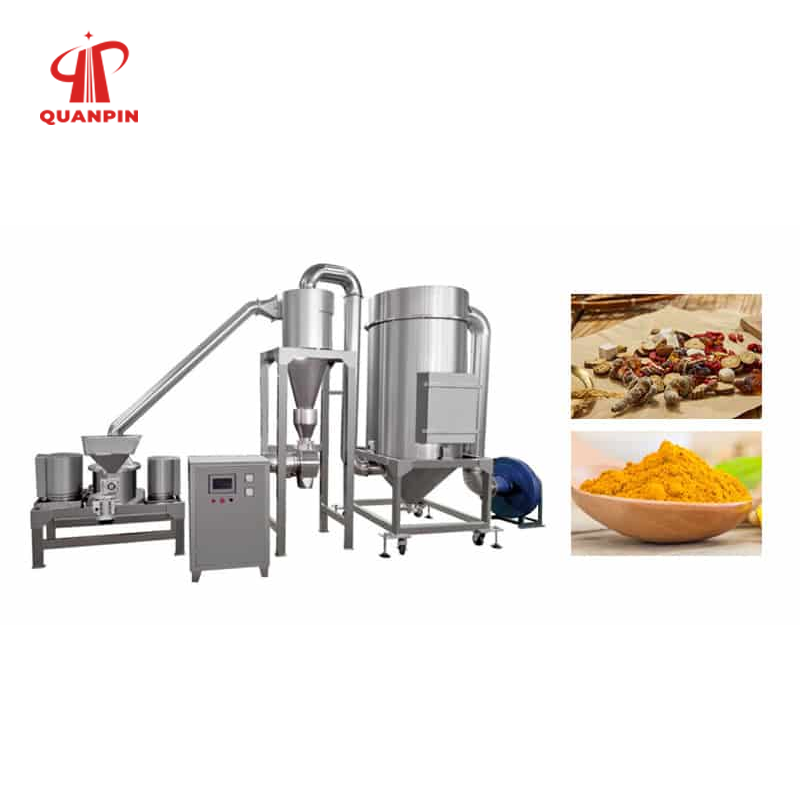
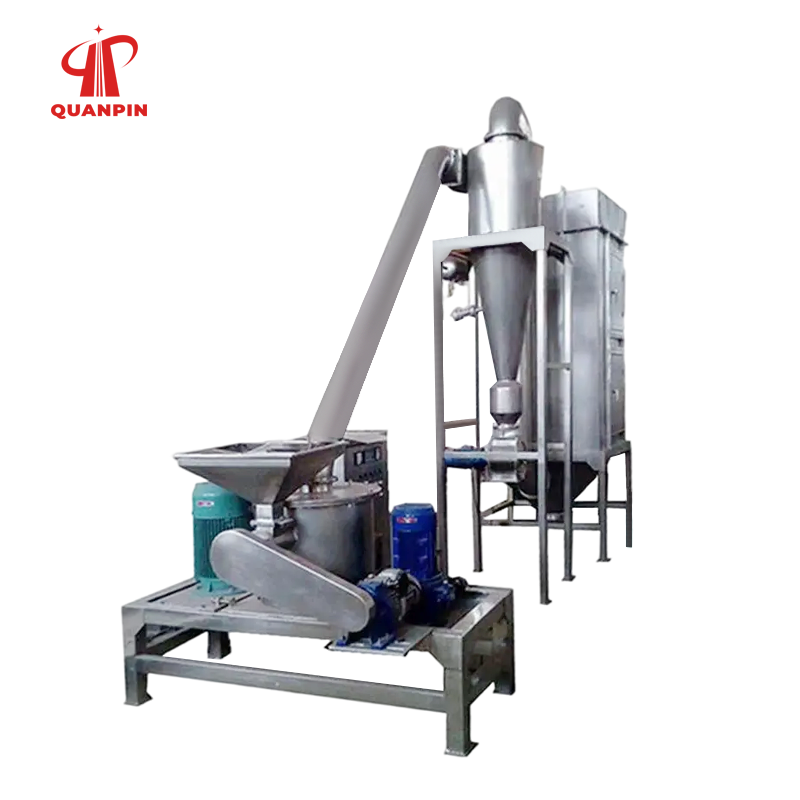
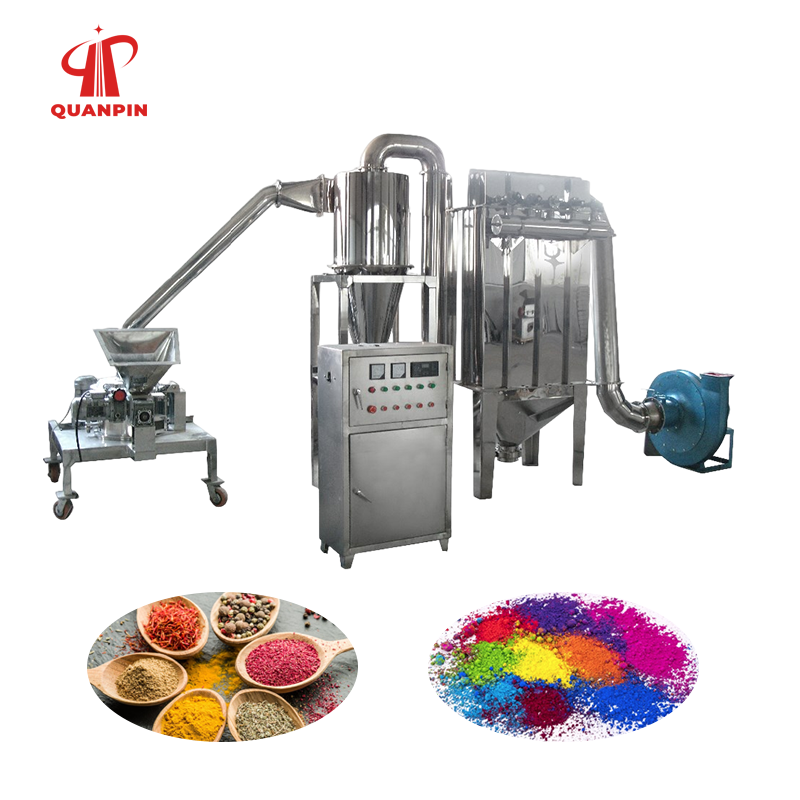
An air classifier mill is a separate equipment enquiry. Its configuration and suitability for the actual cocoa feed require confirmation and representative evidence. The ACM mill trial should retain the identity of the cocoa grade.
Wetting concerns the powder’s contact with and entry into the liquid. A floating layer can remain even when an independently dispersed particle-size test reports fine particles.
Dispersion concerns how material becomes distributed through the liquid under the chosen conditions. It should not be replaced by a visual judgment made before mixing is complete.
A powder can wet and still contain lumps. Conversely, vigorous mixing can break up material that initially enters the liquid slowly.
Separate Wetting from Dispersion
Proposed industrial route
Record these observations separately. A single end-point photograph rarely explains which stage limited reconstitution.
Surface entry
Experimental cocoa wetting research compared several wettability and dispersibility measurements. That approach makes the measurement procedure part of the reported result. See the cocoa wetting and dispersion study for the original experimental scope.
Particle dispersion
Different methods need not produce interchangeable numerical answers. Define the selected method before establishing a pass criterion for a purchasing trial.
Liquid temperature
Liquid temperature belongs in the procedure. A hot-water result cannot establish the performance of a cold-milk beverage without testing that application.
Mixing conditions
The liquid itself also matters. Use the intended formulation rather than assuming that a water-only comparison covers every beverage.
Primary particle size
Define the mixing arrangement, duration and powder addition procedure. Changing how the powder enters the liquid can change the observed reconstitution process.
Evaluate the Test Procedure
Agglomerate structure
Specify the sample quantity and liquid quantity. A test carried out at another concentration may answer a different application question.
University doctoral research on cocoa processing compared physical and analytical properties of natural and alkalized powders. This preparation boundary matters when defining a comparison for a new beverage ingredient. See the Ghent cocoa-processing doctoral research for the original experimental scope.
Keep alkalization and milling histories distinct when reviewing an application result. A comparison between prepared cocoa grades does not isolate the effect of primary-particle grinding alone.
Composition
Primary particle size refers to one structural scale. The apparent dimensions of an agglomerate describe another scale relevant to how a powder meets the liquid.
A test method that breaks agglomerates can erase the structure being evaluated for instant performance. Record how the particle-size specimen was prepared.
Published cocoa work has investigated size enlargement as a way to change dispersion kinetics. This is a useful counterexample to the assumption that the smallest measured powder is always the fastest to reconstitute. See the cocoa size-enlargement study for the original experimental scope.
Surface properties
The correct purchasing question concerns the intended beverage outcome. Do not select a grinding target solely because another process produced a favourable reconstitution result.
Composition and surface properties can contribute to cocoa’s interaction with water. Particle size alone does not identify those properties.
A study of different cocoa varieties also examined composition, particle distributions and reconstitution. Its multi-property comparison supports retaining material preparation information alongside the size report.
Keep Agglomeration Evidence Separate
The measured response belongs to the powders actually tested. It cannot establish a universal ranking of every commercial cocoa source or preparation route. See the cocoa-variety comparison for the original experimental scope.
When grades differ, start by identifying which variables changed. Otherwise a proposed grinding explanation can hide a preparation or formulation difference.
Provide representative cocoa feed for an equipment evaluation. State the intended fineness and the reconstitution procedure as separate requirements.
Include any known processing and composition information. Avoid assigning unverified cooling or special handling capabilities to the offered machine.
Interpret Surface and Composition Effects
Use the same feed lot when comparing initial milling conditions. Keep unprocessed material for investigating unexpected application results.
Collect the actual recovered powder for the beverage trial. A laboratory specimen prepared through a different treatment should retain a separate identity. An air classifying mill proposal should identify the tested configuration.
Prepare a Material-Specific Trial
Define the sampling point and any blending of recovered fractions. Changing the tested fraction can alter the apparent result independently of the chosen grinding condition.
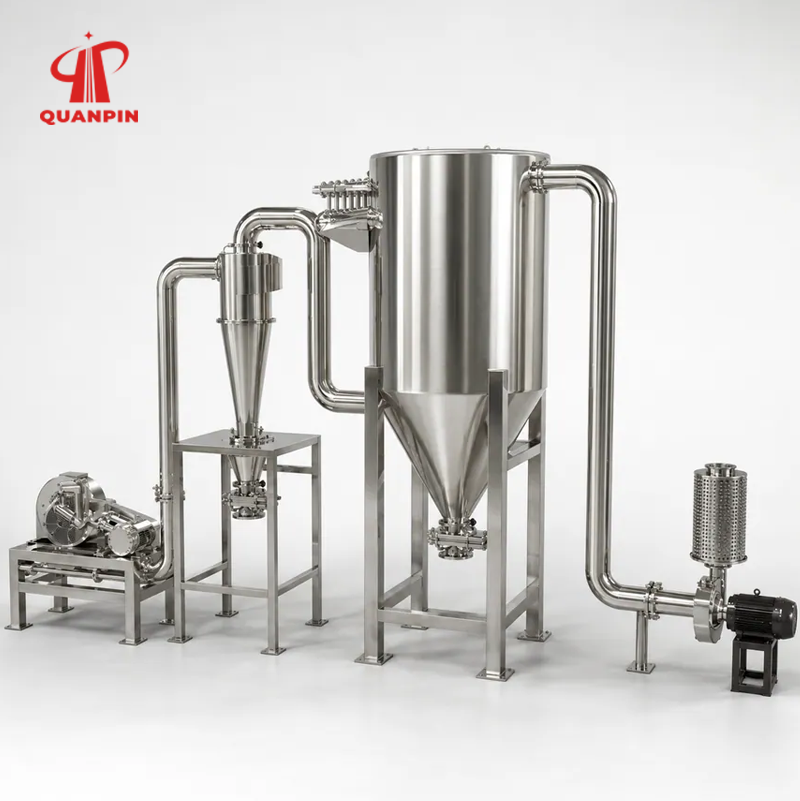
Record the actual equipment arrangement with each trial sample. An equipment family name does not fully describe the tested collection and processing route.
Run the application test using the intended powder addition sequence. If the consumer preparation matters, represent it explicitly in the agreed procedure.
Observe wetting time, remaining lumps and the selected dispersion endpoint separately. The results then identify what the proposed powder has actually improved.
Do not equate disappearance from the surface with complete dissolution. Cocoa-containing beverages can contain dispersed material rather than a fully dissolved solution.
Report any remaining sediment under a defined observation procedure. Keep that measurement distinct from the initial wetting endpoint.
Test the Intended Beverage
Discuss the actual cocoa grade with QUANPIN before setting an equipment duty. A representative sample makes the proposed grinding requirement concrete.
Include a beverage preparation procedure when instant performance is part of the objective. The application requirement should be measurable rather than implied by a fine-powder label.
Document the Acceptance Decision
Keep the equipment assessment connected to the powder actually tested. Record its preparation, collection and analytical history with the application observations.
Review the acceptance basis when cocoa grade or beverage formulation changes. A previous result remains evidence for the material and conditions used in that comparison.
Frequently Asked Questions
Will finer cocoa always wet faster?
Will finer cocoa always wet faster? No. Published cocoa studies show that material properties and processing conditions influence the response beyond particle size alone.
Is dispersion the same as dissolution?
No. Dispersion distributes material through the liquid; dissolution refers to material entering solution. A beverage can contain both dissolved and dispersed components.
Can agglomeration results specify a grinder?
No. An agglomeration study evaluates a different structural intervention. Use its findings to refine the application question rather than assign a grinder setting.
Does a published setting transfer directly?
No. Published ball-milling conditions describe the reported experiment. Another machine and feed require their own material-specific trial.
Which liquid should be used?
Use the intended beverage liquid under defined temperature and mixing conditions. Water-only tests are useful only within their stated comparison boundary.
What belongs in the enquiry?
Provide the cocoa preparation, available fat information, fineness requirement and beverage method. State how wetting, lumps and dispersion will be judged.
Discuss Your Cocoa Powder Duty
Discuss the material, processing objective and required trials with QUANPIN. Review the equipment information and the relevant industry applications, or send an enquiry through our contact page.
Email sales@qpdryer.com or stacie@qpdryer.com. Call +86 19850785582 or contact WhatsApp +86 15921493205 to discuss the proposed scope.