CH Food Paste Trials: Account for Entrained Air When Comparing Mass and Volume
By QUANPIN
The mass of paste occupying a container can change when gas becomes incorporated into the material. Before treating a low apparent density as evidence of a different recipe, examine how volume was measured and whether bubbles were retained during collection.
A trough mixer trial should document material distribution and the physical condition of the specimen separately. A paste that appears uniform can contain gas pockets, and a density result alone cannot establish either ingredient concentration or long-term foam stability.
Define what the density measurement includes
Apparent density relates mass to the occupied volume under specified conditions. If that volume includes gas, the result describes the combined material and gas structure rather than the density of the underlying liquid or solid constituents.
The practical significance depends on the product. Some recipes intentionally retain air; others require controlled filling or a relatively dense paste. Define the intended condition before deciding whether more or less gas is desirable.
Set the intended material condition
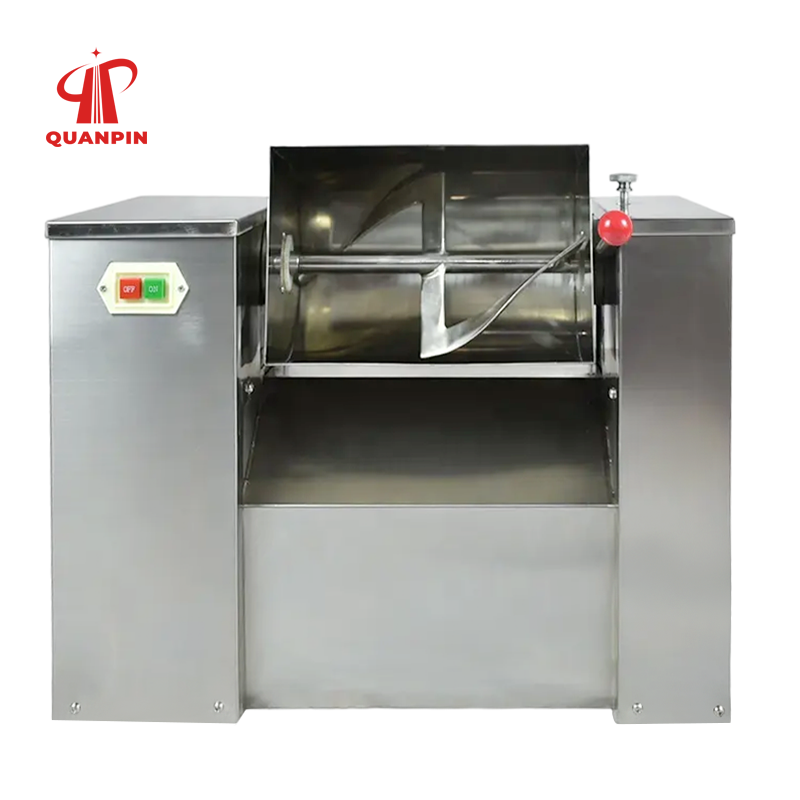
Use the actual formulation when investigating a horizontal trough mixer application. Published foaming experiments provide examples of measurement questions, but do not prove that CH equipment can whip, deaerate or reproduce another apparatus’s aeration conditions.
This article proposes a comparison framework for development work. It supplies no universal aeration target, mixer speed or operating time, and does not replace the food manufacturer’s own process and safety assessments.
Record five conditions around each specimen
Recipe and ingredient state
Record the recipe and the physical state of each ingredient. Dissolved solids, suspended particles and added gases can influence what a specimen contains, so a description limited to total water is insufficient.
Measuring container
State which container defines the measured volume. Record its identification, preparation and filling procedure so that comparisons do not depend on differently shaped scoops or inconsistent surface levelling.
Collection-to-test time
Keep the time from collection to weighing visible. Bubbles may move or the specimen may settle during handling, making delayed and immediate measurements different observations rather than interchangeable repeats.
Extra handling
Note the collection technique and any extra stirring, shaking or compression. Such actions can change the gas retained in the specimen and obscure whether an observed difference originated in mixing or preparation.
Downstream requirement
Define the downstream requirement in concrete terms, such as mass delivered to a specified container or the condition required before transfer. A density measurement should answer that requirement rather than stand alone.
Use density instruments within their validated scope
An original batter study developed a non-contact ultrasonic approach for density measurement in highly aerated systems. Its experimental sensor design and formulations connect the measured signal to a specific material and measurement arrangement.
The original ultrasonic batter-density investigation supports the need for application-specific calibration and validation. It does not establish that any ultrasonic reading measures density accurately in an arbitrary paste or that the sensor is supplied with a CH mixer.
Where density is measured by a container method, document the mass and occupied volume directly. Retain the original readings instead of recording only a derived ratio that hides filling differences.
If an indirect technique is proposed, ask how it was checked against the relevant material and range. Keep the analytical instrument’s capability separate from the mixing machine’s mechanical scope.
Build a repeatable mass-and-volume comparison
Agree the observation point
Agree the recipe and specimen condition that the comparison will address. Decide whether the study concerns immediately collected paste, material after a defined hold, or the state entering a later operation.
Standardize filling
Prepare a repeatable collection and container-filling procedure. Identify actions that might compress the material or introduce additional air, and record unavoidable departures when they occur.
Pair physical observations
Collect paired observations where appropriate: mass per defined volume and a visual description of bubbles or cavities. Neither observation replaces the other, but together they make interpretation more transparent.
Control comparison conditions
Use the same timing and temperature conditions for comparable specimens. If the study intentionally changes either factor, preserve it as a separate experimental variable rather than an undocumented handling difference.
Inspect individual results
Report individual results before relying on averages. A single low-density specimen may reflect a large trapped cavity, while a consistent pattern across specimens may require a broader process investigation.
Check practical relevance
Compare the result with the actual transfer or filling task. Development should establish whether the observed material condition matters operationally, not merely whether a laboratory number changes.
Read three food aeration experiments in context
Foam incorporation and drainage
Aquafaba research compared foam overrun, drainage and texture after different preparation and hydrocolloid treatments. Measuring several outputs made it possible to consider air incorporation and subsequent behaviour as separate aspects of the experimental system.
The aquafaba processing experiment illustrates that producing more foam and retaining its structure are different measurement questions. Its recipe and preparation methods should not be converted into generic instructions for unrelated pastes.
For a paste investigation, decide whether an immediate volume increase or its persistence matters to the next step. A specimen’s initial occupied volume cannot by itself establish how that condition will evolve.
Chemical and mechanical gas contributions
Batter research examining baking powder and leavening acids considered density alongside cake properties. Chemical gas generation and physical incorporation during mixing are distinct contributions to the product’s gas-containing structure.
The original baking-powder and batter study shows why recipe chemistry belongs in a density investigation. It does not demonstrate that every change in apparent density is caused by mixer action or that a change will improve the final product.
When gas-generating ingredients are present, preserve their identity and addition history. Avoid interpreting a comparison as purely mechanical if the formulation or reaction timeline changed between specimens.
Fruit formulations and physical descriptors
A tropical fruit blend experiment evaluated foaming formulations using several physical measurements, including density and overrun. Its scope concerns specific fruit systems, additives and a preparation route intended for subsequent processing.
The original tropical-fruit foam investigation provides an example of reporting more than one gas-related descriptor. A relationship observed within those formulations is not a universal rule connecting low density with stability in all foods.
Use separate evidence for the actual paste’s behaviour. When density and observed persistence disagree, retain the disagreement and investigate the formulation and measurement route instead of forcing both into one quality score.
Connect the observations to mixing and discharge
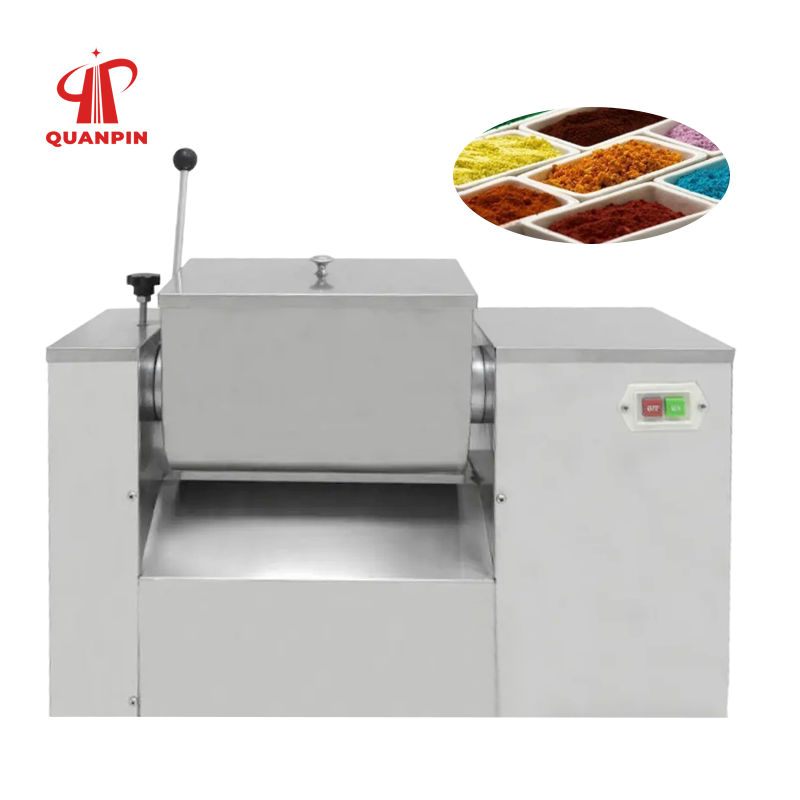
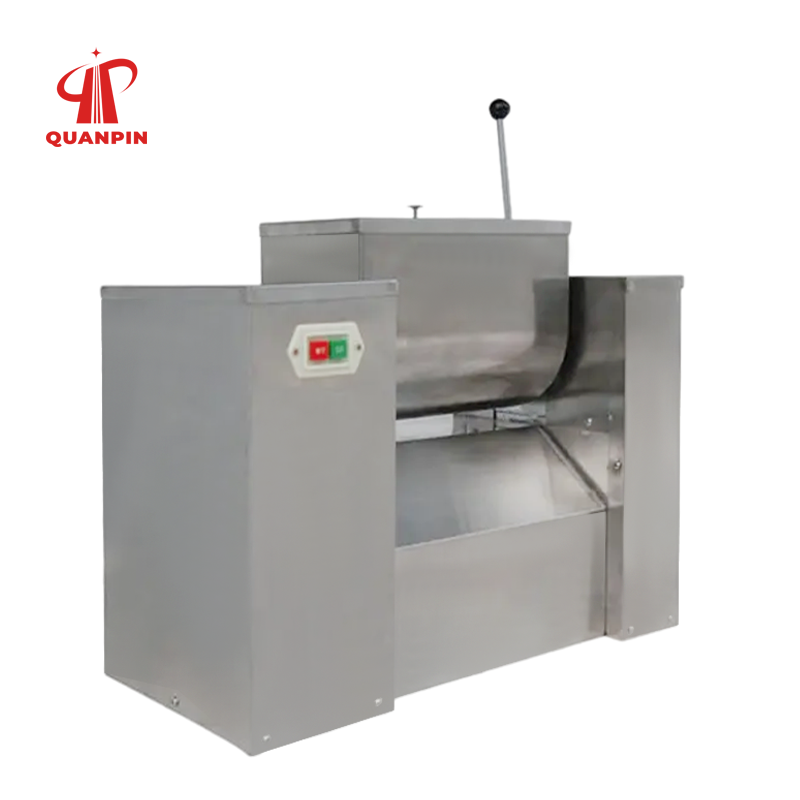
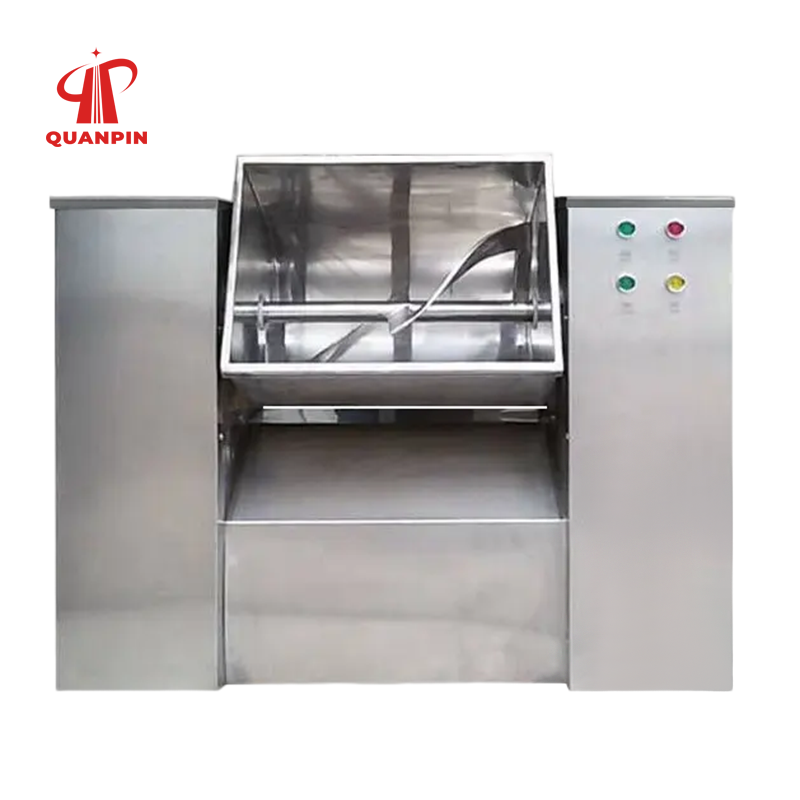
An S type mixer discussion should identify which ingredients must be distributed and what physical condition should leave the vessel. Those objectives can require different observations during a development comparison.
Keep collection location and order on every specimen label. If gas or material structure varies during discharge, pooling samples can hide a pattern that matters for the actual filling sequence.
Distinguish a measured product change from a container-filling change. Repeating the laboratory filling step on the same specimen can help assess that part of the method without pretending to repeat the entire process.
Preserve photographs where they add useful context, but do not use appearance alone to estimate gas fraction. Lighting and viewing angle can conceal small bubbles or exaggerate isolated surface cavities.
Investigate competing explanations without discarding evidence
If density varies while composition measurements remain similar, investigate gas and handling as possible contributors. That is a development hypothesis to test, not proof that the recipe is already correct everywhere.
If composition also varies, retain both investigations. A bubble-related explanation should not be used to dismiss an ingredient-distribution problem that was measured independently.
Prepare the equipment enquiry around actual handling
Supply the recipe, material preparation and intended transfer route with the enquiry. Explain whether air incorporation is desirable, undesirable or simply a condition requiring observation during development.
Describe how the site normally fills and weighs containers. A supplier cannot interpret a proposed mass-per-volume criterion properly without knowing the handling procedure and intended observation point.
Identify any analytical equipment used for indirect density or structure measurements. Its calibration, maintenance and interpretation responsibilities should be established independently of the mixer quotation.
State which operating states require access for observation or sample collection. Confirm that those needs can be met safely for the actual supplied arrangement under the site’s procedures.
Discuss cleaning, product-contact construction and discharge requirements using the real material. A food paste with suspended particles may create different practical questions from a homogeneous liquid, even when both can be weighed in the same vessel.
Keep trial conclusions tied to the tested formulation and arrangement. Adding another thickener, changing preparation or introducing gas-generating ingredients can change the relevance of an earlier comparison.
Keep trial evidence attached to the tested arrangement
An egg-white-hydrolysate experiment measured overrun, air phase and foam density using a defined whipping and observation method. It also examined foam structure, keeping the physical descriptors attached to the preparation used.
The original liquid-egg foaming study is another example of method-specific gas measurements. It does not validate a CH unit as a whipping machine or provide an aeration target for a different recipe.
Assess the product and equipment scope together
A powder and paste mixer proposal should therefore be assessed on its stated duty and actual configuration. Any additional claim about aeration or gas removal needs appropriate evidence for that supplied equipment and product.
A successful comparison links mass, volume, collection history and the downstream requirement. If one of those remains undefined, improve the study before using its density result as an equipment acceptance decision.
Frequently Asked Questions
Does lower density prove a recipe change?
No. Apparent density includes the occupied volume under the measuring conditions, which may include gas. The result needs a clear specimen preparation and volume definition before its cause can be interpreted.
Does equal density establish uniformity?
Not by itself. Similar mass-per-volume values can occur with different ingredient distributions or bubble structures. Use the measurements appropriate to each quality question and retain their separate purposes.
Can published foaming settings be copied?
No. The research uses particular formulations and experimental apparatus. It helps identify useful observations but does not establish an operating recipe or gas-handling capability for the supplied CH configuration.
What information belongs with a result?
Record the container, filling method, specimen mass, timing, temperature and collection technique. Include relevant observations of cavities or settling so that another reviewer can understand how the result was obtained.
Is less retained air always preferable?
Not necessarily. Some foods are intentionally aerated, while other processes need a different material condition. Define the actual filling or transfer requirement before deciding which direction is desirable.
What should an enquiry include?
Provide the actual formulation and handling route, the intended gas condition and the proposed measurement method. Confirm the supplied equipment scope before treating a general mixing demonstration as a density-control qualification.
Discuss Your Paste Mixing Application
Discuss the material, processing objective and required trials with QUANPIN. Review the equipment information and the relevant industry applications, or send an enquiry through our contact page.
Email sales@qpdryer.com or stacie@qpdryer.com. Call +86 19850785582 or contact WhatsApp +86 15921493205 to discuss the proposed scope.
For process evaluation, consider the pharmaceutical trough mixer for batch mixing of suitable powders or pastes; and the ribbon blender for ribbon-driven mixing of suitable powder batches. Confirm suitability with representative material, the required product properties and the proposed process conditions.