Soybean Powder Grinding: Keep Dry Milling Results Separate from Wet-Grinding Reactions
By QUANPIN
A soybean powder grinding machine enquiry must state whether the intended product is dry flour or a wet soybean preparation. Both routes reduce material size, but they create different conditions and require different evidence.
A pulverizer machine enquiry should identify whether the intended duty is dry soybean powder preparation or a separate wet-processing operation. The feed condition and later food process determine which observations a trial must establish.
Define the Intended Material State
Dry milling produces material for a powder-handling objective. Define the incoming condition, required distribution and intended subsequent food operation before comparing equipment.
Wet grinding introduces a different material environment. Water addition and the subsequent food preparation belong in its interpretation rather than being omitted from a milling comparison.
Describe Soybean Composition and Feed Condition
Soybean contains oil and other constituents that can influence its response during processing. A nominal particle-size target does not describe all relevant feed properties.
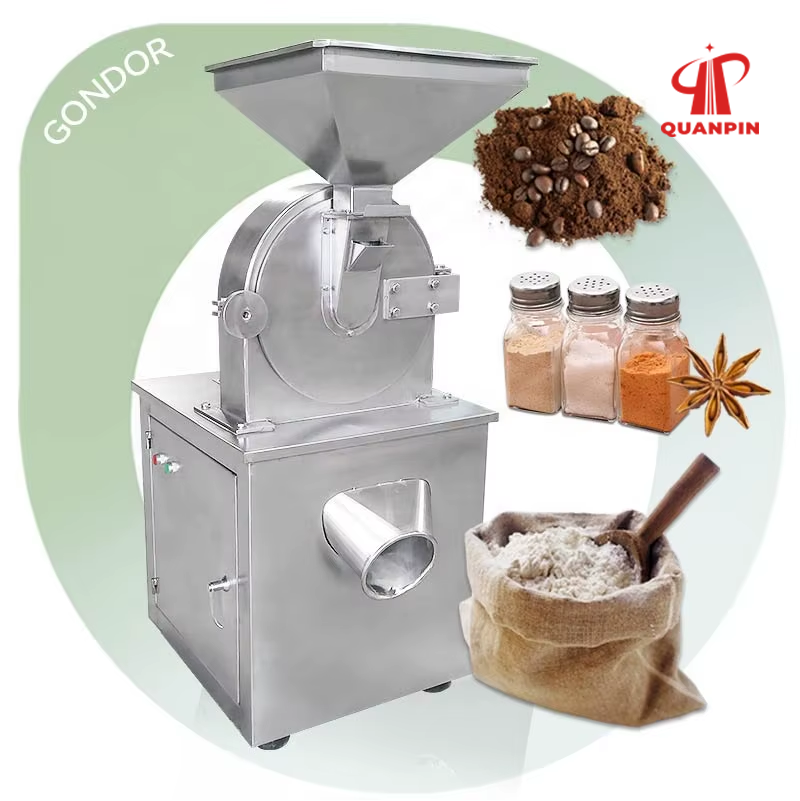
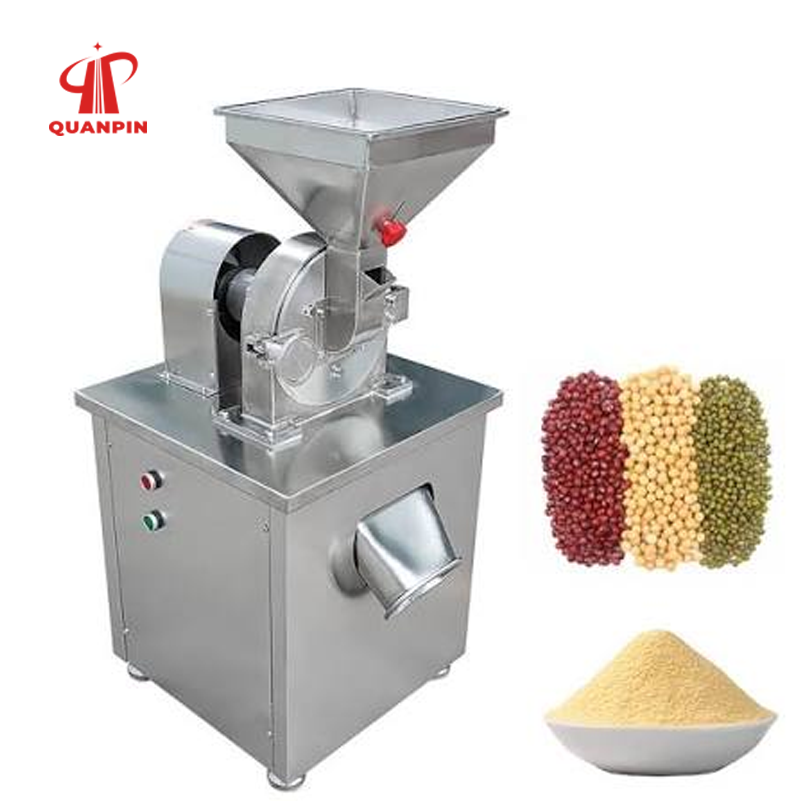
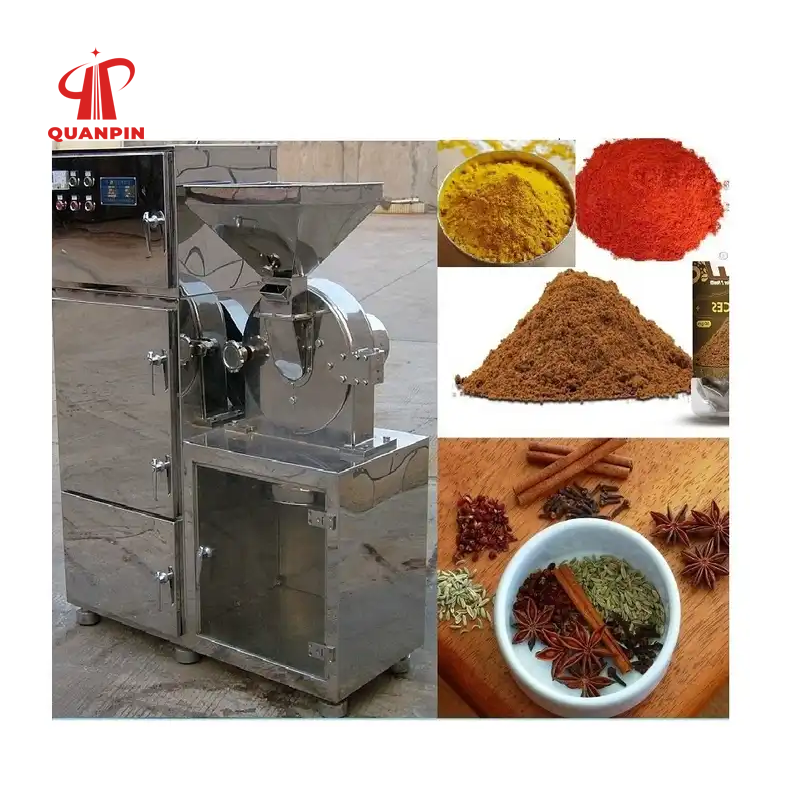
Review an industrial pulverizer using representative material. The fact that another apparatus processes soybeans does not establish that its mechanism or product objective matches the proposed system.
Five Inputs for a Meaningful Comparison
Material identity
Record the soybean grade and preparation history. Whole, mechanically de-oiled and previously treated material should not share an assumed incoming condition.
Water condition
State whether the feed is dry or water-conditioned. Keep added water and its timing visible where wet preparations are being discussed.
Size objective
Define the desired powder dimensions and measurement method. A dry flour distribution and a wet dispersion result may represent different measured entities.
Food endpoint
Name the food attribute being evaluated separately from fineness. Dispersibility, colour, flavour-related chemistry and texture are different endpoints.
Equipment boundary
Identify the equipment and subsequent processing steps. Do not assign an outcome from the complete food preparation solely to the grinding chamber.
Read Dry Pin-Milling Evidence within Scope
An original Wageningen soybean pin-milling study investigated oil content together with milling yield, particle size, energy use and flour dispersibility.
The investigators compared soybean with mechanically de-oiled material. Their results show why the actual feed composition belongs in a dry-milling comparison.
The experiment used a research pin mill. Its observed relationship is not a validated capacity, setting or product guarantee for a proposed QUANPIN pulverizer.
A universal pulverizer enquiry should therefore preserve feed condition and the actual food objective. Similar ingredient names alone do not make two experiments equivalent.
Six Boundaries in the Evaluation
Incoming material
Identify the material before preparation. Record which operations have already changed the soybean and which remain part of the proposed process.
Confirmed mill
Confirm the dry milling arrangement with QUANPIN. Do not assume the system includes soaking, solvent treatment or another preparation operation mentioned in research.
Collected powder
Collect identified powder for the intended analyses. State which run and collection condition each specimen represents.
Water addition
Describe any water added during a separate evaluation. A dispersibility test and a wet-grinding process introduce water at different stages.
Separate analyses
Perform each food-property measurement using an appropriate method. A favourable result for one endpoint should not silently replace another required attribute.
Evaluated stage
Interpret the results at the stage actually evaluated. Dry powder, soymilk and coagulated tofu represent different material states and processing histories.
Separate Size, Chemistry and Food Function
Particle-size evidence
A size result describes the particles or dispersed entities resolved by its method. Keep the analytical preparation beside the reported distribution.
Do not infer a chemical reaction from size reduction alone. Mechanical preparation can change access to components, but a particular reaction needs suitable evidence.
Where dispersibility matters, specify its evaluation conditions. A powder that disperses under one laboratory method has not thereby demonstrated every intended food use.
Chemical evidence
Wet preparation can expose components to water and to the conditions of the complete grinding procedure. Its resulting chemistry should be assessed within that environment.
An original soybean-grinding and tofu investigation examined grinding temperature, sulfhydryl-related measurements, peroxide observations and subsequent firmness.
Its interpretation concerned an enzyme-related oxidation mechanism in the investigated wet preparation. It does not prove the same response in dry soybean flour.
Food-function evidence
A downstream texture test measures the prepared food under its defined process. It is not a direct measurement of the dry mill’s particle-size performance.
Retain heating, filtration and coagulation conditions where they belong to the experiment. Removing those stages from the description can overstate what grinding alone established.
Choose the evaluation appropriate to the intended product. A dry-flour purchase and a soymilk-development study need not share the same acceptance endpoint.
Keep Special Pre-treatment Explicit
An original subzero pre-treatment investigation examined grinding characteristics of soybean and black soybean after defined preparation conditions.
The researchers assessed particle dimensions and physical changes using their own apparatus. The study distinguishes a pre-treatment from the subsequent grinding operation.
It does not establish that a standard QUANPIN system includes refrigeration or can reproduce the reported response. Confirm the actual supplied equipment scope.
If a preparation change is proposed, evaluate its contribution separately. Do not describe a result obtained after special pre-treatment as an unqualified property of the mill.
Interpret Wet-System Colour Evidence
An original soybean-grinding colour study compared normal soybean seeds with material lacking the investigated lipoxygenase isozymes during soymilk preparation.
Its observations linked colour changes with the studied wet-system chemistry. They should not be applied as a universal visual indicator of dry powder quality.
Investigate Route-Specific Differences
If dry-milling results differ between soybean lots, review composition and preparation first. Preserve the actual comparison rather than assuming only the equipment changed.
If a wet food develops a different colour, investigate the wet preparation and relevant chemistry. A dry flour size curve cannot independently identify the cause.
If the intended route includes both powder preparation and later hydration, define the handover between them. Each stage needs the observations relevant to its own duty.
An original soybean oil-body reaction study examined model systems to understand substrate accessibility and enzymatic flavour-related reactions in soymilk.
Its extracted oil bodies and defined enzyme systems provide mechanistic evidence. They are not a representative test of a dry grinding machine or an unmodified whole-soybean process.
Keep that distinction when discussing possible reaction pathways. A mechanistic explanation does not supply a measured flavour outcome for a proposed equipment installation.
Prepare the Food-Powder Enquiry
Prepare the enquiry with incoming soybean condition, desired dry powder and the actual receiving operation. Identify any subsequent wet-food trials as separate evaluation work.
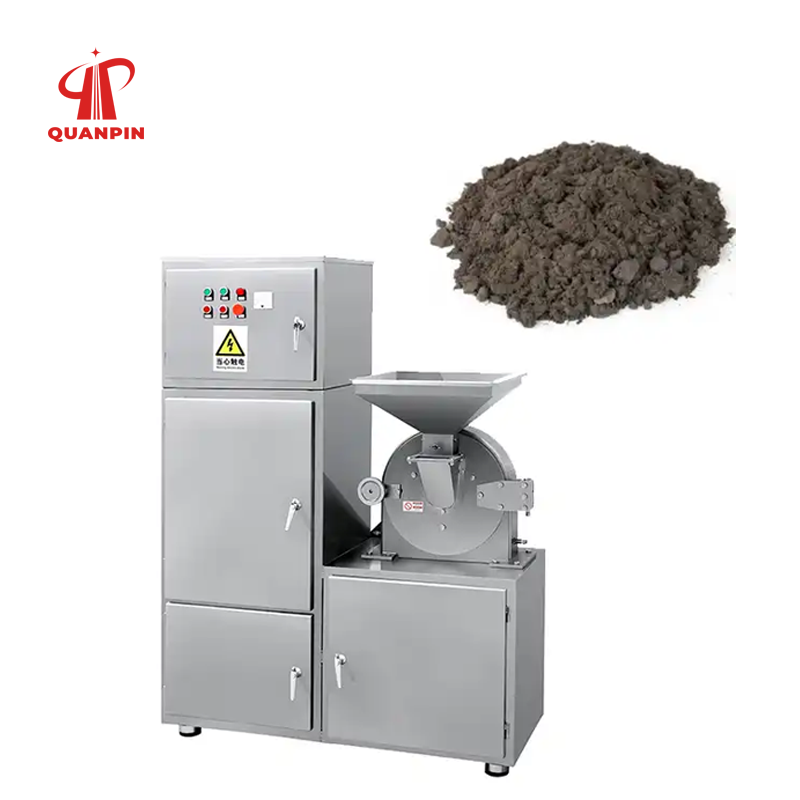
Review the High-Efficiency Pulverizer Unit against that material-specific duty and the relevant food industry application. Confirm suitability through an appropriate representative trial.
Retain the Actual Processing Context
Retain the material state, preparation, equipment and analytical method with each result. A shared ingredient name does not make dry and wet experiments interchangeable.
A useful recommendation identifies the demonstrated powder-processing duty and any food-chemistry questions still unresolved. It should not promise a wet-food outcome from dry-milling evidence.
Frequently Asked Questions
Are dry and wet grinding interchangeable?
No. Both reduce material size, but their material environments and subsequent processing differ. Identify the route and product objective explicitly.
Can soymilk colour describe dry flour quality?
No. Colour observations from a wet enzymatic system do not independently measure the suitability of a dry soybean flour.
Does pre-treatment research establish mill capability?
No. Pre-treatment and grinding are separate operations. Confirm whether any special preparation equipment is included before attributing its effect to the pulverizer.
Does one soybean grade represent all feeds?
No. The studied pin-milling response depended on the material and arrangement. Assess the actual feed rather than treating every soybean grade identically.
Can model systems predict a finished product?
No. Model-system chemistry explains a defined mechanism under its conditions. A real product requires its own appropriate evaluation.
What should the enquiry include?
Provide soybean identity, incoming condition, prior preparation, dry powder objective, receiving process and required analyses. Identify separately any later hydration or wet-food development.
Discuss Your Soybean Powder Trial
Discuss the material, processing objective and required trials with QUANPIN. Review the equipment information and the relevant industry applications, or send an enquiry through our contact page.
Email sales@qpdryer.com or stacie@qpdryer.com. Call +86 19850785582 or contact WhatsApp +86 15921493205 to discuss the proposed scope.