Coffee Spray-Drying Trials: Separate Reconstitution Aroma Bursts from Static Headspace Results
By QUANPIN
A coffee powder can produce a brief aroma burst during reconstitution and a different profile when sampled later in a closed vial. Those observations need not contradict each other.
When reviewing samples from a centrifugal spray dryer trial, define whether the laboratory measures rapid release after water addition or an established headspace condition. Review our food processing applications.
Choose the Aroma Event before Comparing Results
Dynamic monitoring follows change over time. Static headspace sampling observes volatiles under a specified preparation, equilibration and collection procedure.
The first question is therefore about the measurement objective. Comparing two traces without their preparation conditions can turn an analytical difference into an apparent process problem.
Define the Reconstitution Reference
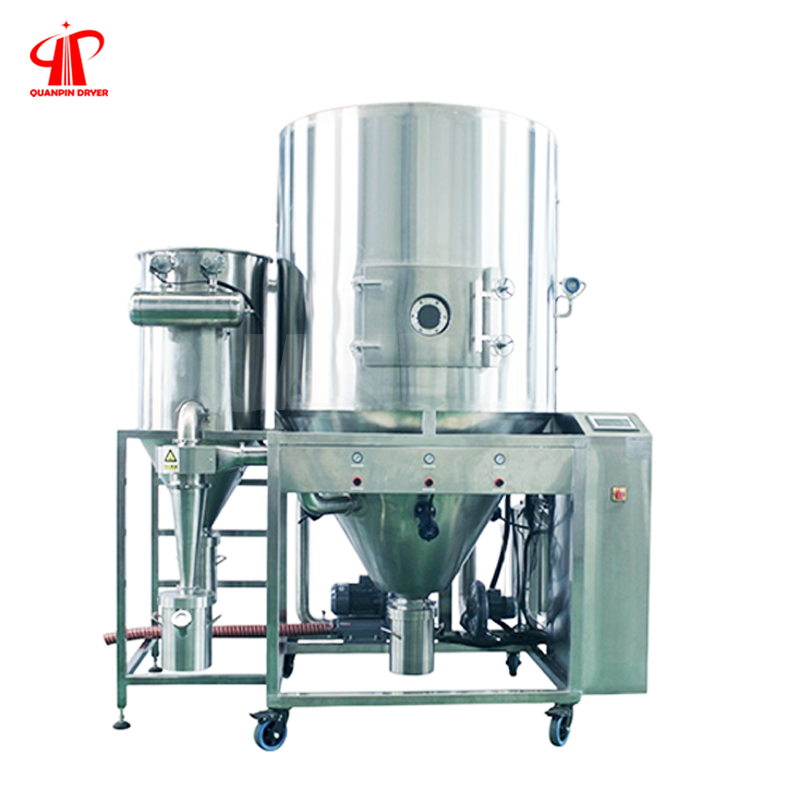
The centrifugal spray dryer working principle explains powder formation from a liquid feed. It does not prescribe how a laboratory should measure aroma after the powder is reconstituted.
Keep powder-production observations separate from the beverage-preparation method. A laboratory comparison needs an explicit reference, preparation sequence and sampling time.
Five Conditions to Record with Each Sample
Powder identity
Identify the retained powder and the trial fraction it represents. A comparison loses meaning if the two laboratories unknowingly receive different collected material.
Preparation basis
Define powder and water quantities using the agreed preparation basis. If concentrations differ, an apparent aroma difference may include a formulation difference.
Temperature history
Record the water condition at addition and the subsequent temperature history. The intended consumer preparation and the analytical method should be described accurately.
Timing reference
Define when timing begins: water contact, completion of mixing or another stated event. Different starting points can change the meaning of an early signal.
Vessel arrangement
Record the vessel, closure and sampling arrangement used. A changing open-cup headspace and a later closed-vial sample describe different environments.
Aroma Release Changes with Sampling Time
Original instant-coffee research developed a reproducible reconstitution arrangement coupled to real-time volatile monitoring. It observed rapid release immediately after hot water addition followed by changing headspace signals. See Original instant-coffee reconstitution aroma-release experiment.
That experiment demonstrates why sampling time is part of the result. It does not provide a universal aroma target for every coffee powder.
A delayed measurement may miss an early event even when the sample contains the same original powder. Avoid interpreting that difference as evidence of manufacturing loss without further investigation.
Ask the laboratory to identify which event its method captures. A practical report should make the relationship between preparation and collection easy to follow.
Make Repeated Preparations Comparable
Retained sample identity
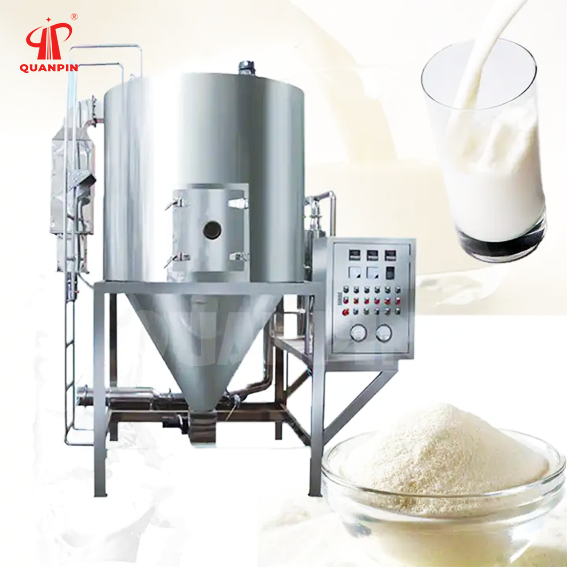
A high speed centrifugal spray dryer trial may provide several retained samples. Apply the same agreed reconstitution procedure before comparing their measured volatile profiles.
Preparation sequence
At the first comparison, align the preparation sequence rather than selecting a preferred peak. Changing preparation and powder simultaneously prevents a simple explanation.
Repeatable instructions
For repeated preparations, keep the method sufficiently clear for another analyst to reproduce. An instruction such as prepare normally leaves important conditions undefined.
Reconstitution mixing
Where mixing is used during reconstitution, describe it as part of sample preparation. Do not assume that all laboratories create the same initial beverage condition.
Separate observations
Retain observations of incomplete dissolution or unusual foam separately from the volatile trace. They may be relevant without representing the same analytical property.
Departures from the plan
If a preparation deviates from the plan, identify the actual event before averaging it with other results. A visibly different preparation should not become an unexplained replicate.
Connect Preparation Stages with Analytical Scope
Receipt and preparation
At powder receipt, preserve identity and packaging information relevant to the comparison. A sample changed during handling may no longer represent the intended trial condition.
At water addition, record the chosen reference event and preparation conditions. The timing description should support interpretation of the earliest observations.
During mixing, retain the sequence actually used. If sampling begins during preparation, explain which parts of that changing system the method observes.
Equilibration and collection
During equilibration, identify the intended hold and vessel condition. A defined laboratory procedure is different from a claim that every volatile reached the same state.
During collection, describe the sampling technique and duration. An integrated collection and a rapidly changing signal cannot be compared as though they were identical measurements.
During analysis, preserve how compound responses were identified and expressed. Report the method’s actual scope instead of calling every chromatographic peak complete coffee aroma.
Interpret the published method
Original research compared cold-brew and hot-extracted coffees using a defined headspace SPME GC-MS procedure. The preparation was identified alongside its analytical method. See original coffee-preparation analytical comparison.
These were prepared coffee beverages rather than a QUANPIN dryer trial. Their procedure illustrates the need to identify sample preparation without treating its conditions as universal.
A volatile profile is conditional on the preparation and extraction method. The absence of a reported peak does not independently prove that a compound was absent from the powder.
Interpret Response Bases and Collection Methods
Ask whether a result is a calibrated amount, an internal-standard response or a relative peak area. Those reporting bases answer different quantitative questions.
Where analysts compare profiles, retain compound identities and the stated calculation basis. A larger total signal can conceal changes among the components being investigated.
Original research on roasted-coffee grinding compared dynamic SPME collection with conventional static sampling. The released volatile context and observed profiles differed between procedures. See Original dynamic grinding-headspace SPME experiment.
That work concerns grinding headspace, not drying conditions. It provides a useful example of why the event being sampled belongs beside the analytical result.
Match the Method to the Aroma Question
Do not infer that a static method is universally inferior to a dynamic one. Select the approach that addresses the intended question with suitable supporting evidence.
If the objective is a rapid aroma event, choose a method capable of observing that event. If the question concerns a later prepared beverage, define that condition explicitly.
Preserve Preparation History and Process References
An original single-origin coffee experiment profiled samples with different roast preparations using SPME GC-MS and chemometric analysis. Its observed profiles reflected the studied material histories. See original single-origin coffee volatile-profile study.
This work concerns defined roasted-coffee samples, not a comparison of extraction fibres. It supports recording preparation history when interpreting the measured profile.
Record both the preparation history and the extraction procedure used. Changing either while comparing powders requires a clear account of the actual experimental difference.
Original Robusta instant-coffee research analysed brew, concentrate and dried products as distinct stages. It illustrates why the reference material must also be identified clearly. See Original Robusta soluble-coffee volatile comparison.
A powder result relative to concentrated feed and a result relative to original brew use different process boundaries. Retain that distinction before attributing a measured difference to drying.
For supplier discussions, state whether the unresolved issue is powder manufacture, beverage preparation or analytical comparison. Different questions may require different experimental arrangements.
Identify the Supplier and Laboratory Scope
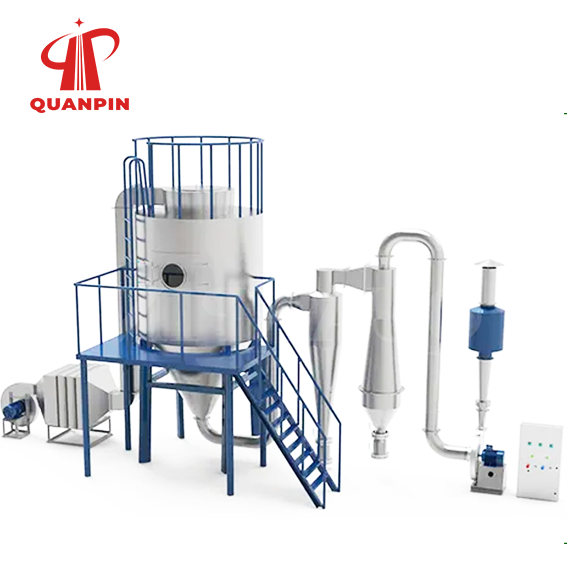
A centrifugal spray dryer design brief can identify the trial samples needed for later analysis. Confirm the actual sampling interfaces without claiming an unverified aroma-monitoring feature.
When comparing centrifugal spray dryer price proposals, specify who prepares retained samples and who performs analytical work. Undefined laboratory responsibilities cannot be resolved by a quotation total.
Report the Sample and Sampling Window Together
Send QUANPIN the feed description and the sample comparison question. Give the analytical laboratory the intended preparation event and reporting basis as well.
A useful report connects each result to a powder identity, preparation sequence and sampling window. That connection makes a disagreement between measurements scientifically discussable.
Frequently Asked Questions
How do dynamic and static methods differ?
A dynamic signal tracks change during an event, while a static headspace method uses specified preparation and collection conditions. Define which question each result answers.
Does a lower later signal prove a drying loss?
Not necessarily. The early release event and the later sampled condition differ. Review timing and method before concluding that the manufacturing process changed.
Why record preparation temperature?
Because temperature history is part of the prepared sample condition. Record the method used without assuming one published laboratory temperature suits every product.
Are relative areas and aroma preference equivalent?
Not automatically. Their reporting bases differ, and a larger selected response does not independently establish preference or complete sensory quality.
Can one published method be used universally?
No. Published analytical procedures concern particular samples and objectives. Confirm suitability for the intended preparation rather than copying an unexplained method choice.
What should a comparison report contain?
Provide powder identity, preparation quantities, temperature history, timing reference, vessel arrangement, sampling method and response basis. These details allow laboratories to interpret the actual comparison.
Discuss Your Coffee Drying Trial
Discuss the intended material and trial requirements with QUANPIN equipment details. Visit QUANPIN or our contact page to agree the enquiry scope.
Email sales@qpdryer.com or stacie@qpdryer.com. Call +86 19850785582; WhatsApp: +86 15921493205.
For process evaluation, consider the centrifugal spray dryer machine for centrifugal atomization of suitable liquid feeds. Confirm suitability with representative material, the required product properties and the proposed process conditions.