Hopper Mixer for Pharmaceutical Powders: Check Empty-Hopper Readiness after Idle Storage
By QUANPIN
A hopper mixer that has stood empty between campaigns needs a documented readiness review before pharmaceutical powder is charged. An empty vessel is not necessarily a released vessel.
The practical question is what happened after cleaning: where the hopper waited, how its openings were protected and whether subsequent handling changed its status. Explore our pharmaceutical processing applications.
What Happened after the Last Cleaning?
Consider an empty bin moved from a cleaning area to temporary storage. Its previous release record remains important, but later exposure also deserves review.
The hopper mixer machine enquiry should describe this complete route, because the installed blender and the mobile container may have different handling responsibilities.
Separate Cleaning from Storage Protection
Begin by identifying the actual hopper. A familiar appearance or parking position does not replace the equipment identity in the cleaning and use records.
Establish the last documented operation. Cleaning, inspection, maintenance and movement can each contribute information needed to understand the present condition.
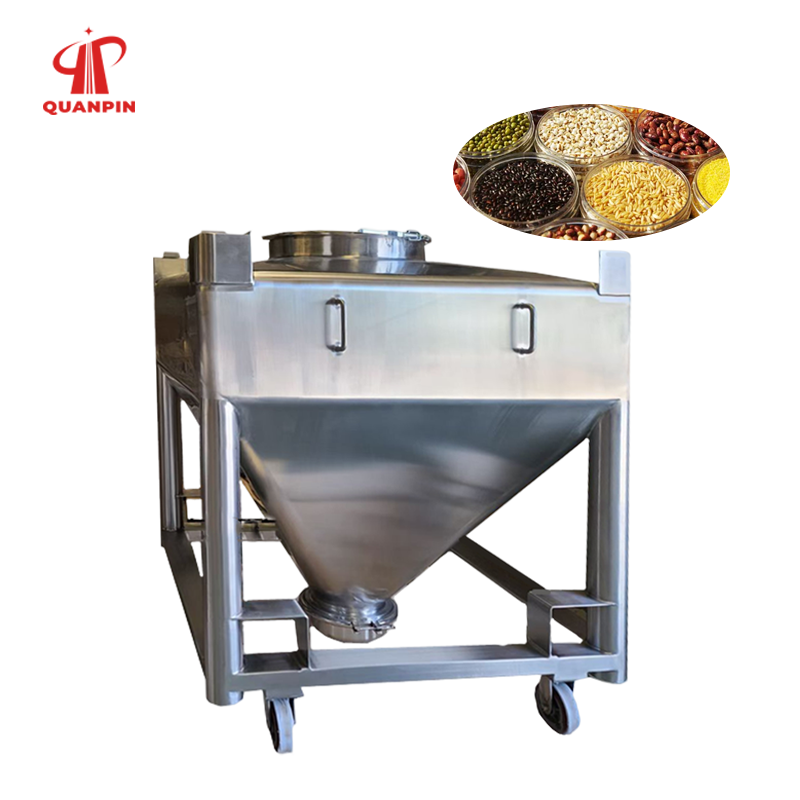
Five Checks before the Next Charge
Equipment identity
Identify the applicable procedure and its approved criteria. Do not invent an idle-storage allowance merely because the production schedule has changed.
Latest recorded operation
Check whether the recorded status remained applicable throughout storage. A protective arrangement disturbed during movement requires assessment through the site’s procedure.
Applicable procedure
Assign the readiness decision to the authorized role. Production convenience should not turn an unresolved equipment condition into permission to charge material.
Status continuity
A clean status concerns the outcome of a defined procedure. Storage protection concerns what happened to the equipment after that procedure was completed.
Release responsibility
An inspection immediately after washing cannot describe a later exposure automatically. Keep the cleaning evidence and subsequent handling history connected.
Records Must Describe the Actual Condition
The bin blender supplier can clarify equipment geometry and supplied closures. The pharmaceutical operation establishes its approved cleaning, storage and release arrangements.
Avoid equating visible cleanliness with every required acceptance criterion. Inspection, analytical evidence and documentary checks answer different questions within a defined programme.
When evidence is missing, preserve the uncertainty. A retrospective statement that the hopper probably stayed closed does not reconstruct an observed handling history.
At the cleaning exit, identify the container and its approved state. Ensure the relevant record remains accessible after the hopper leaves that area.
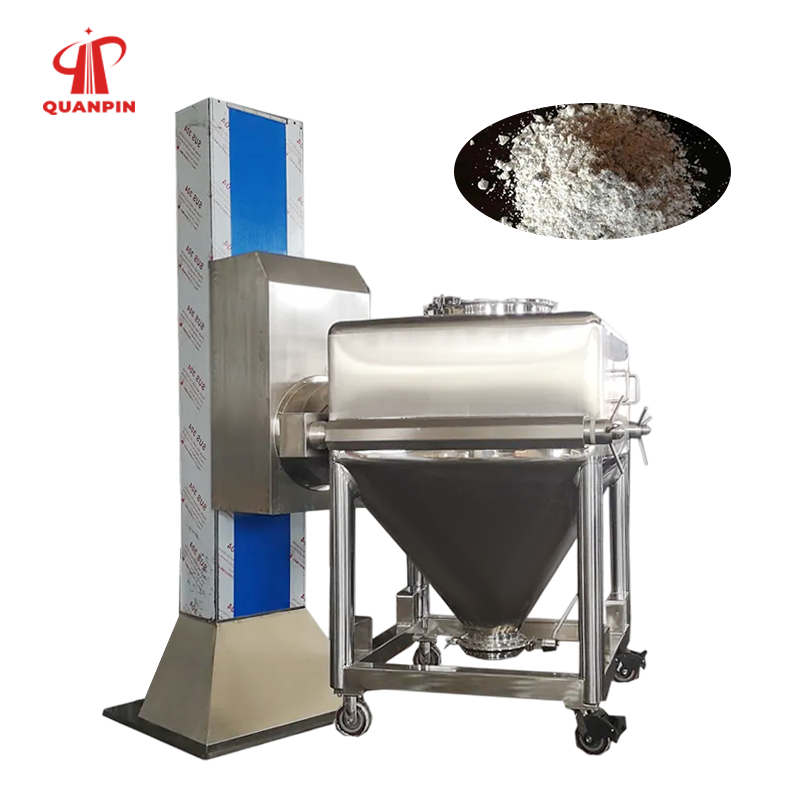
Follow Six Equipment Handling Points
Cleaning-area exit
During transfer, use the planned route. Temporary parking beside another operation can introduce circumstances absent from the normal equipment-flow description.
Transfer route
At storage, protect the relevant openings under the approved arrangement. Define responsibility for maintaining that protection rather than relying on informal expectations.
Storage protection
Before movement to production, check for events that could affect status. An opening, repair or unexpected exposure should not disappear during a shift handover.
Return to production
At docking, compare the actual container identity with the production instruction. Confirm the receiving connection and intended material route before charging begins.
Docking identity
After use, update the equipment record promptly. The next team needs to understand the latest operation rather than inherit an obsolete ready-for-use label.
After-use record
Map where the empty hopper waits between campaigns. Include corridors, staging areas and any separate room used when the usual storage space is occupied.
Review the Supplied Hopper Interfaces
Map temporary parking
Describe the protective components proposed for that route. Distinguish the supplied equipment scope from covers or handling provisions provided by the customer.
Ask how operators inspect the relevant condition without creating a new exposure. Access that helps inspection also needs a defined operational method.
A powder blender review should identify product-contact boundaries separately from external support structures. Different surfaces may have different cleaning and inspection requirements.
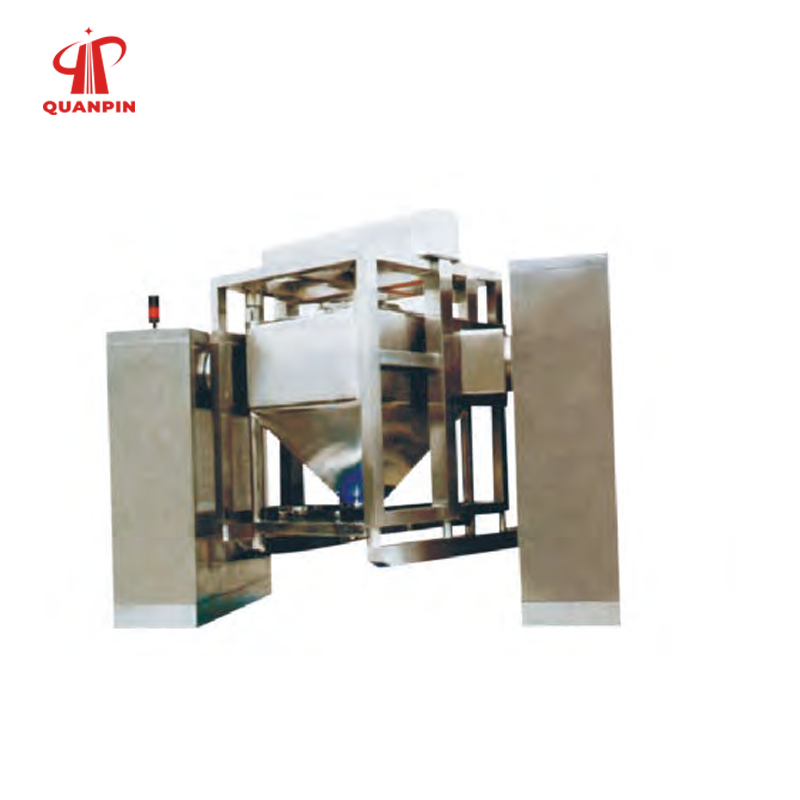
Identify product-contact boundaries
Maintenance access deserves its own assessment. An activity outside the product-contact space can still change equipment condition or require additional checks before use.
Where a component is removed, preserve its identity and status. Reassembly should not introduce an untracked part simply because it fits the connection.
The powder mixer model name does not establish an approved storage period. The actual procedure must reflect equipment configuration and the operation’s evidence.
Clarify supplied scope
The enquiry should explain whether containers remain fixed or move between rooms. This influences which interfaces and handling arrangements need confirmation.
Discuss the proposed cleaning and inspection access with QUANPIN. Request confirmation of supplied features without assuming an illustration defines the final assembly.
An equipment proposal becomes more useful when it identifies who supplies each closure, transfer connection and storage accessory mentioned in the planned route.
Evidence for Cleaning and Storage Decisions
FDA described missing cleaning-validation evidence at Sklar in a December 2025 warning letter. This historical inspection example illustrates why a stated cleaning procedure needs supporting evidence; it makes no finding about QUANPIN. See FDA Sklar inspection findings on cleaning evidence.
The storage review should consider the actual environment and protection. FDA oral-liquid inspection guidance illustrates documenting equipment routes and cleaning procedures; its dosage-form-specific provisions are not powder-blending acceptance criteria. See FDA oral-liquid inspection guide on documented equipment routes.
An April 2024 FDA warning letter to Sani-Care identified inadequate cleaning studies and procedures. This separate historical example supports reviewing the actual cleaning programme; it does not prescribe a hopper storage duration. See WHO TRS 1033 cleaning-validation discussion.
Maintenance records can explain an interruption in released status. Keep the work performed and the subsequent readiness decision traceable to the same equipment. See FDA Sani-Care inspection findings on cleaning procedures.
Respond to Changes during the Idle Period
General manufacturing guidance supplies a framework. It does not provide a universal clean-storage duration or prove that a particular hopper is ready for pharmaceutical use.
If the planned storage location changes, assess the new route and environment. A temporary move can alter the assumptions behind an established procedure.
Connect Training and Equipment Disposition
If protection is damaged, record the observation and hold the equipment as required. Replacing a cover does not by itself resolve the earlier exposure.
If maintenance occurs during the idle period, identify the affected equipment and relevant work. Determine subsequent checks through the site’s approved arrangements.
If identity or status information conflicts, stop the proposed charge. Resolve the discrepancy using the controlled records instead of selecting the most convenient label.
Train staff to report events that can change status. A handover should describe what occurred, when it occurred and which equipment was involved. See FDA dosage-form manufacturer inspection guide.
Scheduling should allow time for readiness decisions and any required corrective work. A delayed production start does not establish that a shortcut is acceptable.
Retain the disposition of equipment that was held as well as equipment accepted for use. Both outcomes explain how readiness decisions were reached.
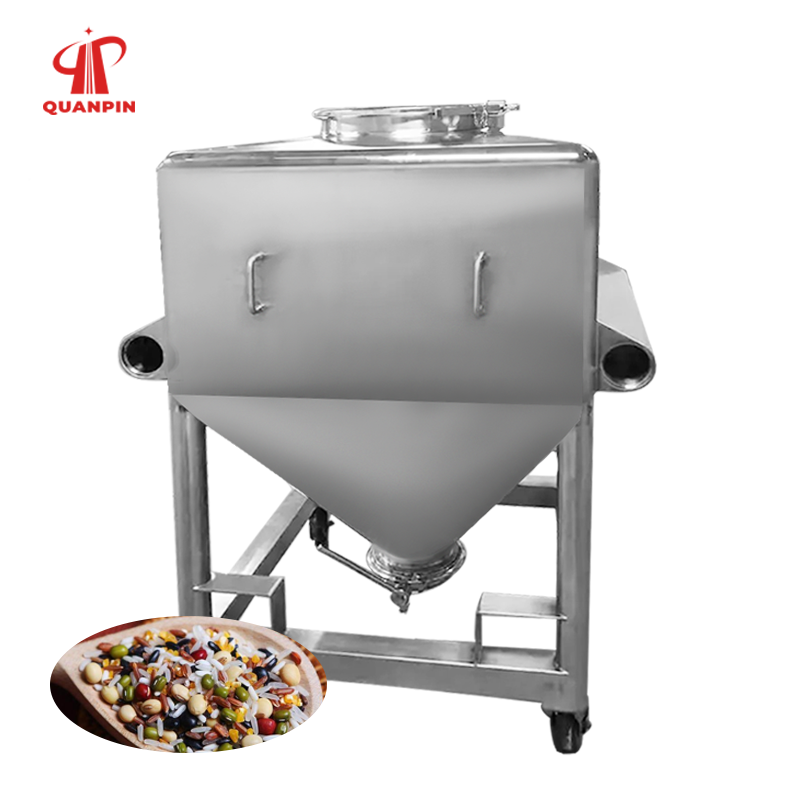
Prepare the Hopper-Mixer Enquiry
Send QUANPIN the intended pharmaceutical powder duty and container route. Include the proposed cleaning, parking and docking arrangements relevant to the equipment interfaces.
Request confirmation of the supplied configuration, access and connections. Keep site-specific validation and operational decisions within the pharmaceutical quality system.
Keep the Approved Arrangement Current
A clear enquiry separates mechanical questions from the evidence needed to authorize use. This helps the supplier respond without implying unverified compliance or performance.
Keep the agreed arrangement current when containers, protection, rooms or handling methods change. Review the impact on procedures and records through the appropriate process.
Frequently Asked Questions
Does empty mean ready?
No. Empty describes the absence of the intended batch; it does not demonstrate cleaning acceptance, protection during storage or authorization for the next charge.
Does an old clean label settle readiness?
Not automatically. The operation needs to establish that the recorded condition remained applicable after subsequent handling, storage and any intervening work.
How should status be communicated?
Use the approved equipment-identification and status system. Ensure the information refers to the actual hopper and agrees with the relevant controlled records.
Is there a universal idle period?
There is no universal idle period established by a hopper mixer name. The site’s supported criteria and approved procedures govern the readiness assessment.
What follows damaged protection?
Record the observation, preserve equipment identity and follow the site’s hold and assessment procedure. Replacing a damaged protective component alone does not explain past exposure.
What should the enquiry include?
Provide the powder duty, hopper identity scheme, cleaning approach, storage route and proposed connections so the supplied equipment interfaces can be reviewed clearly.
Discuss Your Hopper Handling Route with QUANPIN
Discuss the QUANPIN HLD hopper mixer with QUANPIN. Use our contact page or the enquiry form to explain the intended food application.
Email sales@qpdryer.com or stacie@qpdryer.com. Call +86 19850785582, or contact us on WhatsApp: +86 15921493205.
For process evaluation, consider the single-arm lifting hopper mixer for lifting and blending in a single-arm hopper arrangement. Confirm suitability with representative material, the required product properties and the proposed process conditions.