Spin Flash Dryer for Pigments: Keep Product Specifications Distinct from Occupational Exposure Information
By QUANPIN
Pigment drying enquiries often include both a desired powder specification and information about employee exposure.
For a spin flash dryer, connect the material identity to the processing duty while assigning workplace exposure questions to competent reviewers. See chemical industry applications.
XSG Processing and Chemical Information Boundaries
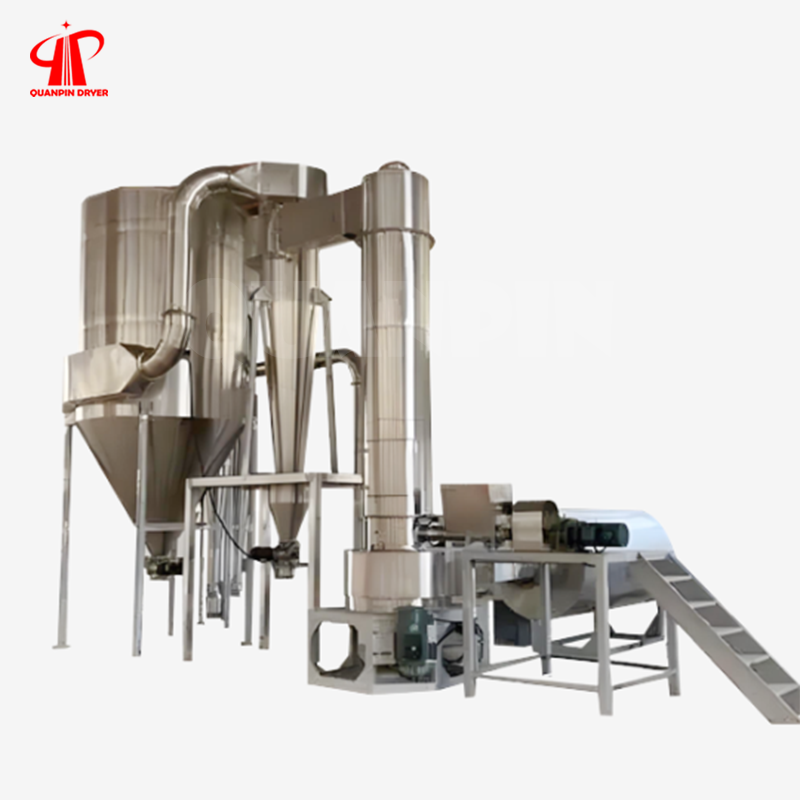
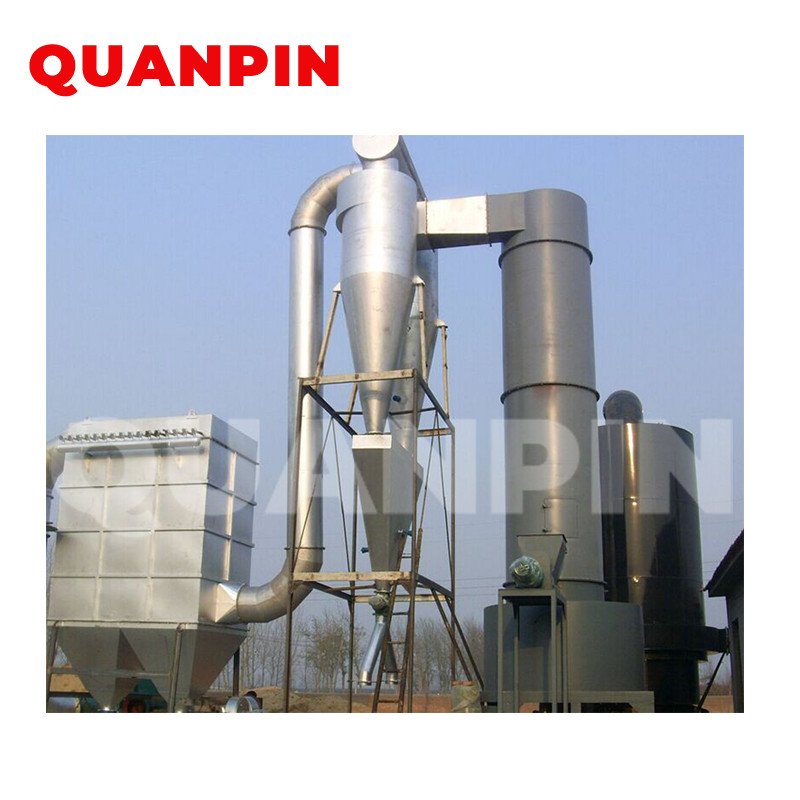
The verified XSG arrangement combines mechanical dispersion and hot air for suitable wet powders, filter cakes or pastes.
Its processing description does not establish the chemical classification of every pigment or determine the exposure experienced at a customer’s workplace.
Identify the Actual Formulation and Material Condition
Identify the actual pigment formulation and available material information, including whether the name describes a pure substance or a prepared mixture.
State the received form and the recovered powder form.
Five Steps for the Application Review
Identify material and documents
First, identify the material and documents supplied for review.
Describe drying and recovery
Second, describe the drying and recovery boundary. Distinguish product collection from subsequent transfer, packing and other workplace activities.
Separate exposure and product information
Third, identify known exposure-related information and its purpose. Do not relabel an occupational reference value as a powder-quality acceptance limit.
Assign workplace review
Fourth, ask the responsible site team to review applicable communication, engineering and personnel-protection arrangements for the real workplace.
Confirm scope and open questions
Finally, separate confirmed equipment features from assumptions about the customer’s exposure-control program and unresolved technical questions.
Product Quality, Employee Exposure and Material Communication
A product specification might state a desired moisture or particle property.
An occupational exposure reference concerns the relevant agent and workplace conditions. Occupational exposure limits concern employee exposure and must not be presented as dryer performance ratings. See 2024 published CFR: OSHA air contaminants.
Similarly, a safety data sheet communicates material hazards without documenting the complete performance of a particular installed collection system.
Keep these boundaries visible so chemical powder drying discussions do not confuse product acceptance with workplace exposure assessment.
Equipment and Process Interfaces
Material file
The material file identifies the actual pigment and relevant constituents.
Feed file
The feed file identifies the wet material entering the proposed system, including the known preparation and any relevant uncertainty.
Recovery file
The recovery file identifies where powder is collected. Describe connections and handling steps rather than assuming collection ends all personnel exposure.
Workplace file
The workplace file concerns the actual tasks, people and potential exposures.
Protective-arrangement file
The protective-arrangement file identifies confirmed engineering scope and the site team’s responsibilities.
Change file
The change file connects a new pigment, additive or handling route to the information that needs another review.
Reading Material and Exposure Information Correctly
Define the Actual Material
Suppose two pigments share a commercial color name but have different formulations.
Use the available chemical identity and documentation to identify the actual material before interpreting any occupational reference or warning.
For powder drying, a sample result should retain its product-test meaning. Hazard communication links chemical classification, labels, safety data and worker information. See 2024 published CFR: OSHA hazard communication.
Preserve the Relevant Boundary
Labels and safety data serve information purposes, while exposure assessment concerns actual conditions.
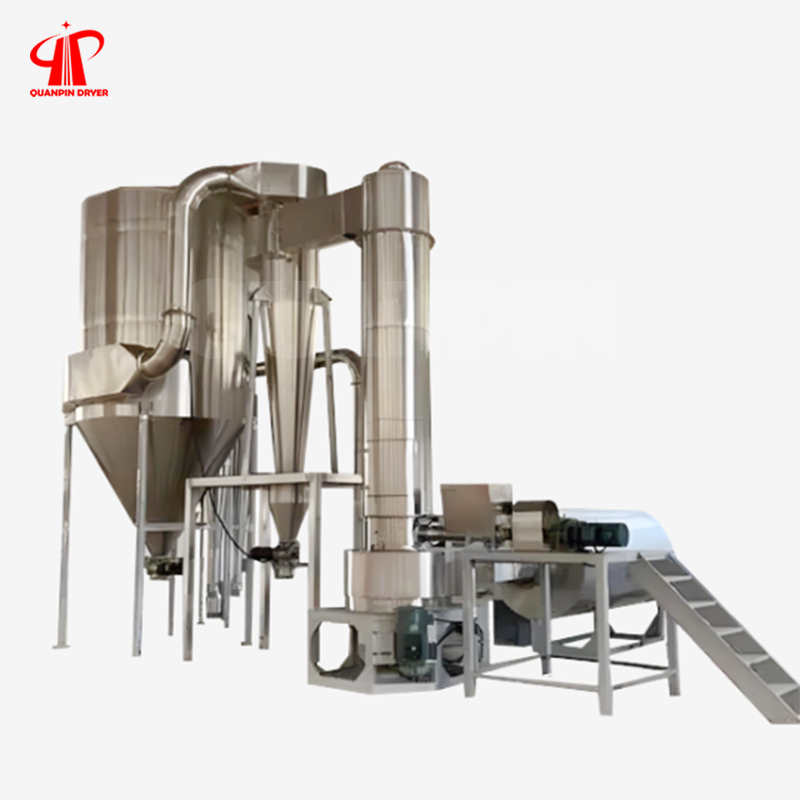
Where an installation needs engineering controls, their design and performance must be assessed for the actual operation rather than inferred from catalogue imagery.
Respiratory protection, when applicable, involves a workplace program and appropriate selection. Respiratory protection requires a workplace program where applicable; a dryer photograph cannot define it. See 2025 published CFR: OSHA respiratory protection.
State the Evidence Limits
A proposal can identify interfaces requiring coordination without prescribing a specific protective solution for an unassessed material or site.
Explain whether supporting information describes the received wet feed, recovered dry powder or another material condition so reviewers understand its limits.
This discipline makes a spin flash dryer price discussion more meaningful because the processing supply scope is not confused with every site obligation.
Benefits and Limits of Clearly Assigned Responsibilities
It helps commercial and technical teams ask for missing information before a material change is treated as a routine substitution.
It also avoids unsupported claims that a favorable product sample establishes acceptable employee exposure throughout the installation.
However, organizing documents is not itself a hazard assessment.
Industrial drying equipment should therefore be specified with confirmed interfaces and responsibilities, without an unqualified promise of universal workplace protection.
Pigment Identity and Document Revisions
Retain the pigment identity, formulation reference and document revision reviewed, with the feed and recovery descriptions used for the enquiry.
List any unidentified constituent or uncertain material condition as an open question rather than replacing it with a convenient generic assumption.
Records, Handling and Safety Requirements
Keep product-quality results separate from workplace measurements. Their methods, units, sampling locations and purposes can differ substantially. Employee exposure records have a specific workplace purpose, distinct from product-quality test results. See 2024 published CFR: access to employee exposure and medical records.
Maintain a clear record of which engineering provisions are included in the proposed supply and which require customer or third-party assessment.
When the material changes, review the linked assumptions before reusing earlier conclusions about handling, information or protective arrangements.
Preserve required markings on incoming hazardous-material containers as applicable. Required incoming transportation markings have a specific retention purpose, separate from equipment identification. See 2024 published CFR: OSHA retention of transportation markings.
The site’s responsible specialists should determine applicable occupational limits, assessment methods and protective measures; this article supplies no exposure calculation or operating procedure.
Use the actual equipment instructions and approved site arrangements.
Prepare the Pigment Product-and-Exposure Enquiry
Send QUANPIN the specific pigment, wet-feed form, intended powder condition and proposed recovery interfaces, with available material documents clearly identified.
State which workplace information is confirmed and which questions need coordinated technical review before finalizing the application scope.
Published Occupational References and Their Limits
The cited published United States provisions address the particular communication, exposure and protective topics described; relevant editions are identified in the links.
They do not classify the customer’s pigment, establish its exposure limit or confirm compliance for an installation in any jurisdiction.
Frequently Asked Questions
Does color identify all pigment hazards?
Does the pigment color identify all hazards? No. Review the actual substance or mixture information relevant to the material supplied.
Is a product specification an exposure limit?
Is a powder specification an occupational exposure limit? No. Product acceptance and employee exposure describe different measurements and purposes.
Does a safety data sheet prove collection performance?
Does a safety data sheet prove collection performance? No. The actual installed arrangement requires the appropriate technical assessment.
Is respiratory protection included automatically?
Is respiratory protection automatically part of the dryer? No. Confirm the supply scope and the responsible site’s applicable program requirements.
Why distinguish wet feed and recovered powder?
Why distinguish wet feed from dry powder? Different material conditions and handling tasks can require different information and assessment.
What should the enquiry make explicit?
What should the enquiry make explicit? Identify the material, process boundary, confirmed supply and unresolved workplace questions without inventing answers.
Discuss Your Application with QUANPIN
Discuss the confirmed XSG Rotating Flash Dryer application with QUANPIN. Use the enquiry form or the contact page to describe your project.
Email sales@qpdryer.com or stacie@qpdryer.com. Call +86 19850785582, or contact us on WhatsApp: +86 15921493205.
For process evaluation, consider the spin flash dryer manufacturer for rapid contact between suitable dispersed feed and drying air; and the hollow paddle dryer for indirect heat transfer to suitable wet solids. Confirm suitability with representative material, the required product properties and the proposed process conditions.