Vacuum Freeze Dryer for Fruit: Separate Drying Results from Food-Safety Verification Records
By QUANPIN
A dried fruit sample and a food-safety verification record should not be treated as interchangeable evidence.
When considering a Vacuum Freeze Dryer, define which drying results are required and who reviews the wider food-safety controls. See food industry applications.
Freeze-Drying Functions and Wider Process Evidence
Freeze drying removes moisture from appropriately prepared frozen material under the specified vacuum-drying arrangement.
A completed drying run does not independently establish that every relevant hazard has been controlled throughout preparation, handling and packing.
Define Fruit Use and the Purpose of Each Check
Begin with the fruit identity, receiving form and intended use.
Then distinguish product measurements from checks that confirm the food-safety plan is implemented and operating as intended.
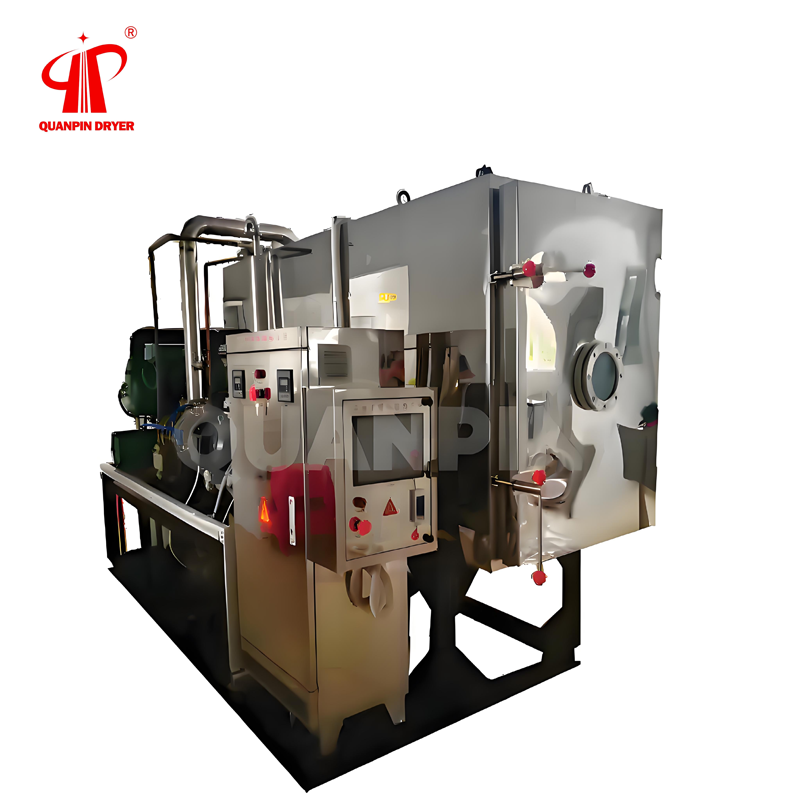
Five Steps for the Application Review
Map the actual fruit route
First, map the actual fruit route from receipt to the intended product.
Define the drying measurement
Second, identify the drying question: for example, how a defined sample is assessed against an agreed product specification.
Assign food-safety control questions
Third, ask the responsible food-safety team which controls and verification activities apply to the proposed process and product.
Distinguish record responsibilities
Fourth, define which records come from the Vacuum Freeze Dryer Machine and which must come from other activities or responsible personnel.
Retain unresolved evidence needs
Fifth, retain unresolved validation or verification questions instead of treating a finished trial as evidence that all have been answered.
Product Samples, Control Monitoring and Operating Records
A product moisture result addresses the tested sample under the stated method.
A control-monitoring record addresses the control and time recorded.
An equipment operating record can support investigation, but its presence alone does not establish a complete food-safety verification program.
Keep these evidence types linked without collapsing their purposes into a single statement that the fruit was successfully freeze dried.
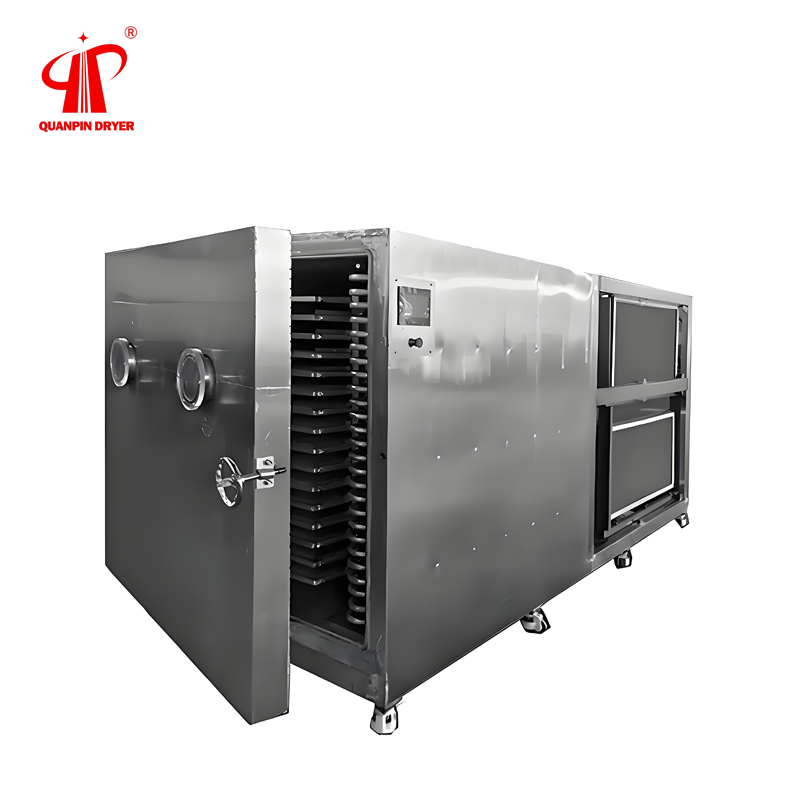
Equipment and Process Interfaces
Incoming fruit
The incoming-fruit description identifies the actual ingredient and preparation condition.
Loading arrangement
The loading description connects the fruit form to the proposed equipment arrangement.
Drying duty
The drying description identifies the agreed vacuum freeze drying machine duty.
Sampling description
The sampling description states which material is examined and by what method.
Verification responsibilities
The verification description identifies relevant checks, review responsibilities and records under the facility’s applicable food-safety system.
Changes requiring review
The change description identifies when fruit preparation, intended use or downstream handling changes, so affected conclusions can be reviewed.
Interpreting Product and Preventive-Control Evidence
Define the Actual Material
Consider a fruit intended as a ready-to-eat snack and a fruit intended for later manufacturing.
The equipment name alone does not resolve the food-safety implications of those uses, or the responsibilities of downstream processors.
If a team changes the preparation or packing route, ask whether the existing plan still represents the actual operation.
Preserve the Relevant Boundary
Do not infer a required treatment or microbial reduction from the phrase food vacuum freeze dryer.
Likewise, a favorable texture or appearance result cannot substitute for scientific support required for an applicable preventive control. Verification includes activities beyond measuring a dried sample. See 2025 published CFR: verification.
Verification can include review and other appropriate activities. The responsible team determines the relevant requirements for the actual process. Applicable preventive-control validation requires appropriate scientific and technical support, with specified exceptions. See 2025 published CFR: validation.
State the Evidence Limits
Where validation is required, its scientific and technical basis is a separate question from whether a particular product sample meets a commercial preference. Food-safety-plan reanalysis addresses changes and other specified circumstances. See 2025 published CFR: reanalysis.
Reanalysis addresses specified changes and other circumstances. A new ingredient form or intended use should therefore be communicated rather than hidden in a familiar name.
The enquiry should make these distinctions understandable to equipment engineers without asking them to invent the customer’s food-safety plan.
Benefits and Limits of Assigned Review Responsibilities
Clear responsibilities help avoid a common gap: an equipment record is available, but no one has identified who reviews the associated process evidence.
They also prevent duplicated work when a material measurement is mistakenly requested as proof of an unrelated verification activity.
However, a responsibility map does not establish food safety or regulatory compliance.
Food vacuum drying should be discussed as the relevant process duty, not as a universal claim that downstream hazards disappear.
Fruit, Sample and Responsible-Reviewer Information
Keep the fruit identity, intended use, preparation description and sample method alongside the relevant equipment records and responsible reviewers.
State the limits of each result, including the sampled material and time, instead of attaching an unqualified approval to an entire production route.
Records, Handling and Safety Requirements
Retain records showing the relevant control activities and verification reviews in the facility’s system, with the appropriate personnel responsible. Specified activities require a preventive controls qualified individual or relevant oversight. See 2025 published CFR: qualified-individual requirements.
If an exception or different requirement is considered applicable, document the actual basis through the responsible review rather than assuming it generally. Implementation records connect the plan to the activities actually performed. See 2025 published CFR: implementation records.
Link changed operating assumptions to the review record. A copied equipment description may otherwise conceal a changed product or process.
Material handling and personnel practices remain relevant before and after unloading.
Work with the actual installation instructions and material information.
This discussion identifies questions to assign, rather than prescribing a preventive control or validation study for an unassessed fruit product.
Prepare the Fruit Drying-and-Verification Enquiry
Give QUANPIN the actual fruit form, proposed loading arrangement, intended product and defined drying measurements needed for the application discussion.
Separately identify the customer’s responsible food-safety reviewer and any unresolved process assumptions that could affect the agreed equipment duty.
Published Food-Safety References and Evidence Limits
The cited United States provisions are from the 2025 published edition and describe the stated verification, validation and record responsibilities where applicable.
They do not establish a QUANPIN performance claim, a universal fruit process or the current legal obligations of every market.
Frequently Asked Questions
Does a dried sample prove food-safety performance?
Does a dry sample prove the food-safety plan works? No. Interpret product measurements and verification activities according to their actual purposes.
Does freeze drying establish microbial reduction?
Does freeze drying establish a microbial reduction claim? No. Any such claim needs appropriate product-specific scientific evidence and responsible review.
Why state the intended use?
Why state intended fruit use? It helps the responsible team assess the actual process rather than an ambiguous product description.
Are equipment records the complete verification file?
Are equipment records the entire verification file? No. Relevant activities can extend to preparation, handling, review and other defined responsibilities.
When should changed assumptions be communicated?
When should changed assumptions be communicated? Communicate relevant material, process or use changes before relying on conclusions from the earlier arrangement.
What makes the application discussion useful?
What makes the application discussion useful? A defined fruit duty and a clear division of equipment information and food-safety responsibilities.
Discuss Your Application with QUANPIN
Discuss the confirmed FD Vacuum Freeze Dryer application with QUANPIN. Use the enquiry form or the contact page to describe your project.
Email sales@qpdryer.com or stacie@qpdryer.com. Call +86 19850785582, or contact us on WhatsApp: +86 15921493205.