High Shear Granulator: Prepare an Equipment-Change Review for Pharmaceutical Wet Granulation
By QUANPIN
An equipment change involving a high shear granulator needs a review of the actual pharmaceutical process, not just a comparison of machine names. Identify what changes, what remains the same and which existing product evidence may no longer describe the proposed arrangement.
The appropriate technical and regulatory assessment depends on the product, jurisdiction and actual change; this article does not assign a filing category or approve a replacement. Explore matching pharmaceutical applications.
What Changes beyond the Machine Name?
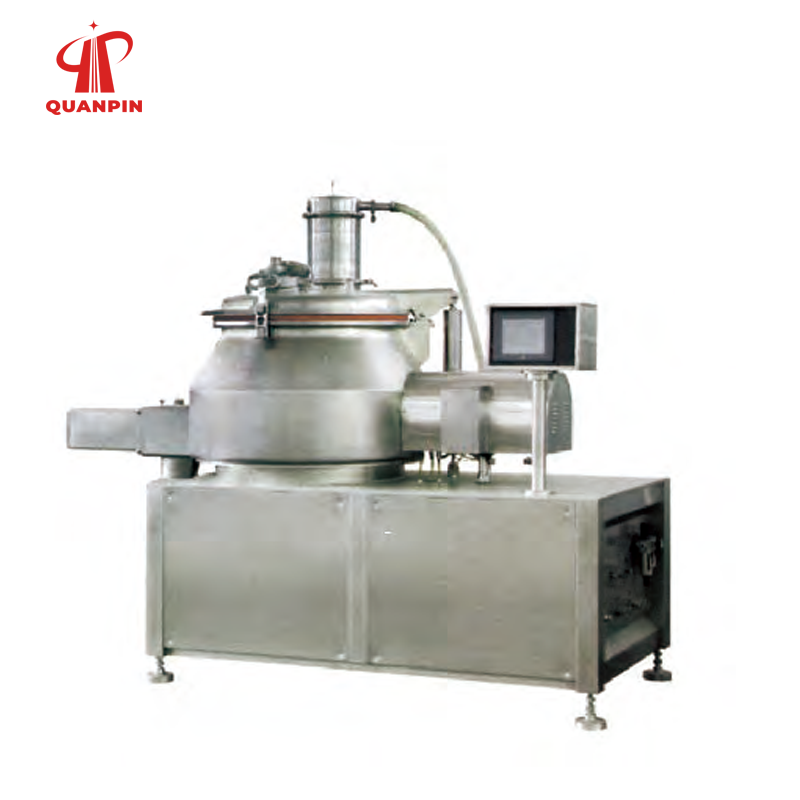
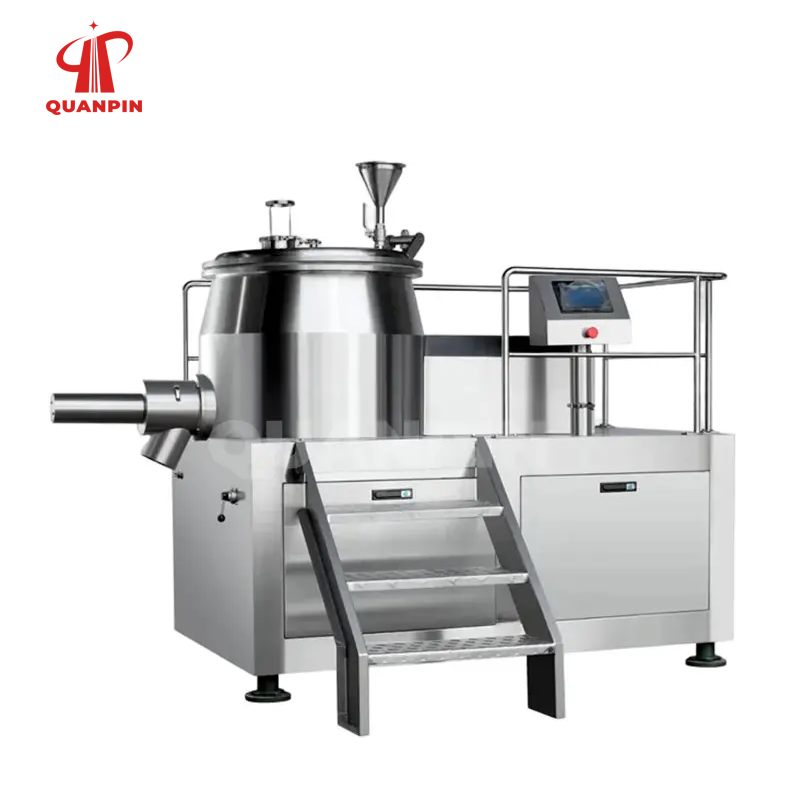
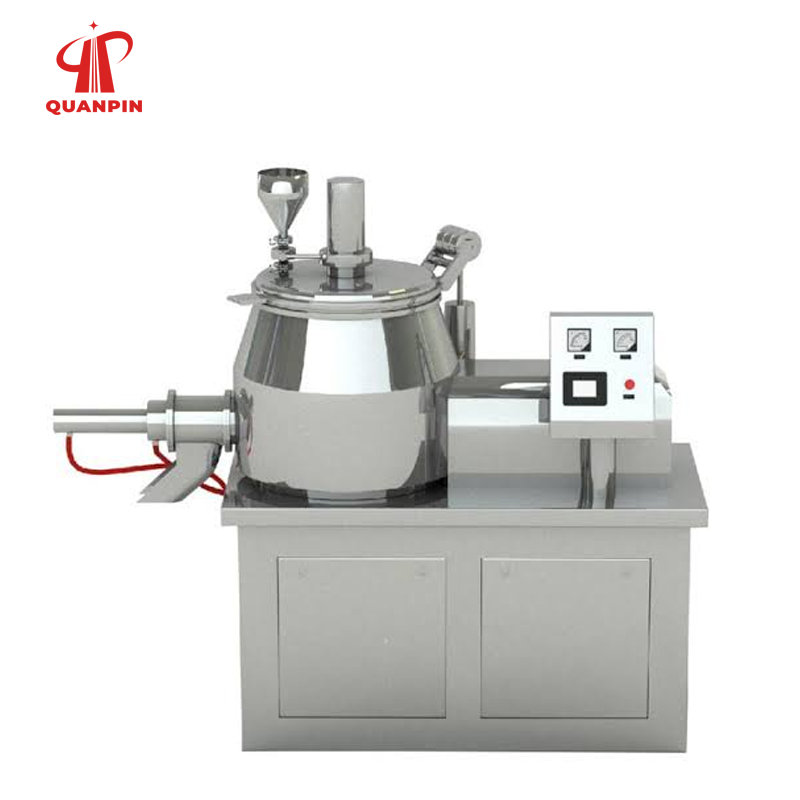
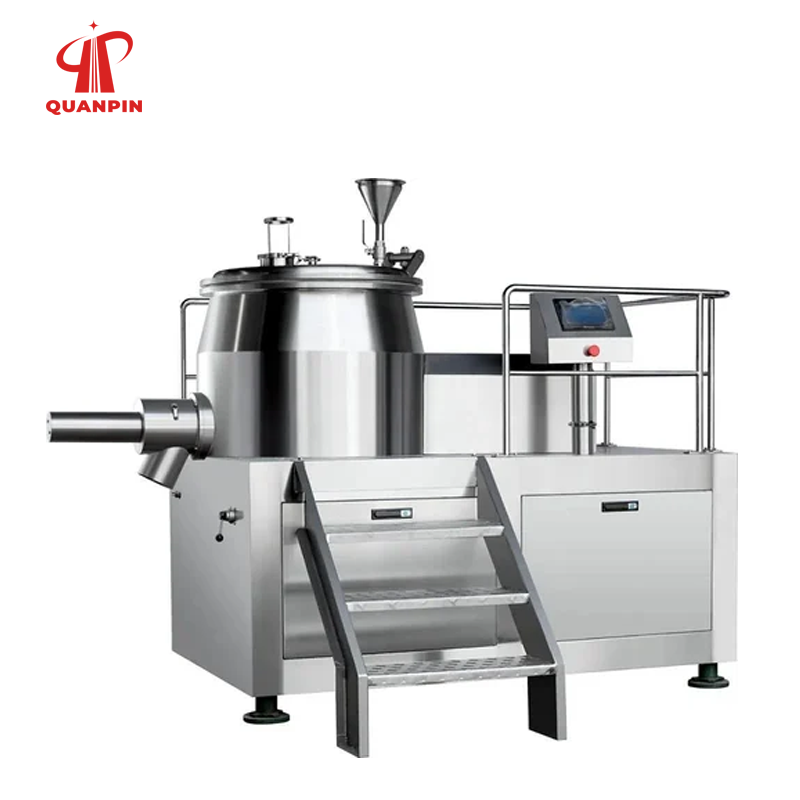
The GHL rapid mixer granulator distributes binder through powder using an impeller while a chopper acts on wet agglomerates.
These confirmed functions describe a processing mechanism without establishing equivalence to every other granulation arrangement. For products within its scope, SUPAC-IR addresses specified postapproval formulation, site, scale and process or equipment changes. See FDA SUPAC-IR guidance.
GHL Mechanism and Configuration-Specific Evidence
A high shear mixer granulator change proposal should identify the existing configuration and the proposed alternative.
Keep any concurrent formulation, scale, site or downstream changes visible rather than attribute the whole comparison solely to one equipment item.
Five Steps for an Equipment-Change Review
Describe the existing route
Describe the existing product and manufacturing route.
List proposed equipment changes
List the equipment features and interfaces proposed to change.
Identify concurrent differences
Identify relevant differences in inputs, scale or downstream processing.
Review relevant historical evidence
Review the existing evidence against the actual new duty.
Define further assessment
Define the further assessment and responsible decision makers.
Four Different Configuration and Decision Records
The current equipment record identifies the arrangement represented by historical material evidence.
The proposed equipment description identifies the configuration being considered.
A process comparison explains the functions and boundaries relevant to the intended formulation.
A change decision belongs to the applicable technical, quality and regulatory assessment rather than a model-name match.
Granulation and Downstream Interfaces
Powder charge
The powder-charge arrangement defines the incoming material boundary.
Binder delivery
Binder preparation and addition establish relevant liquid-handling interfaces.
Vessel and impeller
The impeller and working vessel belong to the actual mixing configuration.
Chopper
The chopper provides the reviewed action on wet agglomerates.
Wet discharge and collection
Discharge and collection identify the immediate wet-material route.
Downstream operations
Drying, sizing or other later equipment remains separately identified within the complete manufacturing process.
Comparing the Actual Pharmaceutical Duties
Compare actual configurations
A high shear wet granulator review should describe the actual role of the operation in the pharmaceutical route.
Do not assume that two assemblies with similar general functions have demonstrated identical product outcomes.
For wet granulation, preserve the formulation and binder details associated with earlier development evidence.
Keep product and process differences visible
If scale or receiving equipment also changes, state that difference in the comparison.
Review material attributes and process observations using appropriate evidence rather than select a single favorable operating descriptor.
Existing guidance has defined product and jurisdictional scopes; an equipment supplier should not convert it into a universal replacement-approval rule.
Apply the relevant assessment scope
The product owner should identify which change framework and submission requirements apply to the actual marketed or development product.
Keep untested assumptions and missing configuration information explicit in the proposed assessment.
Any representative study should address the real evidence question and retain the actual arrangement used.
Change-Assessment Benefits and Scope Limits
A structured change review can identify that an apparently simple machine replacement also alters a process interface.
It can also prevent a commercial description from being treated as proof of pharmaceutical equivalence. This cited equipment addendum is marked draft, not for implementation; it is background for process-description questions rather than a final change-approval rule. See FDA draft SUPAC manufacturing-equipment addendum.
The review does not prescribe a universal study count, acceptance limit or regulatory filing route.
Those decisions need the actual product history and the responsible assessment under the applicable requirements.
Document the Existing and Proposed Process
Record the existing formulation and manufacturing route.
Identify the current and proposed equipment configurations. Apply the relevant change framework to the actual product and proposed change rather than assume every equipment replacement has the same consequence. See FDA SUPAC-IR questions and answers.
Change Records, Review Responsibilities and Safety
List changes to relevant material inputs, scale, site and downstream interfaces.
Preserve the original development or manufacturing evidence and its limits.
State the proposed comparison methods and unresolved information.
Assign technical, quality and regulatory responsibilities for the final change decision. The cited scheme identifies formulation, equipment, process description and sampling evidence as distinct parts of a relevant validation submission. See NPRA ASEAN solid-oral-dosage process-validation scheme.
Equipment modification, trial work and component access must follow the relevant approved safety and isolation procedures.
Material compatibility, cleaning and exposure requirements need review for the actual proposed pharmaceutical use.
Provide QUANPIN with the Engineering Comparison Scope
Send QUANPIN the confirmed current duty and the configuration information needed for an engineering comparison.
Keep regulatory submission and product-disposition decisions with the responsible customer specialists.
Retain the Approved Assessment and Product Evidence
The enquiry should request clear equipment and interface information without asking the supplier to guarantee an untested pharmaceutical equivalence.
Retain the approved change assessment with the relevant configuration and product evidence. For holders of approved NDAs, ANDAs or BLAs considering a comparability protocol, FDA describes a prospective written plan to assess a proposed postapproval CMC change; this does not make every equipment replacement eligible for that pathway. See FDA final guidance on comparability protocols for postapproval CMC changes.
Frequently Asked Questions
Does a similar model prove equivalence?
A similar machine name does not prove equivalent granulation results.
Should concurrent changes remain visible?
A change review should keep concurrent formulation or process changes identifiable.
What configuration do old results describe?
Historical results describe their actual tested configuration rather than every proposed alternative.
Does guidance approve every replacement?
A guidance document has an application scope and does not supply a universal replacement-approval decision.
What determines further evidence needs?
The required further evidence depends on the real product and change.
What should the engineering enquiry connect?
The enquiry should connect current and proposed configurations, process boundaries and unresolved application questions.
Discuss Your High-Shear Granulator Change Proposal with QUANPIN
Discuss the matching QUANPIN equipment with QUANPIN. Use the enquiry form or our contact page to describe the actual application.
Email sales@qpdryer.com or stacie@qpdryer.com. Call +86 19850785582, or contact us on WhatsApp: +86 15921493205.