Pharmaceutical Pulverizer Unit: Define Lubrication-Service Boundaries outside the Powder Contact Path
By QUANPIN
Lubrication-service locations and the powder-contact path are different boundaries in a pharmaceutical pulverizer review. Describe both without implying that every accessible service point belongs inside the material route.
A pulverizer machine enquiry should identify the actual contact surfaces and maintenance interfaces rather than infer them from a general machine photograph. See pharmaceutical applications.
Equipment Principle and Evidence Limits
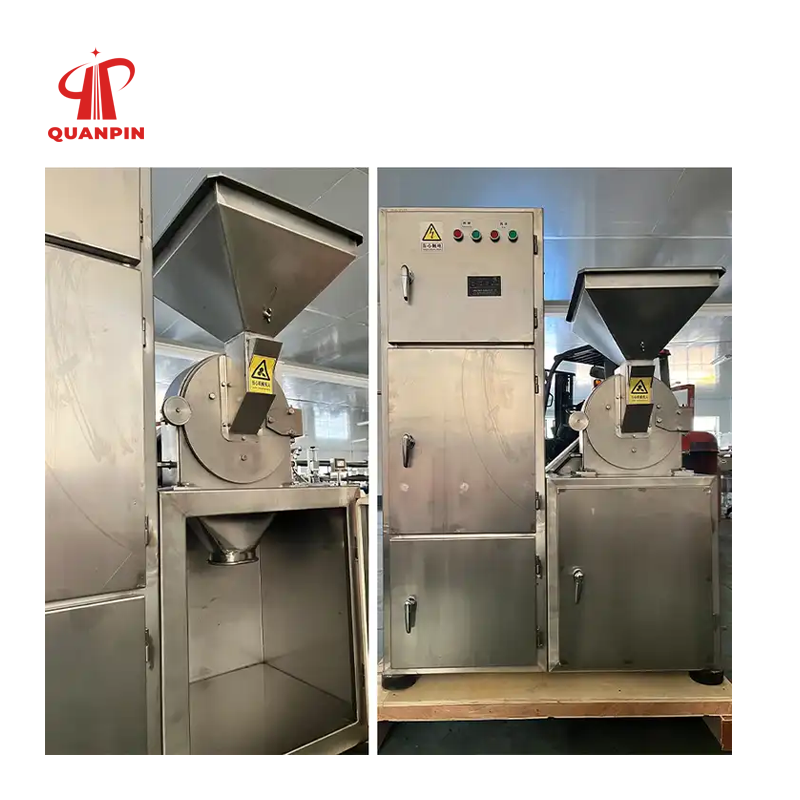
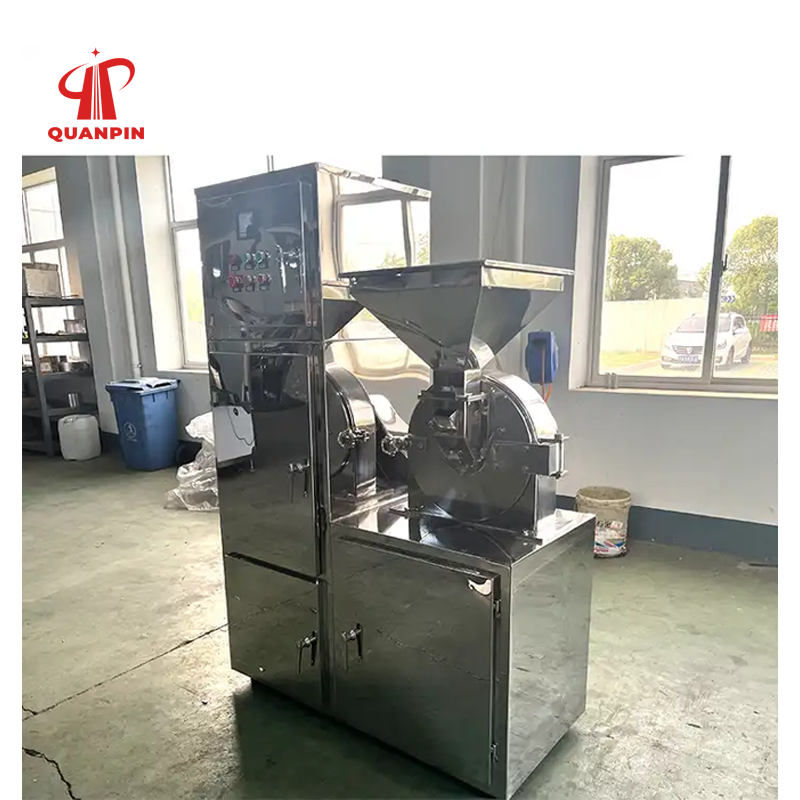
The verified unit combines mechanical size reduction with conveying and powder collection for compatible feeds.
A universal pulverizer description does not identify every lubricant, seal or service provision in a particular proposed assembly. The construction provision specifically distinguishes product-contact surfaces and operating substances such as lubricants or coolants. See 21 CFR 211.65: Equipment construction (2025 published edition).
Define the Actual Service and Contact Scope
Ask for the confirmed construction and maintenance information relevant to the actual installation.
Keep unknown contact or isolation arrangements explicit instead of assuming that a routine service activity cannot affect product protection.
Five Steps for a Traceable Comparison
Identify equipment and powder route
Identify the actual equipment and connected powder route.
Map product-contact components
Map the confirmed product-contact components.
Identify service locations
Identify relevant maintenance and service locations.
Review procedures and responsibilities
Review the approved procedures and responsible personnel.
Preserve readiness evidence
Preserve the evidence needed before further pharmaceutical use.
Separate the Four Relevant Records
Product-contact surfaces belong to the material path under review.
An operating substance used for equipment service has its own identity and intended application.
A maintenance action describes work performed on an identified component.
A product-use decision concerns the actual equipment status and applicable quality requirements after that work.
Equipment and Evidence Interfaces
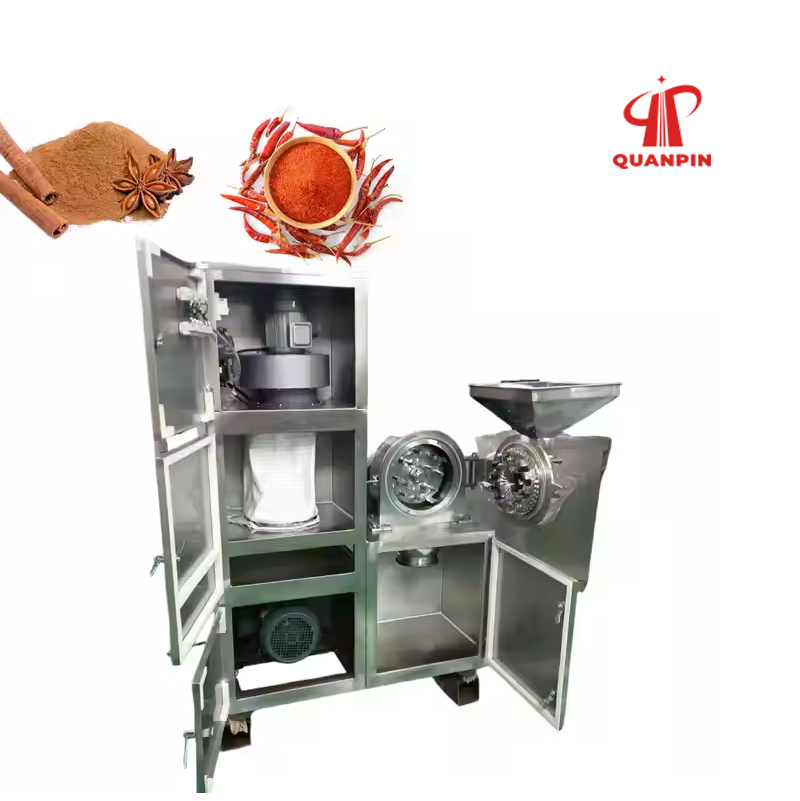
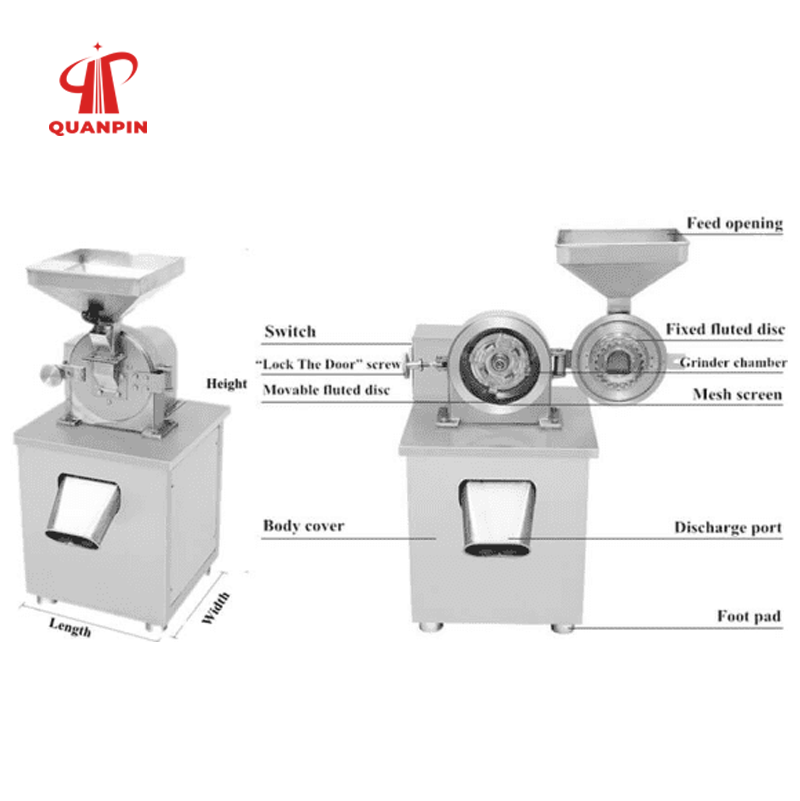
Grinding-chamber surfaces
The grinding chamber supplies contact surfaces within the actual reduction assembly.
Conveying connections
Conveying connections extend the powder path into the recovery arrangement.
Collection equipment
Collection equipment contributes further product-contact locations.
Seals and contact components
Seals and related components belong to the confirmed construction record.
Service locations
Service locations identify the components requiring maintenance under the actual supplier information.
Inspection and cleaning provisions
Inspection and cleaning provisions support review of the equipment state before its intended use.
Interpret the Actual Results
Identify the actual material
For an industrial pulverizer, do not infer that all external-looking components are irrelevant to product protection.
The technical review should identify the actual separation between service activity and the powder path.
A powder grinding machine‘s construction description can inform that review without proving every maintenance procedure acceptable.
Preserve configuration and records
Use the actual supplier and site documentation rather than prescribe a generic lubricant or application method.
If a maintenance material changes, keep its identity and compatibility review visible.
Do not assume that a clean appearance resolves every question about an operating substance or contact surface.
Review the application conclusion
Cleaning, inspection and maintenance records should preserve the scope of the activity actually performed.
An industrial pulverizer price comparison should identify whether access provisions and relevant service documentation are included.
Neither a quotation nor a completed service task independently establishes the acceptability of the next pharmaceutical product.
Benefits and Limits of the Review
Mapping the boundaries can expose a maintenance question before equipment is returned to use.
It can also identify a product-contact component that was omitted from a general service description. The equipment-log provision identifies records for major cleaning, maintenance and use, with its stated scope and exceptions. See 21 CFR 211.182: Equipment cleaning and use logs (2025 published edition).
The map does not approve a lubricant or replace the responsible technical and quality assessment.
No universal lubrication schedule, application quantity or acceptance limit is prescribed here.
Identify the Material and Method
Record the configured equipment and connected collection arrangement.
Identify the contact components and relevant operating substances. The cleaning-and-maintenance provision describes written responsibilities and procedures for the relevant equipment scope. See 21 CFR 211.67: Equipment cleaning and maintenance (2025 published edition).
Records, Handling and Safe Access
Preserve the actual maintenance procedure and work performed.
Describe inspection and cleaning associated with the reviewed scope.
Identify who performed the assigned tasks and their applicable training.
Keep unresolved contact or equipment-status questions available for authorized review. The personnel provision addresses qualifications and training appropriate to assigned pharmaceutical functions. See 21 CFR 211.25: Personnel qualifications (2025 published edition).
Maintenance must follow the actual installation’s approved isolation and safe-access procedures.
A description of a service location is not an instruction to open, lubricate or approach moving machinery.
Provide QUANPIN with the Application Scope
Send QUANPIN the construction and service-interface questions that require confirmation.
Separate supplier equipment information from the customer’s procedure and pharmaceutical disposition responsibilities.
Preserve the Evidence and Its Limits
Retain the actual maintenance and equipment-use evidence with its scope.
The responsible quality review should resolve outstanding product-protection questions before an unsupported readiness claim is made. The quality-unit provision describes review and approval responsibilities; equipment supply does not replace that function. See 21 CFR 211.22: Quality-control responsibilities (2025 published edition).
Frequently Asked Questions
Are service and product-contact boundaries identical?
A service location and a powder-contact surface are not automatically the same boundary.
Does a photograph confirm lubrication and seals?
A general equipment photograph cannot confirm the full lubricant or sealing arrangement.
Does construction information approve maintenance?
Construction information does not independently approve a maintenance procedure.
How should a service activity remain identifiable?
A completed service activity should remain identifiable to the equipment and work actually involved.
Is one operating substance or interval established?
No universal operating substance or maintenance interval is established for every pharmaceutical duty.
What should the service-interface enquiry include?
The enquiry should identify contact scope, service interfaces, relevant substances, documentation and unresolved product-protection questions.
Discuss the Confirmed Application with QUANPIN
Discuss the confirmed High-Efficiency Pulverizer Unit application with QUANPIN. Use the enquiry form or the contact page to describe your project.
Email sales@qpdryer.com or stacie@qpdryer.com. Call +86 19850785582, or contact us on WhatsApp: +86 15921493205.