WFJ Air Classifier Mill: Separate the Tested Configuration from a Standard Catalogue Description
By QUANPIN
A standard catalogue description and the configuration used for a WFJ study are different records. Identify what was actually tested before extending a pharmaceutical powder result to a proposed machine.
An air classifier mill enquiry should preserve the tested assembly and its material boundary rather than treat every illustrated accessory as confirmed supply. See pharmaceutical applications.
Equipment Principle and Evidence Limits
The WFJ combines grinding and classification for compatible dry feeds; accepted finer material proceeds to collection while oversize returns for further reduction.
That air classifying mill principle describes an equipment family, while the actual study needs an identifiable configuration appropriate to its intended use. The published US CGMP equipment-design provision links equipment suitability to its intended operation and cleaning or maintenance needs. See 21 CFR 211.63: Equipment design and location (2025 published edition).
Define the Tested and Proposed Arrangements
Record the model and the fitted components used during the representative work.
Keep differences between that arrangement and the customer’s proposal visible rather than silently declaring them equivalent.
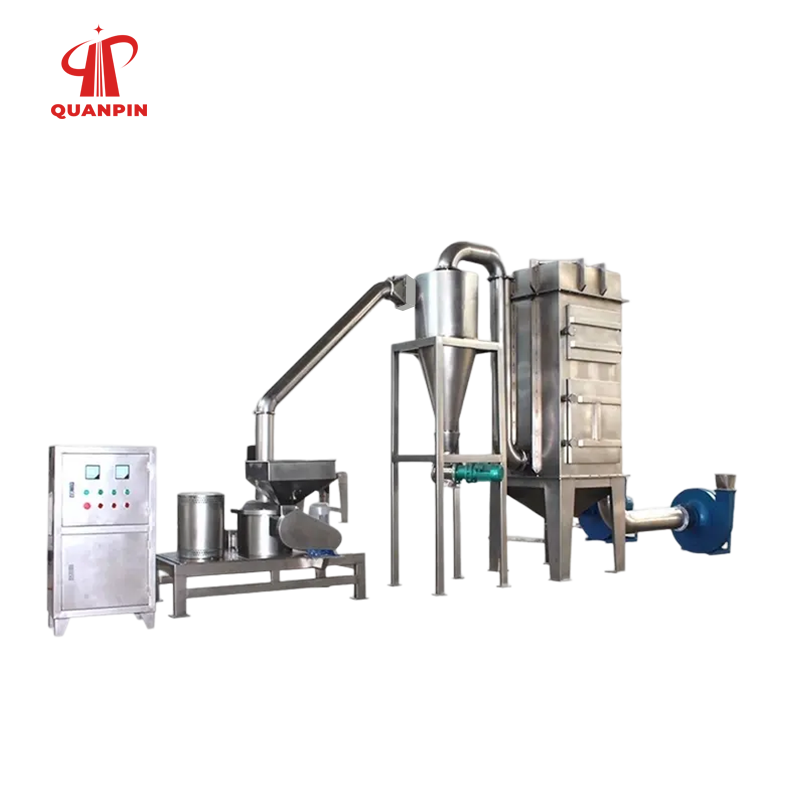
Five Steps for a Traceable Comparison
Identify the trial material and purpose
Identify the actual feed and purpose of the study.
Record the configured assembly
Record the working assembly and connected collection scope.
Describe the actual procedure
Describe the procedure used and any recorded changes.
Link samples to the tested system
Link samples and observations to the tested arrangement.
Review relevance to the proposal
Review which conclusions remain relevant to the proposed supply.
Separate the Four Relevant Records
A catalogue describes a product family or an available configuration.
A project proposal identifies the functions and components confirmed for that supply.
A trial record describes the equipment and material actually used.
A review of relevance connects the proposal and trial without assuming that their details are identical.
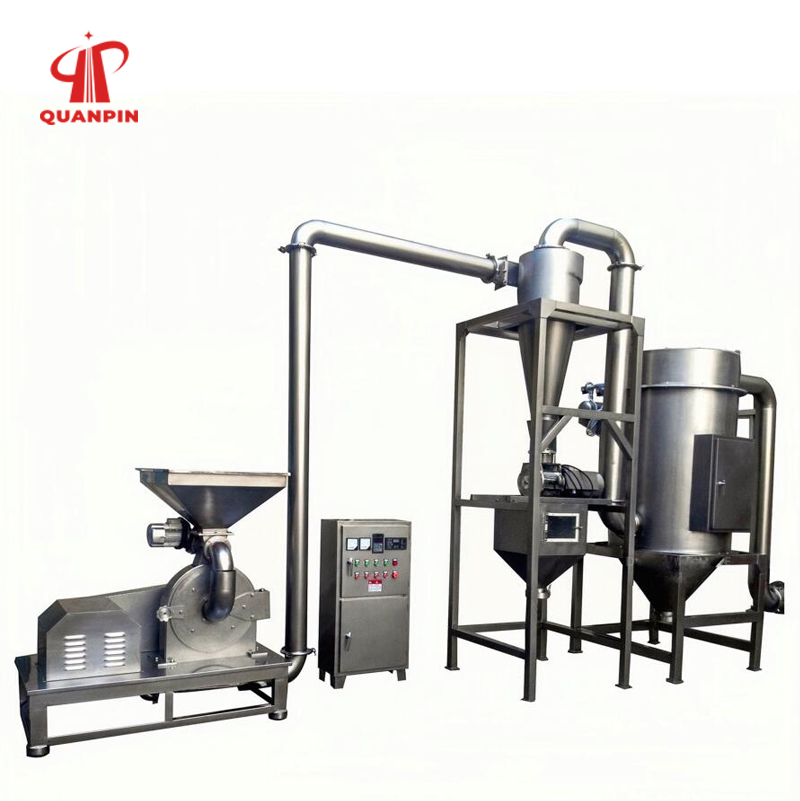
Equipment and Evidence Interfaces
Feed arrangement
The feed arrangement defines the material-entry boundary represented by the study.
Grinding chamber
The grinding chamber supplies the configured mechanical reduction operation.
Classifier
The classifier establishes separation within the tested process.
Oversize return
The return arrangement identifies where oversize undergoes further treatment.
Powder recovery
Powder recovery defines which collected fractions supplied the observations.
Controls and connected equipment
Controls and connected equipment determine which configured functions were actually available.
Interpret the Actual Results
Identify the actual material
An ACM mill sample should remain associated with its real collection and operating record.
Do not describe an optional connection as installed merely because it appears in an equipment illustration.
If the proposed receiver or collection arrangement differs, identify that change before relying on a historical sample.
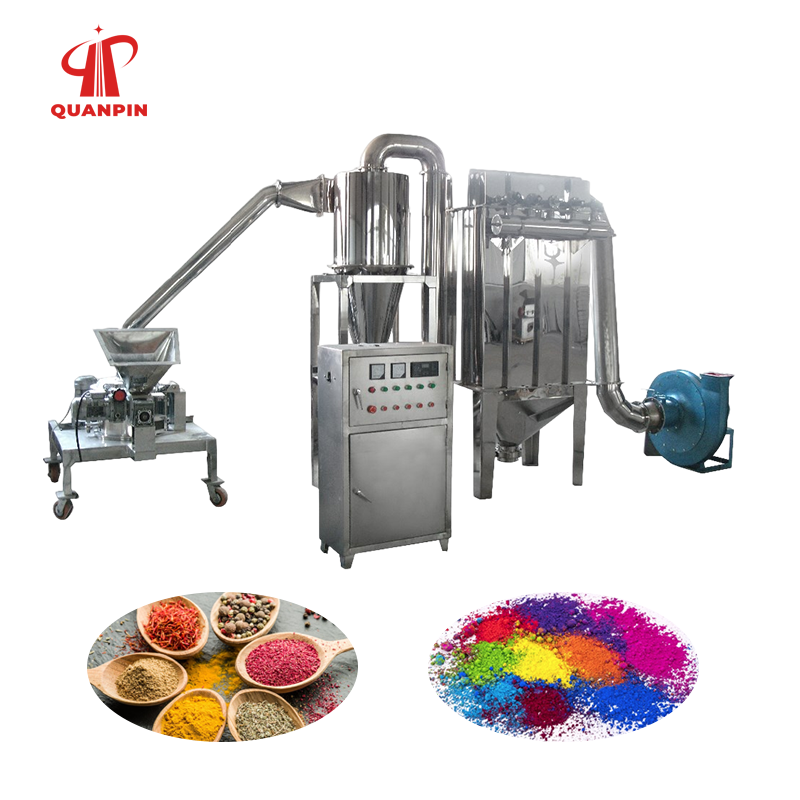
Preserve configuration and records
A fine powder grinder comparison should state whether it addresses the same material and required powder attributes.
An unchanged model-family name does not remove the need to review a changed assembly.
If a component reference is unclear, preserve that gap instead of assigning it the identity of a familiar catalogue item.
Review the application conclusion
Any equipment checks or available calibration information belong to their actual stated scope.
An industrial fine powder grinder proposal should explain which historical observations support its application review and which do not.
The customer can then distinguish a useful development result from an unsupported claim about an untested installation.
Benefits and Limits of the Review
A configuration map can reveal a missing accessory or an unexplained difference before the project is treated as settled.
It can also help reviewers locate which original records need clarification. The production-procedure provision distinguishes an authorized procedure from the actual execution and recorded deviations. See 21 CFR 211.100: Written production procedures (2025 published edition).
A drawing and a favourable sample do not establish complete production validation.
Retain the limits of the actual material, configuration and observation period.
Identify the Material and Method
Identify the equipment family and the specific tested assembly.
Preserve the relevant check or calibration records where applicable. The equipment provision describes checks or calibration under a written programme; a catalogue does not supply those records. See 21 CFR 211.68: Automatic and mechanical equipment (2025 published edition).
Records, Handling and Safe Access
State the connected feed and powder-recovery equipment.
Record the procedure followed and any actual configuration changes.
Keep each sample connected to its collection boundary.
Explain differences from the proposed supply and conclusions requiring further evidence. The batch-record provision calls for information about the actual production and control activities. See 21 CFR 211.188: Batch production records (2025 published edition).
Equipment inspection and component identification must follow approved safe-access and isolation procedures.
A need to confirm a label does not justify access to an operating grinding or classification assembly.
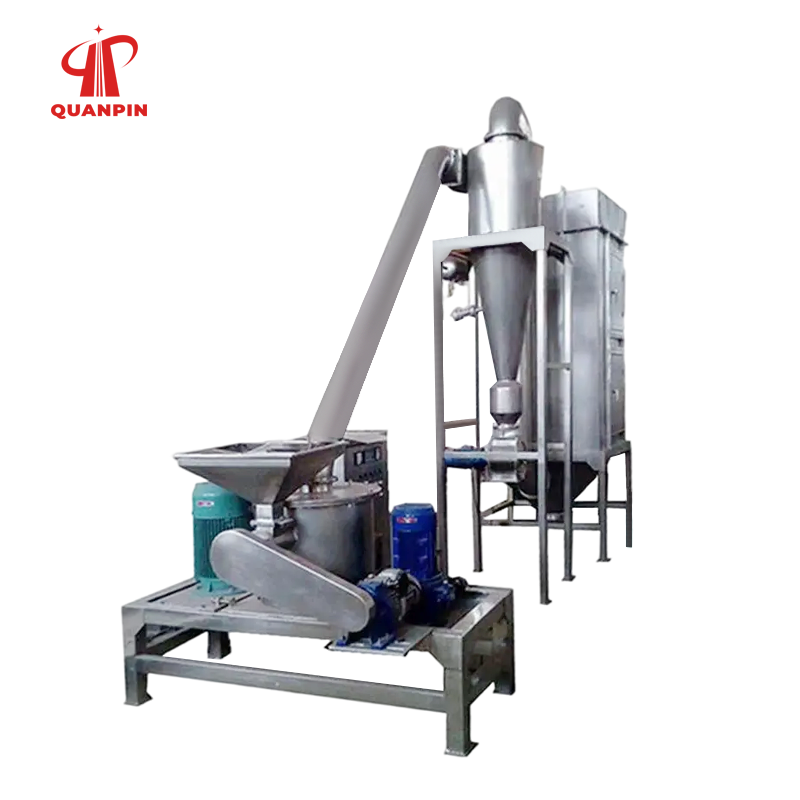
Provide QUANPIN with the Application Scope
Send QUANPIN the tested arrangement and the proposed project scope.
Identify unconfirmed components or functions instead of asking a catalogue image to supply missing engineering details.
Preserve the Evidence and Its Limits
Retain the final comparison with the underlying study records.
When discrepancies arise, preserve their investigation and resolution rather than rewriting the original tested configuration. The record-review provision addresses unexplained discrepancies and the review of production evidence. See 21 CFR 211.192: Production-record review (2025 published edition).
Frequently Asked Questions
Are catalogue and trial records the same evidence?
A catalogue and a trial record describe different evidence.
Does an illustrated accessory confirm supply?
An accessory shown in an illustration is not automatically confirmed supply.
Does a family name prove identical assemblies?
A model-family name does not establish that two assemblies are identical.
Which configuration owns the sample result?
A sample result belongs to the material and configuration actually represented.
Does equipment suitability prove product acceptance?
Equipment suitability and pharmaceutical product acceptance still need their relevant supporting evidence.
What should the configuration enquiry identify?
The enquiry should identify the tested assembly, proposed supply, connected scope and the limits of the available trial result.
Discuss the Confirmed Application with QUANPIN
Discuss the confirmed WFJ Air Classifier Mill application with QUANPIN. Use the enquiry form or the contact page to describe your project.
Email sales@qpdryer.com or stacie@qpdryer.com. Call +86 19850785582, or contact us on WhatsApp: +86 15921493205.