High Shear Granulator: Identify Which Processing Stage a Granule Photograph Represents
By QUANPIN
A granule photograph should identify the processing stage and specimen it represents before it is used in a high shear granulator discussion. An attractive image of dried product is not automatically an observation of fresh wet material at the vessel outlet.
For pharmaceutical development, keep visual documentation connected to actual samples and distinguish appearance from other product-acceptance evidence. Explore matching pharmaceutical applications.
Which Processing Stage Does the Image Represent?
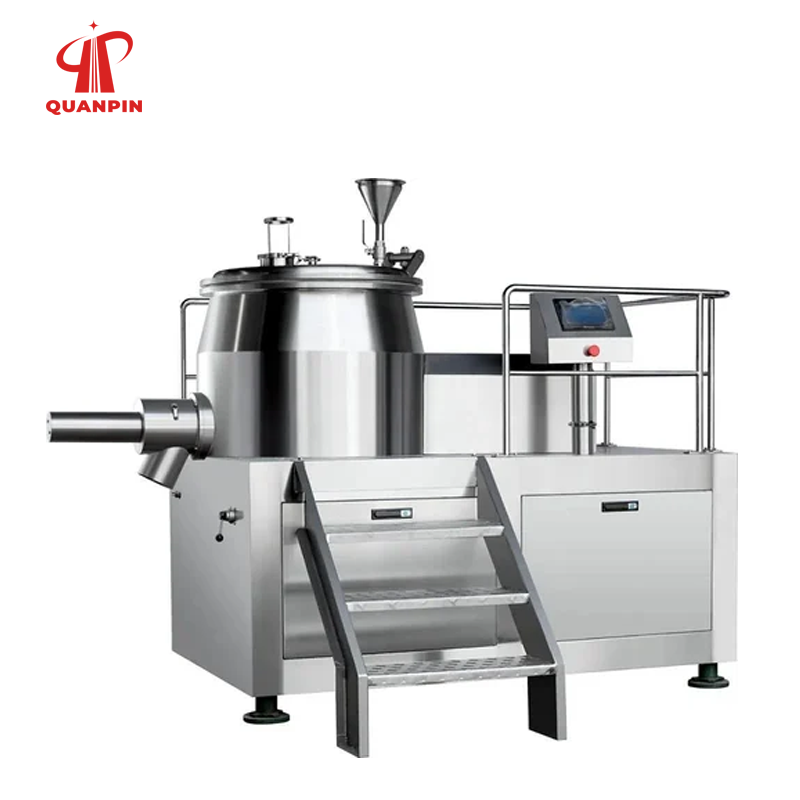
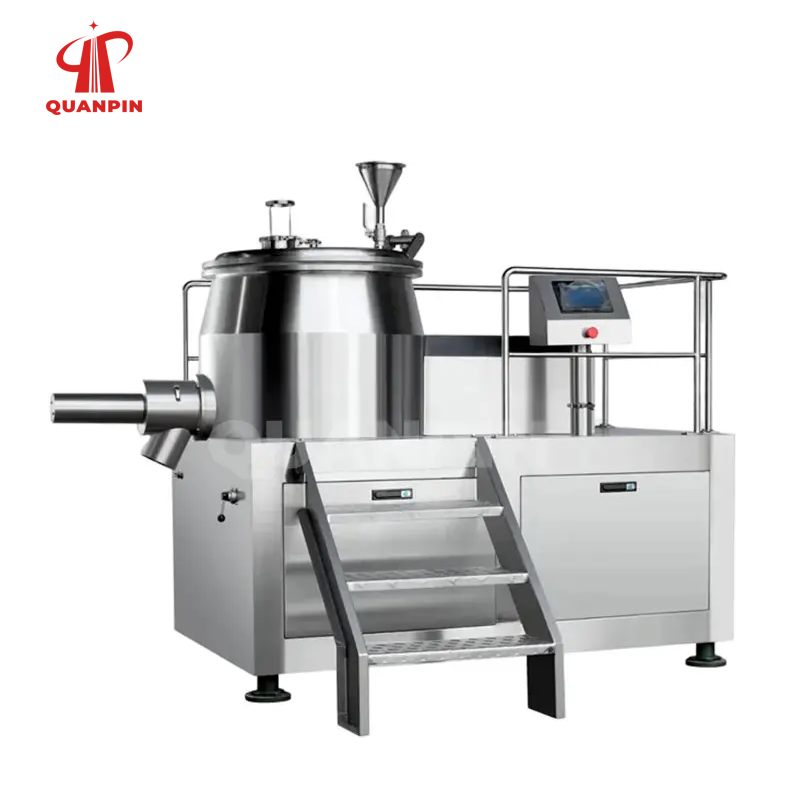
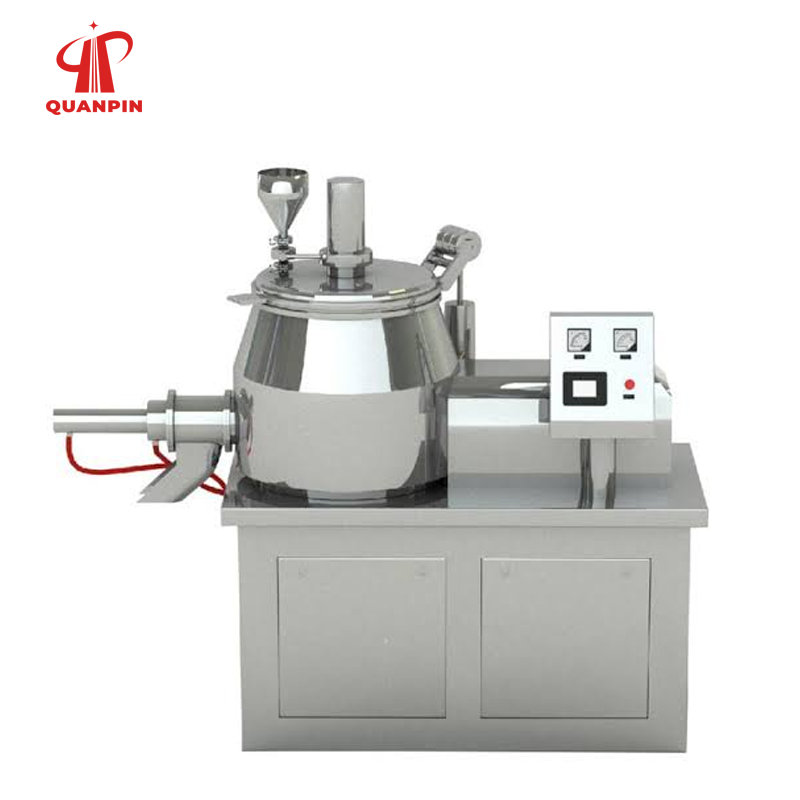
The GHL rapid mixer granulator uses an impeller to distribute binder through powder and a chopper to act on wet agglomerates.
Those confirmed functions do not establish that every photograph associated with a product name shows the immediate output of that operation. Use product-specific development knowledge to justify the attributes being examined. See FDA ICH Q8 pharmaceutical development.
GHL Functions and Material-Stage Identity
A high shear mixer granulator enquiry should identify whether an image shows wet mass, collected wet granules or material after later treatment.
Preserve any subsequent drying, sizing or specimen preparation instead of presenting all images as one interchangeable granulation result.
Five Steps to Make a Granule Image Traceable
Identify the material
Identify the actual batch or development material shown.
State the actual stage
State the processing stage represented by the specimen.
Describe specimen history
Describe relevant collection and image-preparation history.
Link the original record
Keep the original image linked to its sample record.
Review the product evidence
Interpret visual findings alongside appropriate product evidence.
Four Visual and Product-Evidence Boundaries
A process image can show equipment or material during a stated activity.
A specimen image records the material selected and presented for examination.
A processed-product image may follow additional operations after the granulator.
A product-acceptance conclusion needs the relevant requirements and evidence rather than an unexplained visual impression.
Granulation and Specimen-Preparation Interfaces
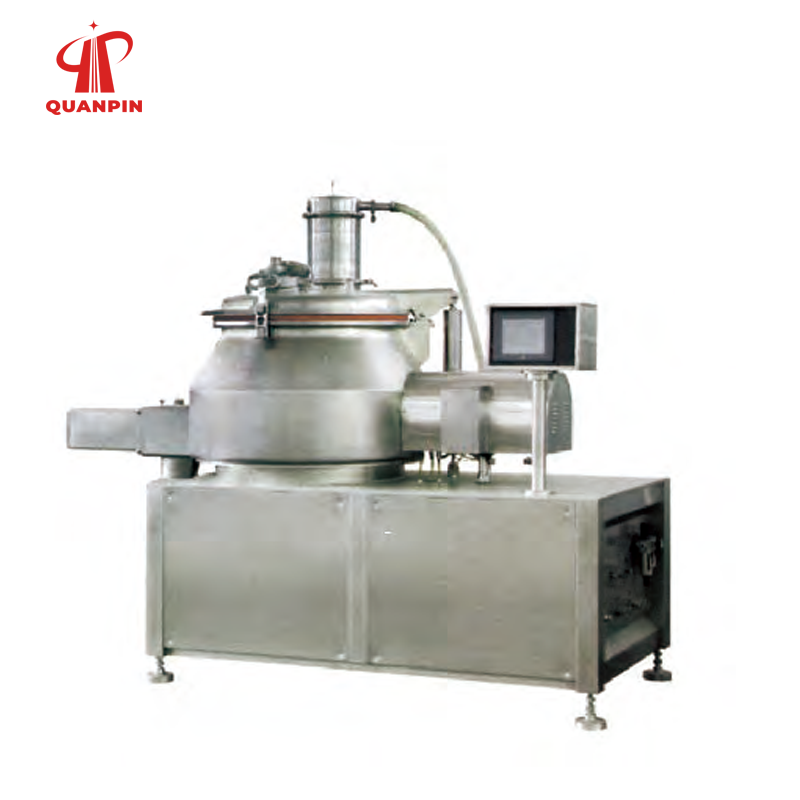
Working vessel
The working vessel defines the reviewed granulation boundary.
Impeller and chopper
The impeller and chopper form the confirmed mechanical arrangement for the actual duty.
Formulation inputs
Binder delivery and powder charging belong to the formulation history associated with the photographed material.
Wet discharge and collection
Discharge and collection establish where a wet sample may originate under approved procedures.
Downstream equipment
Downstream equipment creates later material states when those operations are included.
Specimen preparation
Laboratory or visual specimen preparation determines what the final picture actually displays.
Interpreting the Actual Photographed Material
Compare the same material state
A high shear wet granulator comparison should describe the condition of the actual specimens rather than rely only on image captions.
Do not compare fresh wet material with dried and sized granules as though the photographs record the same process boundary.
For wet granulation development, preserve the connection between the image and the formulation actually processed.
Preserve preparation conditions
If a specimen was divided, spread or otherwise prepared for examination, retain that history.
Do not infer an unmeasured particle distribution, composition or moisture value solely from the appearance of the image.
A visual difference can motivate further investigation without identifying a single equipment-related cause.
Separate visible and measured attributes
Keep camera or observation conditions relevant to the comparison identifiable without inventing a universal imaging protocol.
Use appropriate analytical evidence for product attributes that the picture cannot establish.
The pharmaceutical development review should state what the visual record supports and where additional assessment remains necessary.
Pharmaceutical Appearance and Acceptance Limits
A stage-specific caption can prevent a later product image from being used as an unsupported immediate-output claim.
It can also help distinguish a specimen-preparation difference from a documented process difference. A development comparison should not be presented as complete validation of an untested production process. See FDA process validation guidance.
The image does not establish every particle in the batch or a universal acceptable granule appearance.
Those questions require the actual formulation, sampling basis and appropriate product-assessment methods.
Document Material Identity and Processing Stage
Record the batch or development identity represented.
State whether the material was wet, dried, sized or otherwise treated. Assess relevant quality risks using the actual material and process context. See FDA ICH Q9 quality risk management.
Image Records, Sample Preparation and Safe Access
Identify the collection point and sample record.
Describe relevant specimen preparation and observation conditions.
Preserve the original image and its relationship to any analytical results.
Keep uncertain identity or stage information visible rather than supplying a confident but unsupported caption. Interpret measurements through process understanding rather than treating an isolated instrument reading as product acceptance. See FDA process analytical technology framework.
Photography or sample collection must follow the installation’s operating and safe-access procedures.
A request for a close-up does not justify opening or approaching moving granulation equipment unsafely.
Provide QUANPIN with the Image-Evidence Question
Send QUANPIN the image together with the actual material, stage and process question it is intended to illustrate.
Separate observations visible in the photograph from attributes supported by other measurements.
Retain the Visual Record and Its Limits
The enquiry should use images as traceable evidence rather than substitutes for an unperformed product test.
Retain the visual record with the actual configuration, sample history and relevant development conclusions. Retain knowledge and manage adopted process changes through the pharmaceutical quality system. See FDA ICH Q10 pharmaceutical quality system.
Frequently Asked Questions
Does dried material show immediate wet output?
A dried-granule photograph is not automatically an image of fresh wet output.
What should an image caption identify?
A caption should identify the actual specimen and processing stage.
Does preparation belong in the image history?
Specimen preparation can create another observation boundary that should remain documented.
Can a photograph establish every product property?
An image alone does not establish unmeasured composition, moisture or a complete size distribution.
Does visual difference prove equipment causation?
A visible difference does not independently prove that the granulator caused it.
What should the image enquiry describe?
The enquiry should identify the material, stage, specimen history and evidence question associated with the image.
Discuss Your High-Shear Granulation Evidence with QUANPIN
Discuss the matching QUANPIN equipment with QUANPIN. Use the enquiry form or our contact page to describe the actual application.
Email sales@qpdryer.com or stacie@qpdryer.com. Call +86 19850785582, or contact us on WhatsApp: +86 15921493205.