Hopper Mixer for Pharmaceutical Powders: Distinguish Service Access from Routine Loading Access
By QUANPIN
Routine loading access and service access are different requirements in a hopper mixer installation. An arrangement that allows material charging should not automatically be described as providing every opening, inspection or component-handling space needed later.
For pharmaceutical powders, review the actual tasks and confirmed configuration rather than assign all access needs to one convenient gap on a layout drawing. Explore matching pharmaceutical applications.
Which Task Requires the Access?
The verified hopper mixer machine is reviewed as a hopper-based blending arrangement for compatible pharmaceutical formulations.
Its model-family description does not establish project-specific service dimensions or confirm every proposed handling accessory. Use product-specific development knowledge to justify the attributes being examined. See FDA ICH Q8 pharmaceutical development.
Hopper Configuration and Project-Specific Information
A bin blender enquiry should describe what routine operation requires and which separate maintenance or cleaning activities must be reviewed.
Use confirmed project information when identifying the physical arrangement, while leaving unconfirmed clearances explicitly unresolved.
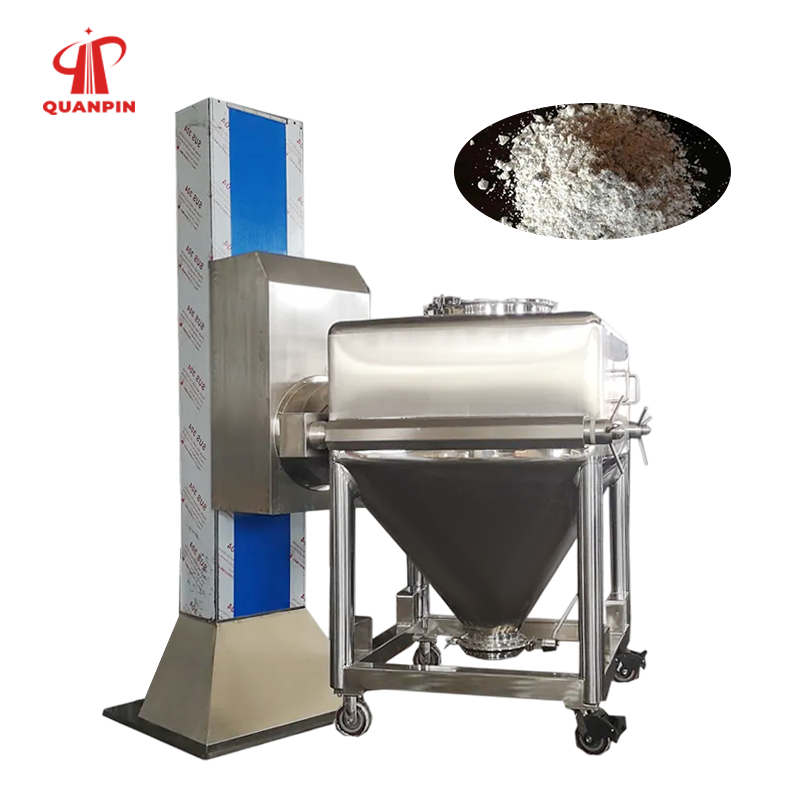
Five Steps for a Task-Based Access Review
List routine handling
List the routine material-loading and discharge tasks.
Identify separate service tasks
Identify the separate inspection, cleaning and service tasks.
Locate relevant components
Locate the components and connections associated with those activities.
Assign interface ownership
Assign responsibility for equipment and facility interfaces.
Review actual requirements
Review the arrangement against the actual approved requirements.
Four Access Categories to Keep Distinct
Loading access concerns the intended material-entry operation.
Inspection access concerns the activities needed to examine defined equipment or contact locations.
Service access concerns the actual intervention or component-handling task being proposed.
A facility passage or operator route may have its own requirements rather than serve as interchangeable space for every activity.
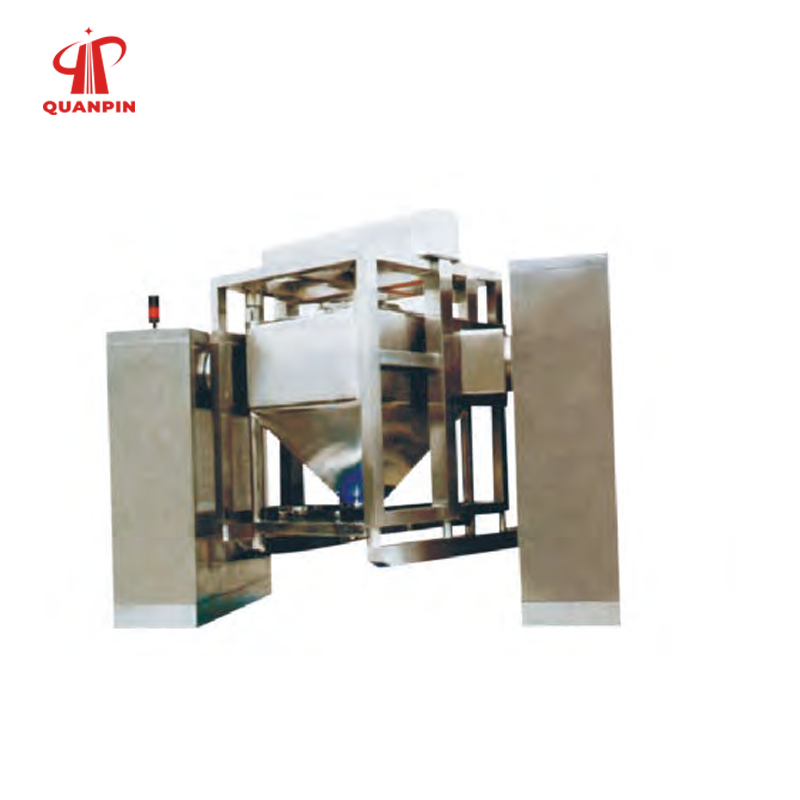
Equipment and Facility Access Interfaces
Product hopper
The product hopper defines the confirmed material-holding arrangement.
Loading connections
Loading closures and connections establish the routine entry boundary.
Mixing assembly
The configured mixing assembly belongs to the equipment layout under review.
Discharge connections
Discharge and receiving connections define the material-exit route.
Service locations
Relevant components and contact parts establish the actual inspection or service locations.
Facility provisions
Separate facility services and handling provisions require their own confirmed responsibilities.
Comparing the Proposed Layout with Actual Tasks
Define the task behind each space
A powder blender layout should identify the tasks associated with each access area rather than show an unexplained clearance.
Do not infer a component-removal route from an image of another installation.
Keep the arrangement actually proposed distinguishable from an illustrative equipment drawing.
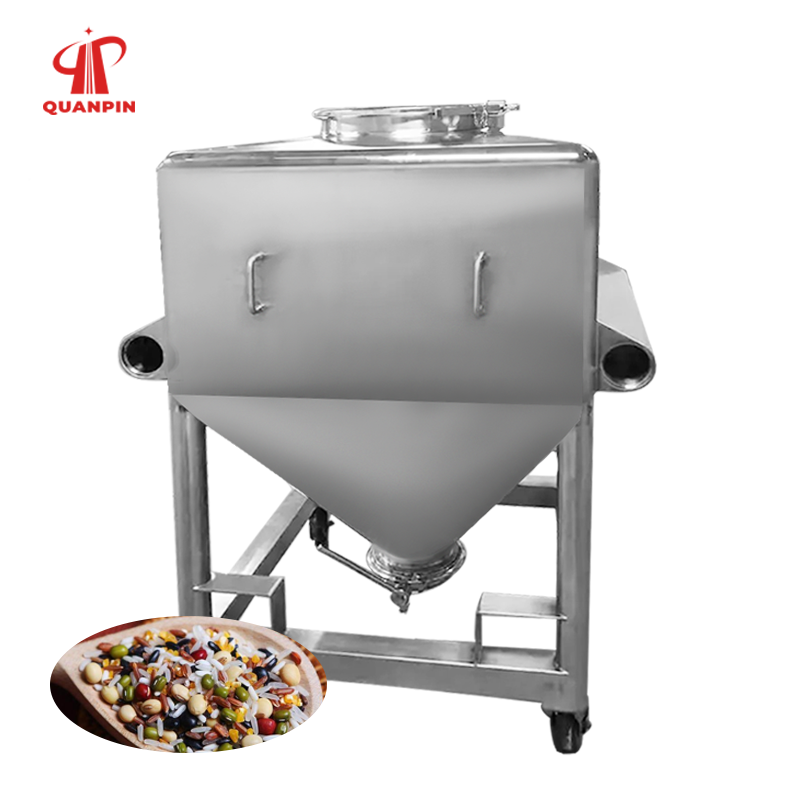
Preserve confirmed configuration information
A powder mixer quotation should identify which accessories and access provisions are included in the supply scope.
If a proposed task requires information not yet supplied, preserve that question for the engineering review.
Routine operation, cleaning and service can involve different equipment states and approved procedures.
Review equipment and facility responsibilities
Do not convert a convenient routine loading method into permission to inspect or service operating equipment.
Review customer-supplied receiving or transfer connections where they affect access to the configured arrangement.
The installation team should use confirmed technical documentation to resolve the actual task and space requirements.
Pharmaceutical Installation Evidence and Limits
Separating access categories can expose a service question before an installation is treated as fully defined.
It can also clarify whether an equipment supplier or facility team must provide further information. A development comparison should not be presented as complete validation of an untested production process. See FDA process validation guidance.
The review does not prescribe universal clearances or establish that an unidentified room is suitable.
Those conclusions require the real configuration, proposed tasks and appropriate engineering and safety assessment.
Document Equipment and Routine Material Routes
Record the equipment and configuration reference.
Describe the routine loading and discharge route. Assess relevant quality risks using the actual material and process context. See FDA ICH Q9 quality risk management.
Service Records, Interface Responsibilities and Safety
List the inspection, cleaning and service activities requiring review.
Identify relevant components and external connections.
Preserve the confirmed drawings and unresolved dimensional questions.
State who supplies each access-related equipment or facility provision. Interpret measurements through process understanding rather than treating an isolated instrument reading as product acceptance. See FDA process analytical technology framework.
Service and inspection must follow the applicable isolation and safe-access procedures for the actual installation.
Material identity, cleaning and exposure requirements remain relevant when equipment is prepared for further pharmaceutical use.
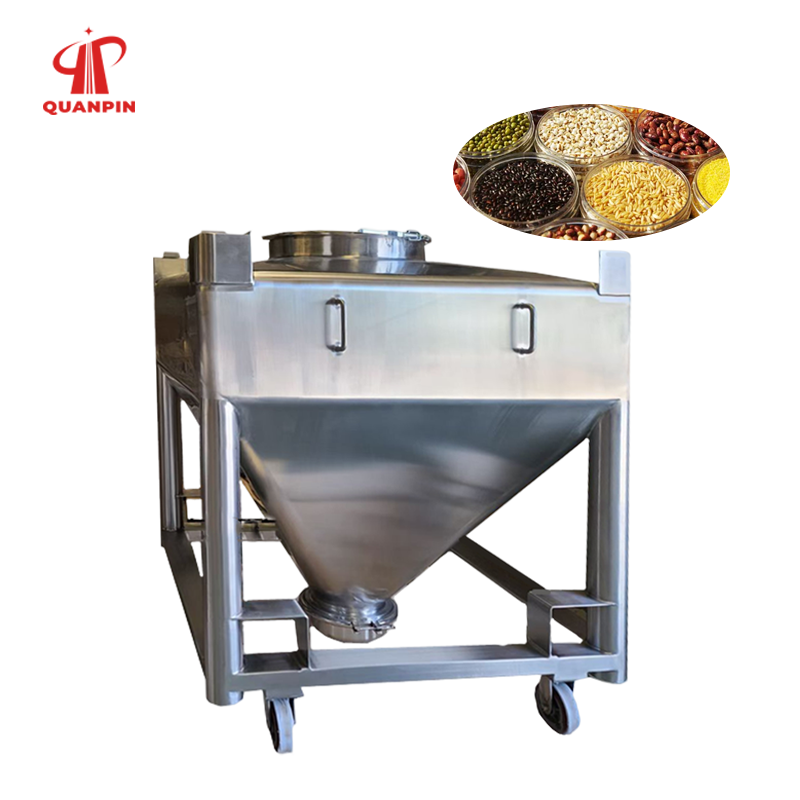
Provide QUANPIN with the Access-Task Scope
Send QUANPIN the proposed layout together with a list of the actual tasks the arrangement must support.
Separate routine material handling from service or inspection questions that need additional configuration information.
Retain Confirmed Installation Information
The enquiry should request confirmed project details instead of treating a generic equipment image as a dimensioned access plan.
Retain the agreed access responsibilities with the actual installation documentation and operating requirements. Retain knowledge and manage adopted process changes through the pharmaceutical quality system. See FDA ICH Q10 pharmaceutical quality system.
Frequently Asked Questions
Does loading access prove service access?
Loading access does not automatically establish service access.
Why identify the task behind a layout gap?
A layout gap needs a stated task before its adequacy can be assessed.
Can another installation prove a removal route?
A photograph from another installation cannot confirm a component-removal route.
Does routine access authorize servicing?
Routine operating access does not authorize service on moving or energized equipment.
Is a universal clearance specified?
No universal room clearance or equipment-handling dimension is established here.
What should the access enquiry identify?
The enquiry should identify the actual configuration, tasks, external interfaces and responsible parties.
Discuss Your Hopper-Mixer Installation with QUANPIN
Discuss the matching QUANPIN equipment with QUANPIN. Use the enquiry form or our contact page to describe the actual application.
Email sales@qpdryer.com or stacie@qpdryer.com. Call +86 19850785582, or contact us on WhatsApp: +86 15921493205.
For process evaluation, consider the single-arm lifting hopper mixer for lifting and blending in a single-arm hopper arrangement. Confirm suitability with representative material, the required product properties and the proposed process conditions.