Spin Flash Dryer for Pigments: Separate Heat-Source Supply Scope from the Drying Duty
By QUANPIN
A heat-source supply boundary describes which equipment and site services are included in a proposal. It should remain separate from the drying duty required by the actual pigment feed.
For a spin flash dryer enquiry, identify the available utilities and the proposed responsibility for heating without assuming that every quotation includes the same source arrangement. See chemical industry applications.
XSG Hot-Air Drying and Site Heating Scope
The verified XSG process combines mechanical dispersion with hot-air contact for suitable wet powders, filter cakes and pastes.
Heating and control arrangements are reviewed against site conditions and process requirements rather than inferred from an equipment-family name alone.
Define Material Requirements and Confirmed Utilities
Describe the pigment feed and the required finished-powder attributes before comparing proposed heating scopes.
Keep confirmed utility information separate from an unverified estimate or a general statement that a service is available.
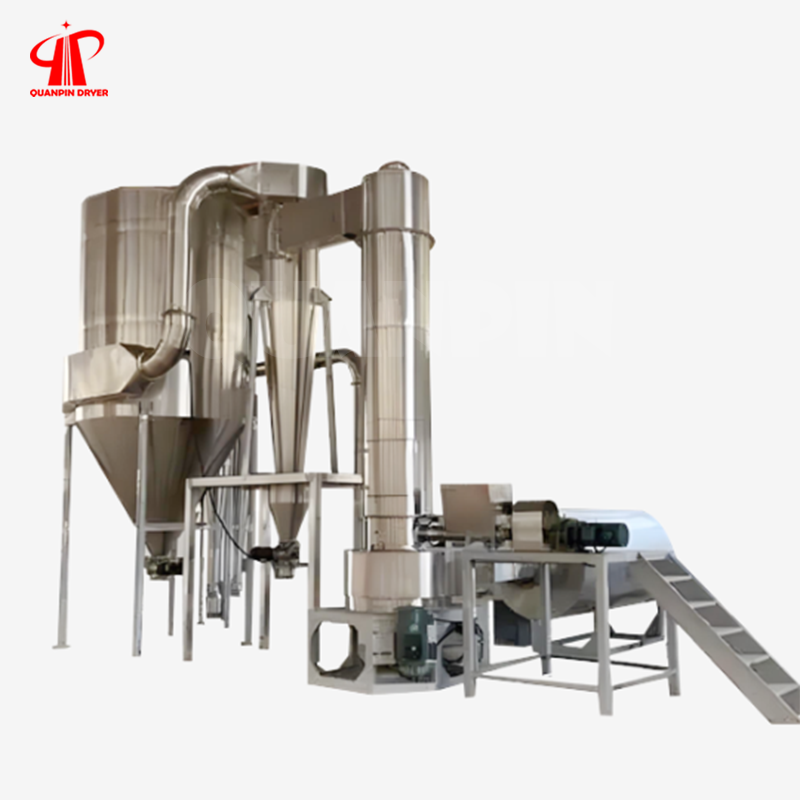
Five Steps for the Application Review
Identify the wet pigment duty
Identify the wet material and the intended chemical powder drying duty.
Describe known site utilities
Describe the site utilities and information actually available.
Draw the heating boundary
Draw the proposed heating and dryer supply boundaries.
Assign interface responsibilities
Assign responsibilities for the equipment connections and required engineering information.
Compare equivalent proposals
Compare proposals only after the scope and unresolved questions are clear.
Process Duty, Equipment and Site Connections
A drying-process requirement is not the same as an installed utility connection or a purchased heating assembly.
A statement that the site has a particular service does not establish its suitability for the proposed equipment.
Keep customer-provided services distinguishable from components confirmed within the supplier’s proposal.
If a connection or heating function is unresolved, preserve that uncertainty instead of assigning it to one party by assumption.
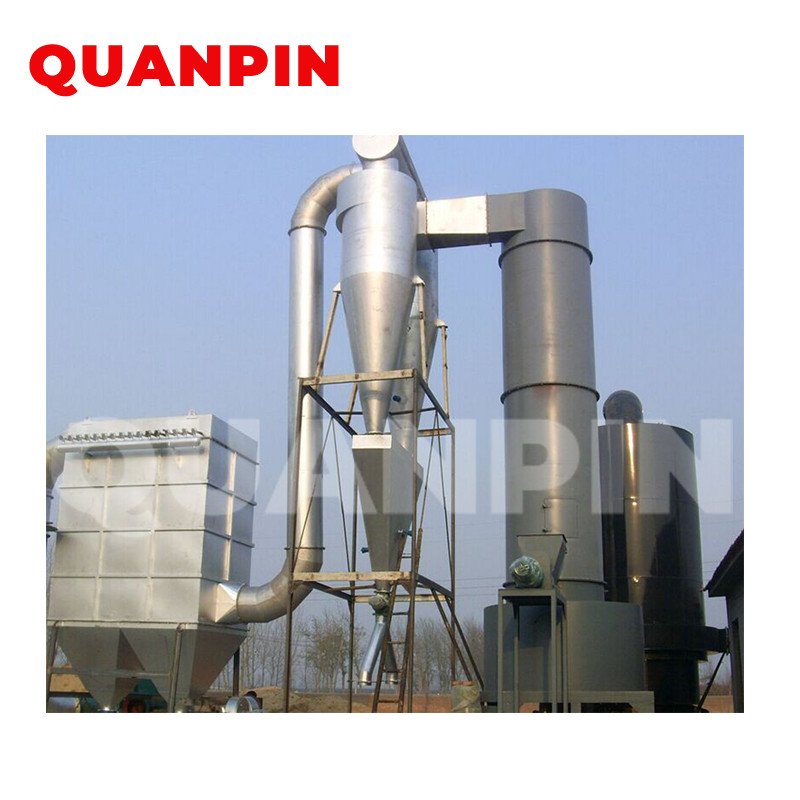
Equipment and Process Interfaces
Wet-feed delivery
The feeding arrangement presents the actual wet pigment to the reviewed drying system.
Mechanical dispersion
Mechanical dispersion exposes compatible wet material to the moving process air.
Drying chamber
The drying chamber provides the hot-air contact described for the actual XSG duty.
Heating arrangement
The heating arrangement needs an explicit scope and a review against available utilities.
Controls and connections
Controls and connections define interfaces that must be coordinated with the site.
Powder collection
Powder separation and collection remain part of the complete reviewed process rather than proof of heating-source inclusion.
Interpreting Heating Scope and Product Evidence
Define the Actual Material
Powder drying requirements should be established from the real feed and the customer’s product objectives.
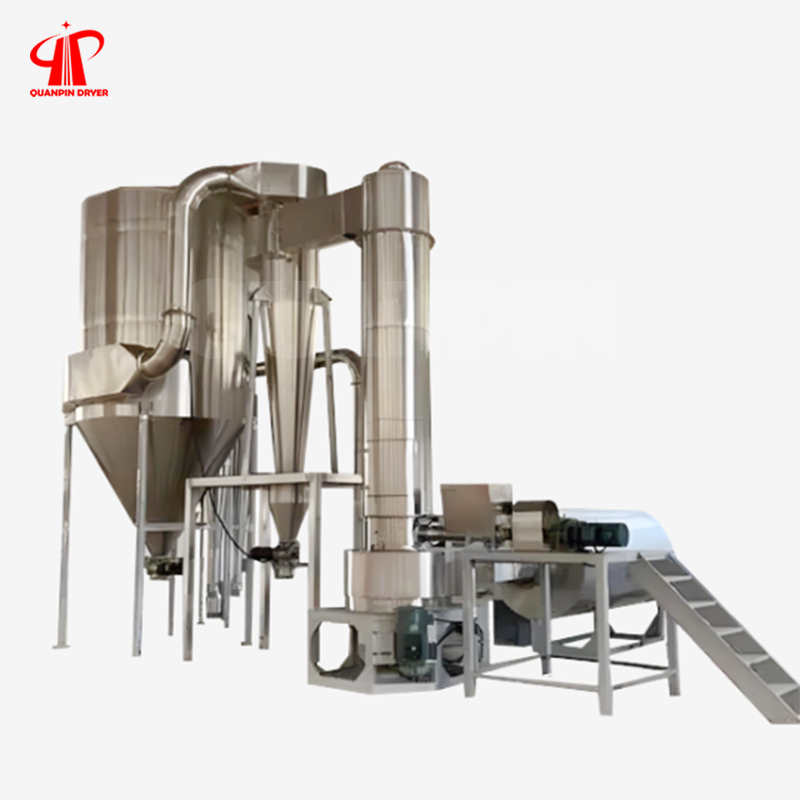
Do not select an unverified heat-source capacity from a photograph or another project’s equipment description.
An equipment proposal should distinguish confirmed supply from site work and external services provided by others.
Preserve the Relevant Boundary
The engineering team needs the actual utility information relevant to its proposed arrangement.
A quoted heating function does not independently establish the pigment’s accepted powder properties.
Representative application evidence should retain the feed, equipment configuration and collection boundary actually used.
State the Evidence Limits
Industrial drying equipment comparisons should preserve equivalent material and process requirements rather than compare disconnected component prices.
Material-specific hazard review, workplace extraction and potentially applicable site requirements need their own responsible assessment.
The final scope should identify who supplies and confirms each relevant interface before an installation is treated as defined.
Benefits and Limits of the Heating-Scope Description
A clear heating-scope description can reveal an omitted connection or a responsibility that two parties have interpreted differently. Review the actual material hazard information before defining the pigment duty. See HSE safety data sheets.
It can make an equipment-price comparison more meaningful by separating the dryer arrangement from external services. Keep chemical classification, labels and material safety information appropriate to the actual pigment. See HSE chemical classification resources.
It cannot establish a universal energy-consumption figure or guarantee operation on an unidentified site utility. Identify potentially applicable site requirements independently from powder-quality acceptance. See EPA chemical-production emissions resources.
Those conclusions require project-specific engineering and evidence for the actual material and installation.
Material, Utility and Supply-Responsibility Records
Record the pigment feed and required powder attributes.
Identify the utility information actually confirmed by the site.
Records, Handling and Safety Requirements
State which heating functions are included in the proposal.
List external equipment, services and connections supplied by others.
Keep unresolved engineering data and responsibilities visible.
Preserve the configuration used for any representative product trial.
Heat-source and process-air arrangements require review by the responsible engineering team for the actual material and site.
Operating, inspection and maintenance activities must follow approved procedures rather than assumptions drawn from an enquiry illustration. Workplace extraction needs its own design and assessment. See HSE local exhaust ventilation resources.
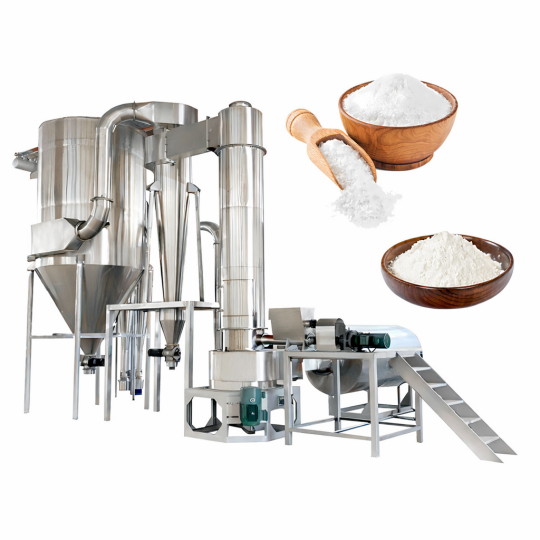
Prepare the Pigment Heating-Scope Enquiry
Compare spin flash dryer price proposals using the same drying, heating and installation boundary.
Ask QUANPIN to identify the confirmed equipment scope and the utility or connection information still needed from the customer. Assess relevant combustible-dust hazards using the actual pigment and process. See HSE dangerous substances and combustible dust guidance.
Evidence and Limits after Utility Changes
Retain the resolved heating boundary alongside the product-duty specification and final equipment configuration.
When a utility or supply responsibility changes, review the proposal rather than assuming earlier engineering conclusions remain unchanged.
Frequently Asked Questions
Are heating scope and drying duty equivalent?
A heat-source scope and a pigment drying-duty description answer different engineering questions.
Does an available utility establish suitability?
A site statement that a utility exists does not by itself confirm suitability for a proposed dryer arrangement.
Can photographs confirm heating accessories?
Heating accessories or customer connections should not be inferred from a generic product image.
Does product acceptance establish site safety?
Product acceptance and site or process safety require separate relevant evidence.
Does a component quote establish energy performance?
A component quotation cannot establish universal energy consumption or complete installation performance.
What should the heating-scope enquiry identify?
The enquiry should identify the actual material duty, available utility information, confirmed heating supply and unresolved project interfaces.
Discuss Your Application with QUANPIN
Discuss the confirmed XSG Rotating Flash Dryer application with QUANPIN. Use the enquiry form or the contact page to describe your project.
Email sales@qpdryer.com or stacie@qpdryer.com. Call +86 19850785582, or contact us on WhatsApp: +86 15921493205.
For process evaluation, consider the spin flash dryer manufacturer for rapid contact between suitable dispersed feed and drying air; and the hollow paddle dryer for indirect heat transfer to suitable wet solids. Confirm suitability with representative material, the required product properties and the proposed process conditions.