Extrusion Granulator for Pharmaceutical Wet Mass: Distinguish Extrudate Length from Opening Size
By QUANPIN
An Extrusion Granulator opening size and a measured extrudate length describe different dimensions. Identify the actual observation before treating a fitted component designation as a complete pharmaceutical product-shape result.
The measured material also needs a stated process condition because collection and subsequent treatment can create a different examination boundary. Explore matching pharmaceutical applications.
Which Dimension Is Being Described?
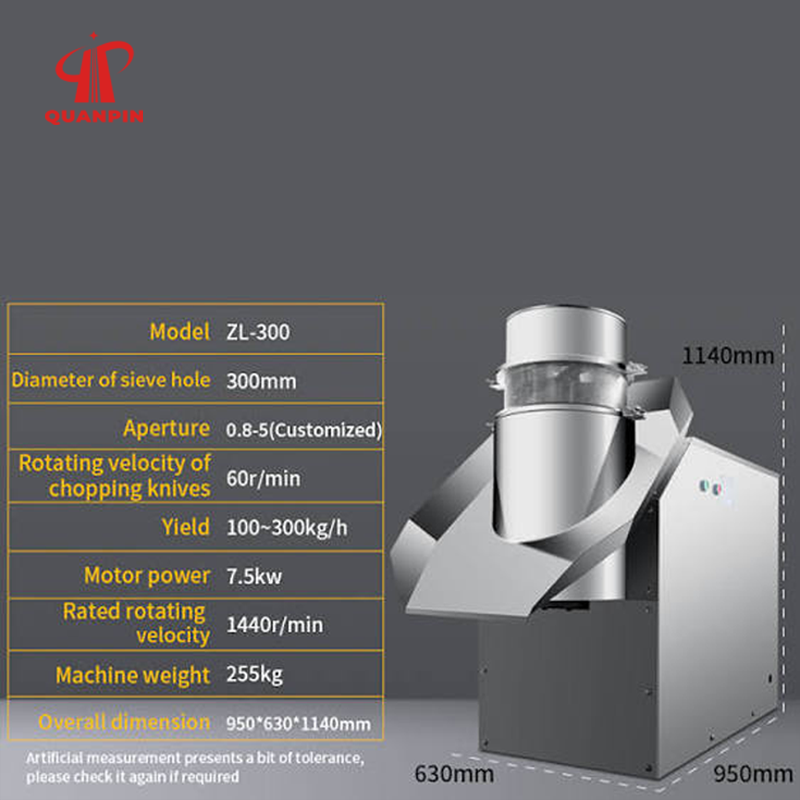
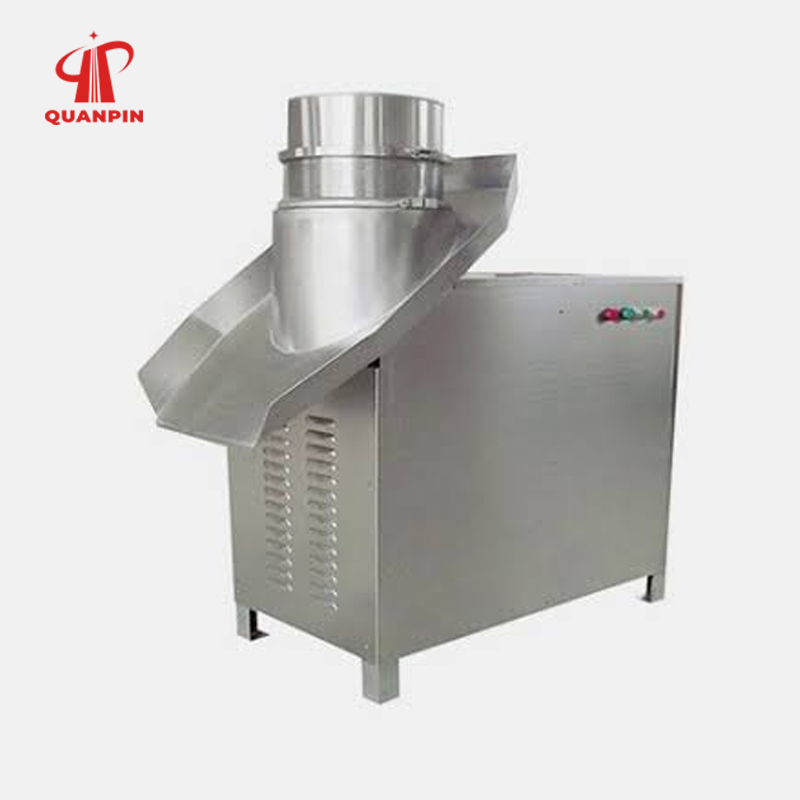
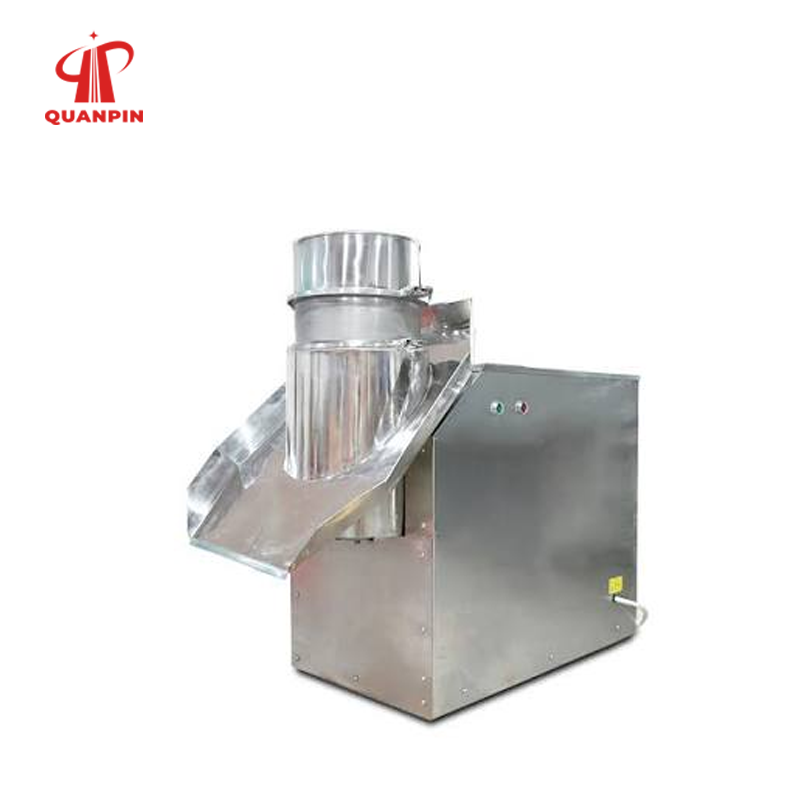
The JZL is reviewed for compatible extrusion duties using the actual prepared material and confirmed fitted arrangement.
The working opening belongs to that equipment configuration; the material leaving it requires its own observation and appropriate product assessment. Use product-specific development knowledge to justify the attributes being examined. See FDA ICH Q8 pharmaceutical development.
Extrusion Configuration and Product Observation
For pharmaceutical granulation equipment, distinguish a drawing dimension from a result measured on collected material.
Do not assume that one opening description establishes every dimension of the extrudate or the finished granule.
Five Steps to Define the Dimensional Question
Identify the actual duty
Identify the actual material and extrusion configuration.
State the opening reference
State the fitted opening reference available from confirmed documentation.
Define the measured dimension
Define which extrudate dimension is being assessed.
Preserve the examination method
Preserve the collection and examination method.
Assess the receiving process
Interpret the result for the actual material state and intended next process.
Four Different Geometry and Evidence Boundaries
An equipment-opening designation describes a feature of the configured assembly.
Extrudate length describes a dimension of the material selected for examination.
A distribution of observed lengths describes a sample using a stated method rather than one universal geometry.
A finished-granule result may follow other operations and should retain that separate process history.
Equipment, Collection and Later Treatment
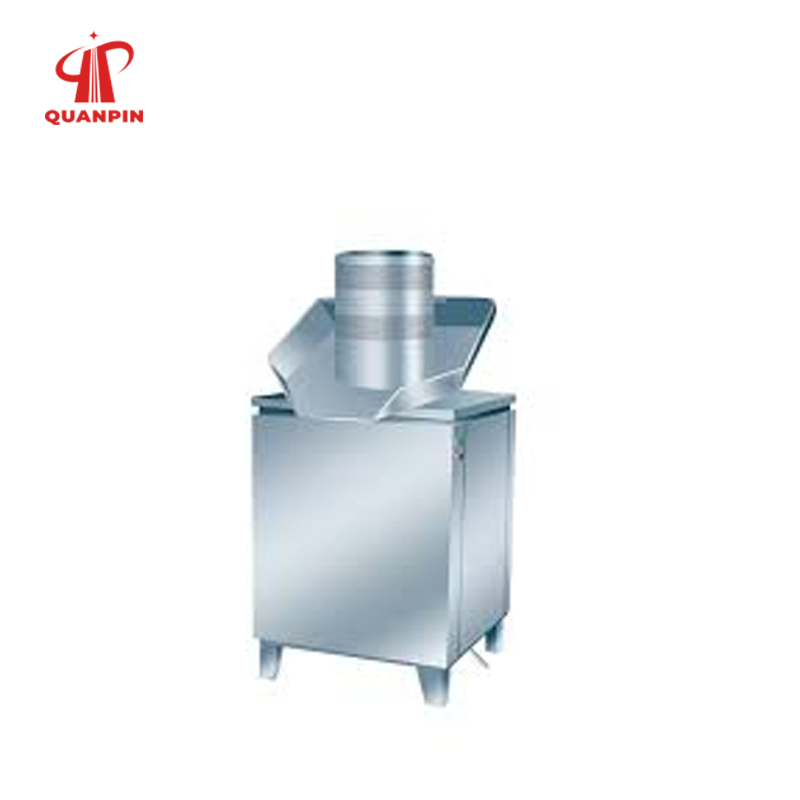
Prepared-material feed
The feed arrangement presents the prepared material to the extrusion assembly.
Working assembly
The working assembly performs the confirmed forming operation for the reviewed duty.
Fitted opening
The fitted opening belongs to the actual component and configuration record.
Extrudate collection
Collection determines which extrudate becomes available for examination.
Transfer and shaping
Transfer and subsequent shaping can introduce further material handling.
Drying and later sizing
Drying or later sizing establishes another material state where included in the actual route.
Interpreting the Actual Extrudate Measurement
Define the assessment purpose
A pharmaceutical granulator study should state the purpose of the dimensional assessment before choosing a reported descriptor.
If the question concerns length, identify the collected material and the method used to examine it.
Do not substitute an opening-size label for a measurement that was not made.
Keep wet and later states distinct
In wet granulation development, keep the fresh wet condition distinguishable from later dried or shaped material.
Preserve handling that could affect the pieces selected for examination without assuming a particular change occurred.
A granulation and drying line can contain several opportunities for material treatment, so identify the operation associated with each result.
Review the complete product evidence
Do not combine results from unlike material states silently into one claimed product dimension.
An observed dimensional difference needs its appropriate formulation and process review.
The relevant acceptance question should reflect the intended receiving operation rather than an unverified universal length target.
Pharmaceutical Product Assessment and Limits
Separating the dimensions can expose a question that a component designation cannot answer.
It also prevents a drawing reference from being expanded into a complete product-shape guarantee. A development comparison should not be presented as complete validation of an untested production process. See FDA process validation guidance.
The distinction does not prescribe an acceptable length or a universal relationship between the opening and collected material.
Those requirements need actual material evidence and the applicable product-assessment basis.
Document Material and Fitted Opening Identity
Record the prepared material and actual extrusion stage.
Identify the fitted opening using the confirmed component reference. Assess relevant quality risks using the actual material and process context. See FDA ICH Q9 quality risk management.
Dimensional Records, Handling and Safe Examination
State the dimension and reporting descriptor being examined.
Preserve the collection point and specimen-handling history.
Identify the material state and analytical method.
Keep subsequent operations and their separate product results traceable. Interpret measurements through process understanding rather than treating an isolated instrument reading as product acceptance. See FDA process analytical technology framework.
Collection and examination should follow the relevant safe operating and material-control procedures.
Do not seek dimensional evidence through unsafe access to moving extrusion equipment.
Provide QUANPIN with the Dimensional Scope
Send QUANPIN the actual forming duty and the dimensional question requiring review.
Include the fitted configuration, collection boundary and the intended next process for the extrudate.
Retain Component and Product Evidence Separately
The enquiry should distinguish confirmed equipment dimensions from product properties that require representative material assessment.
Retain the agreed interpretation with the component record and the actual sample-examination results. Retain knowledge and manage adopted process changes through the pharmaceutical quality system. See FDA ICH Q10 pharmaceutical quality system.
Frequently Asked Questions
Are opening size and length identical?
An opening designation and an extrudate length are different measurements.
Does one dimension establish complete product geometry?
One equipment dimension does not establish every dimension of the collected product.
Are wet and later treated samples equivalent?
Fresh wet extrudate and later treated granules can represent different examination boundaries.
Can a drawing replace an unmade observation?
A missing dimensional observation should not be supplied by assumption from a drawing.
What determines relevant product attributes?
The intended receiving process determines which product attributes require appropriate assessment.
What should the dimensional enquiry identify?
The enquiry should identify the configuration, actual sample, material state and dimension being reviewed.
Discuss Your Extrusion-Granulator Product Duty with QUANPIN
Discuss the matching QUANPIN equipment with QUANPIN. Use the enquiry form or our contact page to describe the actual application.
Email sales@qpdryer.com or stacie@qpdryer.com. Call +86 19850785582, or contact us on WhatsApp: +86 15921493205.