High Shear Granulator: Keep Binder-Liquid Identity Separate from the Supplier Trade Name
By QUANPIN
A binder’s supplier trade name is not a complete description of the liquid actually used in a high shear granulator trial. Identify the supplied material, its documented grade and the prepared liquid before comparing pharmaceutical wet-granulation results.
An unchanged commercial name should not silently stand for an unverified preparation or composition. Explore matching pharmaceutical applications.
Which Binder Liquid Was Actually Used?
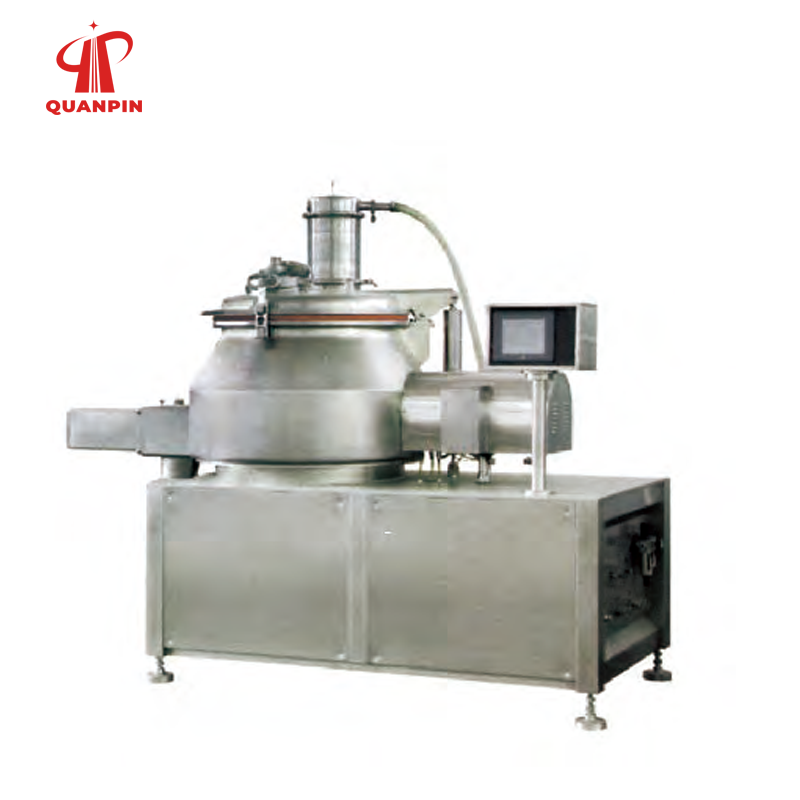
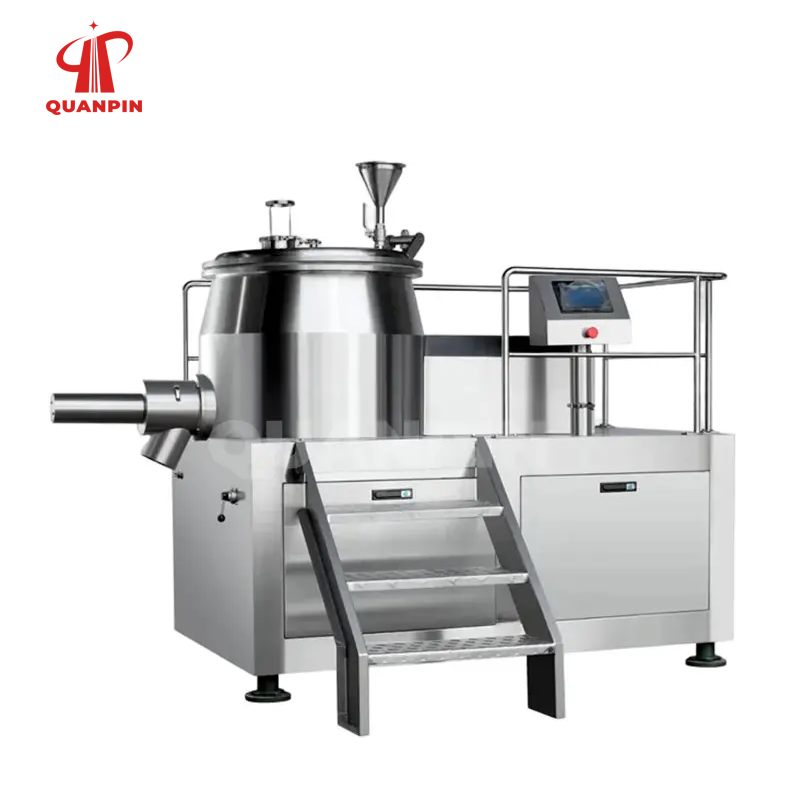
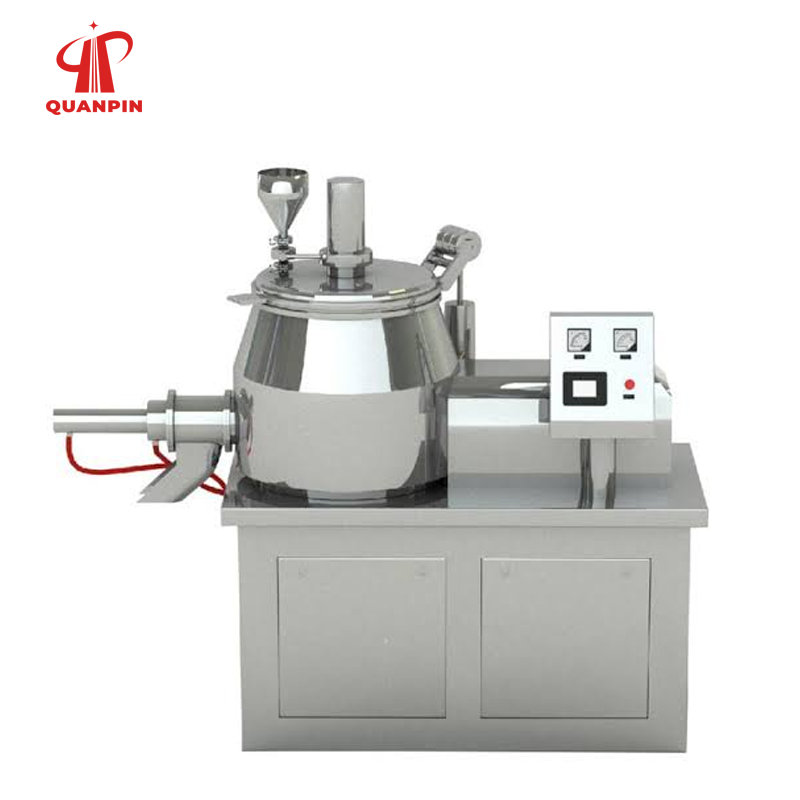
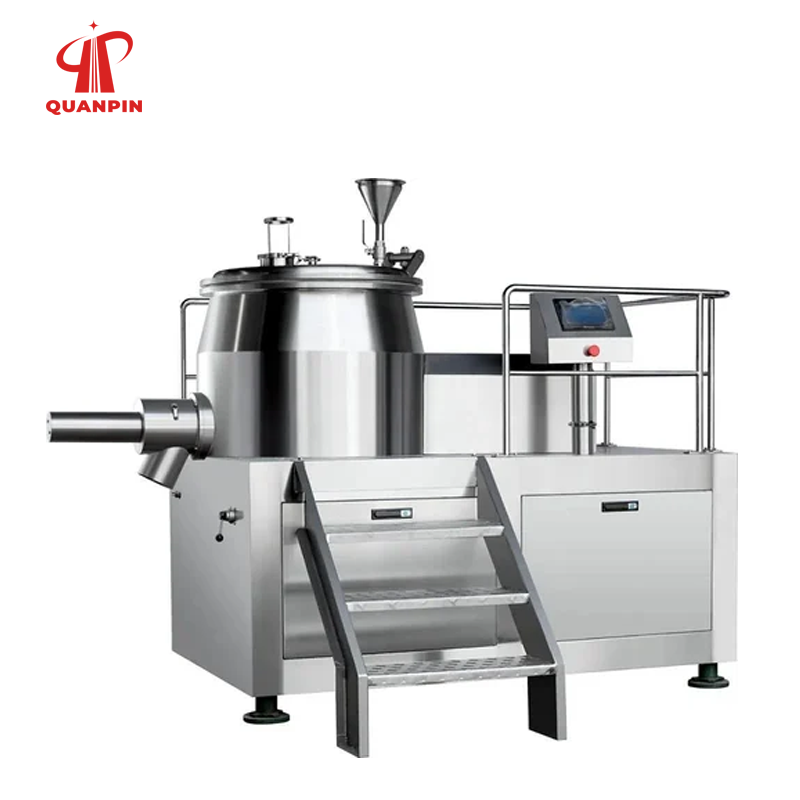
The GHL rapid mixer granulator distributes binder through powder using its impeller, while the chopper acts on wet agglomerates.
That equipment principle does not identify the composition or suitability of a binder purchased under a commercial description. Use product-specific development knowledge to justify the attributes being examined. See FDA ICH Q8 pharmaceutical development.
GHL Functions and Liquid Identity
A high shear mixer granulator enquiry should preserve the relationship between the supplier material and the liquid presented for addition.
Upstream preparation and dilution, where actually performed, need their own documented identity and scope.
Five Steps to Describe the Actual Binder
Identify supplied material
Identify the supplied binder material from the available supplier information.
Describe actual preparation
Describe the actual preparation used for the trial.
State the delivered liquid
State which prepared liquid reached the addition boundary.
Preserve the records
Preserve relevant material and preparation records.
Review the actual formulation
Review the granulation evidence for that actual formulation duty.
Four Levels of Binder Identification
The trade name identifies a commercial description but may not state every attribute needed for a technical review.
The supplier’s grade or material reference provides a more specific identity where documented.
The prepared binder liquid includes its actual preparation history.
The delivered liquid describes the material that reached the granulator rather than everything associated with the purchase description.
Supply, Preparation and Addition Interfaces
Supplied-material container
The supplied-material container belongs to the upstream handling route.
Preparation equipment
Preparation equipment is included in the project only when expressly confirmed.
Transfer contacts
Transfer contacts connect the prepared liquid to the proposed addition arrangement.
Addition boundary
The actual binder-addition boundary defines where the liquid enters the granulator scope.
Working assembly
The impeller and chopper provide the confirmed mechanical functions within the working vessel.
Downstream process
Discharge and downstream treatment establish later material states used for product assessment.
Comparing Documented Material and Preparation
Avoid commercial-name assumptions
A high shear wet granulator comparison should identify the actual binder rather than rely on a repeated commercial label.
If the available supplier information is incomplete, preserve the gap instead of inventing a proprietary composition.
Do not assume that two supplied grades are equivalent because their names share a familiar term.
Preserve preparation differences
Likewise, identical supplied material does not establish identical prepared liquid when preparation differs.
In wet granulation development, record actual powder and binder identities together with the configured operation.
A preparation instruction should remain distinguishable from the record of what was actually prepared.
Review formulation evidence
Keep any relevant change in supplied material or preparation visible when interpreting historical results.
An observed granule difference requires its appropriate development review rather than an automatic conclusion about the mixer.
The formulation owner should determine which documented binder attributes and compatibility information are necessary for the actual duty.
Pharmaceutical Formulation and Evidence Limits
Clear liquid identity can expose an incomplete enquiry before equipment or trial conclusions are extended.
It can also distinguish a supplier-information question from a preparation or addition-interface question. A development comparison should not be presented as complete validation of an untested production process. See FDA process validation guidance.
The record does not prescribe a universal binder grade, composition or processing setting.
Material suitability and pharmaceutical product acceptance require the actual formulation and relevant evidence.
Document Supplied Material and Supplier Information
Record the supplied material reference and available grade information.
Preserve the supplier documents applicable to that material. Assess relevant quality risks using the actual material and process context. See FDA ICH Q9 quality risk management.
Preparation Records, Compatibility and Safe Handling
Describe the actual preparation and any separately recorded holding activity.
Identify the prepared liquid and transfer route used for addition.
Record the configured granulator and intended downstream process.
Keep unresolved identity or compatibility questions explicit for the appropriate review. Interpret measurements through process understanding rather than treating an isolated instrument reading as product acceptance. See FDA process analytical technology framework.
Review the actual liquid’s hazards and compatibility rather than inferring them solely from a trade name.
Preparation, transfer and granulator access must follow the applicable safe operating and cleaning procedures.
Provide QUANPIN with the Liquid-Identity Scope
Send QUANPIN the available supplied-material description and the actual liquid-preparation scope.
Ask for confirmation of preparation or addition equipment without assuming those functions belong to every granulator configuration.
Retain Actual Material Evidence and Uncertainty
The equipment enquiry should distinguish confirmed liquid identity from information that remains proprietary or unavailable.
Retain the actual material and preparation records with the representative granulation evidence. Retain knowledge and manage adopted process changes through the pharmaceutical quality system. See FDA ICH Q10 pharmaceutical quality system.
Frequently Asked Questions
Does a trade name fully identify the liquid?
A supplier trade name alone is not a complete technical description of the prepared binder.
Can proprietary composition be inferred?
An undocumented proprietary composition should remain unknown rather than be inferred.
Are similarly named grades equivalent?
Different supplied grades should not be assumed equivalent by a shared name.
Does common supply prove common preparation?
The same supplied material can have a different preparation history before addition.
Does a granule result identify the binder?
A granule result does not retrospectively establish an unidentified liquid’s composition or suitability.
What should the enquiry include?
The enquiry should identify the supplied reference, prepared liquid, actual route and unresolved technical questions.
Discuss Your High-Shear Granulator Binder Duty with QUANPIN
Discuss the matching QUANPIN equipment with QUANPIN. Use the enquiry form or our contact page to describe the actual application.
Email sales@qpdryer.com or stacie@qpdryer.com. Call +86 19850785582, or contact us on WhatsApp: +86 15921493205.