KZL Granulator-Crusher: Separate Analytical Sieve Blinding from Processing-Screen Condition
By QUANPIN
A processing screen and an analytical sieve perform different roles in a pharmaceutical granule study. An unexpected sieve result does not automatically identify the condition of the KZL screen.
The High-Speed Granulator/Crusher review should preserve both the actual sizing configuration and the laboratory method used to assess its output. See pharmaceutical applications.
Define the Evidence Question
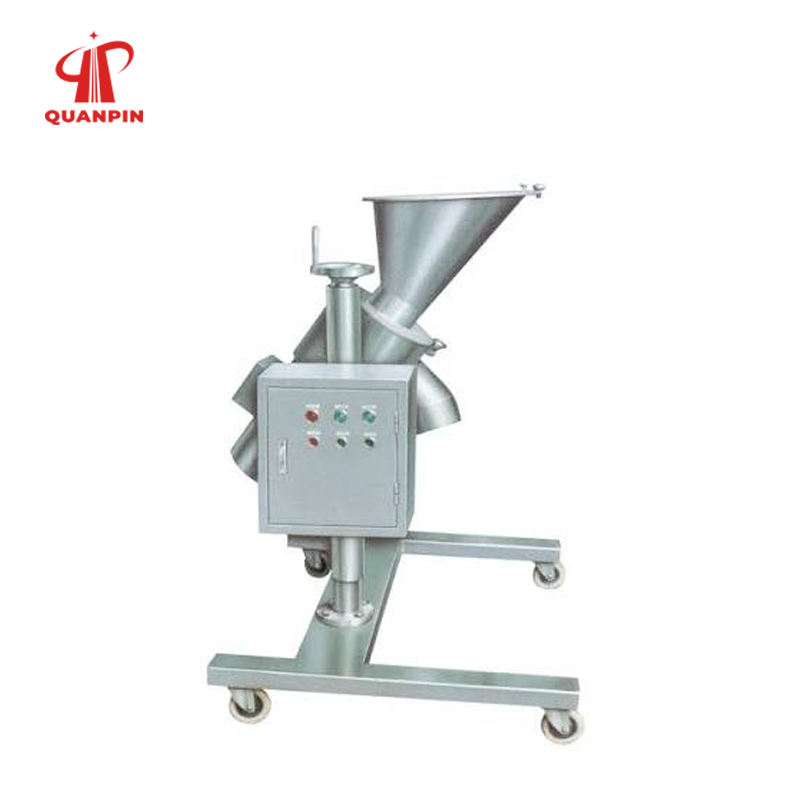
The KZL works compatible material through a rotor-and-screen arrangement to perform the reviewed sizing duty.
An analytical sieve then forms part of a measurement procedure, rather than becoming another name for the fitted processing component. Use product-specific development knowledge to justify the attributes being examined. See FDA ICH Q8 pharmaceutical development.
State the Review Boundary
Identify whether the concern was observed during sizing, during laboratory examination or at both stages.
Avoid treating the phrase screen problem as a diagnosis before the relevant component and observation are identified.
Five Steps for a Traceable Comparison
Identify granules and material condition
Identify the incoming granules and their wet or dry condition.
Preserve the KZL configuration
Preserve the rotor and processing-screen configuration used for the sample.
Describe specimen preparation and sieve method
Describe the laboratory specimen preparation and sieve method.
Record process and laboratory observations
Record the actual observations made at each stage.
Evaluate without assuming a common cause
Evaluate product results without assuming that one observation proves the other’s cause.
Separate the Four Relevant Records
A process screen belongs to the equipment configuration and its approved operating review.
An analytical sieve belongs to the test method and specimen-preparation record.
Observed obstruction during testing should retain its identity as a laboratory observation.
A product-size conclusion also needs the actual sample and method, not only a description of an aperture.
Equipment and Evidence Interfaces
Feed arrangement
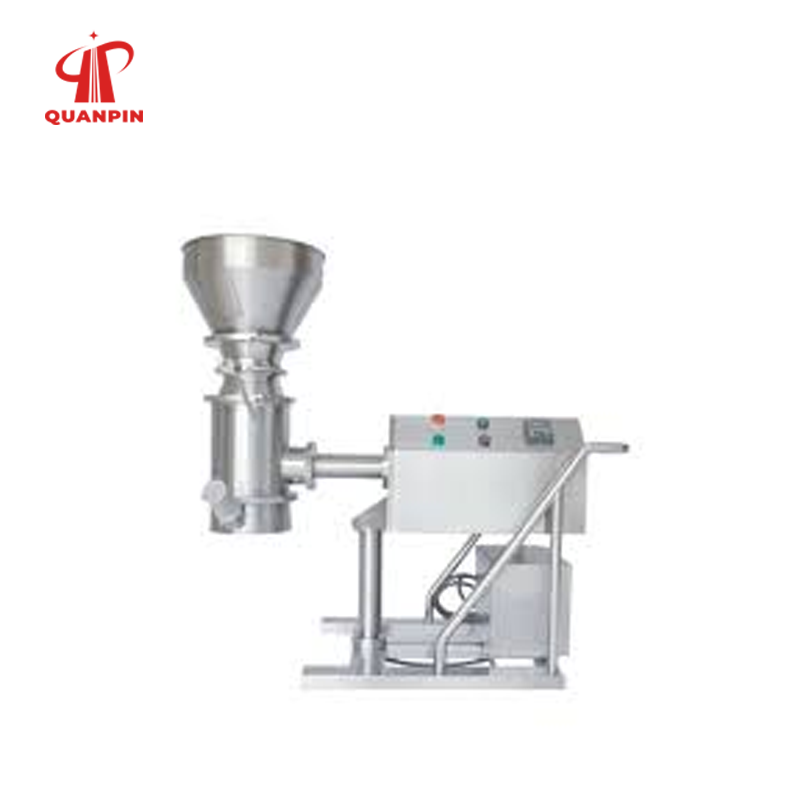
The feed arrangement establishes which granules reach the KZL working assembly.
Rotor action
The rotor provides the mechanical action examined for the actual material.
Processing-screen configuration
The fitted processing screen identifies a component whose condition needs its own evidence.
Product collection
Collection determines where sized material becomes available for sampling.
Laboratory specimen preparation
Laboratory preparation establishes what is presented to the analytical sieve.
Analytical test report
The test report records the measurements and limitations of that examination.
Interpret the Actual Results
Define the reference basis
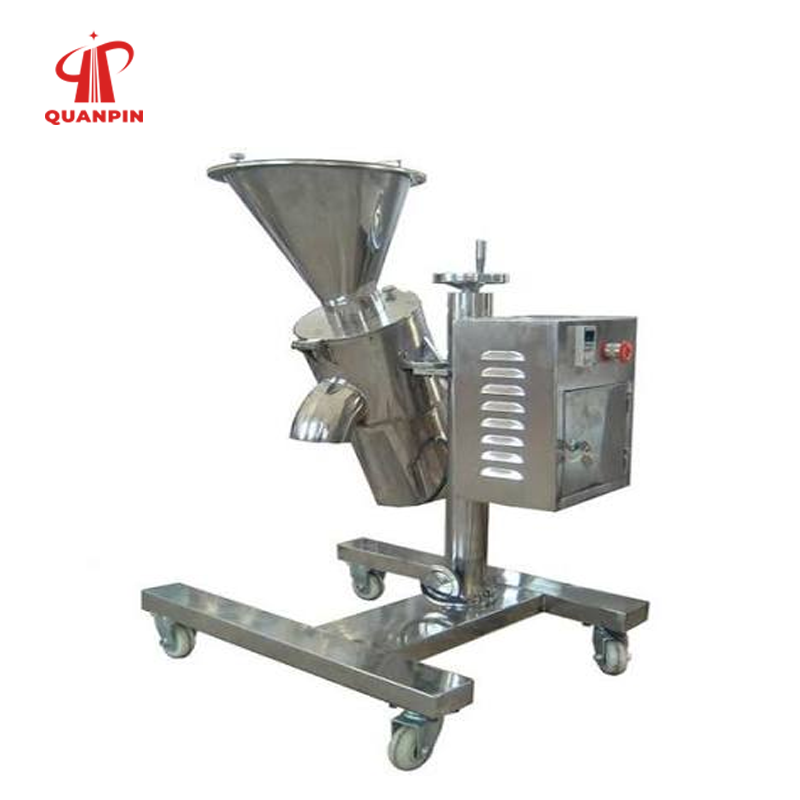
A high speed granulator trial should keep the processed sample linked to its fitted configuration.
For pharmaceutical granulation equipment, a lower passing fraction may prompt an investigation but does not independently establish a machine fault.
Preserve any observations of analytical sieve obstruction through the relevant laboratory procedure.
Keep changes visible
Do not remove or alter material informally and then report the resulting measurement as though preparation was unchanged.
A pharmaceutical granulator enquiry should identify whether product was assessed before or after another operation.
In a wet granulation route, clarify whether the sample underwent drying before the analytical examination.
Assess the relevant product
If two reports use different preparation or testing conditions, state the difference before comparing their distributions.
An inspection of the KZL screen addresses its own condition and should not be substituted for a laboratory-method review.
The appropriate investigation connects both records without assuming a universal cause or corrective setting.
Benefits and Limits of the Review
Distinguishing the two screens can prevent the wrong equipment component from being blamed for a testing observation.
It can also reveal that apparently different product results came from unlike analytical conditions. A development comparison should not be presented as complete validation of an untested production process. See FDA process validation guidance.
The distinction cannot determine a cause when the sample or method record is missing.
Retain that uncertainty rather than converting an incomplete account into a guaranteed equipment conclusion.
Identify the Material and Method
Record the actual granule identity and processing stage.
Identify the fitted KZL screen and relevant component observations. Assess relevant quality risks using the actual material and process context. See FDA ICH Q9 quality risk management.
Records, Handling and Safe Access
Preserve the sample-collection boundary and any subsequent handling.
Describe the analytical specimen preparation and method reference.
Keep the laboratory observation separate from the processing inspection.
State the product requirements and the evidence still needed to interpret the result. Interpret measurements through process understanding rather than treating an isolated instrument reading as product acceptance. See FDA process analytical technology framework.
Inspect the KZL assembly only through approved shutdown and isolation procedures.
Laboratory sieve handling likewise requires its applicable safe procedure; this article provides no instruction for clearing an obstruction.
Provide QUANPIN with the Application Scope
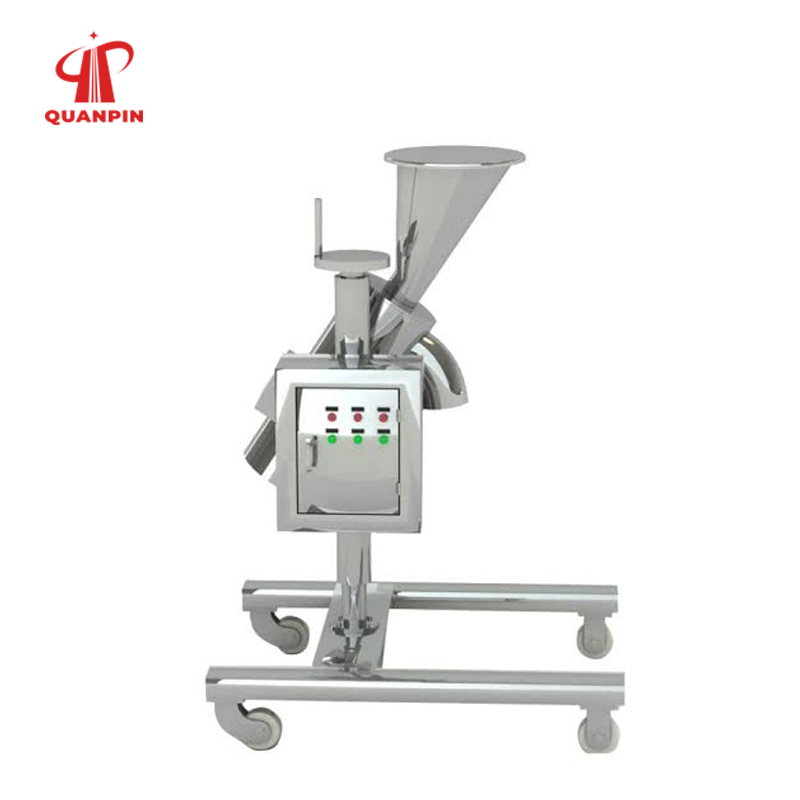
Provide QUANPIN with the equipment configuration and the product-processing concern.
Keep laboratory-method questions identifiable for the appropriate analytical review rather than assigning them to the supplier by assumption.
Preserve the Evidence and Its Limits
Retain the final investigation with the process and test records that support its interpretation.
Future comparisons should preserve both boundaries so that a changed method is not hidden behind the same product name. Retain knowledge and manage adopted process changes through the pharmaceutical quality system. See FDA ICH Q10 pharmaceutical quality system.
Frequently Asked Questions
Are the process screen and analytical sieve interchangeable?
The processing screen and analytical sieve are distinct components within different activities.
Does a low passing fraction prove machine malfunction?
A low measured passing fraction alone does not prove malfunction of the sizing equipment.
Should specimen preparation remain visible?
Specimen preparation remains part of the result and should not be changed without an identifiable record.
Can a changed laboratory method be compared directly?
Results from changed methods need an appropriate comparability review before direct interpretation.
Does sieve inspection replace product assessment?
Screen inspection cannot replace the product tests required for pharmaceutical acceptance.
What should the investigation identify?
The enquiry should identify material state, KZL configuration, laboratory method, observed findings and the question requiring investigation.
Discuss the Confirmed Application with QUANPIN
Discuss the confirmed KZL High-Speed Granulator/Crusher application with QUANPIN. Use the enquiry form or the contact page to describe your project.
Email sales@qpdryer.com or stacie@qpdryer.com. Call +86 19850785582, or contact us on WhatsApp: +86 15921493205.