Extrusion Granulator for Pharmaceutical Wet Mass: Define the Trial Collection Interval
By QUANPIN
An Extrusion Granulator trial collection interval defines which material belongs to a reported observation. State its beginning, end and collection boundary before comparing pharmaceutical wet-mass results.
An unexplained collection window can make otherwise accurate weights or samples difficult to interpret without proving that the extrusion equipment performed differently. Explore matching pharmaceutical applications.
Which Material Does the Collection Interval Represent?
The JZL is reviewed for compatible extrusion duties using the actual prepared material and confirmed fitted arrangement.
Material leaving the extrusion operation may undergo further shaping, drying or other separately specified treatment. Use product-specific development knowledge to justify the attributes being examined. See FDA ICH Q8 pharmaceutical development.
Extrusion and Later Processing Boundaries
For pharmaceutical granulation equipment, identify whether a collection represents startup material, an agreed observation interval or the complete run.
Do not select a favorable portion silently and describe it as the output of every operating condition.
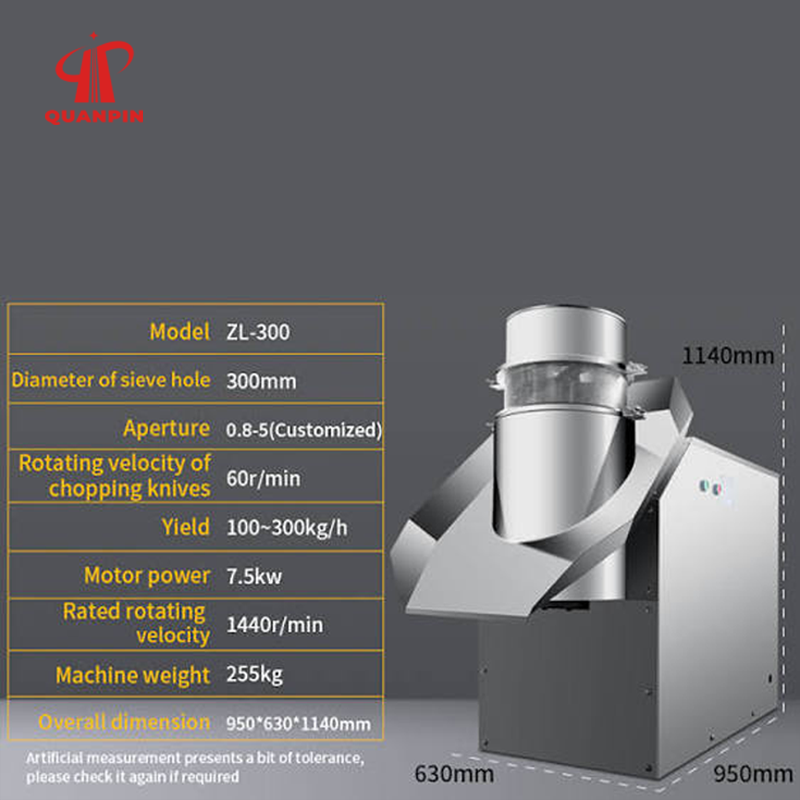
Five Steps to Define the Observation Window
Define the study objective
Define the development question and required product attributes.
State the collection window
State when the reported collection begins and ends.
Identify collected fractions
Identify the physical outlet and collected fractions.
Preserve sample relationships
Preserve samples and handling records for that interval.
Report the stated scope
Report the result with its actual scope and limitations.
Four Timing and Material Distinctions
Elapsed time, active extrusion time and the stated collection interval can describe different periods.
A pause or container change should remain visible when it affects which material entered a sample.
Material remaining in the equipment at the end of a window is not automatically collected product.
Downstream material collected later should not be silently assigned to an earlier extrusion interval.
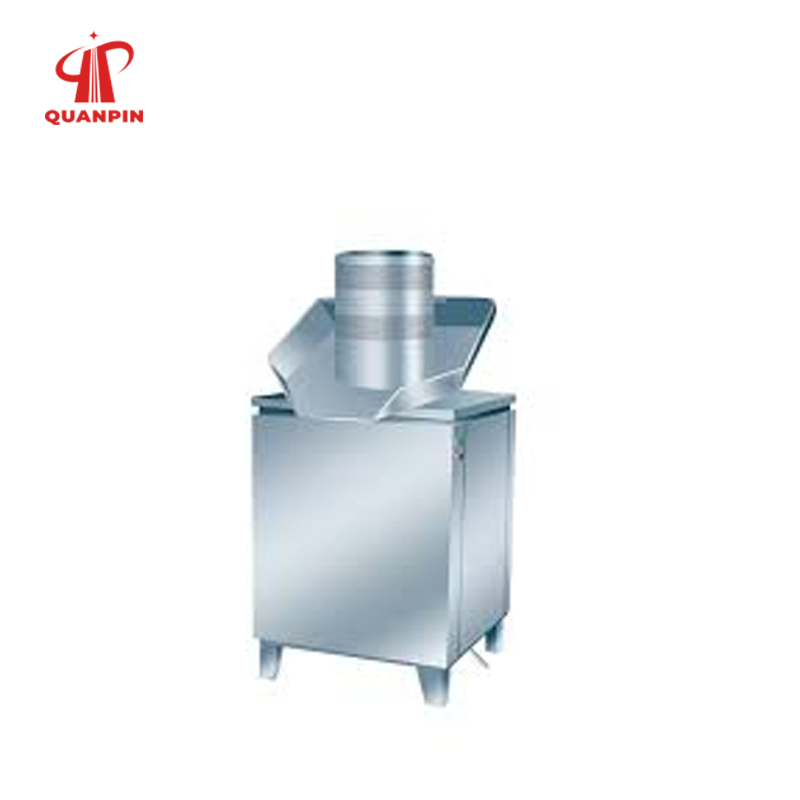
Equipment and Collection Interfaces
Prepared wet-mass feed
Feed presentation establishes what prepared wet mass reaches the working assembly.
Extrusion arrangement
The extrusion arrangement performs the confirmed forming operation for the reviewed material.
Fitted opening
The fitted opening belongs to the actual configuration record.
Collection containers
Collection containers identify where extrudate from the stated interval was received.
Downstream transfer
Any transfer to shaping or drying creates a further process boundary.
Controls and access
The actual controls and safe-access provisions determine what operating observations can be recorded.
Comparing Like-for-Like Trial Windows
Align collection boundaries
A pharmaceutical granulator comparison should use collection windows that answer the same development question.
If one run includes a startup portion and another excludes it, describe that difference before interpreting output or sample results.
Keep rejected, retained or otherwise removed material identifiable rather than hiding it outside the account.
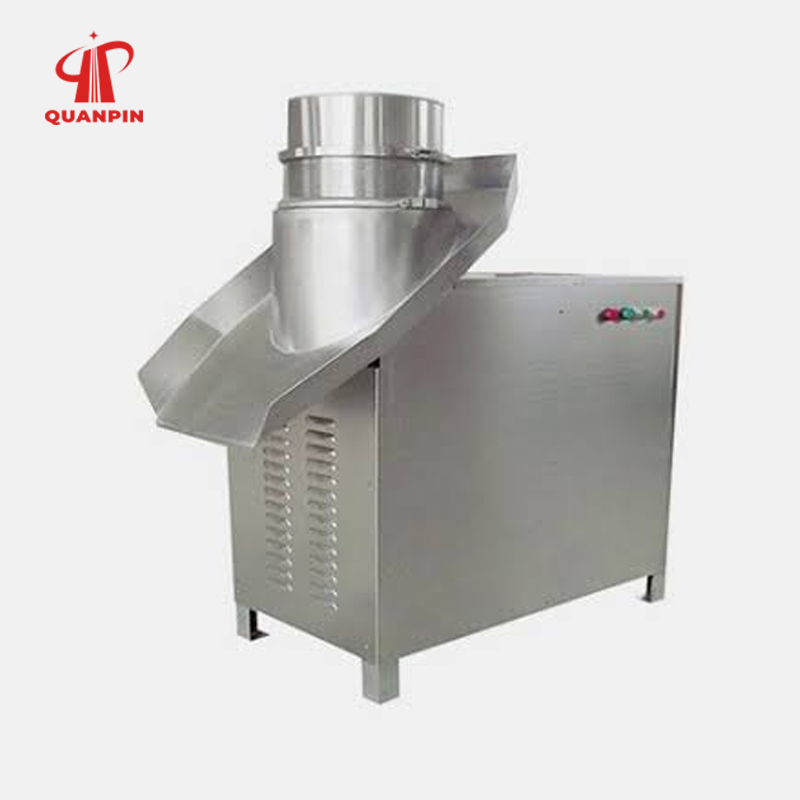
Preserve wet-mass history
Document whether reported mass is measured at the extrusion outlet or after later handling.
Wet granulation studies should preserve the wet-mass preparation history associated with the collected portion.
An outlet sample should identify the interval it represents, not merely the day on which the trial occurred.
Separate observations from capacity claims
A granulation and drying line can contain several collection times, so name the operation and material state for each result.
Use the analytical method appropriate to the stated sample rather than treating timing records as product acceptance.
A defined interval supports interpretation but does not establish commercial throughput or an untested continuous operating range.
Pharmaceutical Material and Analytical Evidence
Clear collection windows can reveal that an apparent difference arises from accounting boundaries.
They also make it easier to relate analytical samples to the actual operation observed. A development comparison should not be presented as complete validation of an untested production process. See FDA process validation guidance.
The window should not be chosen after testing merely to conceal less favorable material.
The development procedure should explain how the collection approach serves the actual study objective.
Document Wet-Mass Identity and Configuration
Record the formulation and prepared wet-mass identity.
Identify the extrusion configuration and fitted components. Assess relevant quality risks using the actual material and process context. See FDA ICH Q9 quality risk management.
Collection Records, Timing and Safe Handling
State the collection start, end and any interruptions.
Identify the receiving containers and collected fractions.
Preserve sample identifiers and any later handling stages.
Report the calculation or observation on the same stated interval basis. Interpret measurements through process understanding rather than treating an isolated instrument reading as product acceptance. See FDA process analytical technology framework.
Use the approved procedure for collection, container changes and safe access to the installation.
Material compatibility, exposure and cleaning requirements remain separate from the collection-accounting question.
Provide QUANPIN with the Collection-Interval Scope
Send QUANPIN the actual trial objective and the proposed outlet-collection boundary.
Explain how samples and reported results will be related to the defined extrusion interval.
Retain the Observation Window and Its Limits
The enquiry should distinguish a development observation from a requested production-performance statement.
Retain the collection record with the actual machine configuration and relevant product evidence. Retain knowledge and manage adopted process changes through the pharmaceutical quality system. See FDA ICH Q10 pharmaceutical quality system.
Frequently Asked Questions
Is collection time the full running period?
A collection interval is not necessarily the complete machine running period.
Can one favorable portion represent every condition?
A favorable selected portion should not be presented as evidence for every untested condition.
Why record interruptions?
Startup, interruptions and container changes should remain identifiable when relevant to interpretation.
Is retained material collected output?
Material still inside the system is not automatically an accepted collected fraction.
Does downstream sampling use the same boundary?
A downstream sample may represent a different operation and material state.
What should the interval enquiry state?
The enquiry should state the physical boundary, timing basis, collected fractions and analytical purpose.
Discuss Your Extrusion-Granulation Application with QUANPIN
Discuss the matching QUANPIN equipment with QUANPIN. Use the enquiry form or our contact page to describe the actual application.
Email sales@qpdryer.com or stacie@qpdryer.com. Call +86 19850785582, or contact us on WhatsApp: +86 15921493205.