JZL Extrusion Granulator: Review Transfer Losses as a Separate Development Observation
By QUANPIN
Transfer losses after an Extrusion Granulator should be recorded as their own development observation. Material leaving the extrusion outlet and material recovered at a later receiver are not automatically the same accounting boundary.
A difference between those observations needs an understandable material route before it is described as an extrusion-performance result. Explore matching pharmaceutical applications.
Where Was the Material Difference Observed?
The JZL is reviewed for the actual compatible wet-mass extrusion duty and confirmed equipment configuration.
Any subsequent collection, holding, shaping or drying operation should be separately identified in the project scope. Use product-specific development knowledge to justify the attributes being examined. See FDA ICH Q8 pharmaceutical development.
Extrusion Output and Downstream Handling
For pharmaceutical granulation equipment, distinguish the immediate extrusion output from the material delivered after external handling.
An unexplained shortage at a downstream receiver cannot by itself identify where material remained or was removed.
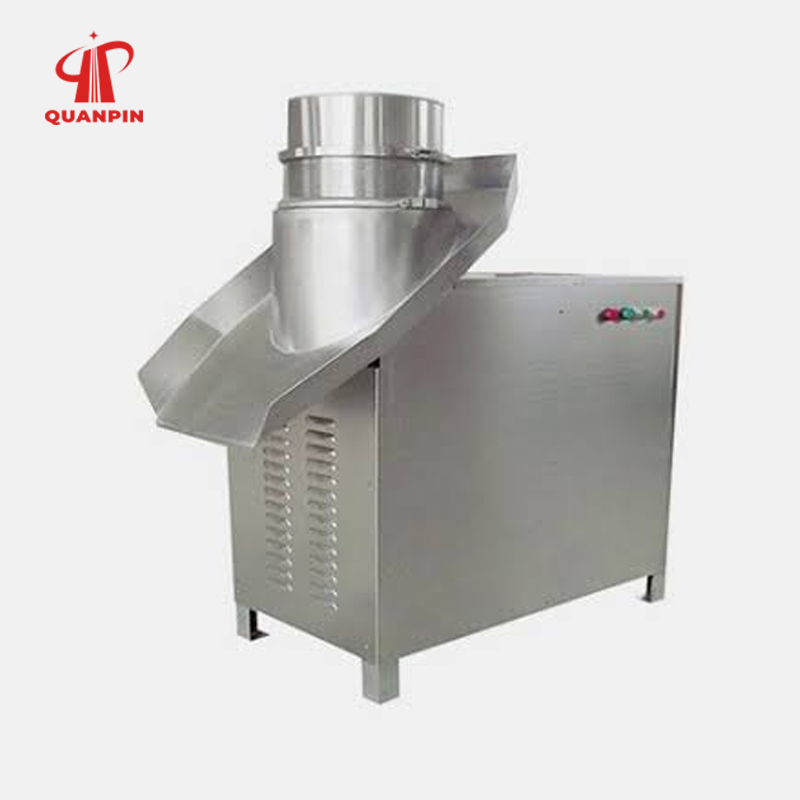
Five Steps to Investigate the Transfer Boundary
Draw the two boundaries
Draw the extrusion outlet and receiving boundary.
Identify intervening operations
Identify every collection and transfer operation between them.
Record material locations
Record the material assigned to each relevant location.
Preserve the measurement basis
Preserve the measured basis and associated sample identities.
Investigate unresolved differences
Investigate differences without concealing unaccounted material.
Four Material Categories to Keep Visible
Material intentionally retained as a sample should remain distinguishable from an unexplained difference.
Material remaining on an identified transfer contact is another category to record when relevant.
Material held in a receiving container belongs to that physical and temporal boundary.
An unmeasured or unresolved fraction should remain explicitly unresolved rather than assigned a convenient cause.
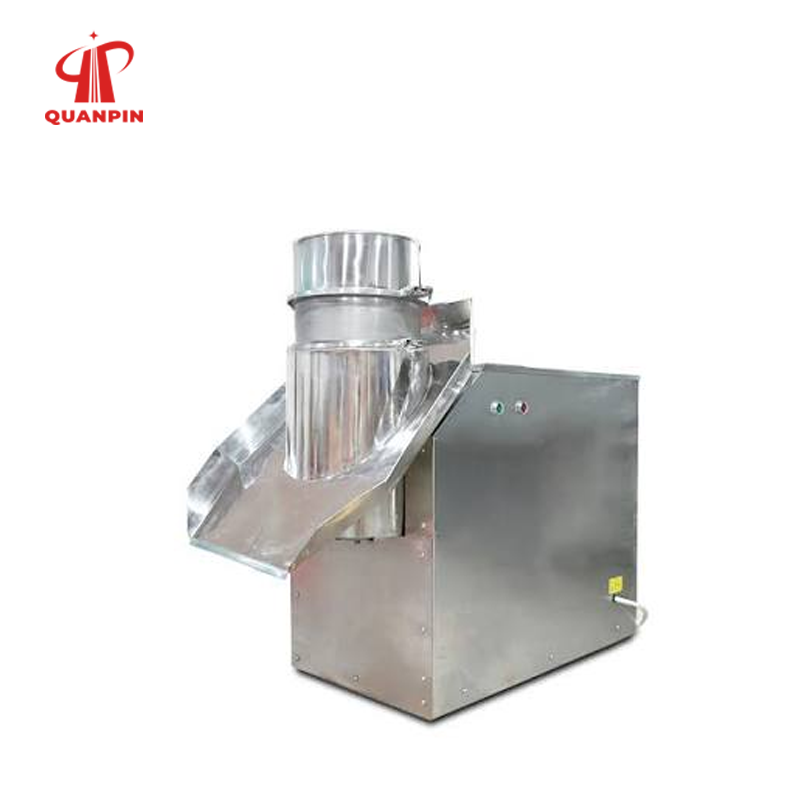
Extrusion and Receiving Interfaces
Extrusion assembly
The extrusion working assembly establishes the immediate forming operation.
Outlet boundary
The outlet identifies where the extrudate first leaves that operation.
First collection
Collection equipment defines the first receiving material boundary.
External transfer contacts
External transfer components create additional contact and handling locations.
Downstream equipment
Downstream equipment performs only the functions confirmed in the actual project scope.
Sampling and weighing
Sampling and weighing arrangements need a stated location and measurement basis.
Interpreting Route-Specific Observations
Follow the actual route
A pharmaceutical granulator investigation should begin with the actual route rather than an assumed loss percentage.
Preserve the identity of the prepared material and the configuration used for the observation.
Wet granulation development may involve material states that change during subsequent processing, so explain what each measurement represents.
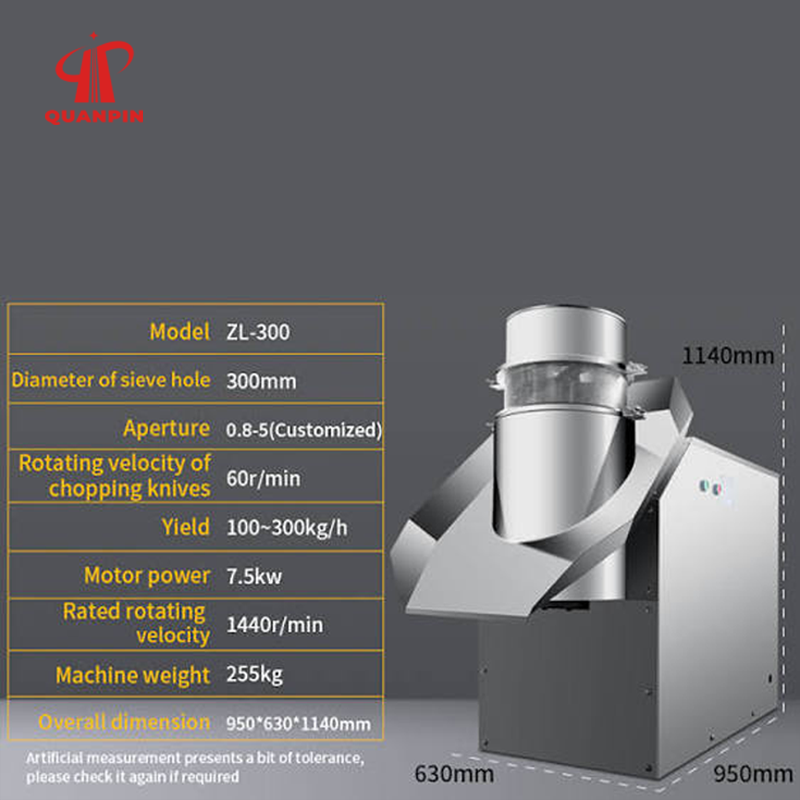
Distinguish material states
Do not compare a fresh wet quantity with a later differently treated quantity as though only transfer occurred.
A granulation and drying line requires separate accounting boundaries for its specified operations.
Document samples, approved removals and identifiable retained material according to the actual study procedure.
Keep quality decisions separate
Avoid returning recovered material to the batch informally just to make an account appear complete.
Use appropriate evidence to investigate an unexplained difference instead of automatically assigning it to an equipment defect.
The product’s quality requirements and authorized disposition remain separate from the material-reconciliation calculation.
Pharmaceutical Quality and Material Disposition
A route-specific observation can identify a handling question that would be hidden in a single overall output figure.
It can also clarify whether an additional transfer accessory belongs in the proposed project. A development comparison should not be presented as complete validation of an untested production process. See FDA process validation guidance.
It does not provide a universal acceptable loss limit or prove that every recovered fraction can be reused.
Those decisions require the actual formulation, material condition and appropriate quality review.
Document the Outlet and Receiving Route
Identify the extrusion outlet and the final receiving point.
List the actual containers and transfer contacts between them. Assess relevant quality risks using the actual material and process context. See FDA ICH Q9 quality risk management.
Material Records, Reconciliation and Safe Recovery
State the material condition and basis used for each measured quantity.
Keep samples and other removals identifiable.
Record the proposed handling steps and any actual deviations.
Preserve unresolved quantities and investigation conclusions without altering the original observation. Interpret measurements through process understanding rather than treating an isolated instrument reading as product acceptance. See FDA process analytical technology framework.
Collecting or recovering material must follow the approved safety and material-control procedures.
Review product-contact cleaning and exposure across the complete transfer route, not just the extrusion unit.
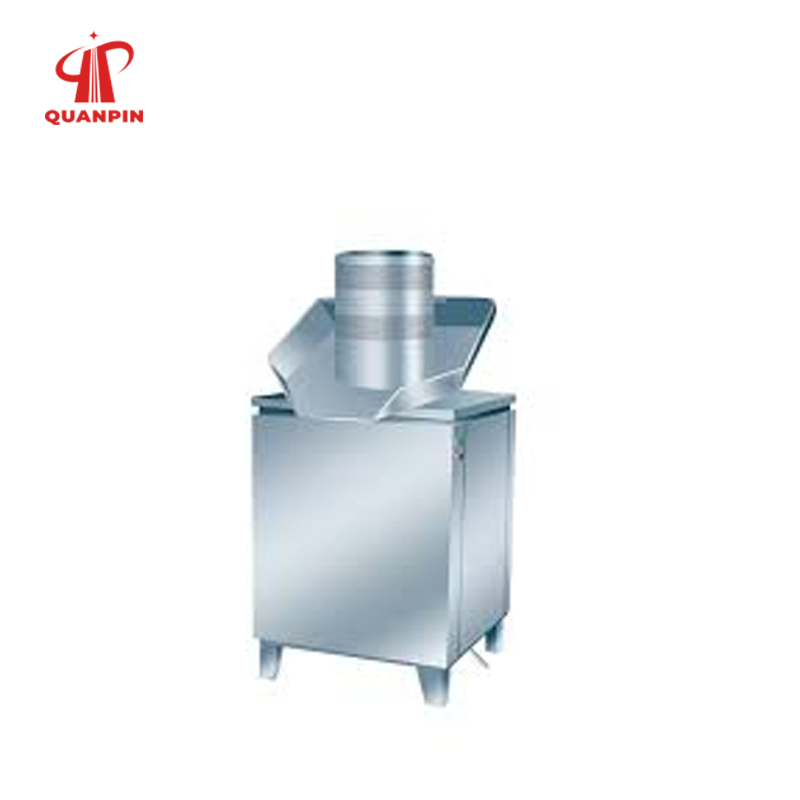
Provide QUANPIN with the Transfer-Interface Scope
Send QUANPIN the actual route and the locations associated with the reported quantities.
Explain which transfer components are supplied with the project and which remain customer responsibilities.
Preserve Original Observations and Their Limits
The enquiry should identify a process-interface question without claiming an unverified loss mechanism.
Retain the original observations with the actual extrusion and downstream handling configuration. Retain knowledge and manage adopted process changes through the pharmaceutical quality system. See FDA ICH Q10 pharmaceutical quality system.
Frequently Asked Questions
Are outlet and receiver quantities equivalent?
The extrusion outlet and later receiver are different possible measurement boundaries.
How should samples be recorded?
An intentionally removed sample should not be hidden within an unexplained transfer difference.
Can unlike material states be directly compared?
Different material states cannot be compared as though no intervening processing occurred.
Should an unknown difference receive an assumed cause?
An unresolved quantity should remain unresolved until appropriate evidence supports a conclusion.
Can recovered material be returned automatically?
Recovered material is not automatically suitable for informal return to the batch.
What should the transfer enquiry identify?
The enquiry should identify the route, measured basis, material state and responsibilities for each interface.
Discuss Your JZL Process Interfaces with QUANPIN
Discuss the matching QUANPIN equipment with QUANPIN. Use the enquiry form or our contact page to describe the actual application.
Email sales@qpdryer.com or stacie@qpdryer.com. Call +86 19850785582, or contact us on WhatsApp: +86 15921493205.