WFJ Air Classifier Mill for Pharmaceutical Excipients: Review a Revised Particle-Size Specification
By QUANPIN
Revising a pharmaceutical particle-size specification creates an evidence-review task. The new document does not change what an earlier WFJ trial actually measured.
An air classifier mill enquiry should identify both the former requirement and the revised requirement before asking whether historical results remain relevant. See pharmaceutical applications.
Define the Evidence Question
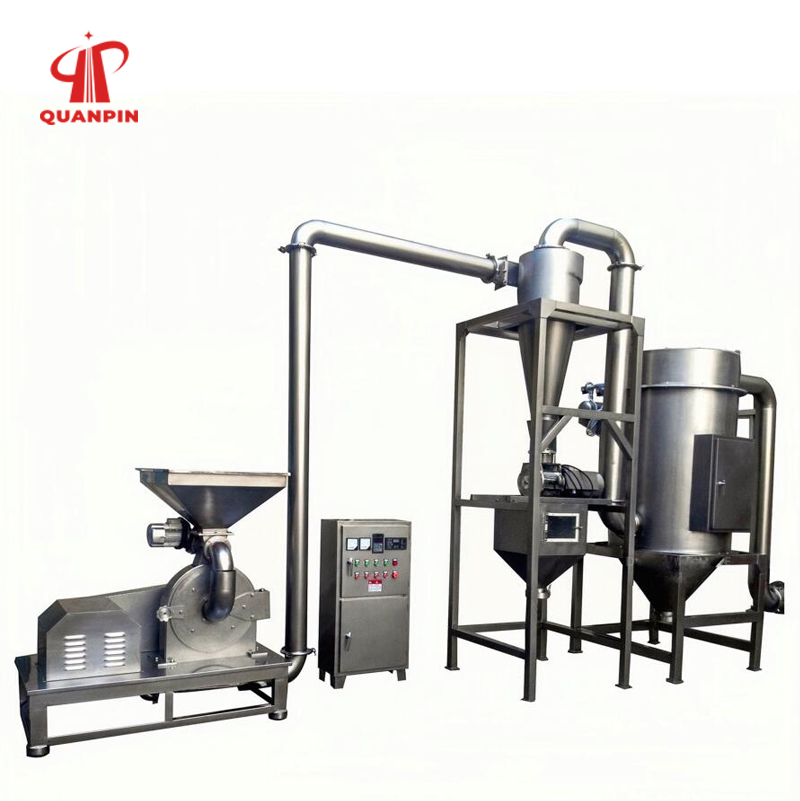
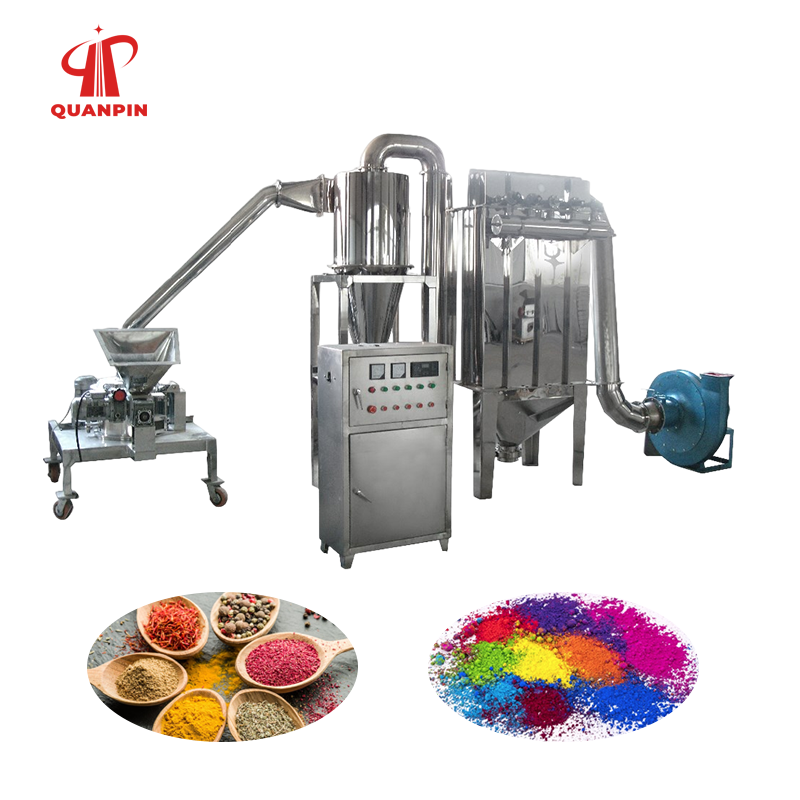
The WFJ combines grinding and classification for compatible dry feeds; finer material proceeds to collection while oversize returns for further reduction.
This air classifying mill principle does not establish conformity with a newly defined specification for an untested excipient. Use product-specific development knowledge to justify the attributes being examined. See FDA ICH Q8 pharmaceutical development.
State the Review Boundary
Identify which part of the particle-size requirement changed and why the earlier evidence is being reconsidered.
Keep an equipment-capability question separate from a document-version question, because the two may require different information.
Five Steps for a Traceable Comparison
Identify material and earlier specification
Identify the material and the specification version used for the earlier study.
Preserve original measurements and method
Preserve the original measurements and their analytical method.
Describe the revised criteria
Describe each revised criterion without silently rewriting the historical record.
Review available evidence
Review whether the available measurements address those criteria.
State supported conclusions
State which conclusions are supported and which require further material assessment.
Separate the Four Relevant Records
A specification defines requirements; an analytical report records observations made by a stated method.
A summary result may omit distribution information that a revised requirement now asks to evaluate.
The original sample’s preparation and collection boundary remain part of its evidence.
A proposed target describes the new duty and should not be presented as a demonstrated WFJ result.
Equipment and Evidence Interfaces
Material identity
Material identity establishes which excipient the historical and revised requirements concern.
Grinding and classification configuration
The grinding and classification configuration identifies the process used to obtain the earlier powder.
Powder collection records
Collection records establish which fraction supplied the analytical sample.
Laboratory preparation
Laboratory preparation determines how that sample was presented for measurement.
Analytical report
The report identifies the results actually recorded, rather than every result that could have been measured.
Receiving formulation
The receiving formulation explains why the customer now needs the revised product attributes.
Interpret the Actual Results
Define the reference basis
For an ACM mill comparison, begin with the complete available report rather than one favorable size descriptor.
If the new criterion concerns a part of the distribution not previously reported, keep that gap visible.
Do not infer a missing percentile or fraction from an isolated summary value.
Keep changes visible
If the analytical method changes, distinguish method comparability from an actual change in the milled powder.
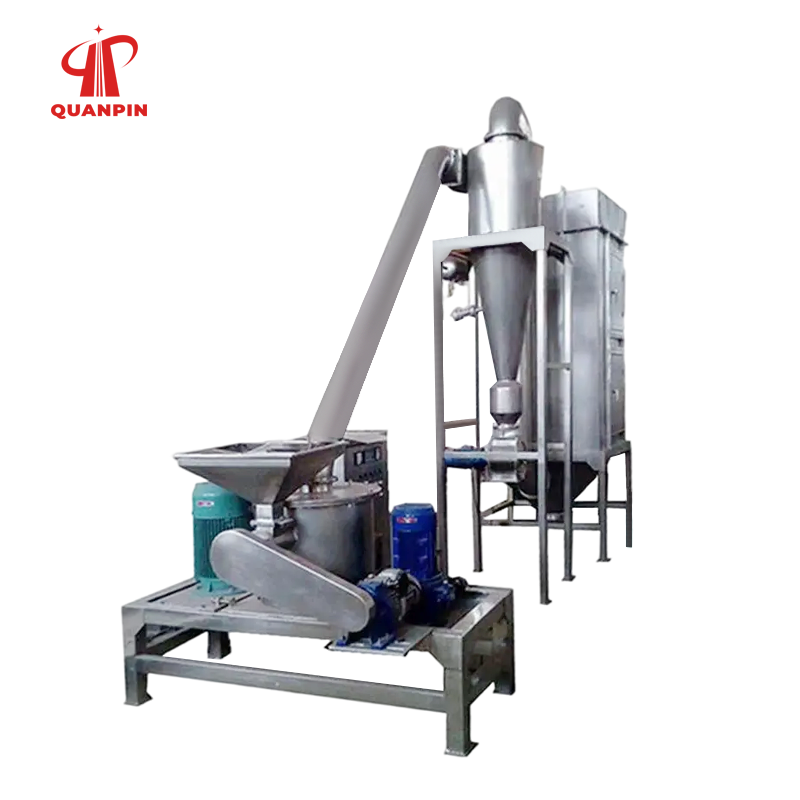
A fine powder grinder sample should remain linked to the configuration and collection interval that produced it.
The revised product need may justify another representative study, but this article prescribes no universal trial protocol.
Assess the relevant product
If the feed or formulation has changed as well, identify those differences before attributing everything to the specification revision.
An industrial fine powder grinder proposal should state the actual revised duty and the evidence available to support its review.
The final conclusion may be limited to particular recorded attributes rather than complete conformity with the new requirement.
Benefits and Limits of the Review
Version control prevents the revised specification from appearing to have governed a trial performed under another requirement.
It also helps distinguish missing evidence from an unfavorable result; those are different review outcomes. A development comparison should not be presented as complete validation of an untested production process. See FDA process validation guidance.
Neither a revised document nor an equipment-family description can supply an unmeasured product property.
Retain the limits of the historical evidence when planning the next development decision.
Identify the Material and Method
Record the actual excipient and relevant preparation history from the earlier study.
Identify the specification versions being compared and the changed requirements. Assess relevant quality risks using the actual material and process context. See FDA ICH Q9 quality risk management.
Records, Handling and Safe Access
Preserve the original analytical method, sample identity and complete available results.
Explain any change in the method or its reporting basis.
Identify the equipment configuration and collected fraction represented by the earlier sample.
Keep unmeasured attributes and unresolved comparability questions explicit. Interpret measurements through process understanding rather than treating an isolated instrument reading as product acceptance. See FDA process analytical technology framework.
Reassessing a report does not authorize new sampling through unsafe access to operating equipment.
Any further study needs the actual material-hazard review and approved operating, sampling and isolation procedures.
Provide QUANPIN with the Application Scope
Provide QUANPIN with the old report, revised requirement and actual material description.
Ask which equipment or application information is needed to review the new duty without inventing a numerical capability.
Preserve the Evidence and Its Limits
Keep the agreed interpretation with both specification versions and the underlying analytical record.
A future study should address the actual evidence gap rather than merely repeat a familiar result. Retain knowledge and manage adopted process changes through the pharmaceutical quality system. See FDA ICH Q10 pharmaceutical quality system.
Frequently Asked Questions
Does a new specification change the historical measurement?
The historical measurement remains the measurement originally made, even when the requirement document is revised.
Can a summary result establish every new criterion?
A summary result cannot establish every new criterion if the necessary distribution information was not recorded.
Does a proposed target prove equipment capability?
A proposed target does not prove equipment capability for the revised material and requirement.
How should a changed analytical method be handled?
A changed analytical method introduces a comparability question that should be identified separately.
Does a conforming sample establish all production conditions?
A conforming development sample does not establish all untested production conditions.
What should the revised-duty enquiry include?
The enquiry should include both requirements, original methods and results, material identity and the revised application question.
Discuss the Confirmed Application with QUANPIN
Discuss the confirmed WFJ Air Classifier Mill application with QUANPIN. Use the enquiry form or the contact page to describe your project.
Email sales@qpdryer.com or stacie@qpdryer.com. Call +86 19850785582, or contact us on WhatsApp: +86 15921493205.