WFJ Air Classifier Mill: Establish the Storage History of a Pharmaceutical Trial Sample
By QUANPIN
A WFJ milling trial needs a defensible material history. An old retained powder, a freshly received ingredient and a rejected component cannot become interchangeable merely because their labels carry the same chemical name.
For pharmaceutical teams selecting an air classifier mill, the useful question is whether the submitted sample represents the intended production feed at the time of processing. Explore pharmaceutical applications.
WFJ Principle and Material-History Limits
The WFJ combines mechanical size reduction with classification. The classifier separates material according to its operating behavior; a laboratory result still belongs to the actual material submitted.
An air classifying mill cannot restore missing storage records or establish whether an ingredient remains suitable for use. Those decisions require the responsible pharmaceutical organization.
Distinguish Development Samples from Approved Components
Begin with the distinction between a sample retained for development and a component approved for manufacturing. Each may have different identification, storage and review arrangements.
This article addresses sample history before a WFJ trial. It does not prescribe retest dates, reserve quantities, acceptance limits or a pharmaceutical release decision.
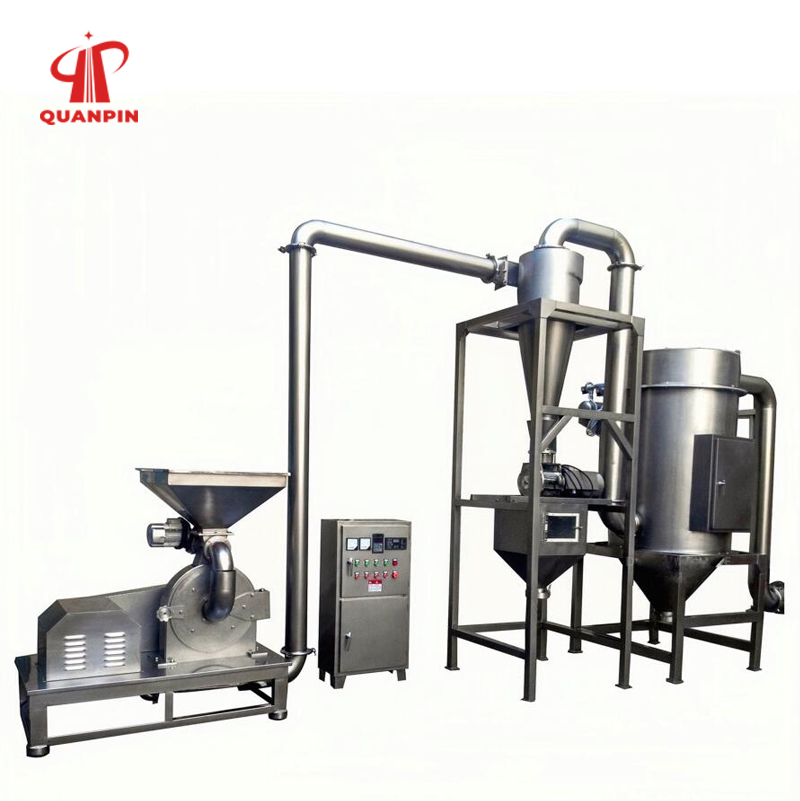
Five Steps before Submitting Trial Feed
Identify material and processing stage
Identify the material by formulation, supplier lot and physical condition. Record whether the submitted powder is an incoming component, intermediate or previously processed material. Receipt and storage controls preserve the identity and protection of incoming pharmaceutical components. See 21 CFR 211.82: Receipt and storage (2025 published edition).
Preserve storage and exposure history
Preserve its storage history, including the container used and any known opening, transfer or environmental exposure that could affect interpretation.
Confirm current material status
Confirm who has authorized the sample for the proposed study. Quarantine, approved and rejected status should remain visible rather than being replaced by an informal trial label. Approved components may require retesting after storage or exposure, according to the applicable written program. See 21 CFR 211.87: Retesting approved components (2025 published edition).
Record appropriate re-examination
Describe any retesting or examination performed before dispatch. Identify the actual test date and method instead of treating an earlier approval as a permanent property.
Link collected fractions to the feed
Link each collected powder fraction to this specific feed. A later comparison needs the incoming sample history as well as the operating observations.
Different Sample Histories Need Separate Interpretation
Two samples can share a supplier and still differ in exposure. An opened development container is not equivalent to an unopened production container without supporting evidence. Approved-component stock rotation is a separate control: the 2025 provision calls for using the oldest approved stock first, allowing an appropriate temporary deviation. See 21 CFR 211.86: Approved-component use (2025 published edition).
A retained sample may have been selected to support a particular investigation. Its purpose should remain explicit when discussing the significance of a new milling observation.
Rejected material must not silently enter a development trial presented as normal production feed. If used for a permitted study, its status and study boundary require clear identification. Rejected components require identification and control to prevent use. See 21 CFR 211.89: Rejected components (2025 published edition).
The ACM mill designation describes equipment architecture. It does not identify an ingredient’s approval status, age or suitability for an intended pharmaceutical process.
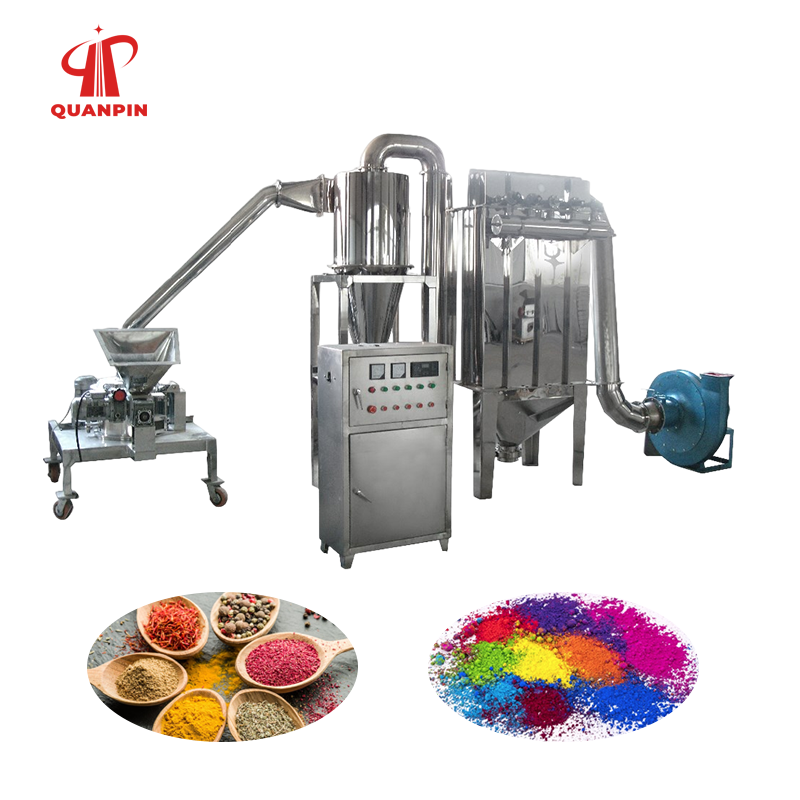
Six Material and Evidence Interfaces
Feed container
The feed container is the first interface. Confirm its identity, condition and closure arrangements before transferring material into the equipment.
Feeding arrangement
The feed arrangement receives the actual submitted powder. Record unusual feeding behavior without assuming that the machine explains every observed difference.
Grinding chamber
The grinding chamber applies mechanical size reduction. Storage-related agglomeration or another material difference may change the study question and should remain identifiable.
Classifier
The classifier makes a separation within the operating system. Its collected material must remain linked to the feed history rather than only to a nominal product name.
Recovery containers
The recovery containers hold distinct outputs or fractions. Their labels should preserve collection identity when samples are subdivided for later examination.
Receiving laboratory
The receiving laboratory examines the submitted specimen. Its report needs enough identity information to connect the measured powder to the original study material.
Interpret a Fresh-versus-Stored Comparison
Define the material and operation
Consider a hypothetical comparison between a fresh component and an older development sample. Different milling observations alone cannot isolate storage as the cause.
The comparison may also involve different handling, preparation or settings. State those differences before interpreting any apparent change in size distribution or feeding behavior.
If the older material needs a new examination, retain the resulting record. Do not rewrite its original receipt or approval history as though it had just arrived.
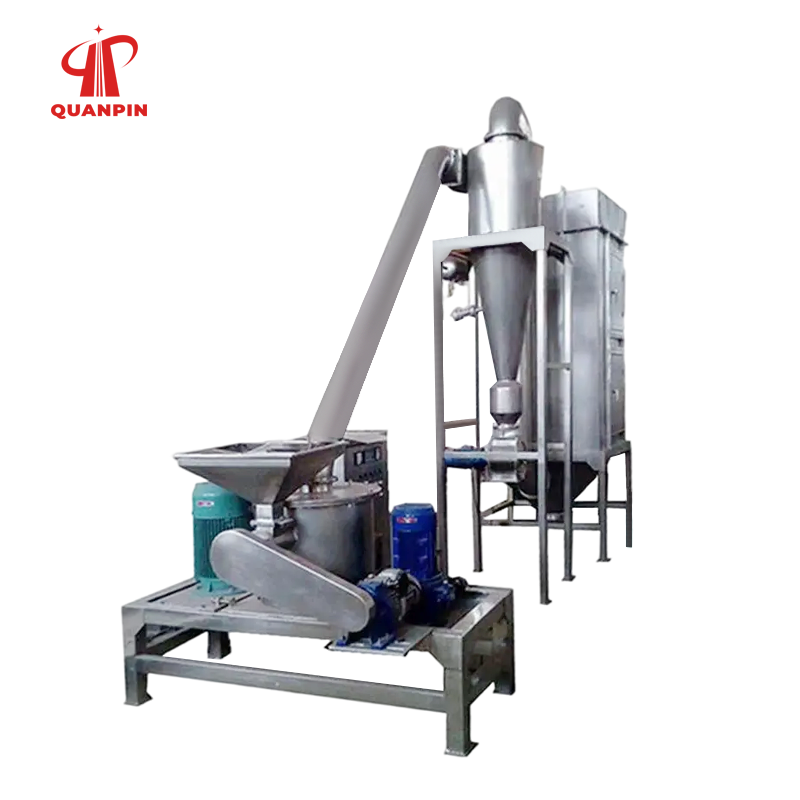
Keep responsibilities and evidence separate
An industrial fine powder grinder enquiry becomes more useful when it distinguishes the material available for a trial from the material expected in routine production.
Where storage information is incomplete, identify that uncertainty directly. A trial may still answer a limited engineering question without representing every proposed production condition.
A successful sample collection does not establish continued ingredient suitability. Equipment observations and pharmaceutical material decisions answer different questions.
Confirm the specific equipment scope
Likewise, a satisfactory ingredient examination does not establish the required milling configuration. The mechanical duty still needs material-specific review.
When multiple lots are submitted, keep their identities separate. A pooled specimen can remove the ability to interpret differences between the individual source materials.
Do not invent a common retest interval from the mill description. The applicable material program and responsible quality organization determine that issue.
Benefits of an Identifiable Trial Feed
The benefit of a clear feed history is a narrower interpretation: the result describes a known sample rather than an assumed ideal ingredient.
It also prevents a proposal from treating an unusual development specimen as the sole definition of routine manufacturing feed.
These records help QUANPIN understand the trial duty. They do not promise identical results across age, storage or formulation differences.
Commercial comparison should therefore identify which material state the proposed fine powder grinder must handle and which states remain outside the enquiry.
Prepare the Material-History Dossier
The material dossier should include actual lot identity, relevant physical observations, storage arrangements and the reason that this sample was selected.
Include known transfers and opened-container exposure when relevant. Missing dates should be marked as missing rather than reconstructed from memory.
Preserve Study Records and Safe Handling
The study record should identify the configured equipment, collected outputs and specimens delivered for examination. Preserve any relevant departures from the intended procedure.
Laboratory results should identify methods and specimen preparation. A material-history discussion cannot repair an analytical comparison made on incompatible bases.
Required reserve samples have a distinct regulated purpose. Do not assume every remaining trial powder automatically satisfies a pharmaceutical reserve-sample program. Required reserve samples have their own retention and storage purpose; a development sample is not automatically that reserve. See 21 CFR 211.170: Reserve samples (2025 published edition).
Storage and retention decisions remain with the responsible organization. Request instructions for returning, retaining or disposing of the remaining study material.
Handle the powder according to its actual hazards. Ingredient history does not substitute for containment, cleaning or safe access arrangements.
Do not open operating equipment to inspect material. Any inspection or recovery activity requires the applicable stopped, isolated and authorized procedure.
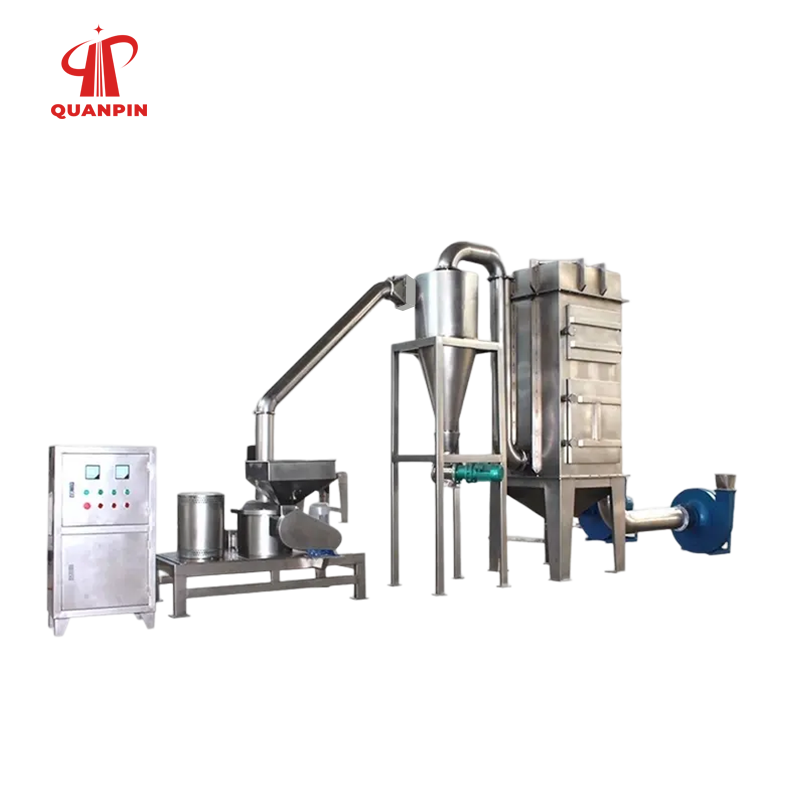
Define the Actual WFJ Trial Duty
Send QUANPIN the material identity, current sample status, available quantity, intended milling objective and relevant handling restrictions.
Distinguish the sample offered now from future routine feed. Explain whether the proposal needs to accommodate a broader range of material conditions.
Understand the Pharmaceutical Source Boundary
The cited pharmaceutical provisions address component and sample control. They are not certifications of a particular WFJ configuration or evidence of a milling result.
This discussion supplies no new operating parameters. Confirm suitability through the actual material information and the agreed equipment evaluation.
Frequently Asked Questions
Does the same name establish equivalent feed?
No. A matching ingredient name cannot establish equivalent storage, handling or current material status; retain the records that define each specimen.
Is every development retain a required reserve sample?
Not automatically. A development retain and a required reserve sample have different purposes unless the responsible organization establishes the appropriate arrangements.
Does the mill specify a retest interval?
No. Retesting or re-examination follows the applicable material program; the WFJ model name does not supply a retest interval.
How should rejected study material be identified?
Keep its status explicit and prevent unintended production use. Any permitted investigation must be separately authorized and interpreted within that study scope.
Can a limited sample represent every future feed?
Only within the evidence available. A limited sample can support a defined engineering observation without proving every future feed condition.
What should the trial-material enquiry include?
Provide the feed history, current status, study objective and relevant restrictions so QUANPIN can review the actual milling duty.
Discuss the Confirmed Milling Application
Discuss the confirmed WFJ Air Classifier Mill application with QUANPIN. Use the enquiry form or the contact page to describe your project.
Email sales@qpdryer.com or stacie@qpdryer.com. Call +86 19850785582, or contact us on WhatsApp: +86 15921493205.